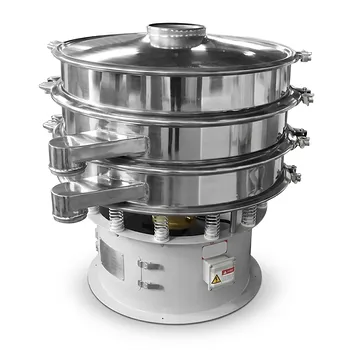
What are the advantages of mechanical vs. manual sieving for road dust analysis? Achieve Superior Data Standardization.
Updated 5 months ago
Mechanical sieving transforms road dust analysis from a variable manual process into a standardized scientific procedure. By utilizing constant vibration frequencies and preset timing, mechanical shakers effectively eliminate the errors inherent in manual force and imprecise human timing. In large-scale studies involving numerous locations, such as highways and urban main roads, these systems ensure every sample is processed under identical physical conditions, guaranteeing the scientific validity of particle size distribution data.
Mechanical sieving replaces human variability with standardized mechanical energy, ensuring that road dust samples are separated with high precision and absolute consistency. This standardization is critical for maintaining data integrity when comparing samples across different geographic locations or experimental batches.
Standardization and Precision in Particle Separation
Eliminating Human Operational Bias
Manual sieving relies entirely on the operator's physical strength and rhythm, which naturally fluctuates over time. Mechanical shakers provide a stable frequency and amplitude (often around 278 cycles per minute), ensuring the energy applied to the sample remains constant from the first minute to the last.
Optimized Material Distribution
Mechanical systems often use multidimensional vibration, gyration, or tapping motions to keep particles in motion. This constant agitation causes road dust particles to jump and rotate, significantly increasing the probability that fine particles like sand, silt, and clay pass through the mesh apertures rather than remaining trapped in the sample mass.
Precision Timing and Repeatability
Automated controls allow for a preset duration, typically 15 minutes, which prevents the common manual errors of over-sieving or under-sieving. This ensures that the physical separation of components is finished to the exact same degree across every sample in a study, regardless of the technician performing the test.
Efficiency and Scalability in Large-Scale Studies
Handling High Sample Volumes
Road dust analysis frequently requires processing dozens or hundreds of samples from various highways and intersections. Mechanical shakers allow for the simultaneous processing of an entire stack of sieves, drastically reducing labor time and increasing the throughput of the laboratory.
Improved Separation of Fine Particulates
Road dust often contains a high percentage of very fine particles that are difficult to separate manually. High-frequency mechanical vibrations ensure these fine grains fully and uniformly contact the mesh openings, providing more reliable grain size distribution data than manual agitation.
Inter-Laboratory Comparability
Because mechanical shakers provide a standardized power output, results can be easily compared between different laboratories. This uniformity is essential for regional or national environmental studies where data consistency across different research teams is required.
Understanding the Technical Trade-offs
Equipment Investment and Calibration
The primary trade-off is the initial capital cost and the need for periodic maintenance. Mechanical shakers must be calibrated regularly to ensure the timing and vibration mechanisms remain within the specified tolerances for the experiment.
Potential for Material Degradation
The high-frequency energy required to separate fine dust can sometimes cause fragile particles to break down. It is critical to select the correct vibration intensity to avoid artificially altering the sample's original grain size through mechanical attrition.
Applying This to Your Research Project
Choosing the right sieving method depends on the scale of your study and the required level of data precision.
- If your primary focus is scientific publication or regulatory compliance: Use mechanical sieving to provide the repeatability and standardized data required for rigorous peer review and legal standards.
- If your primary focus is large-scale urban dust mapping: Prioritize mechanical shakers to handle high sample volumes efficiently while ensuring physical consistency across all collection sites.
- If your primary focus is preliminary field screening: Manual sieving may be acceptable for quick, qualitative assessments where professional laboratory equipment is not yet accessible.
Mechanical sieving is the definitive choice for road dust analysis, offering the technical rigor necessary to turn raw environmental samples into highly reliable scientific data.
Summary Table:
| Feature | Manual Sieving | Mechanical Sieving |
|---|---|---|
| Energy Source | Human physical force (variable) | Standardized mechanical vibration |
| Consistency | High variability between operators | Consistent frequency and amplitude |
| Timing Control | Estimated/Manual timing | Precise automated preset duration |
| Fine Particle Separation | Lower efficiency; prone to clogging | High efficiency; multidimensional motion |
| Scalability | Single sample; labor-intensive | Multiple sieve stacks; high throughput |
| Data Validity | Qualitative/Preliminary | Scientific/Regulatory compliance |
Elevate Your Material Analysis with Precision Equipment
Are you looking to transition from manual variability to scientific precision? We provide complete laboratory sample preparation solutions designed specifically for material science and environmental research. Our high-performance vibratory and air-jet sieve shakers ensure your road dust and powder analysis meet the most rigorous standards for repeatability.
Beyond sieving, our extensive product line includes:
- Advanced Milling: Planetary ball mills, jet mills, and cryogenic grinders for ultra-fine processing.
- Powder Compaction: A full spectrum of hydraulic presses, including Cold/Warm Isostatic Presses (CIP/WIP), hot presses, and XRF pellet presses.
- Mixing Solutions: Professional powder and defoaming mixers for uniform sample preparation.
Whether you are a researcher requiring precise grain size distribution or a distributor seeking reliable OEM/ODM support and competitive profit margins, we are committed to your success.
Contact our experts today to optimize your laboratory workflow!
References
- Magdalena Penkała, Natalia Iwanicka. Exploring the Relationship between Particulate Matter Emission and the Construction Material of Road Surface: Case Study of Highways and Motorways in Poland. DOI: 10.3390/ma16031200
Mentioned Products
- Vibratory Sieve Shaker Electromagnetic 3D Motion Powder Particle Size Analyzer for Dry and Wet Sieving
- 三维电磁微量振动筛分仪
- Stainless Steel Laboratory Vibratory Test Sieve Shaker
- Small Laboratory Vibrating Sieve Shaker for Precise Particle Size Analysis
- Heavy Duty Dry Three Dimensional Vibratory Sieve Shaker for Particle Separation
People Also Ask
- How does a vibratory sieve shaker contribute to optimizing the performance of activated carbon? Enhance Adsorption Precision
- Why is a laboratory vibratory sieve shaker necessary for processing magnesium-based borate precursor powders? Boost Activity
- Why use a vibratory sieve shaker to verify coarse aggregate grading in rubberized concrete? Ensure Structural Integrity
- What function do vibratory sieve shakers and standard test sieves serve in the preparation of adsorbents? Key Guide
- What role does a vibratory sieve shaker play in the particle size analysis of ground corn products? Enhance QC Precision

Tech Team · PowderPreparation
Last updated on May 14, 2026
Related Products
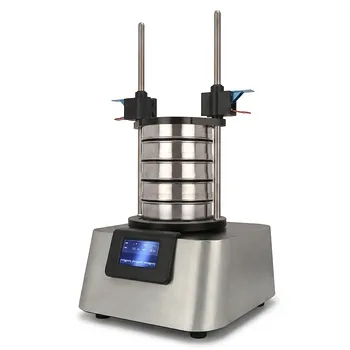
Vibratory Sieve Shaker Electromagnetic 3D Motion Powder Particle Size Analyzer for Dry and Wet Sieving
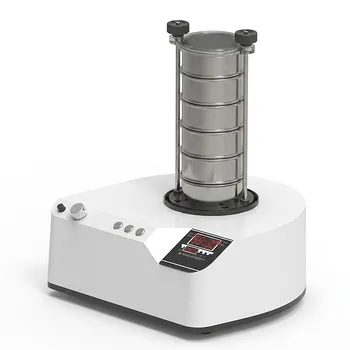
三维电磁微量振动筛分仪
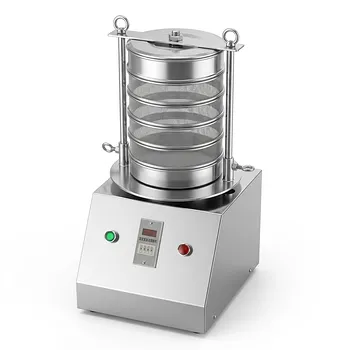
Stainless Steel Laboratory Vibratory Test Sieve Shaker
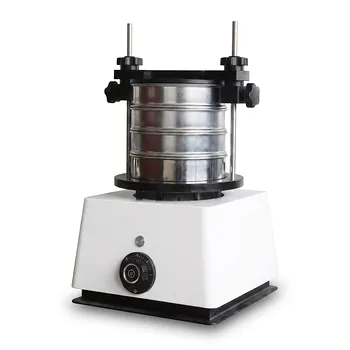
Small Laboratory Vibrating Sieve Shaker for Precise Particle Size Analysis
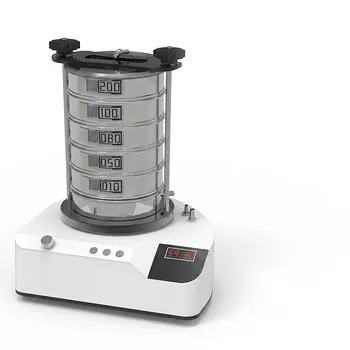
Heavy Duty Dry Three Dimensional Vibratory Sieve Shaker for Particle Separation
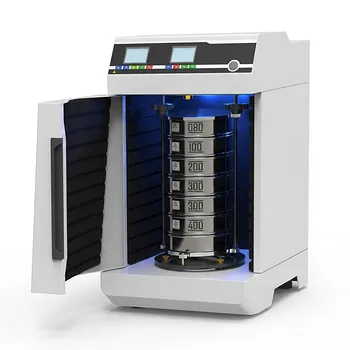
Laboratory Dry and Wet Three Dimensional Vibratory Sieve Shaker for Particle Analysis
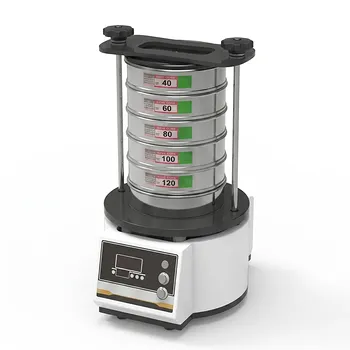
Dry Three Dimensional Vibratory Sieve Shaker
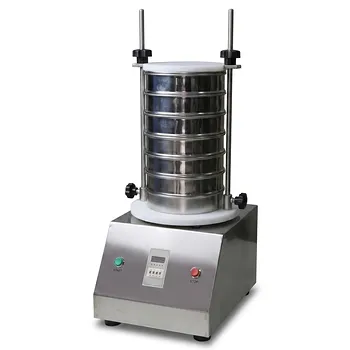
Laboratory Vibratory Test Sieve Shaker for Precision Particle Size Analysis and Powder Grading
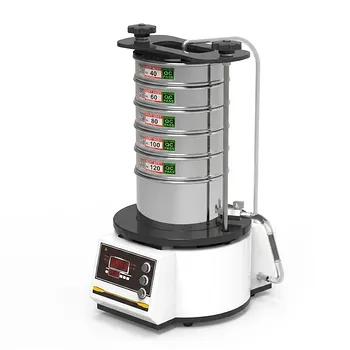
High Frequency Wet Three-Dimensional Vibrating Sieve Shaker for Dry and Wet Particle Size Analysis
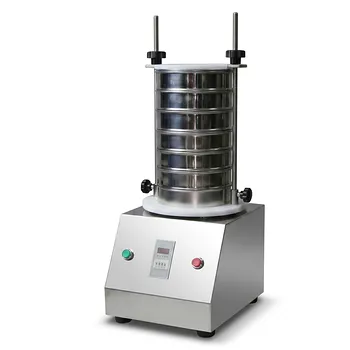
Small Laboratory Vibratory Sieve Shaker for Powder Gradation and Particle Size Analysis
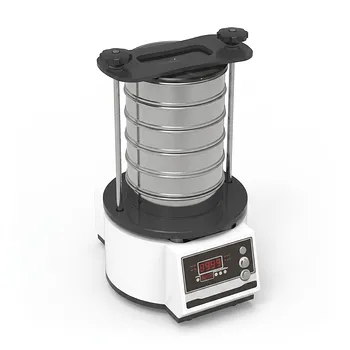
Tapping Oscillating Sieve Shaker for Dry and Wet Particle Size Analysis
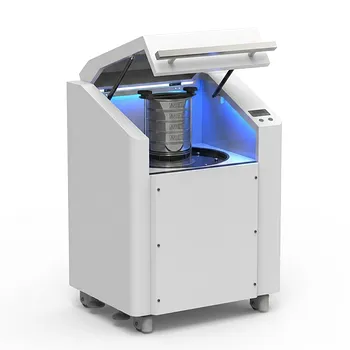
High Frequency Cabinet Type Three-Dimensional Rotary Vibrating Sieve Shaker for Dry Sieving and Particle Classification
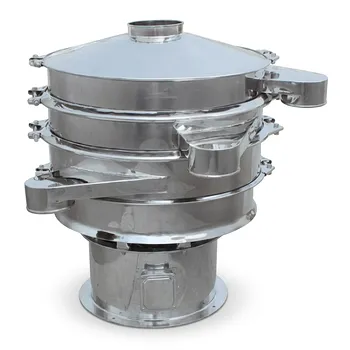
Stainless Steel Rotary Vibrating Sieve High Precision Circular Vibratory Separator Industrial Powder Grading Machine Multi Layer Sifting Equipment
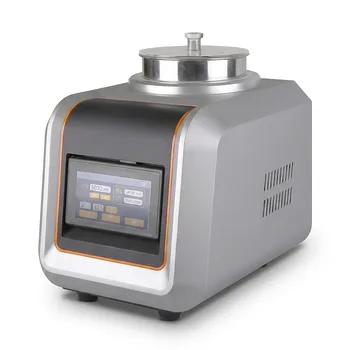
Laboratory Air Jet Sieving Machine for Fine Powder Particle Size Analysis and Deagglomeration