What function do standard analysis sieves serve in the preparation of lime for soil modification? Optimize Soil Reactivity
Updated 5 months ago
Standard analysis sieves serve as the primary mechanism for removing oversized impurities and ensuring a consistent particle size distribution in lime. By filtering the lime—typically using a No. 40 sieve—the material is homogenized to maximize the surface area available for chemical interaction. This physical preparation is essential for facilitating the pozzolanic reactions that create the cementing compounds necessary for soil stabilization.
The core function of sieve analysis in lime preparation is to transform raw material into a reactive powder with a high surface-area-to-volume ratio. This ensures that when lime is introduced to soil, it can efficiently react with silica and additives to form the structural bonds required for engineering stability.
Enhancing Chemical Reactivity through Homogenization
Maximizing Available Surface Contact
Standard analysis sieves, such as the No. 40 sieve, are used to screen lime to eliminate oversized particles that would otherwise remain inert. This process increases the available contact area between the lime, the soil particles, and secondary additives like Banana Leaf Ash (BLA).
Accelerating Pozzolanic Reactions
Increased surface contact directly accelerates the pozzolanic reaction between calcium ions in the lime and reactive silica in the soil. This chemical synergy facilitates the formation of calcium silicate (CaSiO3), the primary cementing compound responsible for increasing soil strength.
Optimizing Effective Neutralizing Power (ENP)
Using a stack of precision sieves allows engineers to calculate the reaction efficiency (RE) of the lime powder. This data is a core physical indicator for determining the Effective Neutralizing Power (ENP), which dictates how effectively the lime will modify the soil's pH and chemical structure.
Ensuring Structural Uniformity in Soil Mixtures
Facilitating Uniform Stabilizer Integration
By ensuring the lime is pulverized to a specific fineness, sieves allow for a more uniform mixture between the lime and fine soil particles. This consistency ensures that the resulting "cement paste" coats soil grains evenly, preventing localized weak points in the stabilized ground.
Regulating Particle Size for Additive Activation
When using secondary stabilizers like Granulated Blast Furnace Slag, a standard sieve (often 150-micron) is required to control fineness. This level of precision ensures the slag can be effectively activated by the lime, leading to the formation of calcium silicate hydrate and a higher elastic modulus in the soil.
Improving Experimental Repeatability
In laboratory settings, standard test sieves ensure that the lime used in compaction tests complies with strict technical specifications. This standardization improves the repeatability of results, ensuring that the lime-soil behavior observed in the lab closely aligns with field performance.
Understanding the Trade-offs and Pitfalls
The Risk of Sieve "Blinding"
If the lime or soil sample contains excessive moisture, particles can clog the mesh apertures, a phenomenon known as blinding. This leads to inaccurate grading and may result in the inclusion of oversized impurities that weaken the final soil-lime matrix.
Balancing Fineness and Material Cost
While higher fineness increases reactivity, processing lime through extremely fine sieves (like the #200 sieve) can be time-consuming and costly. Engineers must balance the need for high surface area with the practicalities of large-scale project budgets.
Degradation During Mechanical Sieving
Prolonged use of vibratory sieve shakers can sometimes cause softer lime particles to degrade further during the test itself. This can result in a "false fineness" reading that does not accurately reflect the material's state during the actual mixing phase in the field.
How to Apply Sieve Analysis to Your Project
Making the Right Choice for Your Goal
- If your primary focus is maximum soil strength: Use a No. 40 sieve to ensure the lime is fine enough to trigger rapid pozzolanic reactions and the formation of calcium silicate.
- If your primary focus is agricultural soil neutralization: Utilize a full sieve set to calculate the Reaction Efficiency (RE), ensuring the lime meets the required Effective Neutralizing Power (ENP).
- If your primary focus is structural backfill or pavement: Prioritize sieving to remove all oversized particles to ensure the stabilized soil meets USCS or AASHTO classification standards for uniformity.
By mastering the precision of sieve analysis, you ensure that lime becomes a high-performance catalyst for permanent soil transformation.
Summary Table:
| Key Function | Impact on Soil Modification | Recommended Equipment/Standards |
|---|---|---|
| Impurity Removal | Ensures material homogenization and removes inert oversized particles. | No. 40 Standard Sieve |
| Surface Area Maximization | Accelerates pozzolanic reactions between calcium and reactive silica. | Precision Mesh Test Sieves |
| Reactivity Optimization | Allows calculation of Effective Neutralizing Power (ENP). | Sieve Stack Analysis |
| Structural Uniformity | Facilitates even stabilizer integration for higher elastic modulus. | Vibratory/Air-jet Sieve Shakers |
| Quality Control | Improves experimental repeatability and compliance with AASHTO/USCS. | Standardized Test Sieve Sets |
Elevate Your Material Analysis with Precision Equipment
At [Your Brand Name], we provide complete laboratory sample preparation solutions tailored for material science and soil engineering. We specialize in high-performance powder processing and compaction equipment designed to ensure your results are both accurate and repeatable.
Our extensive product line supports every stage of your workflow:
- Particle Size Control: Vibratory and air-jet sieve shakers, plus a wide range of precision test sieves and meshes.
- Milling & Grinding: Planetary ball mills, jet mills, and cryogenic grinders for achieving ultra-fine powder consistency.
- Compaction Excellence: A full spectrum of hydraulic presses, including Cold/Warm Isostatic Presses (CIP/WIP), XRF pellet presses, and vacuum hot presses.
- Processing Tools: Jaw/roll crushers, powder mixers, and defoaming mixers for seamless sample homogenization.
Whether you are optimizing pozzolanic reactions in lime or developing new material composites, our equipment delivers the reliability you need. Contact our experts today to find the perfect solution for your laboratory requirements!
References
- Henri Haggai Y. Cua, Irene Olivia Ubay-Anongphouth. Strength Development Assessment Of Banana Leaf Ash and Lime Mixture in Clayey Sand Soils. DOI: 10.5109/7395574
Mentioned Products
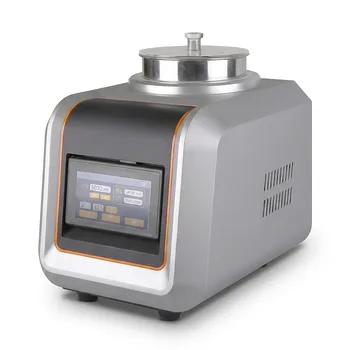
- Laboratory Air Jet Sieving Machine for Fine Powder Particle Size Analysis and Deagglomeration
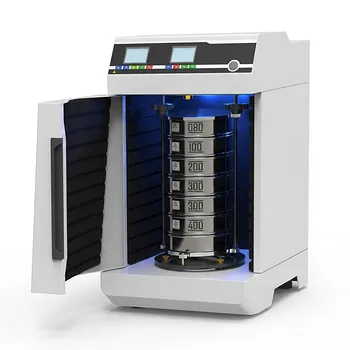
- Laboratory Dry and Wet Three Dimensional Vibratory Sieve Shaker for Particle Analysis
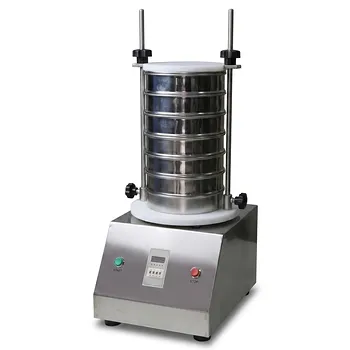
- Laboratory Vibratory Test Sieve Shaker for Precision Particle Size Analysis and Powder Grading
- Small Laboratory Vibratory Sieve Shaker for Powder Gradation and Particle Size Analysis
- Tapping Oscillating Sieve Shaker for Dry and Wet Particle Size Analysis
People Also Ask
- What role do laboratory test sieves play in the nanocrystallization process of iron powder? Ensure Uniform Refinement
- What is the function of a laboratory test sieve in the river sediment sample preparation process? Ensure Precise Data
- What is the purpose of using 0.038 mm sieves in magnetite grinding? Quantify Kinetics and Boost Grinding Efficiency
- How do laboratory test sieves contribute to the analysis of soil texture composition? Optimize Particle Grading Accuracy
- Why is a 0.08mm standard sieve required for testing the fineness of cement? Optimize Recycled Pervious Concrete Quality

Tech Team · PowderPreparation
Last updated on May 14, 2026
Related Products
Laboratory Air Jet Sieving Machine for Fine Powder Particle Size Analysis and Deagglomeration
Laboratory Dry and Wet Three Dimensional Vibratory Sieve Shaker for Particle Analysis
Laboratory Vibratory Test Sieve Shaker for Precision Particle Size Analysis and Powder Grading
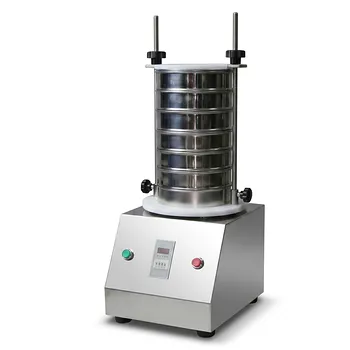
Small Laboratory Vibratory Sieve Shaker for Powder Gradation and Particle Size Analysis
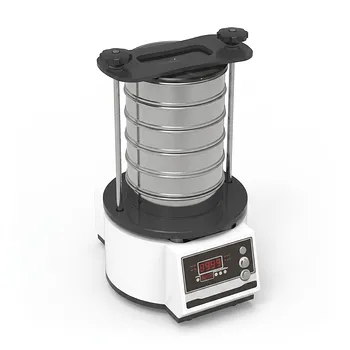
Tapping Oscillating Sieve Shaker for Dry and Wet Particle Size Analysis
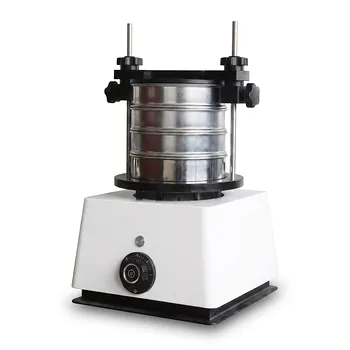
Small Laboratory Vibrating Sieve Shaker for Precise Particle Size Analysis
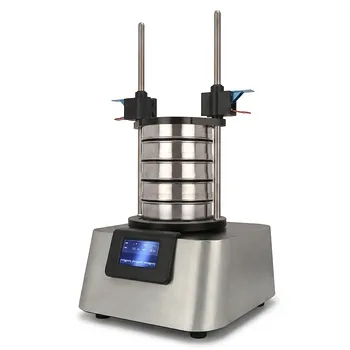
Vibratory Sieve Shaker Electromagnetic 3D Motion Powder Particle Size Analyzer for Dry and Wet Sieving
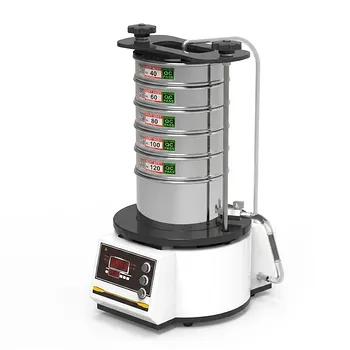
High Frequency Wet Three-Dimensional Vibrating Sieve Shaker for Dry and Wet Particle Size Analysis
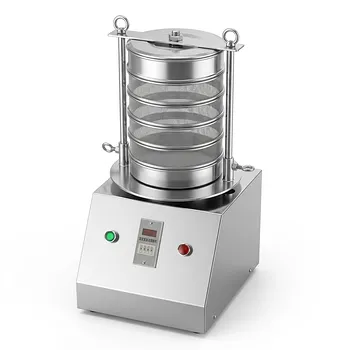
Stainless Steel Laboratory Vibratory Test Sieve Shaker
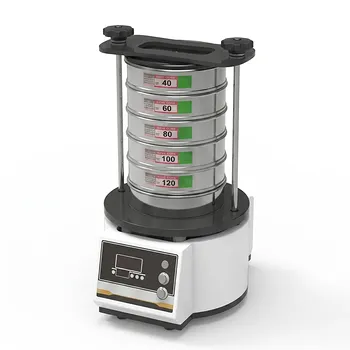
Dry Three Dimensional Vibratory Sieve Shaker
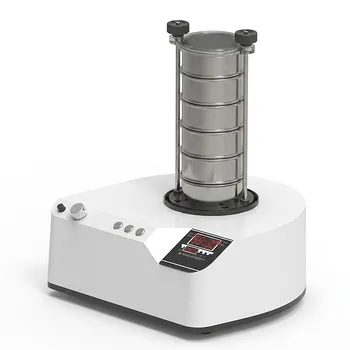
三维电磁微量振动筛分仪
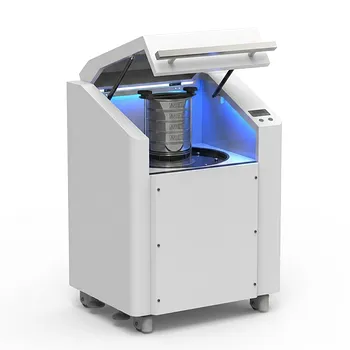
High Frequency Cabinet Type Three-Dimensional Rotary Vibrating Sieve Shaker for Dry Sieving and Particle Classification
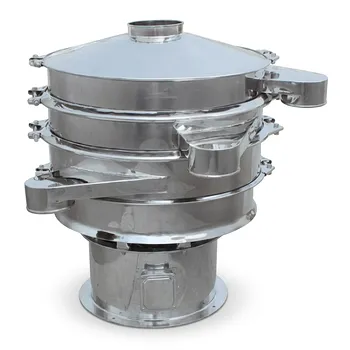
Stainless Steel Rotary Vibrating Sieve High Precision Circular Vibratory Separator Industrial Powder Grading Machine Multi Layer Sifting Equipment
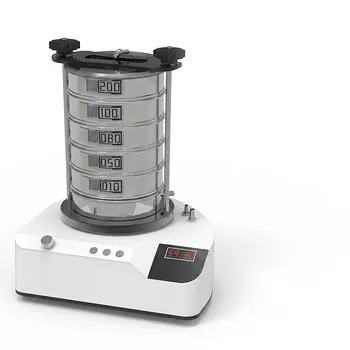
Heavy Duty Dry Three Dimensional Vibratory Sieve Shaker for Particle Separation
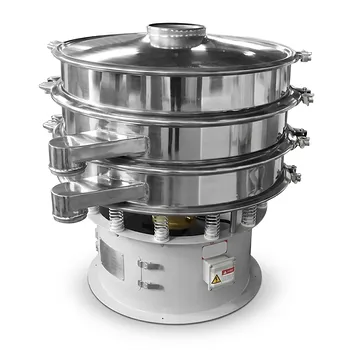
Three Dimensional Rotary Vibrating Sieve
Small High-Speed Laboratory Grinder for Rapid Sample Preparation