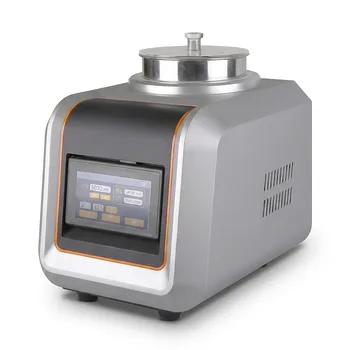
How does a vibratory sieve shaker contribute to the characterization of the physical properties of pine bark substrates?
Updated 5 months ago
A vibratory sieve shaker characterizes pine bark substrates by precisely quantifying particle size distribution (PSD). By applying standardized vibration frequencies and durations to a stack of test sieves, the device separates raw bark into discrete size fractions. This data is fundamental for calculating critical physical indicators such as bulk density, air space, and water-holding capacity, which determine the substrate's performance in horticultural and industrial applications.
The vibratory sieve shaker serves as the primary tool for establishing the "physical fingerprint" of pine bark. By accurately mapping particle size distribution, it enables the optimization of porosity and hydraulic behavior to meet specific technical requirements.
Quantifying Particle Size Distribution (PSD)
Precision Grading through Standardized Vibration
A vibratory sieve shaker uses a combination of vibration frequency and amplitude to move pine bark particles across a series of mesh screens. This mechanical action ensures that particles are repeatedly presented to the sieve apertures, allowing them to pass through or be retained based on their dimensions.
Defining the "Physical Fingerprint"
The resulting data provides a quantitative map of the material, known as the particle size distribution. This distribution is the foundational metric from which almost all other physical characteristics of the substrate are derived.
Correlating Size to Performance Indicators
Optimizing Hydraulic Properties
Particle size directly dictates the air space and container water-holding capacity of a substrate. Larger particles create macropores that facilitate drainage and aeration, while smaller particles increase the surface area available for water retention.
Determining Bulk Density and Packing
By understanding the ratio of fine to coarse particles, researchers can predict the bulk density of the pine bark. This is essential for managing shipping costs and ensuring that the material provides sufficient structural support for plant roots without becoming overly compacted.
Impact on Material Processing and Extraction
Enhancing Extraction Yields
In chemical applications, the shaker ensures that bark particles fall within a specific range, such as less than 1mm or 2mm. This increases the surface area-to-volume ratio, which optimizes extraction kinetics and increases the yield of lipophilic and hydrophilic components.
Ensuring Uniformity in Industrial Composites
For manufacturers using bark in adhesives or porous materials, sieving ensures raw material consistency. Maintaining a specific particle range, such as 0.2mm to 1.25mm, is critical for stabilizing adhesive viscosity and ensuring repeatable bonding strength.
Understanding the Trade-offs
Particle Shape vs. Aperture Size
Vibratory sieving assumes particles are spherical, but pine bark is often acicular (needle-like) or flaky. Long, thin particles may pass through a mesh vertically that they would otherwise be retained by if oriented horizontally, leading to slight variations in perceived size.
The Risk of Particle Attrition
Excessive vibration duration or intensity can cause particle degradation, where brittle bark pieces break into smaller fragments during the test. This can artificially inflate the "fines" content in the data, leading to an inaccurate characterization of the original sample.
Choosing the Right Sieving Strategy for Your Goal
How to Apply This to Your Project
- If your primary focus is horticultural substrate quality: Use a wide range of sieves to calculate the balance between air space and water-holding capacity to ensure optimal root health.
- If your primary focus is chemical extraction yield: Focus on achieving a tight distribution of fine particles (below 1mm) to maximize the efficiency of solvent penetration.
- If your primary focus is industrial manufacturing consistency: Utilize the uniformity index (Iθ) derived from sieving data to ensure your raw material batches provide predictable bonding and density.
The vibratory sieve shaker remains the definitive tool for transforming raw pine bark into a technically characterized and predictable engineering material.
Summary Table:
| Application Area | Key Metric Analyzed | Technical Benefit |
|---|---|---|
| Horticulture | Air Space & Water Capacity | Optimized root health and drainage |
| Chemical Extraction | Surface Area (fines <2mm) | Increased yield and faster extraction |
| Industrial Mfg | Uniformity Index (Iθ) | Consistent adhesive bonding & density |
| Logistics | Particle Packing Ratio | Accurate bulk density for shipping |
Optimize Your Material Characterization with Precision Equipment
Defining the "physical fingerprint" of substrates like pine bark requires absolute accuracy. We provide complete laboratory sample preparation solutions tailored for material science, specializing in high-performance powder processing and compaction equipment.
Why Partner With Us?
- Comprehensive Sieve Analysis: Our vibratory and air-jet sieve shakers, paired with precision test sieves, ensure repeatable particle size distribution data.
- End-to-End Preparation: We offer a full spectrum of equipment, including jaw/roll crushers, cryogenic grinders, planetary ball mills, and jet mills for diverse material types.
- Advanced Compaction: Our expertise extends to manufacturing Cold/Warm Isostatic Presses (CIP/WIP), XRF pellet presses, and vacuum hot presses for specialized research.
Whether you are refining horticultural substrates or engineering industrial composites, our solutions enhance your lab's efficiency and data reliability. Contact our technical experts today to find the ideal equipment for your application!
References
- Jacob H. Shreckhise, James E. Altland. A Base Layer of Ferrous Sulfate-Amended Pine Bark Reduces Phosphorus Leaching from Nursery Containers. DOI: 10.3390/agronomy14040757
Mentioned Products
- Vibratory Sieve Shaker Electromagnetic 3D Motion Powder Particle Size Analyzer for Dry and Wet Sieving
- Laboratory Dry and Wet Three Dimensional Vibratory Sieve Shaker for Particle Analysis
- Stainless Steel Laboratory Vibratory Test Sieve Shaker
- Heavy Duty Dry Three Dimensional Vibratory Sieve Shaker for Particle Separation
- Dry Three Dimensional Vibratory Sieve Shaker
People Also Ask
- How does a vibratory sieve shaker contribute to optimizing the performance of activated carbon? Enhance Adsorption Precision
- Why is a laboratory vibratory sieve shaker necessary for processing magnesium-based borate precursor powders? Boost Activity
- Why use a vibratory sieve shaker to verify coarse aggregate grading in rubberized concrete? Ensure Structural Integrity
- What function do vibratory sieve shakers and standard test sieves serve in the preparation of adsorbents? Key Guide
- What role does a vibratory sieve shaker play in the particle size analysis of ground corn products? Enhance QC Precision

Tech Team · PowderPreparation
Last updated on May 14, 2026
Related Products
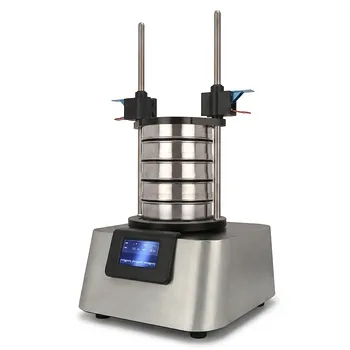
Vibratory Sieve Shaker Electromagnetic 3D Motion Powder Particle Size Analyzer for Dry and Wet Sieving
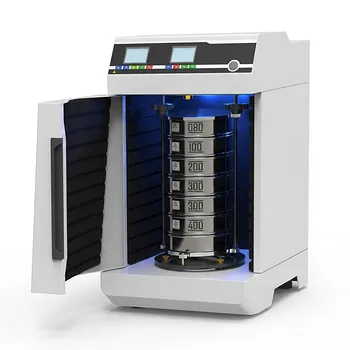
Laboratory Dry and Wet Three Dimensional Vibratory Sieve Shaker for Particle Analysis
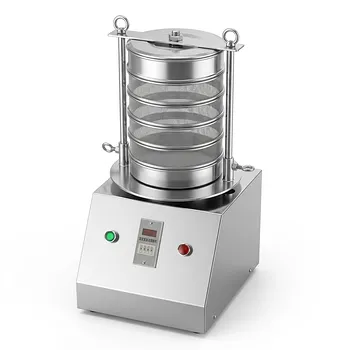
Stainless Steel Laboratory Vibratory Test Sieve Shaker
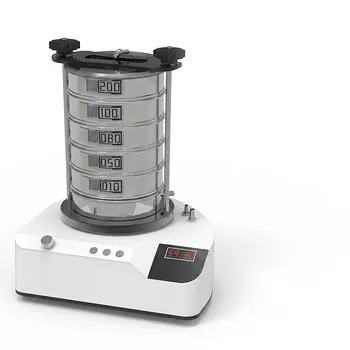
Heavy Duty Dry Three Dimensional Vibratory Sieve Shaker for Particle Separation
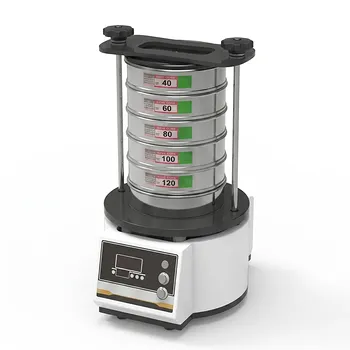
Dry Three Dimensional Vibratory Sieve Shaker
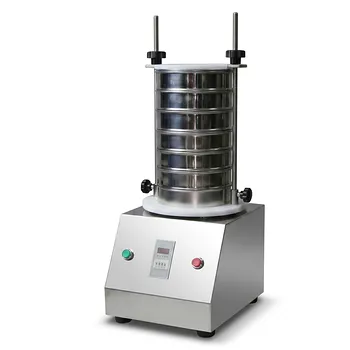
Small Laboratory Vibratory Sieve Shaker for Powder Gradation and Particle Size Analysis
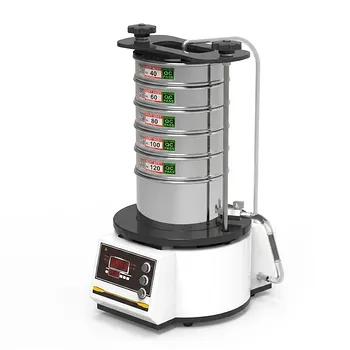
High Frequency Wet Three-Dimensional Vibrating Sieve Shaker for Dry and Wet Particle Size Analysis
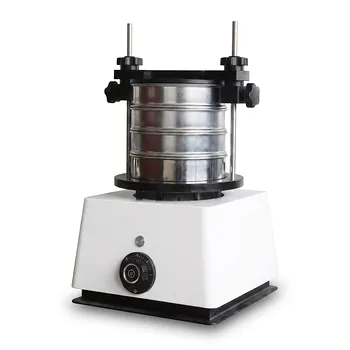
Small Laboratory Vibrating Sieve Shaker for Precise Particle Size Analysis
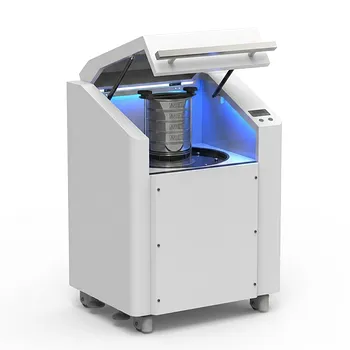
High Frequency Cabinet Type Three-Dimensional Rotary Vibrating Sieve Shaker for Dry Sieving and Particle Classification
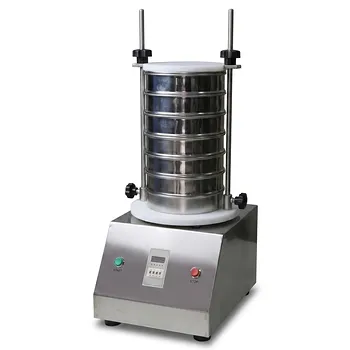
Laboratory Vibratory Test Sieve Shaker for Precision Particle Size Analysis and Powder Grading
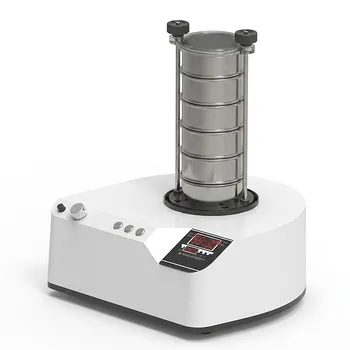
三维电磁微量振动筛分仪
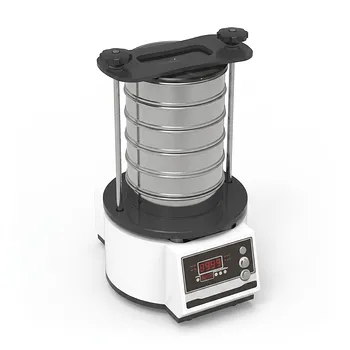
Tapping Oscillating Sieve Shaker for Dry and Wet Particle Size Analysis
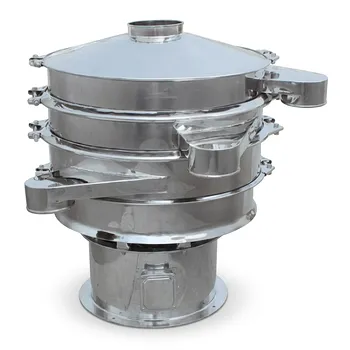
Stainless Steel Rotary Vibrating Sieve High Precision Circular Vibratory Separator Industrial Powder Grading Machine Multi Layer Sifting Equipment
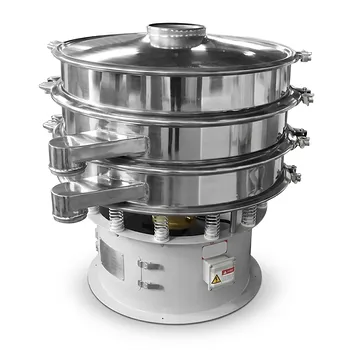
Three Dimensional Rotary Vibrating Sieve
Small Vibrating Ultrafine Grinder for Traditional Chinese Medicine
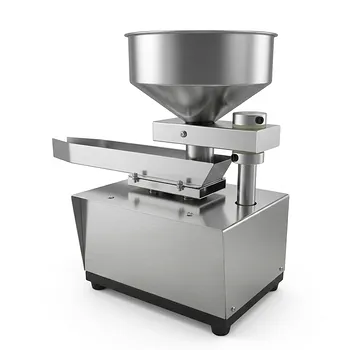
Automatic Vibrating Powder Feeder for Laboratory Material Processing Precision Vibratory Hopper Feeder for Granular and Powder Material Handling Industrial Grade Vibrating Tray Feeder for Consistent Material Sample Preparation
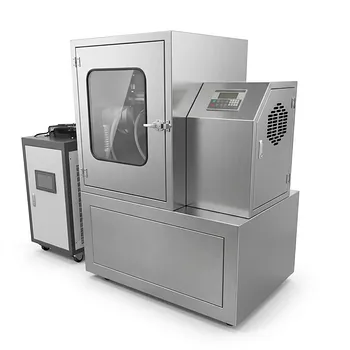
Vibratory Superfine Grinder for Ultra Fine Laboratory Powder Milling
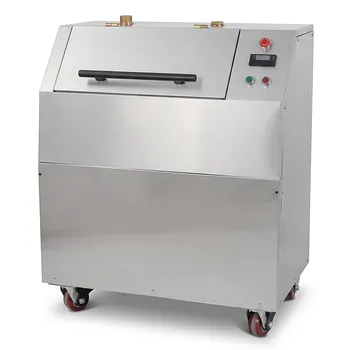
Vibratory Disc Mill for Rapid Fine Grinding and High Throughput Sample Preparation of Hard and Brittle Materials