How are vibratory sieve shakers and test sieves used for particle sizing? Optimize Your Aggregates & Crushed Bricks
Updated 5 months ago
Characterizing particle size distribution requires a precise combination of mechanical energy and standardized physical barriers. Vibratory sieve shakers achieve this by applying high-frequency oscillations to a vertical stack of test sieves, which forces fine aggregates and crushed clay brick particles through progressively smaller apertures—typically ranging from 5 mm down to 0.075 mm. This process quantifies the weight of material retained on each sieve to determine the gradation curve and fineness modulus, data points that are essential for predicting how these materials will behave in concrete or structural fills.
Core Takeaway: Vibratory sieving is the primary method for physical fractional separation, providing the quantitative data needed to optimize aggregate grading, minimize void ratios, and ensure crushed clay brick meets specific industrial standards for density and strength.
The Mechanics of Particle Stratification
High-Frequency Mechanical Agitation
Vibratory sieve shakers utilize programmed vibration frequencies to move material across the sieve surface. This mechanical agitation ensures that particles are constantly reoriented, increasing the probability that they will pass through an opening if they are smaller than the aperture size.
The Vertical Sieve Stack
Standard test sieves are arranged in a descending vertical stack, with the largest apertures at the top and the smallest at the bottom. For crushed clay brick and fine aggregates, this stack typically covers a wide range, often extending from several millimeters down to 75 or 37 microns.
Physical Fraction Separation
As the shaker operates, the material is layered by size through fractional separation. Each sieve "catches" a specific size range, allowing researchers to calculate the weight retention percentage for every individual fraction in the sample.
Characterizing Gradation and Material Performance
Determining the Fineness Modulus
By analyzing the cumulative percentage of material retained on each sieve, technicians calculate the fineness modulus. This single numerical value provides a quick index of the relative coarseness or fineness of the aggregate, which is critical for consistency in material sourcing.
Mapping the Gradation Curve
The data collected allows for the construction of a particle size distribution curve. This curve identifies whether the crushed brick or aggregate is well-graded, gap-graded, or uniformly graded, which directly informs its classification (e.g., sandy clay or low-plasticity inorganic clay).
Influence on Internal Structure and Voids
The primary goal of characterizing these particles is to optimize the void ratio. Accurate grading ensures that smaller particles fill the spaces between larger ones, reducing the volume of cement paste required in concrete mixtures and increasing the overall density of the final structure.
Understanding the Trade-offs and Limitations
Particle Shape Interference
Crushed clay brick is often irregular and angular compared to natural sand. These shapes can sometimes "bridge" across sieve openings or require longer vibration times to ensure they pass through the apertures correctly.
The Risk of Sieve Blinding
Extremely fine clay particles can stick to the mesh or become wedged in the openings, a phenomenon known as blinding. If not managed through proper frequency settings or cleaning, blinding will result in inaccurate data by artificially increasing the weight retained on finer sieves.
Material Attrition
The mechanical energy required for separation can sometimes cause particle degradation. For softer materials like certain types of crushed brick, excessive vibration time may break down the particles, leading to a "finer" result than what actually exists in the bulk stockpile.
How to Apply This to Your Project
Making the Right Choice for Your Goal
To ensure your particle characterization is both accurate and useful for your specific application, consider the following technical priorities:
- If your primary focus is Concrete Mix Optimization: Prioritize the determination of the void ratio and use gradation data to minimize the amount of cement paste required for the design.
- If your primary focus is Material Classification: Focus on establishing a precise particle size distribution curve to identify whether clay deposits are sandy, silty, or inorganic.
- If your primary focus is Quality Control and Repeatability: Utilize programmed vibration frequencies and standardized time controls to eliminate the human error inherent in manual sieving.
- If your primary focus is Chemical or Physical Analysis: Use the weight retention data to identify a "critical particle size," such as 150 µm, that best represents the average characteristics of the entire deposit.
By mastering the use of vibratory shakers and standardized sieves, you gain the technical basis required to transform raw crushed materials into engineered components with predictable performance.
Summary Table:
| Process Component | Functional Role | Impact on Material Characterization |
|---|---|---|
| High-Frequency Vibration | Mechanical stratification | Ensures particles reorient to pass apertures efficiently. |
| Vertical Sieve Stack | Fractional separation | Defines the gradation curve and fineness modulus. |
| Weight Retention Analysis | Quantitative data collection | Identifies critical particle sizes and uniformity. |
| Frequency Control | Error mitigation | Prevents sieve blinding and minimizes particle attrition. |
| Void Ratio Optimization | Structural engineering | Reduces cement paste requirements in concrete mixes. |
Elevate Your Material Characterization Precision
Achieving accurate particle size distribution is critical for the integrity of your material science projects. At our facility, we provide complete laboratory sample preparation solutions tailored for material science professionals and distributors worldwide.
Whether you are processing raw aggregates or crushed clay bricks, our specialized equipment ensures repeatable, high-accuracy results. Our extensive product line includes:
- Sieving Excellence: Vibratory and air-jet sieve shakers with a full range of precision test sieves and meshes.
- Size Reduction: Jaw/roll crushers, liquid nitrogen cryogenic grinders, and high-performance mills (planetary ball, jet, sand, disc, and rotor).
- Powder Processing: Advanced powder and defoaming mixers.
- Compaction Solutions: A full spectrum of hydraulic presses, including Cold/Warm Isostatic Presses (CIP/WIP), XRF pellet presses, and vacuum hot presses.
Ready to optimize your laboratory workflow? Contact our technical experts today to find the perfect equipment configuration for your specific material requirements.
References
- Gaspard Ukwizagira, Habimana Umukunzi George Bush. Effect of Crushed Clay Brick as Partial Replacement of Fine Aggregate in Concrete. DOI: 10.46382/mjbas.2023.7108
Mentioned Products
- Vibratory Sieve Shaker Electromagnetic 3D Motion Powder Particle Size Analyzer for Dry and Wet Sieving
- Laboratory Dry and Wet Three Dimensional Vibratory Sieve Shaker for Particle Analysis
- Stainless Steel Laboratory Vibratory Test Sieve Shaker
- Heavy Duty Dry Three Dimensional Vibratory Sieve Shaker for Particle Separation
- Dry Three Dimensional Vibratory Sieve Shaker
People Also Ask
- How does a vibratory sieve shaker contribute to optimizing the performance of activated carbon? Enhance Adsorption Precision
- Why is a laboratory vibratory sieve shaker necessary for processing magnesium-based borate precursor powders? Boost Activity
- Why use a vibratory sieve shaker to verify coarse aggregate grading in rubberized concrete? Ensure Structural Integrity
- What function do vibratory sieve shakers and standard test sieves serve in the preparation of adsorbents? Key Guide
- What role does a vibratory sieve shaker play in the particle size analysis of ground corn products? Enhance QC Precision

Tech Team · PowderPreparation
Last updated on May 14, 2026
Related Products
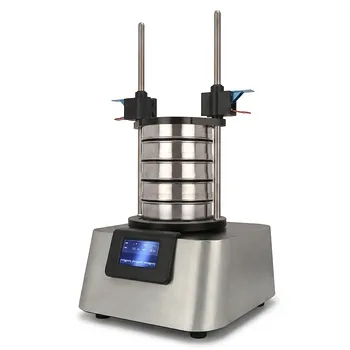
Vibratory Sieve Shaker Electromagnetic 3D Motion Powder Particle Size Analyzer for Dry and Wet Sieving
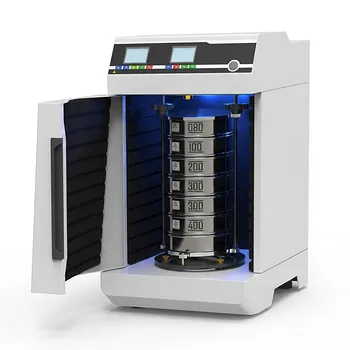
Laboratory Dry and Wet Three Dimensional Vibratory Sieve Shaker for Particle Analysis
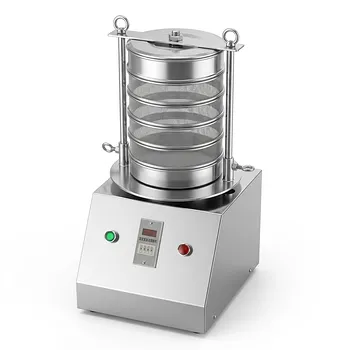
Stainless Steel Laboratory Vibratory Test Sieve Shaker
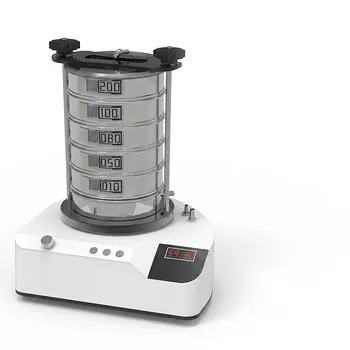
Heavy Duty Dry Three Dimensional Vibratory Sieve Shaker for Particle Separation
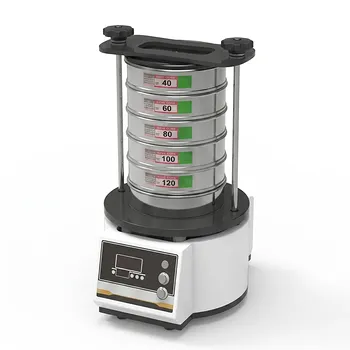
Dry Three Dimensional Vibratory Sieve Shaker
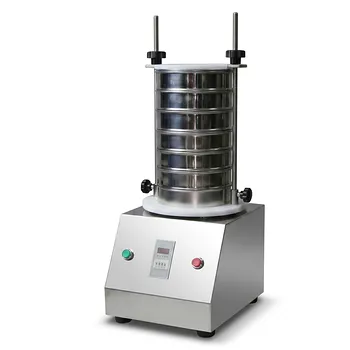
Small Laboratory Vibratory Sieve Shaker for Powder Gradation and Particle Size Analysis
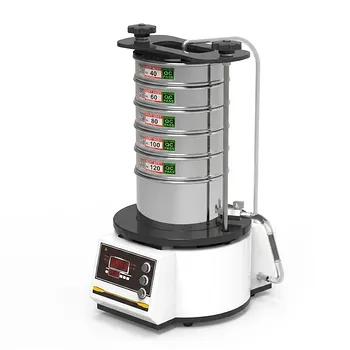
High Frequency Wet Three-Dimensional Vibrating Sieve Shaker for Dry and Wet Particle Size Analysis
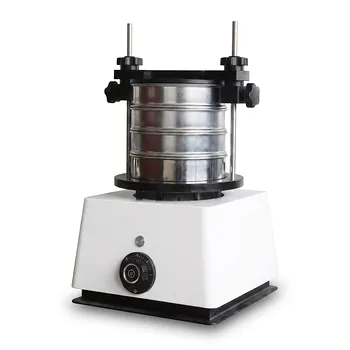
Small Laboratory Vibrating Sieve Shaker for Precise Particle Size Analysis
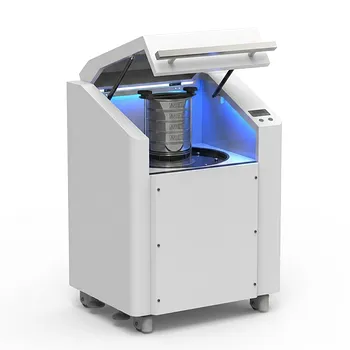
High Frequency Cabinet Type Three-Dimensional Rotary Vibrating Sieve Shaker for Dry Sieving and Particle Classification
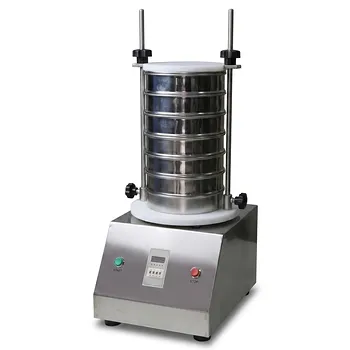
Laboratory Vibratory Test Sieve Shaker for Precision Particle Size Analysis and Powder Grading
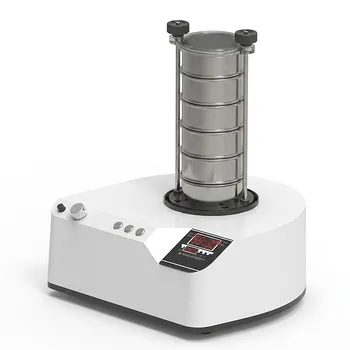
三维电磁微量振动筛分仪
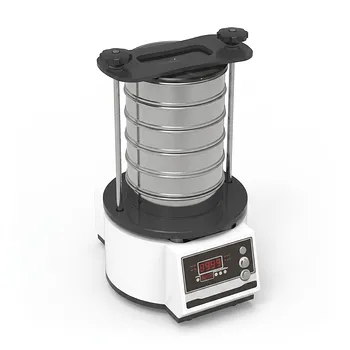
Tapping Oscillating Sieve Shaker for Dry and Wet Particle Size Analysis
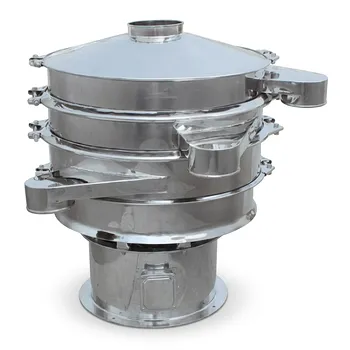
Stainless Steel Rotary Vibrating Sieve High Precision Circular Vibratory Separator Industrial Powder Grading Machine Multi Layer Sifting Equipment
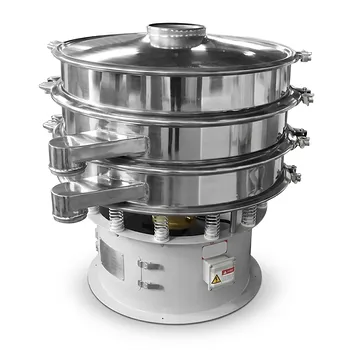
Three Dimensional Rotary Vibrating Sieve
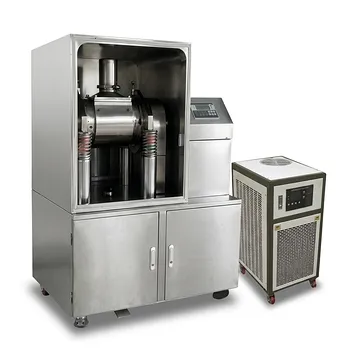
Small Vibrating Ultrafine Grinder for Traditional Chinese Medicine
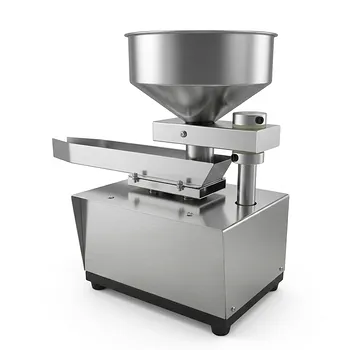
Automatic Vibrating Powder Feeder for Laboratory Material Processing Precision Vibratory Hopper Feeder for Granular and Powder Material Handling Industrial Grade Vibrating Tray Feeder for Consistent Material Sample Preparation
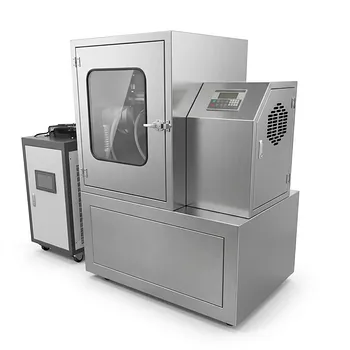
Vibratory Superfine Grinder for Ultra Fine Laboratory Powder Milling
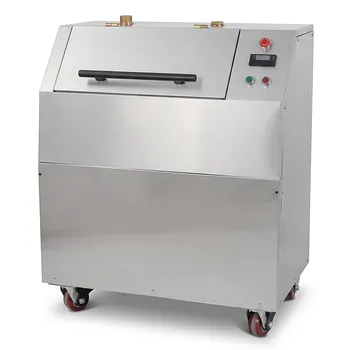
Vibratory Disc Mill for Rapid Fine Grinding and High Throughput Sample Preparation of Hard and Brittle Materials