What is the role of a mechanical sieve shaker in evaluating the grain size distribution of stabilized soils? Key Guide
Updated 5 months ago
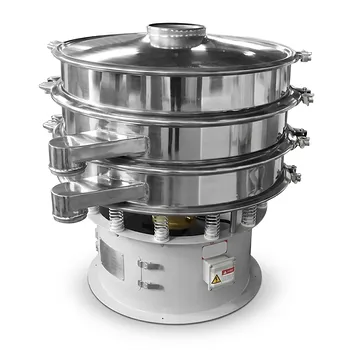
The mechanical sieve shaker is the primary instrument used to quantify the physical transformation of stabilized soil samples by automating the separation of particles into distinct size fractions. This equipment uses high-frequency vibrations to drive soil through a graduated stack of sieves, allowing engineers to determine the Grain Size Distribution Curve (GSDC) with a level of objectivity and repeatability that manual methods cannot achieve.
A mechanical sieve shaker provides the standardized force and duration necessary to evaluate how stabilizers, such as lime or Banana Leaf Ash (BLA), alter soil texture. By facilitating the movement of particles through a sieve stack, it identifies the degree of flocculation and agglomeration within the sample.
Quantifying the Effects of Chemical Stabilization
Measuring Flocculation and Agglomeration
Stabilizers like lime and Banana Leaf Ash (BLA) work by binding fine-grained particles into larger clusters through chemical reactions. The mechanical shaker is essential for detecting this shift, as it reveals the transition of fine silts and clays into coarser aggregates.
Determining the Grain Size Distribution Curve (GSDC)
The GSDC is a graphical representation of the soil's physical makeup post-treatment. By providing precise weight percentages for each size interval, the shaker allows researchers to visualize how the stabilization process has improved the soil's grading.
Tracking Physical Soil Transformation
Engineers use the shaker to confirm that the stabilization has achieved the desired physical transformation. This data serves as the core basis for calculating soil erodibility factors and the uniformity coefficient, ensuring the subgrade meets structural requirements.
Standardizing the Gradation Process
Eliminating Human Error and Subjectivity
Manual sieving is prone to inconsistency in force and rhythm, which leads to varying results between technicians. A mechanical shaker provides continuous and uniform power, ensuring that every particle has an equal opportunity to pass through the mesh based on its physical dimensions.
Ensuring Repeatability and Accuracy
Standardized vibration frequencies and set durations—typically ranging from 10 to 30 minutes—guarantee that tests can be replicated across different laboratories. This repeatability is critical for quality control in large-scale infrastructure projects where material consistency is paramount.
Efficient Separation of Fine Particles
Mechanical shakers are particularly effective at driving fine particles through smaller apertures, such as the 0.075mm (No. 200) sieve. This high-frequency action prevents "blinding" or clogging of the mesh, which is common when attempting to sieve cohesive stabilized soils by hand.
Understanding the Trade-offs and Limitations
Potential for Particle Degradation
The high-frequency vibration and tapping actions, while efficient, can occasionally cause excessive abrasion or breakage of fragile stabilized clusters. If the shaking duration is too long, the mechanical force may artificially degrade the very agglomerates the test is intended to measure.
Sensitivity to Moisture Content
Mechanical sieving requires the soil to be properly dried; otherwise, damp particles will clump together or stick to the sieve mesh. This can lead to an inaccurate overestimation of particle size, masking the true effect of the chemical stabilizer.
Equipment Maintenance and Calibration
To maintain accuracy, shakers must be regularly calibrated to ensure the vibration frequency remains within standard specifications. Wear and tear on the sieve mesh itself can also introduce errors, requiring frequent inspection and replacement of the sieve stack.
Applying Sieve Analysis to Your Soil Project
To achieve the most accurate evaluation of stabilized materials, select your sieving parameters based on the specific requirements of your subgrade design.
- If your primary focus is Research and Development: Use the shaker to compare the flocculation efficiency of different stabilizer ratios by tracking the shift in the GSDC over multiple trials.
- If your primary focus is Field Quality Control: Prioritize standardized shaking durations (e.g., 10 minutes) to ensure that material delivered to the site matches the laboratory-approved gradation.
- If your primary focus is Soil Classification: Utilize a full vertical stack of sieves from No. 4 to No. 200 to calculate the precise uniformity coefficient required for engineering classification.
By automating the gradation process, the mechanical sieve shaker provides the empirical evidence needed to transform raw soil into a predictable, high-performance engineering material.
Summary Table:
| Key Role | Impact on Soil Evaluation |
|---|---|
| GSDC Determination | Quantifies particle size fractions to visualize physical makeup post-treatment. |
| Flocculation Analysis | Measures how stabilizers (like lime or BLA) bind fine silts into coarser aggregates. |
| Standardization | Eliminates human error with continuous, uniform power for repeatable results. |
| Fine Particle Separation | Efficiently drives particles through the No. 200 (0.075mm) sieve without clogging. |
Optimize Your Soil Analysis with Precision Equipment
Achieving accurate Grain Size Distribution (GSDC) data is critical for high-performance material engineering. At KINTEK, we provide complete laboratory sample preparation solutions for material science, specializing in high-precision powder processing and compaction equipment.
Whether you are evaluating soil stabilization or developing advanced ceramics, our extensive product line supports your entire workflow:
- Sieve Shakers & Meshes: High-performance vibratory and air-jet shakers with precision test sieves.
- Size Reduction: Jaw/roll crushers, liquid nitrogen cryogenic grinders, and advanced mills (planetary ball, jet, sand/bead, disc, rotor).
- Mixing Solutions: Powder mixers and vacuum defoaming mixers for uniform material preparation.
- Compaction & Pressing: A full spectrum of hydraulic presses, including Cold/Warm Isostatic Presses (CIP/WIP), standard lab presses, XRF pellet presses, and vacuum hot presses.
Ready to enhance your lab's efficiency and data reliability? Contact our experts today to find the perfect equipment solution for your specific research or quality control needs!
References
- Henri Haggai Y. Cua, Irene Olivia Ubay-Anongphouth. Strength Development Assessment Of Banana Leaf Ash and Lime Mixture in Clayey Sand Soils. DOI: 10.5109/7395574
Mentioned Products
- Vibratory Sieve Shaker Electromagnetic 3D Motion Powder Particle Size Analyzer for Dry and Wet Sieving
- 三维电磁微量振动筛分仪
- Small Laboratory Vibrating Sieve Shaker for Precise Particle Size Analysis
- Stainless Steel Laboratory Vibratory Test Sieve Shaker
- Laboratory Dry and Wet Three Dimensional Vibratory Sieve Shaker for Particle Analysis
People Also Ask
- How does a vibratory sieve shaker contribute to optimizing the performance of activated carbon? Enhance Adsorption Precision
- Why is a laboratory vibratory sieve shaker necessary for processing magnesium-based borate precursor powders? Boost Activity
- Why use a vibratory sieve shaker to verify coarse aggregate grading in rubberized concrete? Ensure Structural Integrity
- What function do vibratory sieve shakers and standard test sieves serve in the preparation of adsorbents? Key Guide
- What role does a vibratory sieve shaker play in the particle size analysis of ground corn products? Enhance QC Precision

Tech Team · PowderPreparation
Last updated on May 14, 2026
Related Products
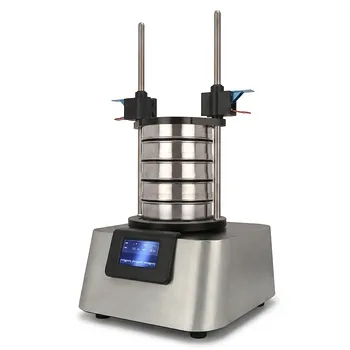
Vibratory Sieve Shaker Electromagnetic 3D Motion Powder Particle Size Analyzer for Dry and Wet Sieving
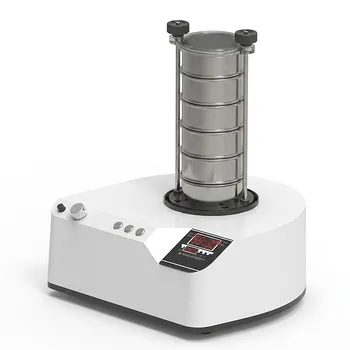
三维电磁微量振动筛分仪
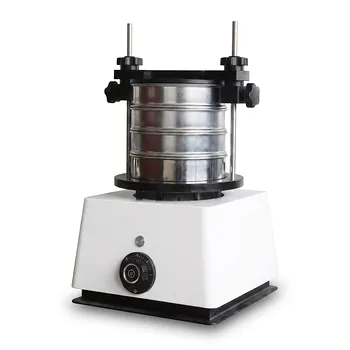
Small Laboratory Vibrating Sieve Shaker for Precise Particle Size Analysis
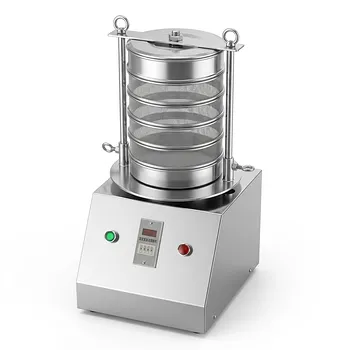
Stainless Steel Laboratory Vibratory Test Sieve Shaker
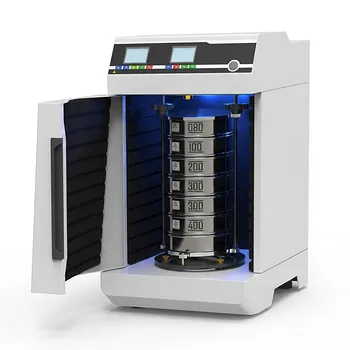
Laboratory Dry and Wet Three Dimensional Vibratory Sieve Shaker for Particle Analysis
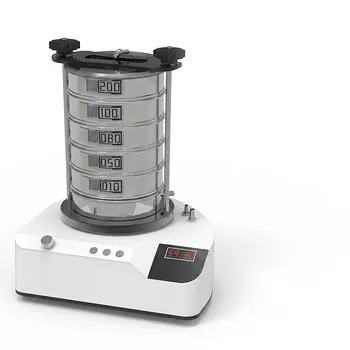
Heavy Duty Dry Three Dimensional Vibratory Sieve Shaker for Particle Separation
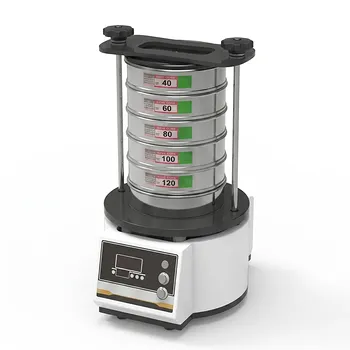
Dry Three Dimensional Vibratory Sieve Shaker
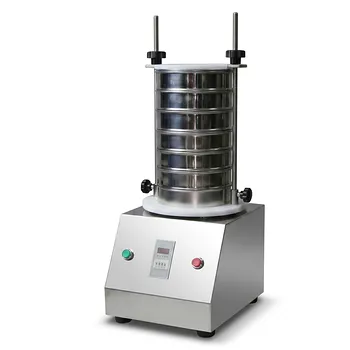
Small Laboratory Vibratory Sieve Shaker for Powder Gradation and Particle Size Analysis
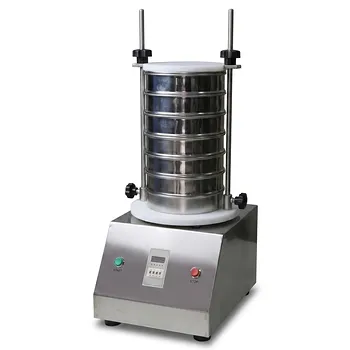
Laboratory Vibratory Test Sieve Shaker for Precision Particle Size Analysis and Powder Grading
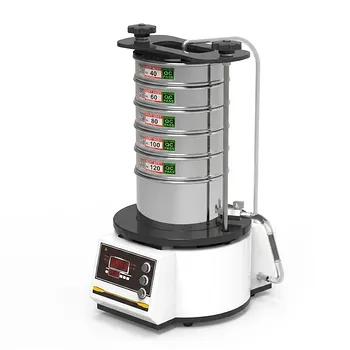
High Frequency Wet Three-Dimensional Vibrating Sieve Shaker for Dry and Wet Particle Size Analysis
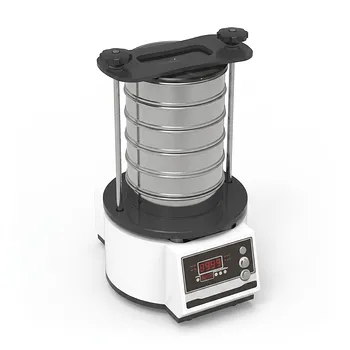
Tapping Oscillating Sieve Shaker for Dry and Wet Particle Size Analysis
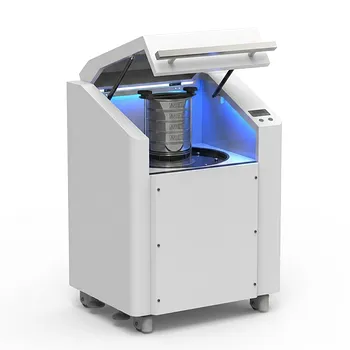
High Frequency Cabinet Type Three-Dimensional Rotary Vibrating Sieve Shaker for Dry Sieving and Particle Classification
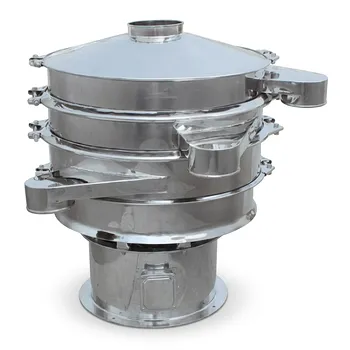
Stainless Steel Rotary Vibrating Sieve High Precision Circular Vibratory Separator Industrial Powder Grading Machine Multi Layer Sifting Equipment
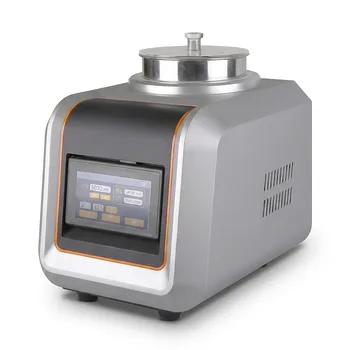
Laboratory Air Jet Sieving Machine for Fine Powder Particle Size Analysis and Deagglomeration