What are the technical considerations for using standardized steel or carbide dies in the pellet briquetting process?
Updated 5 months ago
Standardized steel and carbide dies are essential for achieving dimensional precision and structural integrity in pellet briquetting. These materials provide the necessary hardness to withstand high-pressure molding—often reaching several hundred megapascals—without deformation. By ensuring consistent geometry and minimizing friction, these dies allow for highly accurate mechanical testing that reflects the material’s true bonding strength.
Utilizing hardened steel or carbide dies eliminates geometric variables in pellet production, ensuring that mechanical strength data (such as CCS and STS) is a result of the material’s properties rather than inconsistencies in the molding process.
Material Durability and Structural Integrity
High Wear Resistance for Longevity
The primary advantage of steel and carbide is their high wear resistance, which is critical during high-pressure reciprocating pressing. This durability ensures that the die diameter, such as a standard 20 mm set, remains constant over thousands of cycles. Without this resistance, abrasive materials would quickly erode the die walls, leading to dimensional drift and invalid test results.
Resilience Under High-Pressure Loads
Die components, including punches and base plates, must withstand pressures of several hundred megapascals. Hardened steel provides the extreme hardness and dimensional stability required to prevent the container from bulging or warping under these loads. Maintaining a rigid shape is vital to ensure that the force applied is directed entirely into the compression of the pellet.
Impact on Sample Quality and Data Accuracy
Geometric Standardization and Force Distribution
Standardized dies ensure that resulting pellets, whether cylindrical or spherical, have highly consistent shapes and dimensions. This uniformity is not just for aesthetics; it ensures uniform force distribution during subsequent mechanical testing. When a sample is perfectly shaped, tests like Cold Crushing Strength (CCS) provide a more accurate reflection of the material's inherent bonding strength.
Surface Finish and Frictional Losses
The ability of these materials to maintain a smooth surface finish is a technical necessity for reducing experimental error. Smooth sidewalls minimize frictional losses between the material and the die during the molding process. This ensures that the energy intended for briquetting is not lost to heat or resistance, resulting in a more homogenous pellet density.
Understanding the Trade-offs and Pitfalls
Material Brittleness vs. Hardness
While carbide offers superior wear resistance compared to hardened steel, it is significantly more brittle. Excessive shock or uneven loading can cause carbide dies to crack or shatter under high pressure. Engineers must balance the need for surface hardness with the structural toughness required for the specific pressing application.
Maintenance and Surface Degradation
Even the hardest steel dies are susceptible to surface damage if handled incorrectly or used with highly corrosive materials. Micro-scratches or pitting on the internal die surface can increase ejection force and cause pellets to "cap" or laminate upon exit. Regular inspection and polishing are required to maintain the "standardized" performance of the tool.
How to Apply This to Your Project
Making the Right Choice for Your Goal
To achieve the best results in pellet briquetting, your choice of die should align with your specific research or production requirements.
- If your primary focus is high-volume testing of abrasive materials: Utilize tungsten carbide dies to maximize wear resistance and maintain dimensional tolerances over long periods.
- If your primary focus is standard laboratory mechanical testing (CCS/STS): Use hardened steel die sets to ensure a balance of high pressure capacity and cost-effective geometric precision.
- If your primary focus is reducing sample rejection rates: Prioritize dies with a mirror-polished internal finish to minimize friction and ensure clean pellet ejection.
Selecting the correct die material and maintaining its surface integrity is the most critical step in ensuring your pellet briquetting data is both repeatable and scientifically valid.
Summary Table:
| Feature | Hardened Steel Dies | Tungsten Carbide Dies | Technical Benefit |
|---|---|---|---|
| Wear Resistance | High | Extreme | Maintains constant diameter over high-volume cycles. |
| Structural Toughness | Excellent (Resilient) | Brittle (Prone to cracking) | Prevents die failure under high-pressure loads. |
| Surface Finish | Polished | Mirror-Polished | Minimizes frictional losses and ejection force. |
| Pressure Stability | Up to several 100 MPa | Superior Stiffness | Ensures uniform force distribution and pellet density. |
| Primary Application | Standard Lab Testing | Abrasive Material Processing | Guarantees repeatable and scientifically valid results. |
Elevate Your Material Testing Precision with Expert Compaction Solutions
Achieving consistent, high-quality pellets requires more than just pressure—it requires the right tooling and equipment. At KINTEK SOLUTION, we specialize in providing complete laboratory sample preparation solutions tailored for material science professionals.
Our extensive range of equipment is designed to meet the most demanding powder processing needs:
- Precision Compaction: A full spectrum of hydraulic presses, including Cold/Warm Isostatic Presses (CIP/WIP), standard lab presses, XRF pellet presses, and vacuum hot presses.
- Powder Processing: High-performance crushers (jaw/roll), liquid nitrogen cryogenic grinders, and specialized mills (planetary ball, jet, disc, rotor).
- Material Consistency: Sieve shakers (vibratory/air-jet), powder mixers, and defoaming mixers to ensure your samples are perfectly prepared.
Don't let tool wear or geometric inconsistencies compromise your research data. Contact our technical team today to find the ideal die materials and pressing solutions for your specific application!
References
- Karthik Manu, Weihong Yang. Maximizing the Recycling of Iron Ore Pellets Fines Using Innovative Organic Binders. DOI: 10.3390/ma16103888
Mentioned Products
- Ordinary Type Rotary Tablet Press for Pharmaceutical Chemical Food Electronic Industries
- Small Swing Granulator Efficient Powder Granulation for Pharmaceutical Chemical Food Industries
- 6 Ton Variable Frequency Single Punch Tablet Press
- Sealed Disc Pulverizer Customized Model
- Custom Explosion-Proof Sealed Jaw Crusher for Laboratory and Industrial Sample Preparation
People Also Ask
- Why is a laboratory hydraulic press required for FT-IR KBr pellets? Achieve Precise Sample Clarity for ZrC–SiC Analysis
- Why is a laboratory hydraulic press required to compress oyster shell powder before XRF analysis? Improve Data Accuracy.
- Why is vacuum sealing and flexible packaging necessary for Aluminum Titanate powders during CIP? Ensure Peak Density
- What are the advantages of using hardened steel molds and graphite spray for titanium powder? Ensure structural integrity
- What role does a high-strength stainless steel mold kit play in the uniaxial die compaction process? Ensuring Precision

Tech Team · PowderPreparation
Last updated on May 14, 2026
Related Products
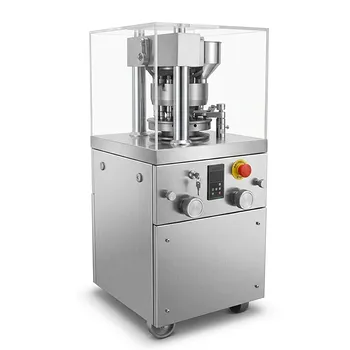
Ordinary Type Rotary Tablet Press for Pharmaceutical Chemical Food Electronic Industries
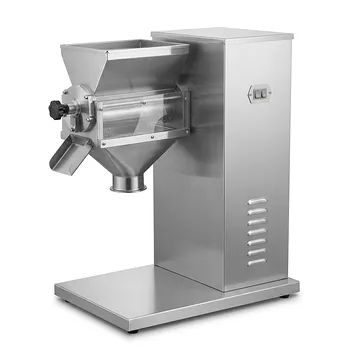
Small Swing Granulator Efficient Powder Granulation for Pharmaceutical Chemical Food Industries
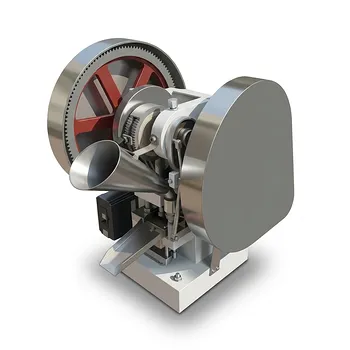
6 Ton Variable Frequency Single Punch Tablet Press
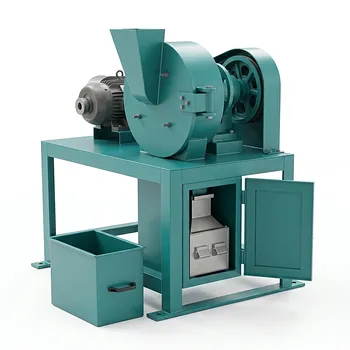
Sealed Disc Pulverizer Customized Model
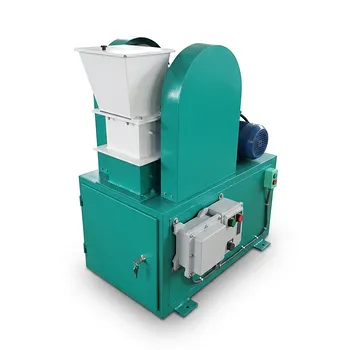
Custom Explosion-Proof Sealed Jaw Crusher for Laboratory and Industrial Sample Preparation
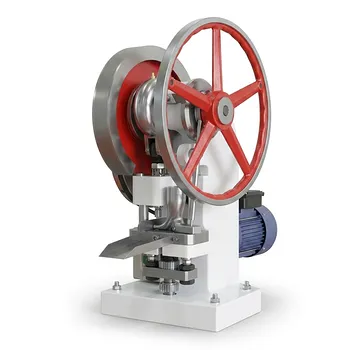
5 Ton Single Punch Tablet Press Laboratory Small Batch Production
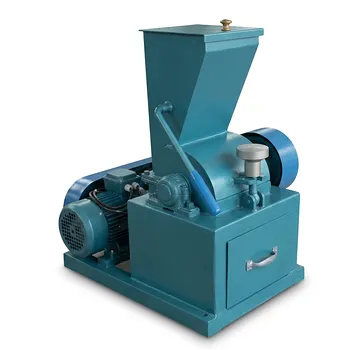
Small Hammer Crusher for Brittle Material Crushing in Mining Metallurgy and Lab Sample Preparation
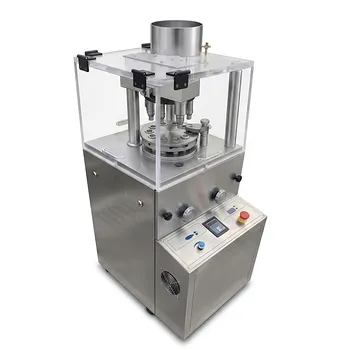
Enhanced 9 Punch Rotary Tablet Press for Powder Compaction
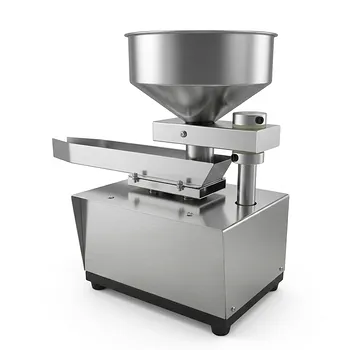
Automatic Vibrating Powder Feeder for Laboratory Material Processing Precision Vibratory Hopper Feeder for Granular and Powder Material Handling Industrial Grade Vibrating Tray Feeder for Consistent Material Sample Preparation
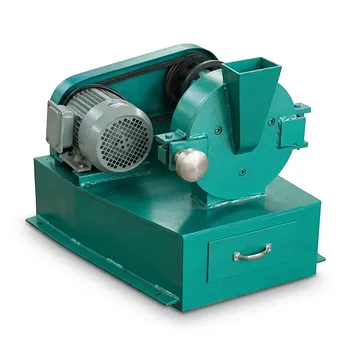
Medium Hardness Material Disc Pulverizer for Coal Ore Sample Preparation
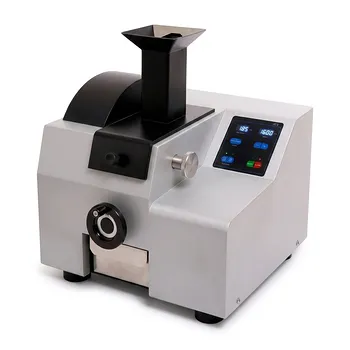
Laboratory Benchtop Jaw Crusher for Hard Brittle Materials Primary Size Reduction and Sample Preparation
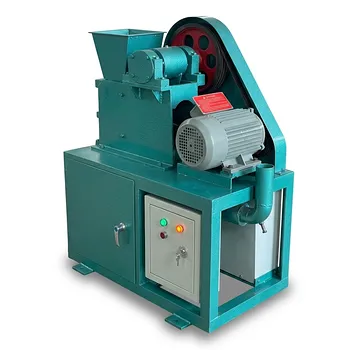
EP-B Type Sealed Jaw Crusher for Laboratory Sample Preparation
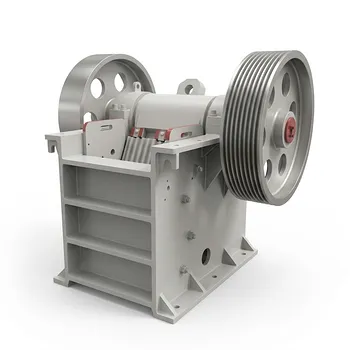
Jaw Crusher with 400x600mm Feed Opening for Primary Rock Crushing in Mining and Construction
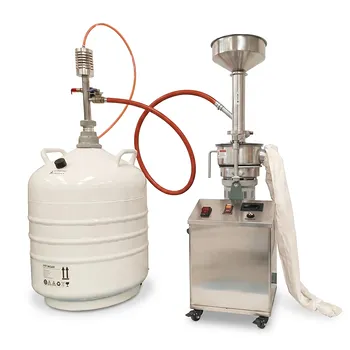
Laboratory Liquid Nitrogen Cryogenic Grinder Polymer Sample Preparation Pulverizer
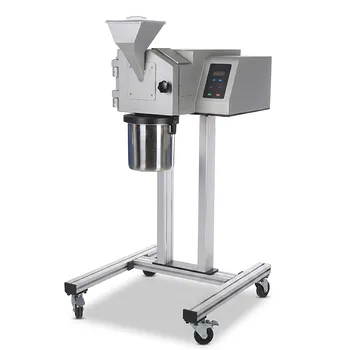
Cross Beater Mill for Brittle Material Grinding and Continuous Fine Crushing Industrial Sample Preparation
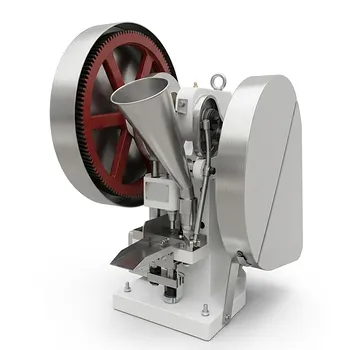
6-Ton Small Single-Punch Tablet Press — Laboratory Powder & Granule Tableting Equipment / Tablet Forming Machine
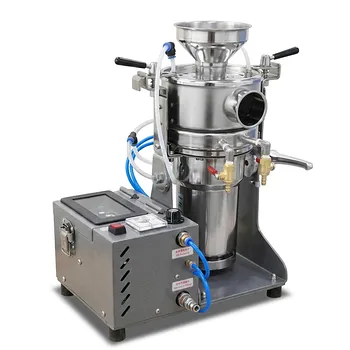
Water Cooled Pulse Jet Ultrafine Grinder
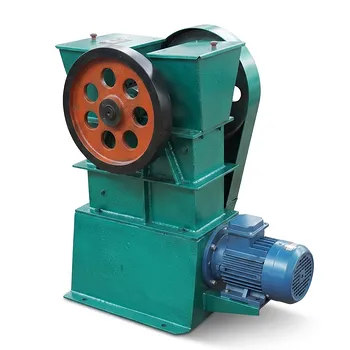
150×125mm Laboratory Jaw Crusher for Medium and Fine Crushing of Brittle Materials
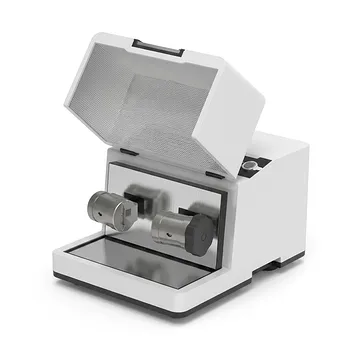
Heating Temperature Controlled High Energy Vibratory Ball Mill