What is the purpose of applying 400 MPa of pressure with a laboratory hydraulic press? Achieve Superior Ceramic Density
Updated 4 months ago
Applying 400 MPa of pressure is a critical step designed to maximize the initial density of a ceramic green body before it enters the kiln. This high-pressure environment forcibly expels trapped air and overcomes inter-particle repulsion to eliminate microscopic pores. By achieving this extreme green density, the material gains the necessary physical foundation to ensure high dielectric breakdown strength and structural integrity after sintering.
The primary purpose of using 400 MPa of pressure is to create a ultra-dense "green" state that minimizes internal voids and maximizes particle contact. This ensures the final ceramic product achieves peak mechanical strength and electrical insulation properties during the high-temperature sintering phase.
The Mechanics of High-Pressure Compaction
Overcoming Inter-Particle Resistance
At the microscopic level, ceramic powder particles naturally resist being packed together due to inter-particle friction and electrostatic repulsion. The application of 400 MPa provides the mechanical energy required to force these particles to rearrange and pack tightly.
Elimination of Internal Voids
Air trapped between powder particles creates microscopic pores that act as structural weaknesses. High-pressure loads exclude this internal air, collapsing voids and ensuring the green body is as homogenous as possible before heat is applied.
Promoting Plastic Deformation
Under extreme pressure, certain powder particles may undergo plastic deformation or fragmentation. This change in shape allows the particles to fill remaining gaps, significantly increasing the bulk density and the number of contact points between grains.
Critical Impacts on the Sintering Process
Reducing Sintering Shrinkage
A high initial green density directly correlates to lower volume shrinkage during the sintering stage. By compacting the material to 400 MPa, you reduce the distance atoms must travel to fuse, leading to better dimensional stability in the final part.
Enhancing Solid-Phase Reactions
Increased particle contact points facilitate faster and more uniform solid-phase reactions and grain boundary diffusion. This is essential for achieving a fully dense ceramic structure and preventing the formation of large, strength-limiting pores during firing.
Achieving Dielectric Breakdown Strength
For technical ceramics used in electronics, internal porosity is the leading cause of electrical failure. The high-pressure molding process ensures a dense physical foundation, which is a prerequisite for achieving high dielectric breakdown strength in the finished material.
Understanding the Trade-offs and Risks
Internal Stress and Springback
Applying 400 MPa of pressure can store significant elastic energy within the green body. If the pressure is released too quickly, the material may experience "springback," leading to micro-cracks or delamination known as "capping."
Tooling and Mold Wear
The use of such high pressures requires specialized hardened steel or carbide molds. Continuous operation at 400 MPa accelerates the wear and tear on the pressing dies, which can eventually lead to dimensional inaccuracies in the green bodies.
Density Gradients
In uniaxial pressing, friction between the powder and the mold walls can cause density gradients. This means the edges of the green body may be denser than the core, potentially leading to warping or non-uniform shrinkage during the final sintering process.
How to Apply This to Your Project
Making the Right Choice for Your Goal
- If your primary focus is maximizing electrical insulation: Utilize the full 400 MPa or higher to eliminate the microscopic pores that compromise dielectric strength.
- If your primary focus is dimensional precision: Ensure consistent pressure application to minimize sintering shrinkage and maintain tight tolerances on the final dimensions.
- If your primary focus is preventing structural cracks: Implement a slow pressure-release cycle (decompression) to allow the green body to stabilize and avoid "springback" defects.
- If your primary focus is extending mold life: Consider using internal lubricants or granulated powders to reduce the friction-induced stress on the die walls at high pressures.
By mastering the application of high-pressure compaction, you establish the fundamental structural integrity required for high-performance ceramic engineering.
Summary Table:
| Mechanism | Key Benefit | Final Product Impact |
|---|---|---|
| Particle Packing | Overcomes inter-particle friction | Higher mechanical strength & durability |
| Void Elimination | Expels trapped air & collapses pores | Peak electrical insulation (Dielectric strength) |
| Grain Contact | Promotes solid-phase reactions | Minimal sintering shrinkage & stability |
| Deformation | Increases bulk density | Homogeneous internal structure |
Elevate Your Material Research with Precision Compaction Solutions
Achieving the extreme density required for high-performance ceramics demands reliable and high-precision equipment. At our core, we provide complete laboratory sample preparation solutions tailored specifically for material science, specializing in advanced powder processing and compaction technology.
Our extensive manufacturing line includes:
- Hydraulic Presses: A full spectrum featuring Cold/Warm Isostatic Presses (CIP/WIP), standard lab presses, XRF pellet presses, hot presses, and vacuum hot presses.
- Powder Processing: High-efficiency crushers (jaw/roll), liquid nitrogen cryogenic grinders, and various mills (planetary ball, jet, sand/bead, disc, rotor).
- Analysis & Mixing: Sieve shakers (vibratory/air-jet), powder mixers, and specialized defoaming mixers.
Whether you are aiming to eliminate microscopic voids or ensure dimensional stability in advanced ceramics, our equipment provides the consistency your research deserves.
Ready to optimize your laboratory workflow?
Contact our experts today to find the perfect compaction solution for your project.
References
- Liang Chen, Jun Chen. Design of hierarchical-heterostructure antiferroelectrics for ultrahigh capacitive energy storage. DOI: 10.1038/s41467-025-65694-z
Mentioned Products
- Vertical Production Planetary Ball Mill for High Throughput Powder Processing
- 5 Ton Single Punch Tablet Press Laboratory Small Batch Production
- 6 Ton Variable Frequency Single Punch Tablet Press
- 6-Ton Small Single-Punch Tablet Press — Laboratory Powder & Granule Tableting Equipment / Tablet Forming Machine
- Heating Temperature Controlled High Energy Vibratory Ball Mill
People Also Ask
- What is the function of a high-performance planetary ball mill in AMZ laminates? Master Ceramic Homogenization.
- What is the role of a planetary ball mill in Al–Si3N4 nanocomposite prep? Achieve Uniform Homogenization
- What is the function of a planetary ball mill in lanthanum hexaaluminate synthesis? Master Micron-Level Homogenization
- What role does a planetary ball mill play in the synthesis of Er-doped PMN-PT ceramics? Enhancing Homogeneity & Purity
- What are the advantages of using a planetary ball mill for the fine grinding of barium silicate glass powder? Peak Results

Tech Team · PowderPreparation
Last updated on Jun 03, 2026
Related Products

Vertical Production Planetary Ball Mill for High Throughput Powder Processing
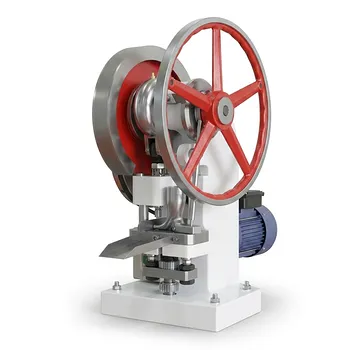
5 Ton Single Punch Tablet Press Laboratory Small Batch Production
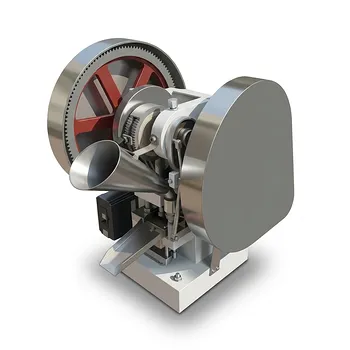
6 Ton Variable Frequency Single Punch Tablet Press
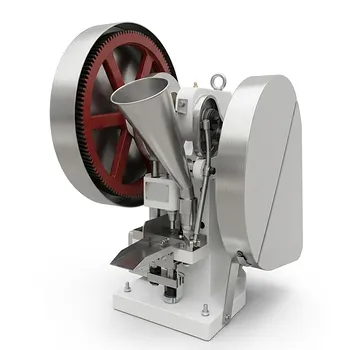
6-Ton Small Single-Punch Tablet Press — Laboratory Powder & Granule Tableting Equipment / Tablet Forming Machine
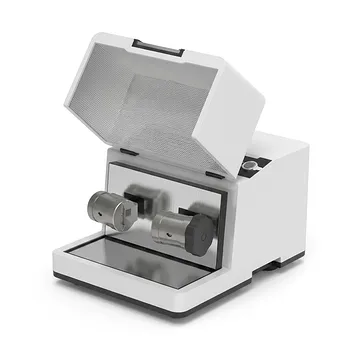
Heating Temperature Controlled High Energy Vibratory Ball Mill
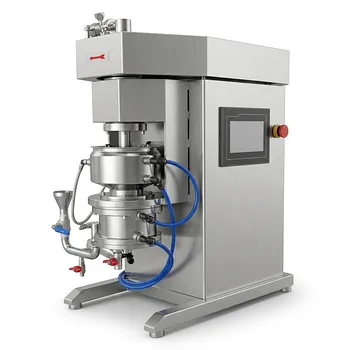
Small Ceramic Structure Laboratory Sand Mill Nanoscale Grinding Dispersion Equipment Seal-less Screen-less Design
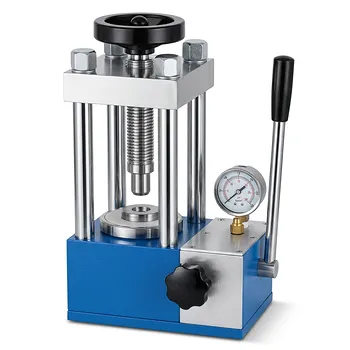
Manual Tablet Press with Dual Scale Pressure Gauge for Pharmaceutical Food Chemical Laboratory Sample Preparation
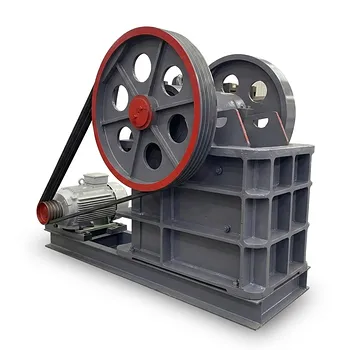
250x400mm Jaw Crusher Medium Crushing Equipment for Mining Mineral Sample Preparation
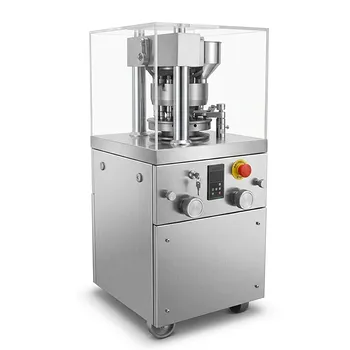
Ordinary Type Rotary Tablet Press for Pharmaceutical Chemical Food Electronic Industries
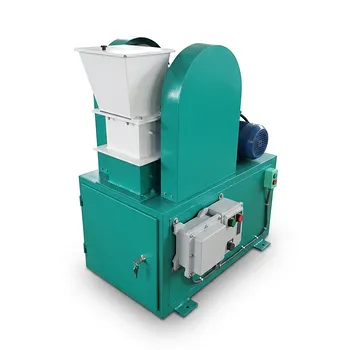
Custom Explosion-Proof Sealed Jaw Crusher for Laboratory and Industrial Sample Preparation
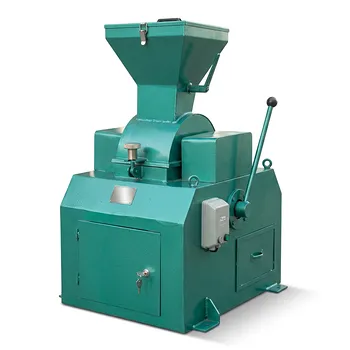
Laboratory Sealed Hammer Blade Crusher Divider for High Hardness Sample Preparation
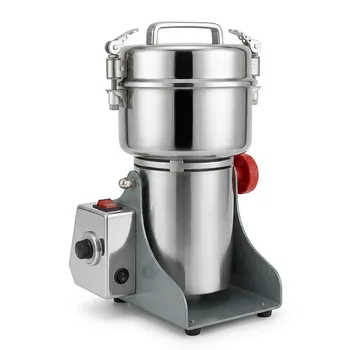
Versatile Industrial Crusher for Laboratory Crushing and Material Processing
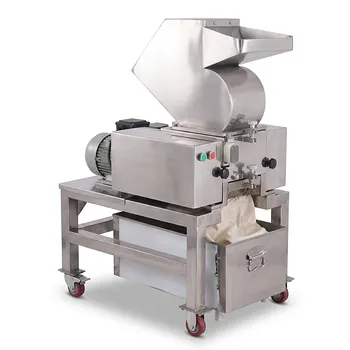
Stainless Steel Coarse Crusher for Pharmaceutical Food and Plastic Material Processing
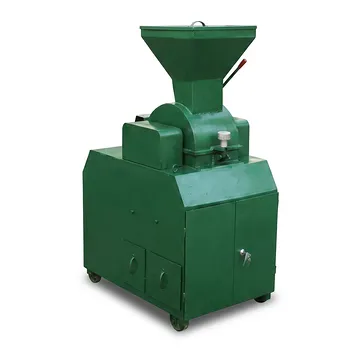
Industrial Sealed Hammer Knife Crusher for Mining Ore and Coal Sample Preparation
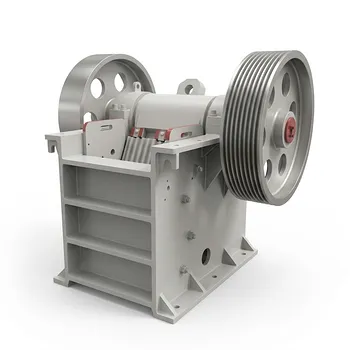
Jaw Crusher with 400x600mm Feed Opening for Primary Rock Crushing in Mining and Construction
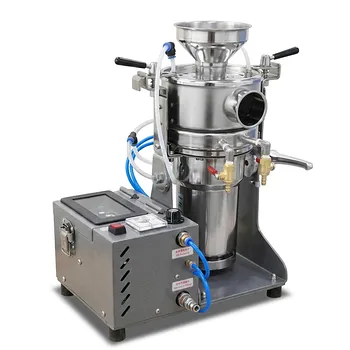
Water Cooled Pulse Jet Ultrafine Grinder
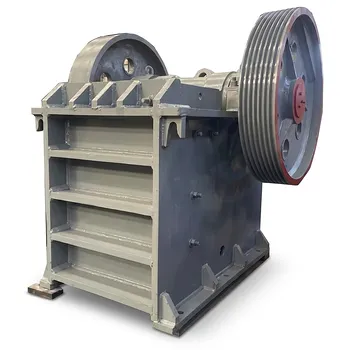
Heavy-Duty Jaw Crusher for Medium-Hard Ore and Industrial Mineral Crushing
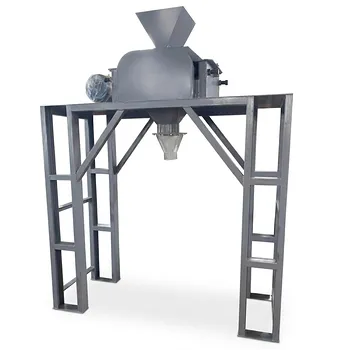
Heightened Customized Laboratory Double Roll Crusher for Coal Ore Rock Crushing
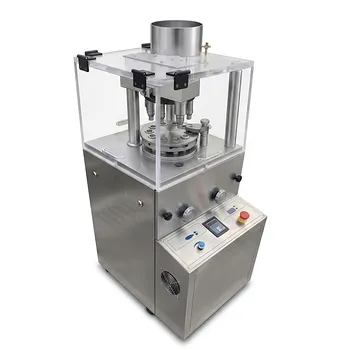
Enhanced 9 Punch Rotary Tablet Press for Powder Compaction