What are the technical advantages of using a vacuum hot press furnace for Si3N4/BN ceramics? Achieve 99%+ Density
Updated 4 months ago
The technical advantages of a vacuum hot press furnace reside in the simultaneous application of high temperatures and axial pressure within a controlled atmosphere. This synergy facilitates the $\alpha$-to-$\beta$ phase transformation of Silicon Nitride and accelerates the liquid phase of sintering additives to fill pores efficiently. By providing a driving force beyond simple capillary action, this equipment achieves high relative density (up to 98.3% or higher) at lower temperatures than conventional methods, while effectively inhibiting the excessive coarsening of grains.
The vacuum hot press furnace serves as a critical tool for overcoming the high sintering resistance of covalent ceramics like Si3N4/BN. By coupling mechanical pressure with thermal energy, it enables the production of nearly fully dense materials with tailored microstructures and superior mechanical properties.
Enhanced Densification Mechanisms
Overcoming Covalent Bond Resistance
Silicon Nitride and Boron Nitride possess strong covalent bonds, which make them inherently difficult to densify using heat alone. The vacuum hot press applies uniaxial pressure (e.g., 20 MPa) that provides the necessary mechanical driving force to overcome this resistance.
Particle Rearrangement and Diffusion
The application of external pressure during the high-temperature stage (approximately 1800°C) significantly accelerates particle rearrangement and grain boundary diffusion. This process allows the material to achieve high relative densities exceeding 99% by forcing powder particles into a more compact configuration.
Enhanced Viscous Flow and Creep
Simultaneous thermal and pressure fields promote internal creep deformation and viscous flow. These mechanisms are essential for eliminating large-scale pore defects and ensuring the final ceramic part has a lower porosity and higher fracture toughness.
Microstructural and Phase Control
Promoting Phase Transformation
The vacuum hot press facilitates the critical $\alpha$-to-$\beta$ phase transformation in Silicon Nitride. This transformation is vital for developing the interlocking grain structure that gives the ceramic its characteristic mechanical strength and thermal shock resistance.
Inhibiting Grain Coarsening
By achieving full densification at lower temperatures and within shorter timeframes, the process inhibits the excessive coarsening of grains. This results in a finer microstructure, which is directly linked to higher microhardness and better flexural strength in the finished component.
Alignment of Boron Nitride Nanosheets
The uniaxial nature of the applied pressure can be used to align Boron Nitride nanosheets within the matrix. This structural alignment maximizes the toughening effects of the BN phase, improving the overall durability of the composite material.
Chemical Purity and Atmospheric Control
Prevention of Oxidation
Non-oxide ceramics like Si3N4 are highly susceptible to oxidation at high temperatures. The vacuum hot press provides a high-vacuum or high-purity nitrogen environment that isolates the material from oxygen, ensuring the chemical purity of the final product.
Elimination of Gas Interference
Operating in a vacuum environment eliminates gas interference that could otherwise lead to trapped gas pockets or secondary reactions. This contributes to the production of aerospace-grade ceramic components with extremely high structural integrity and consistent performance.
Understanding the Trade-offs
Geometry and Scalability Limitations
Because the furnace relies on uniaxial (one-directional) pressure, it is primarily suited for relatively simple shapes like discs, plates, or cylinders. Complex, near-net-shape geometries are difficult to achieve because the pressure is not distributed isostatically.
High Operational Costs
The equipment and energy requirements for maintaining simultaneous high vacuum, high temperature, and mechanical load are substantial. This makes the process more expensive per unit than pressureless sintering, typically reserving it for high-performance or mission-critical applications.
Making the Right Choice for Your Project
The decision to utilize a vacuum hot press depends on your specific material requirements and the intended application of the ceramic component.
- If your primary focus is maximum density and strength: Utilize the vacuum hot press to reach relative densities above 99% and ensure the complete $\alpha$-to-$\beta$ phase transformation.
- If your primary focus is microstructural refinement: Leverage the lower sintering temperatures enabled by axial pressure to prevent grain coarsening and maintain a fine-grained matrix.
- If your primary focus is chemical purity in non-oxides: Use the vacuum or nitrogen protective atmosphere to prevent oxidation and ensure the integrity of the Si3N4/BN chemical bonds.
By precisely controlling the coupling of heat and pressure, the vacuum hot press furnace remains the definitive standard for producing high-performance Silicon Nitride/Boron Nitride ceramics.
Summary Table:
| Feature | Technical Advantage | Impact on Si3N4/BN Ceramics |
|---|---|---|
| Uniaxial Pressure | Mechanical driving force | Achieves 99%+ relative density at lower temperatures |
| Vacuum/N2 Atmosphere | Oxygen-free environment | Prevents oxidation and ensures high chemical purity |
| Simultaneous Heat/Load | Accelerated particle rearrangement | Inhibits grain coarsening for a finer microstructure |
| Phase Control | Promotes $\alpha$-to-$\beta$ transformation | Enhances mechanical strength and thermal shock resistance |
| BN Nanosheet Alignment | Structural orientation | Maximizes toughening effects within the ceramic matrix |
Elevate Your Material Research with Precision Compaction Solutions
Achieving full densification in advanced ceramics like Silicon Nitride requires the perfect synergy of pressure, temperature, and atmospheric control. At our facility, we provide complete laboratory sample preparation solutions for material science, specializing in high-performance powder processing and compaction equipment.
Our extensive product lines are designed to support every stage of your workflow:
- Advanced Pressing: A full spectrum of hydraulic presses, including Vacuum Hot Presses, Hot Presses, Cold/Warm Isostatic Presses (CIP/WIP), and XRF pellet presses.
- Powder Processing: Crushers (jaw/roll), liquid nitrogen cryogenic grinders, and various mills (planetary ball, jet, sand/bead, disc, rotor).
- Preparation & Analysis: Sieve shakers (vibratory/air-jet), powder mixers, and defoaming mixers.
Whether you are refining microstructures or scaling up production for aerospace-grade components, our technical team is ready to assist you. Contact us today to optimize your densification process!
References
- Qingqing Chen, Guobing Ying. Thermal Shock Behavior of Si3N4/BN Fibrous Monolithic Ceramics. DOI: 10.3390/ma16196377
Mentioned Products
- Industrial Vacuum Kneader for High-Viscosity Silicone, Rubber, and Compound Mixing
- Dual Cup Vacuum Centrifugal Mixer Planetary Paste Defoaming Machine Industrial Material Processor
- Industrial Planetary Centrifugal Vacuum Defoaming Mixer for High Viscosity Paste and Powder Homogenization
- High Speed Vacuum Planetary Centrifugal Mixer and Defoamer for Industrial Paste Processing
- Heating Temperature Controlled High Energy Vibratory Ball Mill
People Also Ask
- Why is a vacuum hot press sintering furnace necessary for producing silicon-based advanced materials? Achieve High-Purity
- What is the role of a vacuum hot press sintering furnace in CBST target prep? Achieve high-density & pure alloy targets.
- What are the core processing advantages of vacuum hot pressing for magnesium alloy composites? Maximize Material Purity.
- What are the advantages of using a vacuum hot press furnace? Superior Density and Strength for SiCp/Al Composites
- What is the primary function of a vacuum hot press furnace in B4C-SiC-TiC-TiB2 synthesis? Maximize Density & Purity

Tech Team · PowderPreparation
Last updated on Jun 03, 2026
Related Products
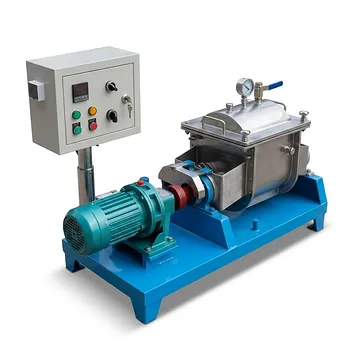
Industrial Vacuum Kneader for High-Viscosity Silicone, Rubber, and Compound Mixing
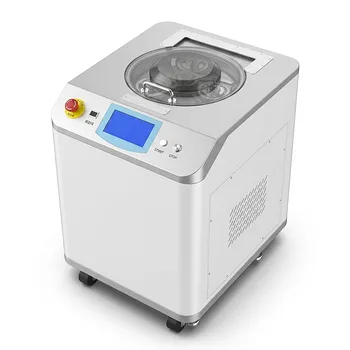
Dual Cup Vacuum Centrifugal Mixer Planetary Paste Defoaming Machine Industrial Material Processor
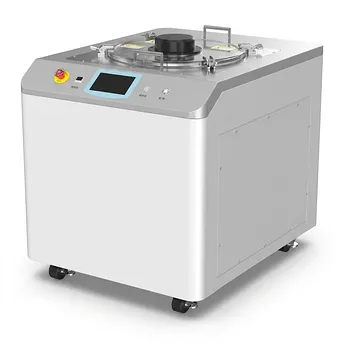
Industrial Planetary Centrifugal Vacuum Defoaming Mixer for High Viscosity Paste and Powder Homogenization
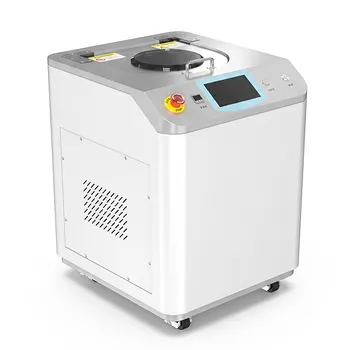
High Speed Vacuum Planetary Centrifugal Mixer and Defoamer for Industrial Paste Processing
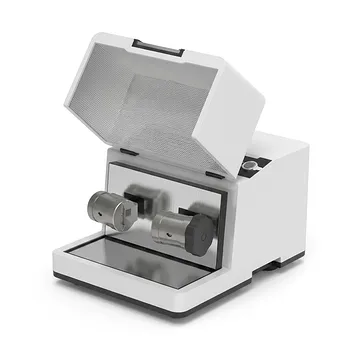
Heating Temperature Controlled High Energy Vibratory Ball Mill
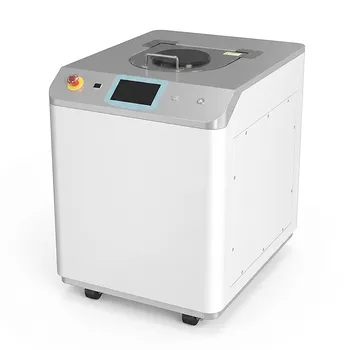
Industrial Planetary Centrifugal Vacuum Defoaming Mixer for High Viscosity Paste and Advanced Material Science
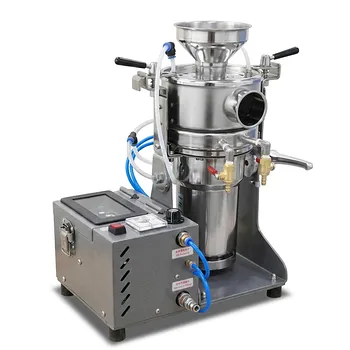
Water Cooled Pulse Jet Ultrafine Grinder
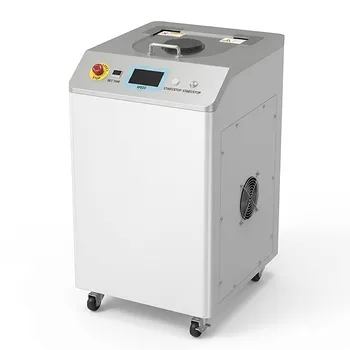
High Viscosity Planetary Centrifugal Vacuum Mixer for Material Defoaming and Uniform Mixing
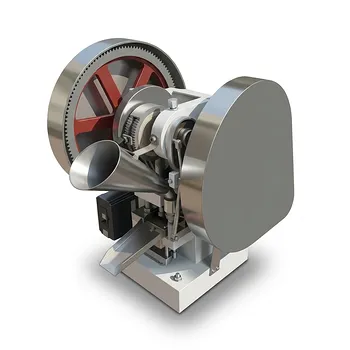
6 Ton Variable Frequency Single Punch Tablet Press
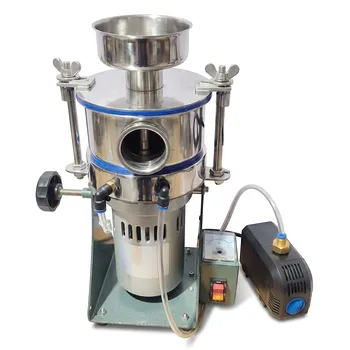
Water Cooled Airflow Ultra Fine Grinder for Low Temperature Material Processing
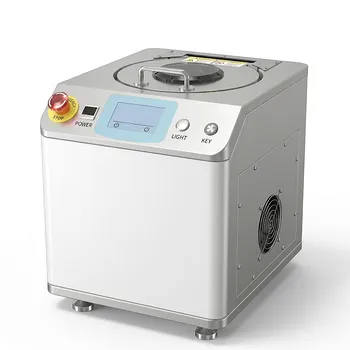
High Efficiency Vacuum Planetary Centrifugal Mixer and Defoaming Machine for Industrial Material Research and Precise Laboratory Powder Dispersion
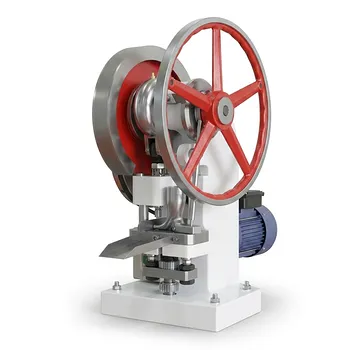
5 Ton Single Punch Tablet Press Laboratory Small Batch Production
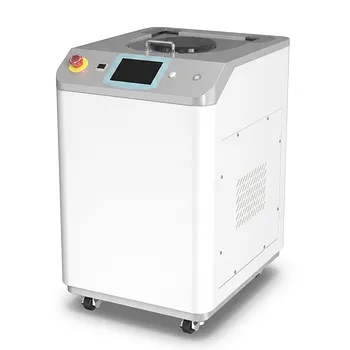
High Viscosity Planetary Centrifugal Mixing and Vacuum Defoaming Machine for Laboratory Material Preparation
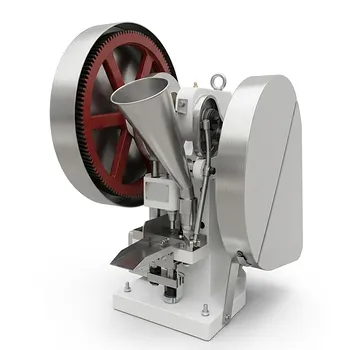
6-Ton Small Single-Punch Tablet Press — Laboratory Powder & Granule Tableting Equipment / Tablet Forming Machine
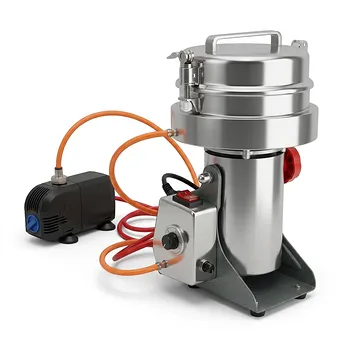
Water Cooled High Speed Grinder with Cryogenic Option for Laboratory Sample Preparation
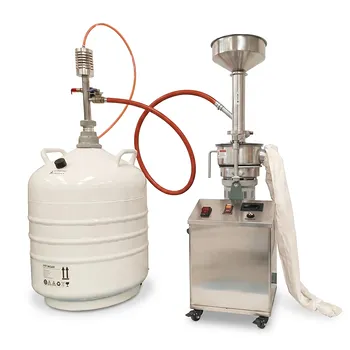
Laboratory Liquid Nitrogen Cryogenic Grinder Polymer Sample Preparation Pulverizer
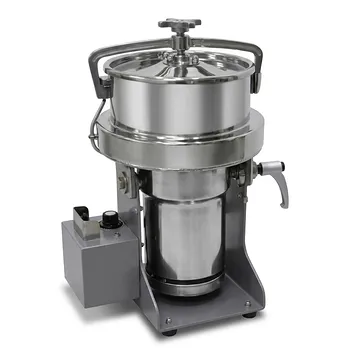
500g Capacity Water Cooled Low Temperature Grinder with Variable Speed and Safety Cover
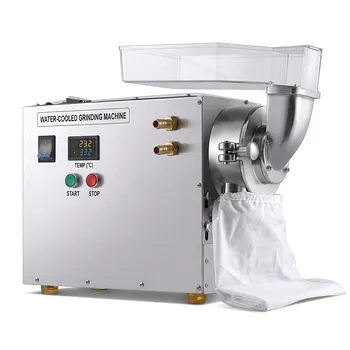
Water Cooled Graduated Continuous Feed Pulverizer for Industrial Powder Processing and Laboratory Material Preparation
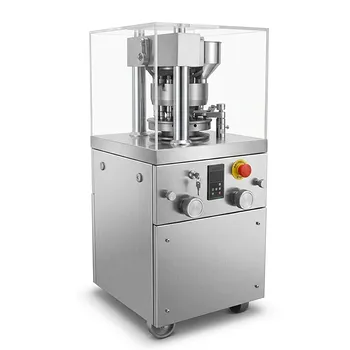
Ordinary Type Rotary Tablet Press for Pharmaceutical Chemical Food Electronic Industries