What are the technical considerations for using stainless steel grinding balls and jars in aluminum flake modification?
Updated 4 months ago
To achieve effective aluminum flake modification, stainless steel media is utilized primarily for its ability to deliver high kinetic energy while maintaining high material purity. High-strength stainless steel grinding balls and jars provide the necessary collision energy to overcome the significant plastic deformation resistance of metallic aluminum. This specific material choice ensures that the flakes are refined and modified without the introduction of wear-related impurities that would otherwise degrade the electrical and chemical performance of the final filler.
Core Takeaway: Stainless steel is the preferred media for aluminum flake modification because its high density and hardness facilitate the high-energy impacts required to reshape ductile aluminum, while its superior wear resistance protects the powder's purity during long-duration milling.
Mechanical Energy and Particle Transformation
Overcoming Plastic Deformation
Aluminum is a highly ductile metal that resists fragmentation and structural change through plastic deformation. Stainless steel balls possess the high mass and density required to generate the mechanical force necessary to flatten, work-harden, and ultimately modify the morphology of these metallic particles.
Kinetic Energy at High Rotational Speeds
The use of stainless steel jars allows for high-speed operation, often reaching 600 to 800 rpm. At these velocities, the high hardness of the stainless steel spheres ensures that kinetic energy is efficiently transferred to the aluminum powder, inducing the desired mechanochemical reactions and structural refinements.
Balancing Impact and Surface Area
Technical precision often requires a combination of large and small diameter balls (e.g., 12mm and 5mm). Larger balls provide the raw impact force to break or flatten larger particles, while smaller balls increase the total contact frequency, ensuring a more uniform modification across the entire batch of aluminum flakes.
Maintaining Chemical and Functional Purity
Minimizing Media Wear
Aluminum flake modification often requires long-duration milling, sometimes lasting up to 72 hours. High-strength stainless steel is selected for its superior wear resistance, which prevents the shedding of media debris into the aluminum matrix during these extended processing windows.
Preserving Electrical Performance
The utility of modified aluminum flakes often depends on their intended electrical performance as conductive fillers. By utilizing chemically stable stainless steel media, manufacturers prevent the introduction of foreign metallic impurities that could interfere with the flake's conductivity or precise chemical composition.
Stability in Varied Environments
Stainless steel provides structural stability across a wide range of temperatures, including cryogenic environments using liquid nitrogen. This allows for "cryomilling," which can make the ductile aluminum more brittle and easier to modify without damaging the grinding hardware.
Optimization of the Milling Process
The Ball-to-Powder Weight Ratio
A critical technical parameter is the ball-to-powder weight ratio, with a common benchmark being 7:1. This ratio ensures there is sufficient media volume to provide repeated impacts, preventing the aluminum from simply coating the jar walls without undergoing modification.
Mechanical Alloying and Cold Welding
During high-energy milling, aluminum particles undergo repeated fracturing and cold welding. Stainless steel’s hardness is essential to keep the powder in a state of constant motion and impact, which is necessary for integrating additives like stearic acid or other modifying agents into the aluminum surface.
Understanding the Trade-offs and Risks
The Risk of Cold Welding to Media
Because aluminum is soft, it has a high affinity for "smearing" onto the harder stainless steel surfaces. If not properly managed with process control agents (PCAs), a significant portion of the aluminum can cold-weld to the balls and jar, reducing yield and altering the impact dynamics.
Thermal Accumulation
The high energy levels required for aluminum modification generate significant heat. While stainless steel is durable, excessive heat can lead to the unwanted oxidation of the aluminum flakes or cause the powder to agglomerate into larger, unusable chunks rather than fine flakes.
Strategic Implementation for Aluminum Modification
How to Apply This to Your Project
To achieve the best results when using stainless steel media for aluminum flake modification, consider your specific performance requirements:
- If your primary focus is maximum electrical conductivity: Prioritize high-grade, wear-resistant stainless steel (such as 304 or 316) to ensure zero metallic contamination during the modification process.
- If your primary focus is rapid particle size reduction: Utilize a higher ball-to-powder ratio and a mixture of ball sizes to maximize both impact energy and grinding frequency.
- If your primary focus is morphological uniformity: Maintain moderate rotational speeds (approx. 600 rpm) over a longer duration to allow for steady, controlled plastic deformation of the flakes.
The selection of stainless steel media is the technical foundation that enables the transformation of raw aluminum into high-performance modified flakes by balancing raw mechanical power with rigorous purity standards.
Summary Table:
| Technical Parameter | Typical Specification | Key Benefit/Role |
|---|---|---|
| Media Material | High-strength Stainless Steel | High density for energy transfer & purity maintenance |
| Rotational Speed | 600 - 800 RPM | Efficiently overcomes plastic deformation |
| Ball-to-Powder Ratio | 7:1 (Benchmark) | Ensures sufficient impact frequency for modification |
| Ball Size Strategy | Mixed (e.g., 5mm & 12mm) | Balances raw impact force with contact surface area |
| Milling Duration | Up to 72 Hours | Enables complete morphological transformation |
| Atmosphere/Temp | Room Temp or Cryogenic | Prevents oxidation and manages material ductility |
Elevate Your Material Research with Precision Sample Prep
Achieving the perfect aluminum flake morphology requires more than just the right media—it demands high-performance equipment. At [Company Name], we provide complete laboratory sample preparation solutions tailored for material science. From the high-energy impacts of our Planetary Ball Mills and Cryogenic Grinders to the precision of our Sieve Shakers and Powder Mixers, we ensure your materials reach their peak potential.
Whether you are refining powders for conductive fillers or exploring advanced mechanical alloying, our extensive line of equipment—including Jaw Crushers, Jet Mills, and a full spectrum of Hydraulic Presses (CIP/WIP)—is designed to deliver consistency and purity.
Ready to optimize your powder processing workflow?
Contact our technical experts today to find the ideal solution for your lab!
References
- Ilkan Calisir, Yi Huang. Designing a filler material to reduce dielectric loss in epoxy-based substrates for high-frequency applications. DOI: 10.1039/d4ra07419j
Mentioned Products
- Vertical Semi Circular Planetary Ball Mill for Laboratory Precision Grinding
- High Energy Planetary Ball Mill for Nano Scale Grinding and Mechanical Alloying
- Heavy Duty Horizontal Planetary Ball Mill for Efficient Industrial Grinding and Sample Preparation
- Vertical Production Planetary Ball Mill for High Throughput Powder Processing
- 360° Rotating Omnidirectional Laboratory Planetary Ball Mill for Homogeneous Ultra-Fine Grinding and Mixing
People Also Ask
- What role does a planetary ball mill play in the synthesis of Li6PS5Cl (LPSCl)? Unlock High Ionic Conductivity
- Why is a planetary ball mill essential for SiBCN-rGO wet-spinning? Achieve Superior Dispersion and Spinnability
- Why is an intermittent grinding process required for perovskites in a planetary ball mill? Ensure Stability & Purity
- Why is a planetary ball mill required for PET micronization? Ensure Accurate Chemical Analysis of Reprocessed PET
- How does mechanized planetary ball milling compare to manual agate grinding? Optimize sulfide standard material precision.

Tech Team · PowderPreparation
Last updated on Jun 03, 2026
Related Products
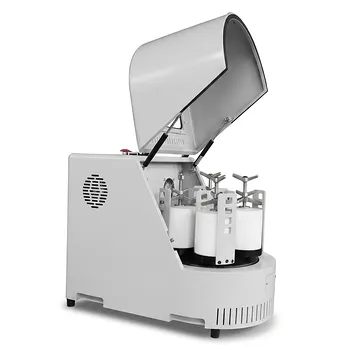
Vertical Semi Circular Planetary Ball Mill for Laboratory Precision Grinding
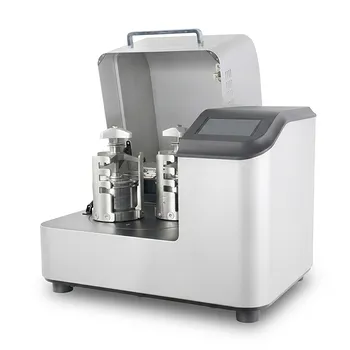
High Energy Planetary Ball Mill for Nano Scale Grinding and Mechanical Alloying
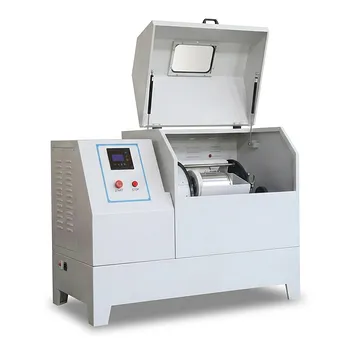
Heavy Duty Horizontal Planetary Ball Mill for Efficient Industrial Grinding and Sample Preparation

Vertical Production Planetary Ball Mill for High Throughput Powder Processing
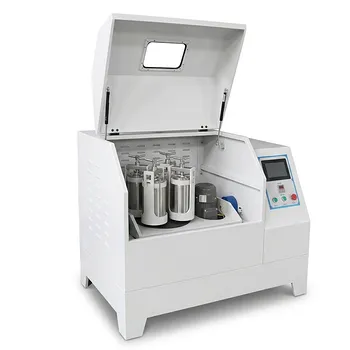
360° Rotating Omnidirectional Laboratory Planetary Ball Mill for Homogeneous Ultra-Fine Grinding and Mixing
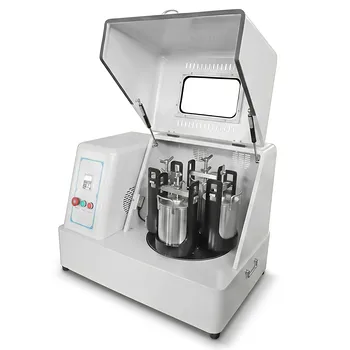
Vertical Square Planetary Ball Mill for Laboratory Sample Preparation and Nanoscale Grinding
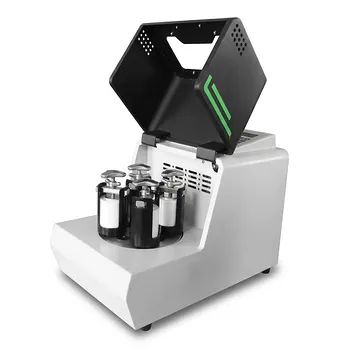
Miniature Planetary Ball Mill with Vacuum Grinding and High Efficiency for Laboratory Sample Preparation

High Energy Omnidirectional Planetary Ball Mill 16L
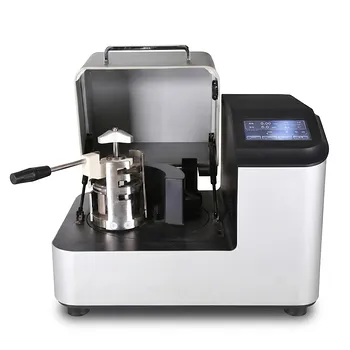
High Energy Laboratory Planetary Ball Mill for Nano Grinding and Material Science Sample Preparation
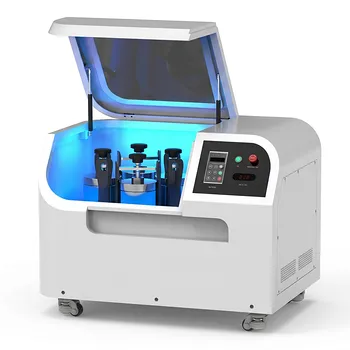
Planetary Ball Mill 12L
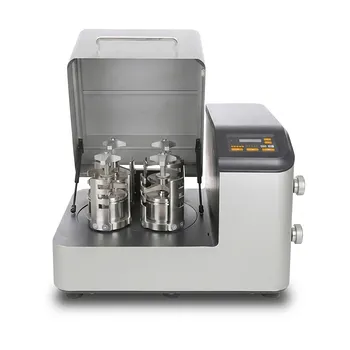
High Energy Planetary Ball Mill for Nano Scale Grinding and Colloidal Mixing in Material Science Research
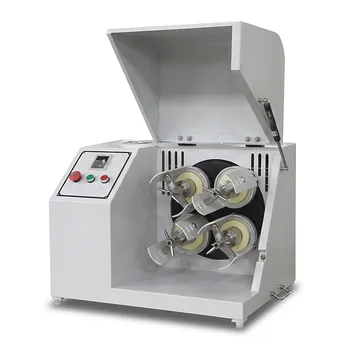
Horizontal Light Duty Planetary Ball Mill for Laboratory Sample Preparation
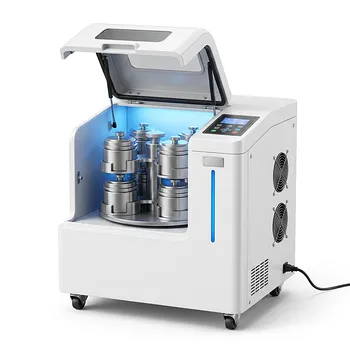
High Energy Omnidirectional Planetary Ball Mill 20L
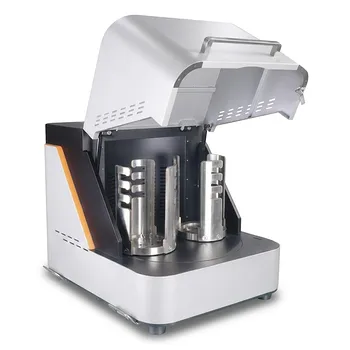
High Energy Laboratory Planetary Ball Mill for Nano Grinding and Colloidal Mixing of Hard and Brittle Materials
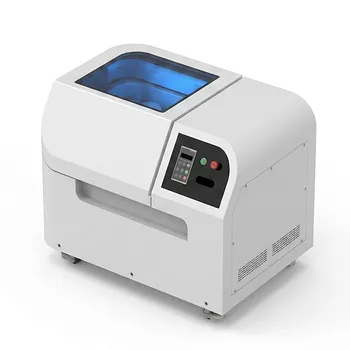
8L Planetary Ball Mill for Laboratory Grinding and Sample Preparation
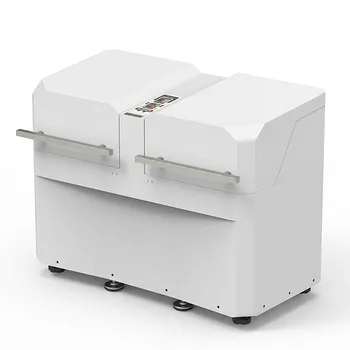
Dual Station Planetary Ball Mill 24L
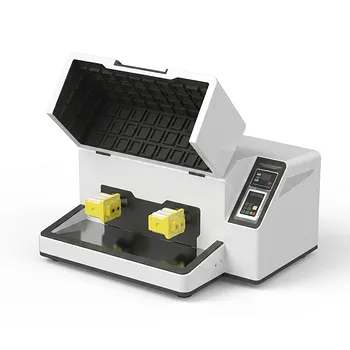
Multi-Platform Nanoscale High-Energy Vibratory Ball Mill

Nano High Energy Vibratory Ball Mill for Laboratory Sample Preparation
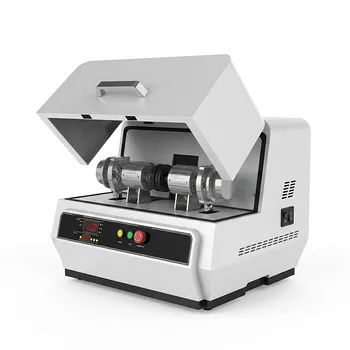
Dual Jar High Energy Vibratory Ball Mill