What are the primary advantages of using a microwave sintering furnace? Save Energy & Protect Diamond Quality
Updated 4 months ago
The shift toward microwave sintering is driven by its unique ability to heat materials from the inside out. Microwave sintering furnaces provide significantly faster heating rates (approximately 67 °C/min), reduce energy consumption by roughly six times, and operate at temperatures 90–170 °C lower than traditional hot pressing. Most importantly for tool manufacturers, this process effectively inhibits the graphitization of diamonds, preserving the structural integrity of the cutting segments.
While traditional hot pressing relies on external heat and mechanical force, microwave sintering uses electromagnetic radiation to achieve rapid, volumetric heating. This results in a faster, more energy-efficient process that protects the delicate diamond crystals from thermal damage.
The Mechanics of Volumetric Heating
Internal vs. External Heat Transfer
In traditional hot pressing, heat is transferred from an external source to the surface of the material, creating thermal gradients. Microwave sintering utilizes electromagnetic radiation to induce internal volumetric heating, meaning the part heats uniformly and simultaneously throughout its entire mass.
Rapid Thermal Cycles
Because the heating is volumetric, the furnace can achieve a heating rate of approximately 67 °C/min. This leads to significantly shorter cycle times compared to the slow conduction-based heating found in hot pressing equipment.
Lower Processing Temperatures
Microwave technology allows for full densification at temperatures 90–170 °C lower than conventional methods. This reduction in thermal stress is vital for maintaining the properties of the binder and the embedded diamonds.
Protecting Diamond and Matrix Integrity
Inhibiting Diamond Graphitization
The primary risk in diamond tool manufacturing is the conversion of diamond to graphite at high temperatures. The combination of lower sintering temperatures and shorter exposure times in a microwave furnace effectively prevents this graphitization, ensuring the tool maintains its hardness and cutting efficiency.
Controlling Grain Growth
Maintaining a fine-grained microstructure is essential for high-strength tool segments. Microwave sintering effectively inhibits grain growth, resulting in a more robust matrix that can better support the diamond grit during demanding cutting tasks.
Uniform Microstructure
The rapid and uniform heating profile ensures that the bond between the diamond and the metal matrix is consistent throughout the segment. This eliminates the "soft spots" or uneven density that can occur when external heat fails to penetrate the core of a large segment evenly.
Economic and Operational Advantages
Drastic Energy Savings
One of the most compelling business cases for microwave sintering is its efficiency. It can lower energy consumption by approximately six times compared to traditional hot pressing, directly reducing operational overhead.
Improved Equipment Throughput
The combination of rapid heating and shorter cooling cycles means a single microwave furnace can often process more batches per shift than a traditional hot press. This increases manufacturing throughput without requiring a larger physical footprint.
Understanding the Trade-offs
Mechanical Pressure Limitations
Traditional hot pressing provides axial pressure (often around 25 MPa) which forces powder particles to undergo plastic flow. This mechanical assistance is excellent for achieving near-zero porosity in materials that are difficult to densify through heat alone.
Material Anisotropy
Hot pressing is superior for creating textured ceramics where grains must be aligned in a specific direction. Microwave sintering is generally an isotropic process, meaning it does not offer the same level of control over directional grain alignment as pressure-assisted methods.
Initial Technical Setup
Switching to microwave sintering requires precise control over the material's dielectric properties. Not all metal powders couple with microwave energy in the same way, which may require more upfront process development compared to the straightforward mechanical force of a hot press.
Making the Right Choice for Your Goal
How to Apply This to Your Project
Choosing between these two technologies depends on your specific production priorities and the material composition of your tool segments.
- If your primary focus is Diamond Integrity: Use microwave sintering to take advantage of lower temperatures and shorter cycles that prevent graphitization.
- If your primary focus is Operational Cost: Transition to microwave sintering to reduce energy consumption by up to 80% and increase throughput via faster heating rates.
- If your primary focus is Maximum Density in Refractories: Stick with hot pressing, as the simultaneous application of axial pressure and heat is better for eliminating internal pores in highly resistant materials.
- If your primary focus is Textured Microstructures: Choose hot pressing to utilize mechanical force for the directional alignment of anisotropic grains.
By leveraging the volumetric heating of microwave technology, manufacturers can produce higher-quality diamond tools with a significantly smaller environmental and financial footprint.
Summary Table:
| Feature | Microwave Sintering | Traditional Hot Pressing |
|---|---|---|
| Heating Mechanism | Volumetric (Internal) | Conduction (External) |
| Heating Rate | ~67 °C/min | Significantly Slower |
| Sintering Temp. | 90–170 °C Lower | Higher Operating Temp. |
| Energy Use | ~6x Lower Consumption | High Energy Demand |
| Diamond Integrity | Inhibits Graphitization | Risk of Thermal Damage |
| Microstructure | Uniform & Fine-Grained | Risk of Thermal Gradients |
Elevate Your Material Processing with Precision Engineering
Are you looking to reduce energy overhead while improving the structural integrity of your diamond tools? At [Your Brand Name], we provide complete laboratory sample preparation solutions for material science, specializing in advanced powder processing and compaction equipment.
Whether you need to protect delicate diamond crystals or achieve maximum material density, our extensive product line has you covered:
- Advanced Milling: Planetary ball mills, jet mills, and cryogenic grinders for ultra-fine powders.
- Precision Sizing: Sieve shakers and air-jet sieves to ensure uniform particle distribution.
- Superior Compaction: A full spectrum of hydraulic presses, including Cold/Warm Isostatic Presses (CIP/WIP), vacuum hot presses, and XRF pellet presses.
- Sample Preparation: Heavy-duty jaw/roll crushers and high-efficiency powder mixers.
Maximize your lab's throughput and precision today. Contact our technical specialists for a customized solution!
References
- Fernando A. Costa Oliveira, Jorge Cruz Fernandes. Manufacturing of Diamond Tool Segments via Microwave–Hybrid Sintering. DOI: 10.3390/jmmp9110370
Mentioned Products
- Heating Temperature Controlled High Energy Vibratory Ball Mill
- Water Cooled Pulse Jet Ultrafine Grinder
- Small Swing Granulator Efficient Powder Granulation for Pharmaceutical Chemical Food Industries
- Industrial Swing Granulator for Powder Processing in Pharma Food and Chemical Industries
- Continuous Feeding Grinder High Efficiency Pulverizer for Lab Sample Preparation
People Also Ask
- How does a high-energy vibratory ball mill improve the performance of MgH2? Optimize Hydrogen Storage Kinetics
- What is the primary purpose of using a vibratory ball mill in the preparation of respirable carbon fiber fragments?
- What is the purpose of using a vibratory ball mill for Al-Ni-Fe alloy ribbons? Achieve High Catalytic Activity
- Why is a vibratory ball mill preferred over a planetary ball mill for rapid powder particle refinement? High-Speed Impact
- What is the purpose of adding alcohol as a PCA during titanium ball milling? Prevent Cold Welding & Enhance Refinement

Tech Team · PowderPreparation
Last updated on Jun 03, 2026
Related Products
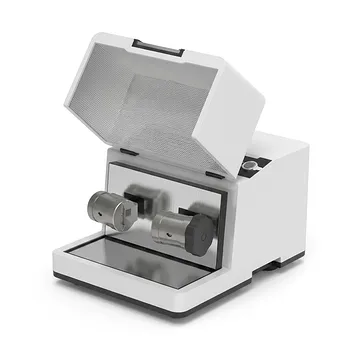
Heating Temperature Controlled High Energy Vibratory Ball Mill
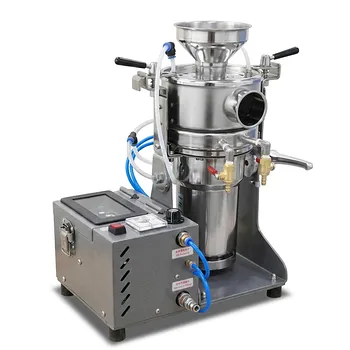
Water Cooled Pulse Jet Ultrafine Grinder
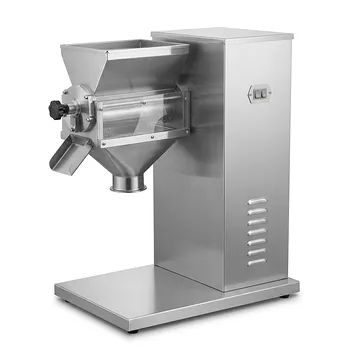
Small Swing Granulator Efficient Powder Granulation for Pharmaceutical Chemical Food Industries
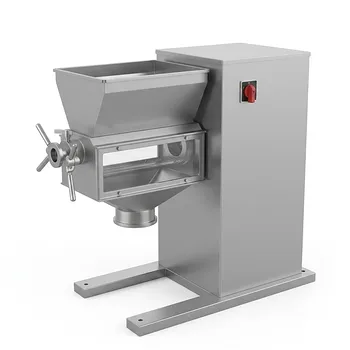
Industrial Swing Granulator for Powder Processing in Pharma Food and Chemical Industries
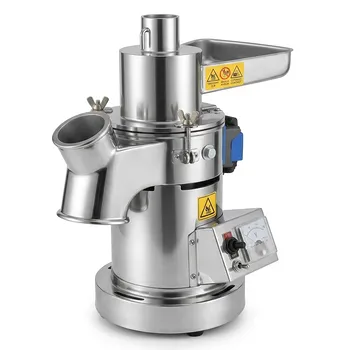
Continuous Feeding Grinder High Efficiency Pulverizer for Lab Sample Preparation
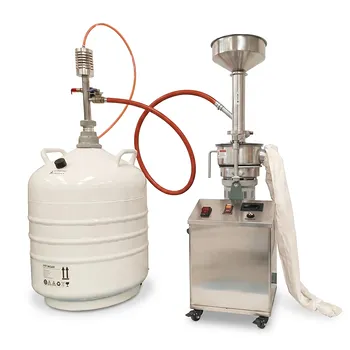
Laboratory Liquid Nitrogen Cryogenic Grinder Polymer Sample Preparation Pulverizer
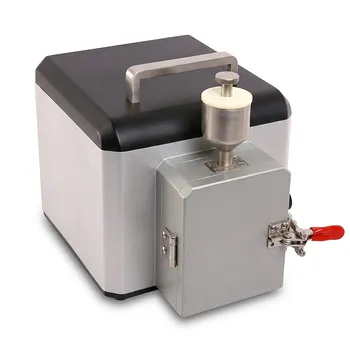
Portable Cutting Mill for Laboratory Sample Preparation and RoHS WEEE Compliance Testing
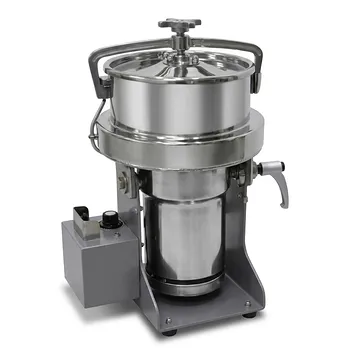
500g Capacity Water Cooled Low Temperature Grinder with Variable Speed and Safety Cover
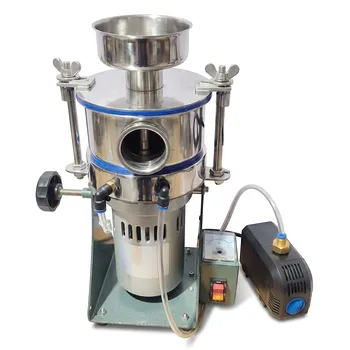
Water Cooled Airflow Ultra Fine Grinder for Low Temperature Material Processing
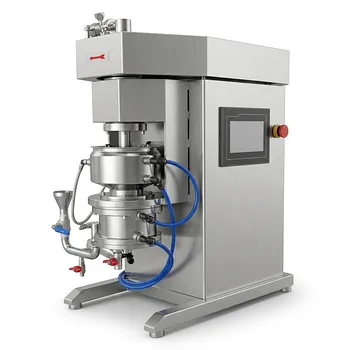
Small Ceramic Structure Laboratory Sand Mill Nanoscale Grinding Dispersion Equipment Seal-less Screen-less Design
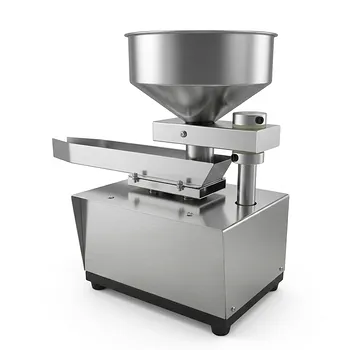
Automatic Vibrating Powder Feeder for Laboratory Material Processing Precision Vibratory Hopper Feeder for Granular and Powder Material Handling Industrial Grade Vibrating Tray Feeder for Consistent Material Sample Preparation
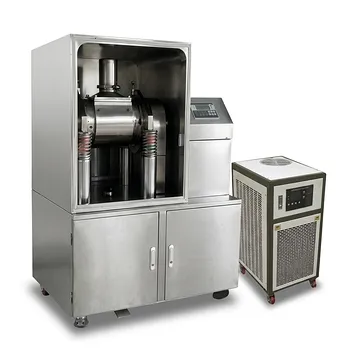
Small Vibrating Ultrafine Grinder for Traditional Chinese Medicine
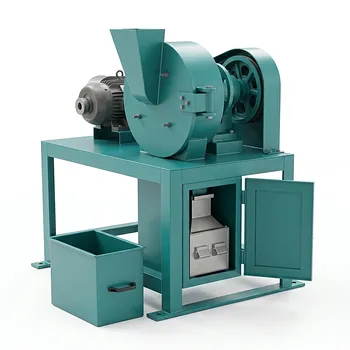
Sealed Disc Pulverizer Customized Model
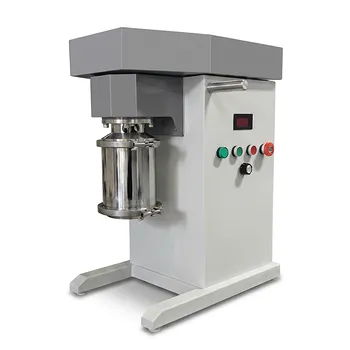
Nano Laboratory Bead Mill Desktop Sub Micron Sand Mill Screenless Seal Less Powder Grinder
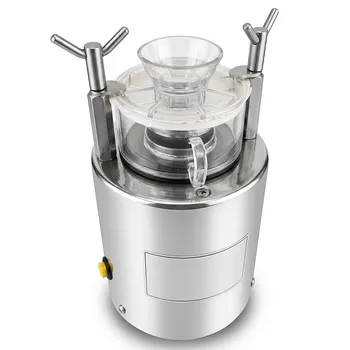
Laboratory Desktop Ultra Fine Powder Grinder High Speed Micronizing Pulverizer
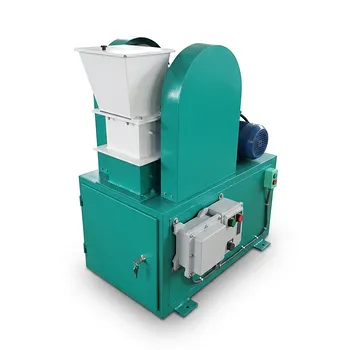
Custom Explosion-Proof Sealed Jaw Crusher for Laboratory and Industrial Sample Preparation
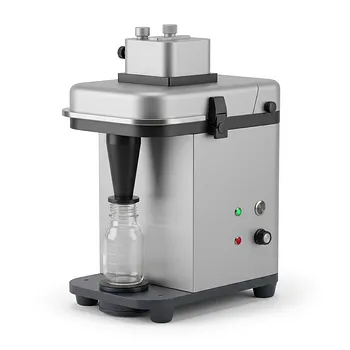
Cyclonic Laboratory Mill for NIR Spectroscopy Sample Preparation Food and Feed Grinding
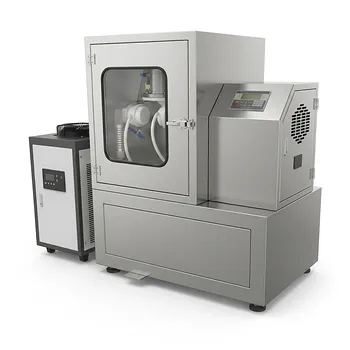
Vibratory Ultra-Low Temperature Ultrafine Grinder for Cryogenic Powder Processing
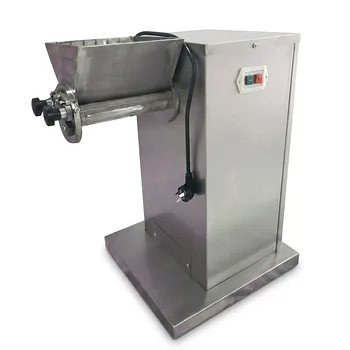
Small Laboratory Oscillating Granulator for Wet and Dry Granulation Processing