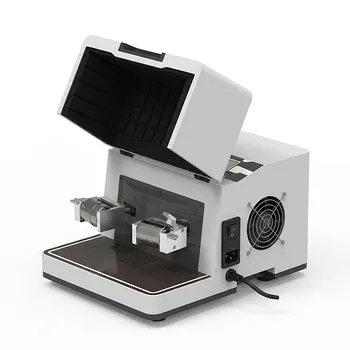
What are the advantages of automatic vibrating sieves vs. manual sieving? Maximize Filtration Efficiency
Updated 4 months ago
The core advantages of industrial-grade automatic vibrating sieve systems lie in their ability to deliver continuous, high-volume processing and unmatched particle size consistency. By replacing variable manual labor with standardized mechanical forces, these systems eliminate human error, significantly reduce labor costs, and ensure that construction materials like sand and gravel meet strict regulatory specifications.
Core Takeaway: Industrial-grade vibrating sieves transform aggregate filtration from a subjective, labor-intensive task into a precise, scalable, and highly repeatable mechanical process. This shift ensures material quality and operational efficiency that manual methods simply cannot replicate.
Maximizing Operational Efficiency and Throughput
Scaling Production for Large-Scale Projects
Industrial-grade systems utilize mechanized driving units that enable continuous, large-scale processing of sand and gravel. Unlike manual sieving, which is limited by physical stamina, automation allows for 24/7 operation to meet high-demand construction schedules.
Shortening Material Preparation Cycles
By automating the filtration process, facilities can significantly reduce the preparation cycle for construction materials such as concrete and pavement sub-base. This accelerated workflow minimizes bottlenecks in the supply chain and improves overall project timelines.
Reducing High-Intensity Labor Costs
Automated systems replace the need for high-intensity manual labor, which is often prone to fatigue and inconsistency. This transition lowers operational overhead and reallocates human resources to more complex technical or supervisory tasks.
Precision and Consistency in Particle Classification
Multi-Dimensional Particle Movement
Vibratory sieve shakers provide multi-dimensional mechanical movement, forcing particles to rotate and jump both vertically and horizontally. This thorough agitation ensures that fine particles are fully separated from larger aggregates, preventing them from being "trapped" in the upper layers.
Superior Uniformity and Impurity Removal
High-frequency, controlled mechanical forces effectively remove clumps and impurities from the raw material. This "forced classification" ensures a high degree of uniformity in material texture, which is critical for the structural integrity of the final product.
Eliminating Operator Bias and Human Error
Manual sieving is inherently subjective, as shaking energy and frequency vary between operators. Automatic systems use preset vibration frequencies and standardized durations to produce objective, highly reproducible grain size distribution data.
Economic and Regulatory Impact
Ensuring Compliance with Global Standards
Precision filtration is essential for determining if materials comply with ASTM or NEVI specifications. Automated sieving provides the reliable gradation curves required for pavement base and sub-base certifications.
Accuracy in Foundry and Industrial Calculations
For specialized applications, such as calculating the Grain Fineness Number (GFN) in foundry processes, automated sieving is mandatory. It provides the precise mass fraction data needed to determine specific foundry process parameters.
Understanding the Trade-offs
Initial Capital Investment
The primary disadvantage of industrial-grade systems is the upfront cost of the machinery and installation. While the long-term ROI is high due to labor savings, it requires a significant initial capital expenditure compared to manual tools.
Maintenance and Power Dependencies
Mechanical systems require regular maintenance of power units and vibration motors to ensure consistent performance. Additionally, the system’s reliance on a stable power supply may necessitate backup solutions in remote construction environments.
Potential for Screen Blinding
In environments with high moisture or clay content, screens may experience blinding or clogging. While automatic systems are more efficient, they may require specialized ultrasonic or tapping accessories to maintain throughput with sticky materials.
Making the Right Choice for Your Goal
When deciding between manual and automatic sieving, your choice should be dictated by your specific production requirements and quality standards.
- If your primary focus is high-volume production: Industrial-grade automatic sieves are essential for maintaining the continuous throughput required for large-scale construction and manufacturing.
- If your primary focus is regulatory compliance and data accuracy: Use a vibratory sieve shaker to ensure your gradation curves and grain size distributions meet ASTM and NEVI standards without human bias.
- If your primary focus is minimizing operational overhead: Automated systems offer the best path to reducing long-term labor costs and shortening material preparation cycles.
Transitioning to an automated vibrating sieve system is the most effective way to ensure your sand and gravel filtration process is both commercially scalable and technically precise.
Summary Table:
| Feature | Manual Sieving | Automatic Vibrating Sieve |
|---|---|---|
| Processing Volume | Low (Limited by stamina) | High (Continuous 24/7) |
| Consistency | Subjective & Variable | Standardized & Repeatable |
| Labor Intensity | High physical demand | Minimal (Supervisory role) |
| Compliance | High risk of human error | Meets ASTM/NEVI standards |
| Agitation Type | Simple manual shaking | Multi-dimensional movement |
Upgrade Your Material Science Workflow with Precision Equipment
Achieve unmatched particle consistency and operational scale with our professional-grade solutions. [Company Name] specializes in providing complete laboratory sample preparation solutions tailored for material science research and industrial production.
Our extensive product line is designed to handle every stage of your powder processing needs:
- Sieving & Filtration: High-precision vibratory and air-jet sieve shakers with specialized test sieves.
- Size Reduction: Advanced crushers (jaw/roll), liquid nitrogen cryogenic grinders, and a variety of mills (planetary ball, jet, and disc).
- Mixing & Compaction: High-performance powder mixers and a full spectrum of hydraulic presses, including Cold/Warm Isostatic Presses (CIP/WIP), vacuum hot presses, and XRF pellet presses.
Ready to eliminate human error and boost your lab's throughput?
Contact our technical experts today to discuss how our powder processing and compaction equipment can bring precision to your specific application.
References
- V. P. Chandramohan. Design and Fabrication of Automated Sand Filter and Waste Separator Machine. DOI: 10.22214/ijraset.2021.33236
Mentioned Products
- Vibratory Sieve Shaker Electromagnetic 3D Motion Powder Particle Size Analyzer for Dry and Wet Sieving
- Stainless Steel Rotary Vibrating Sieve High Precision Circular Vibratory Separator Industrial Powder Grading Machine Multi Layer Sifting Equipment
- High Frequency Cabinet Type Three-Dimensional Rotary Vibrating Sieve Shaker for Dry Sieving and Particle Classification
- Small Laboratory Vibratory Sieve Shaker for Powder Gradation and Particle Size Analysis
- Three Dimensional Rotary Vibrating Sieve
People Also Ask
- How does a vibratory sieve shaker contribute to optimizing the performance of activated carbon? Enhance Adsorption Precision
- Why is a laboratory vibratory sieve shaker necessary for processing magnesium-based borate precursor powders? Boost Activity
- Why use a vibratory sieve shaker to verify coarse aggregate grading in rubberized concrete? Ensure Structural Integrity
- What function do vibratory sieve shakers and standard test sieves serve in the preparation of adsorbents? Key Guide
- What role does a vibratory sieve shaker play in the particle size analysis of ground corn products? Enhance QC Precision

Tech Team · PowderPreparation
Last updated on Jun 03, 2026
Related Products
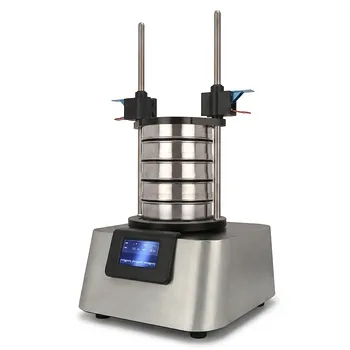
Vibratory Sieve Shaker Electromagnetic 3D Motion Powder Particle Size Analyzer for Dry and Wet Sieving

Stainless Steel Rotary Vibrating Sieve High Precision Circular Vibratory Separator Industrial Powder Grading Machine Multi Layer Sifting Equipment
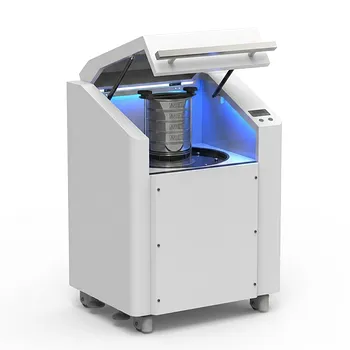
High Frequency Cabinet Type Three-Dimensional Rotary Vibrating Sieve Shaker for Dry Sieving and Particle Classification
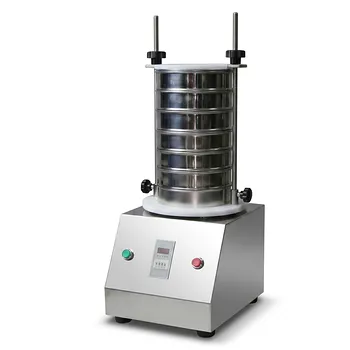
Small Laboratory Vibratory Sieve Shaker for Powder Gradation and Particle Size Analysis
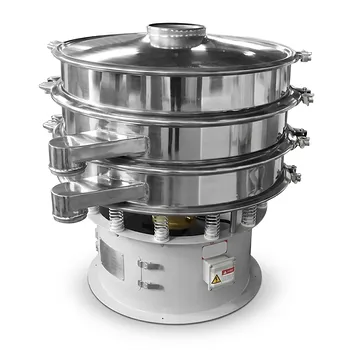
Three Dimensional Rotary Vibrating Sieve
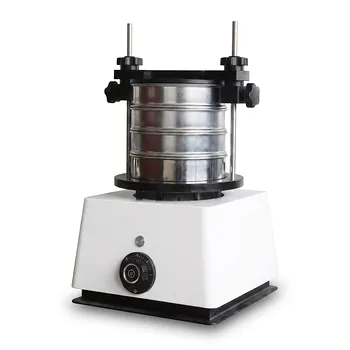
Small Laboratory Vibrating Sieve Shaker for Precise Particle Size Analysis
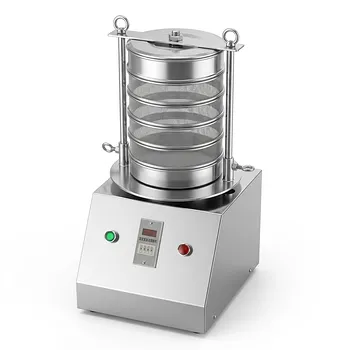
Stainless Steel Laboratory Vibratory Test Sieve Shaker
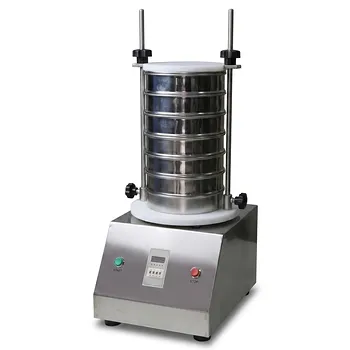
Laboratory Vibratory Test Sieve Shaker for Precision Particle Size Analysis and Powder Grading
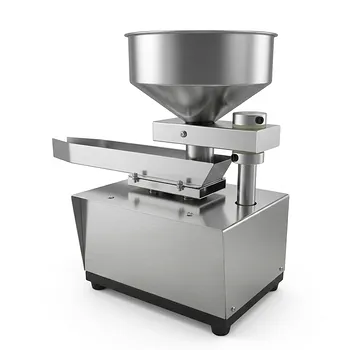
Automatic Vibrating Powder Feeder for Laboratory Material Processing Precision Vibratory Hopper Feeder for Granular and Powder Material Handling Industrial Grade Vibrating Tray Feeder for Consistent Material Sample Preparation
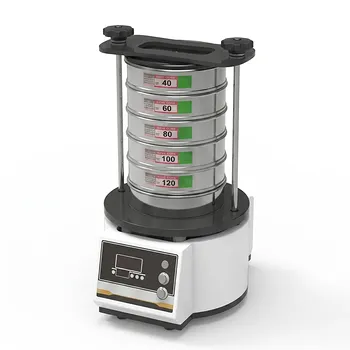
Dry Three Dimensional Vibratory Sieve Shaker
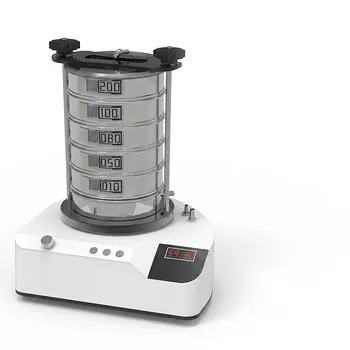
Heavy Duty Dry Three Dimensional Vibratory Sieve Shaker for Particle Separation
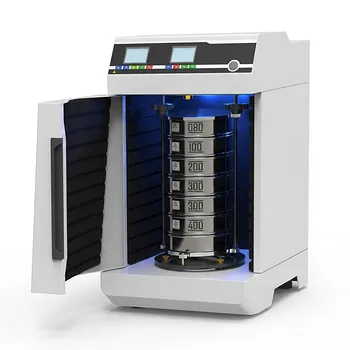
Laboratory Dry and Wet Three Dimensional Vibratory Sieve Shaker for Particle Analysis
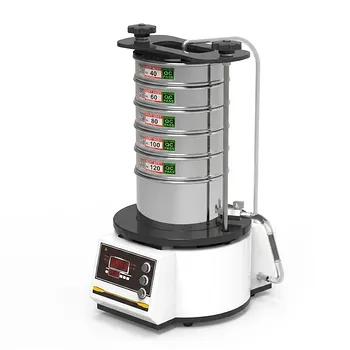
High Frequency Wet Three-Dimensional Vibrating Sieve Shaker for Dry and Wet Particle Size Analysis
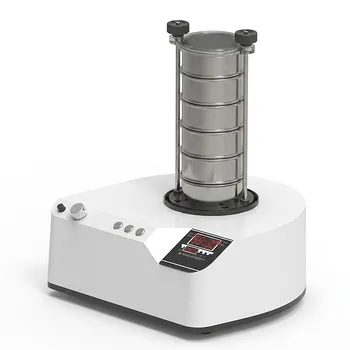
三维电磁微量振动筛分仪
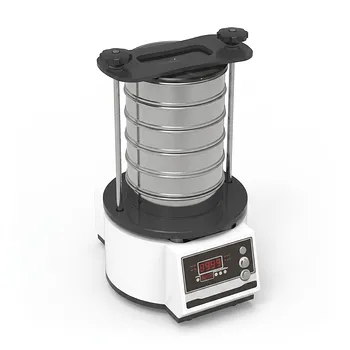
Tapping Oscillating Sieve Shaker for Dry and Wet Particle Size Analysis
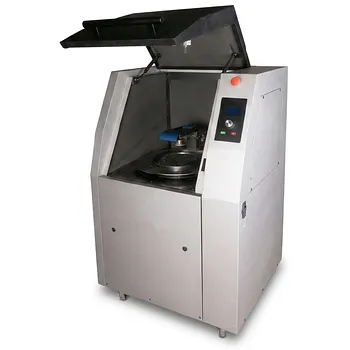
High Speed Vibratory Disc Mill for Spectral Analysis Sample Preparation and Rapid Powder Grinding
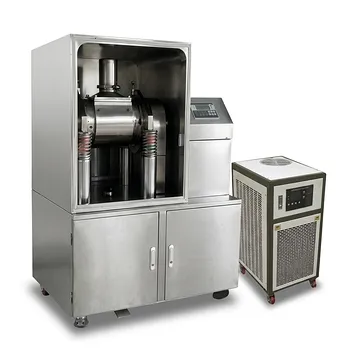
Small Vibrating Ultrafine Grinder for Traditional Chinese Medicine
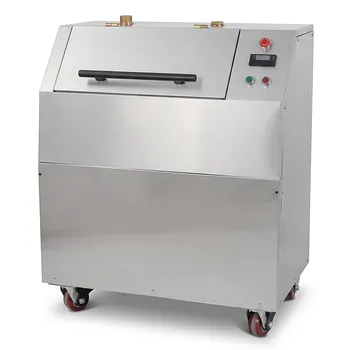
Vibratory Disc Mill for Rapid Fine Grinding and High Throughput Sample Preparation of Hard and Brittle Materials
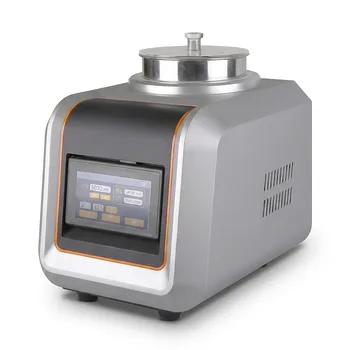
Laboratory Air Jet Sieving Machine for Fine Powder Particle Size Analysis and Deagglomeration