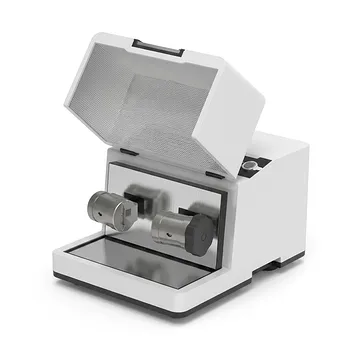
What are the core advantages of using a cryogenic grinder for ZnS powders? Achieve Nanoscale Purity and Efficiency
Updated 5 months ago
The core advantage of cryogenic grinding for Zinc Sulfide (ZnS) lies in its ability to induce material embrittlement while simultaneously eliminating thermal degradation. By operating at -196°C, this process transforms ZnS into a highly brittle state, allowing high-frequency impact energy to fragment the material into nanometer-scale powders. This method effectively prevents the secondary agglomeration and oxidation typically caused by the frictional heat of conventional milling.
Core Takeaway: Cryogenic grinding surpasses conventional methods by utilizing extreme cold to maximize dislocation density and prevent thermal recovery, resulting in ultra-fine ZnS powders with superior chemical purity and a higher specific surface area.
Superior Particle Size and Morphology
Achieving Nanometer-Scale Refinement
In a cryogenic environment, the recovery and annihilation of dislocations within the ZnS crystal lattice are significantly inhibited. This leads to a rapid accumulation of dislocation density, which accelerates the refinement of grains to the nanoscale—often reaching sizes well below 100 nanometers. Conventional equipment often fails to reach these scales because the heat generated allows the material to "heal" or recover during the process.
Uniformity and Specific Surface Area
Cryogenic grinding produces a significantly narrower particle size distribution compared to room-temperature methods. By ensuring the entire sample is below its embrittlement temperature, the grinder achieves a more uniform fracture pattern. This precision results in active powders with a much higher specific surface area, which is critical for the performance of ZnS in optical and electronic applications.
Preservation of Chemical and Structural Integrity
Suppression of Thermal Effects
Conventional grinding generates substantial frictional heat, which can cause ZnS to undergo unwanted structural changes or secondary agglomeration. The liquid nitrogen-cooled environment of a cryogenic grinder removes this heat instantly, ensuring the powder remains chemically stable. This is particularly vital for maintaining the thermal stability and original chemical structure of the material for sensitive analytical uses.
Oxidation and Contamination Control
The use of liquid nitrogen or argon creates an inert processing environment that effectively suppresses oxidation. Because the material becomes so brittle, it requires less time in the mill and often reduces the need for process control agents (PCAs). This lack of additives and protection from oxygen results in a final ZnS product of much higher purity.
Enhanced Processing Efficiency
Prevention of Clogging and Sticking
Zinc Sulfide and its composites can sometimes exhibit "sticky" behavior or soften under the high temperatures of standard mechanical milling. Cryogenic cooling prevents the material from adhering to the grinding media or clogging the screens of the equipment. This ensures a consistent flow and higher output rates during the production of ultra-fine powders.
Efficient Energy Transfer
Because the material is rendered brittle, the energy from high-frequency impacts is used almost entirely for fracture rather than being wasted on plastic deformation. This makes the fragmentation process significantly more efficient than room-temperature grinding. It allows for the pulverization of even the most resilient ZnS composites into fine, homogenized samples.
Understanding the Trade-offs
Operational Costs and Complexity
The most significant drawback of cryogenic grinding is the continuous requirement for liquid nitrogen, which increases operational costs. The equipment also requires specialized vacuum-insulated piping and safety protocols to handle cryogenic fluids. These factors make it a more expensive investment than standard ball mills or hammer mills.
Material Handling Challenges
Post-grinding handling requires care to prevent moisture condensation on the cold powder once it is removed from the cryogenic environment. If not managed in a controlled atmosphere, the ultra-fine ZnS particles can quickly absorb ambient moisture, potentially leading to clumping or oxidation after the process is complete.
How to Apply This to Your Project
Recommendations Based on Your Goal
- If your primary focus is reaching the smallest possible grain size: Choose cryogenic grinding to leverage high dislocation density accumulation for sub-100nm results.
- If your primary focus is maintaining maximum chemical purity: Utilize the inert, low-temperature environment of a cryomill to eliminate oxidation and the need for process control agents.
- If your primary focus is high-volume, low-cost production of coarse powders: Stick with conventional grinding equipment, as the cost of liquid nitrogen may not justify the benefits for larger particle sizes.
- If your primary focus is preventing material sticking or clumping: Employ cryogenic methods to ensure the ZnS remains below its softening point throughout the entire milling cycle.
By strategically applying cryogenic temperatures, you can transform ZnS processing from a high-heat, high-contamination task into a precision engineering process that delivers superior powder quality.
Summary Table:
| Feature | Cryogenic Grinding (-196°C) | Conventional Grinding (Ambient) |
|---|---|---|
| Particle Size | Nanoscale (<100nm) | Micron-scale |
| Thermal Stability | No thermal degradation or recovery | Risk of structural changes/agglomeration |
| Chemical Purity | High (Inert environment, no PCAs) | Lower (Oxidation risk, requires PCAs) |
| Material State | Highly brittle; efficient fracture | Ductile/Sticky; prone to clogging |
| Process Efficiency | High energy transfer; no sticking | Lower efficiency due to heat/plasticity |
Elevate Your Material Research with Precision Sample Preparation
Achieving the perfect ultra-fine powder requires equipment that understands the physics of your material. Our brand provides complete laboratory sample preparation solutions for material science, specializing in high-performance powder processing and compaction equipment designed for both research and industrial applications.
Our specialized equipment range includes:
- Grinding & Milling: Liquid nitrogen cryogenic grinders, planetary ball mills, jet mills, and disc/rotor mills for nanometer-scale refinement.
- Crushing & Sieving: Jaw and roll crushers, alongside vibratory/air-jet sieve shakers for precise particle size distribution.
- Mixing: Powder mixers and vacuum defoaming mixers for homogenized samples.
- Advanced Compaction: A full spectrum of hydraulic presses, including Cold/Warm Isostatic Presses (CIP/WIP), XRF pellet presses, and vacuum hot presses.
Whether you are refining Zinc Sulfide for optical applications or developing new composites, we offer the technical expertise and robust machinery to ensure your samples maintain maximum purity and structural integrity.
Ready to optimize your powder processing? Contact our experts today to find the right solution for your lab!
References
- Phat Tran, Iris V. Rivero. Cryomilled zinc sulfide: A prophylactic for <i>Staphylococcus aureus</i>-infected wounds. DOI: 10.1177/0885328218770530
Mentioned Products
- Small Liquid Nitrogen Cryogenic Grinder for Ultrafine Grinding of Heat-Sensitive Materials in Laboratories
- Laboratory Cryogenic Grinder Liquid Nitrogen Low Temperature Ultrafine Grinding
- Cryogenic Liquid Nitrogen Grinder for DNA Analysis and Polymer Pulverization with Automatic Cooling and Electromagnetic Impact Technology
- Cryogenic Liquid Nitrogen Grinder for Ultrafine Heat-Sensitive Powder Processing
- Liquid Nitrogen Cryogenic Grinder for Plastic and Heat-Sensitive Materials
People Also Ask
- What are the advantages of using liquid nitrogen Cryomilling? Achieve ultra-fine grains and high chemical purity.
- How does liquid nitrogen as a processing medium affect copper powder beyond cooling? Impacts on Purity & Sintering
- What is the function of liquid nitrogen cryogenic grinding in the initial preparation of PHBH polymer powder? Key Roles
- Why is liquid nitrogen cryogenic grinding used for coal and microbial experiments? Preserve Sample Integrity
- Why use liquid nitrogen cryogenic grinding for polymer degradation? Preserve sample integrity & prevent thermal damage

Tech Team · PowderPreparation
Last updated on May 14, 2026
Related Products
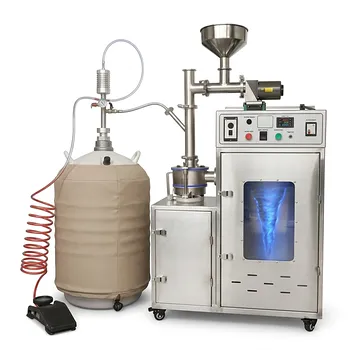
Small Liquid Nitrogen Cryogenic Grinder for Ultrafine Grinding of Heat-Sensitive Materials in Laboratories
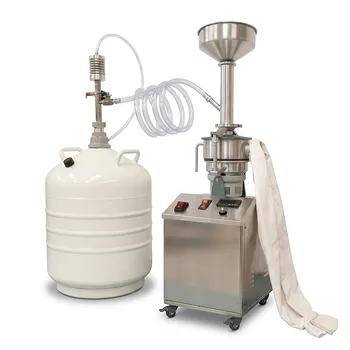
Laboratory Cryogenic Grinder Liquid Nitrogen Low Temperature Ultrafine Grinding
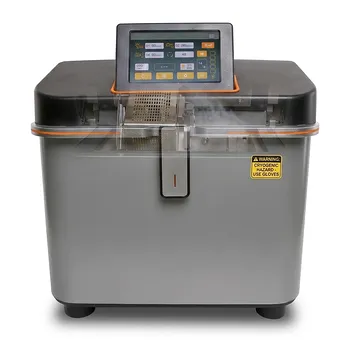
Cryogenic Liquid Nitrogen Grinder for DNA Analysis and Polymer Pulverization with Automatic Cooling and Electromagnetic Impact Technology
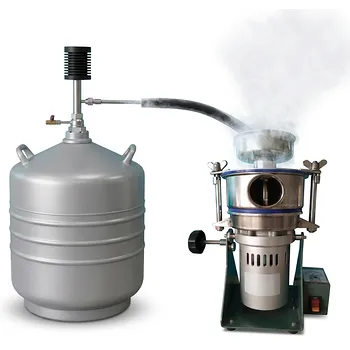
Cryogenic Liquid Nitrogen Grinder for Ultrafine Heat-Sensitive Powder Processing
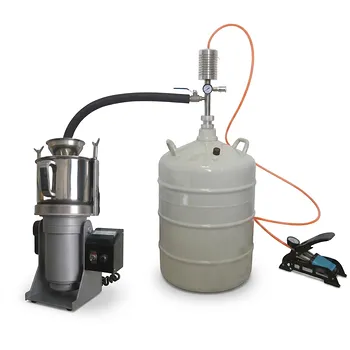
Liquid Nitrogen Cryogenic Grinder for Plastic and Heat-Sensitive Materials
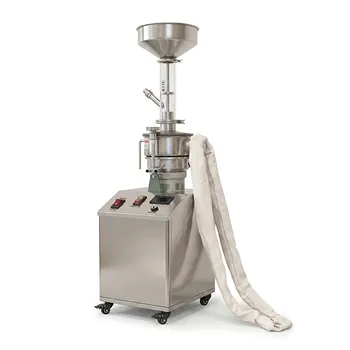
Small Liquid Nitrogen Cryogenic Grinder for Plastic and Heat-Sensitive Material Sample Preparation
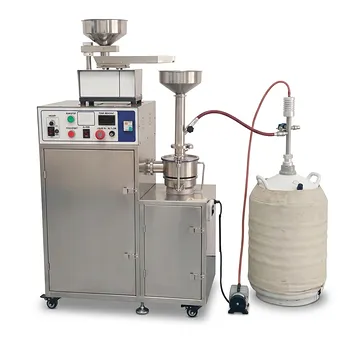
Small Liquid Nitrogen Cryogenic Grinder with Vibratory Feeder for Laboratory Sample Preparation
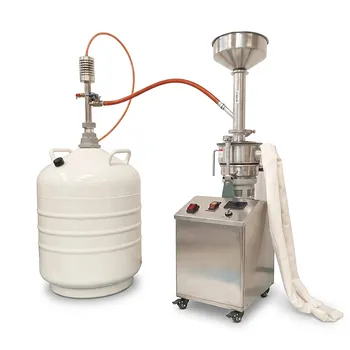
Laboratory Liquid Nitrogen Cryogenic Grinder for Polymer and Elastomer Materials
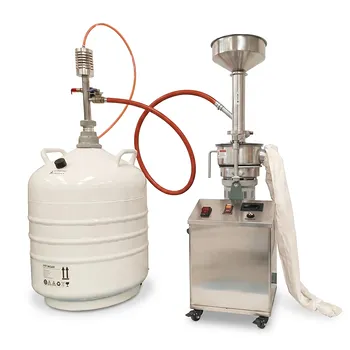
Laboratory Liquid Nitrogen Cryogenic Grinder Polymer Sample Preparation Pulverizer
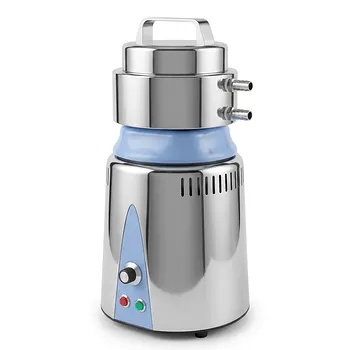
Low Temperature Laboratory Knife Mill Cryogenic Sample Grinder Material Science Powder Processing
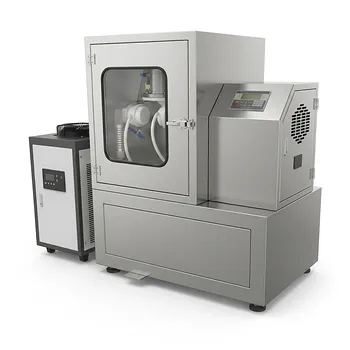
Vibratory Ultra-Low Temperature Ultrafine Grinder for Cryogenic Powder Processing
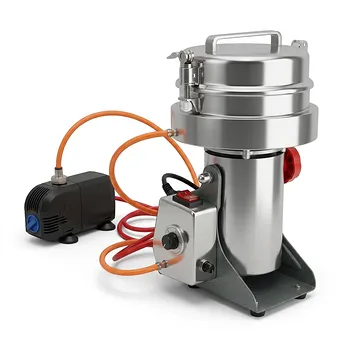
Water Cooled High Speed Grinder with Cryogenic Option for Laboratory Sample Preparation
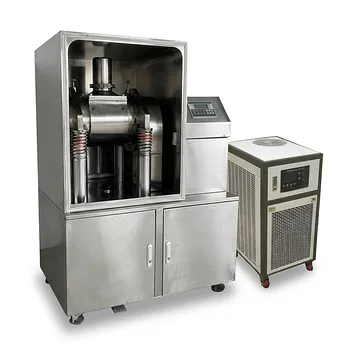
Water Cooled Cryogenic Ultra Fine Cell Wall Breaking Mill
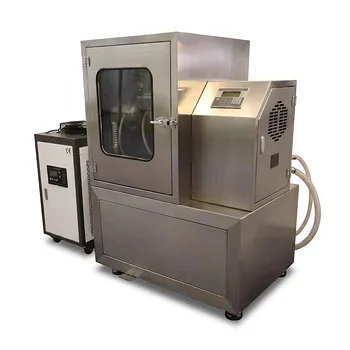
Ultra-Low Temperature Vibratory Mill for Ultrafine Grinding
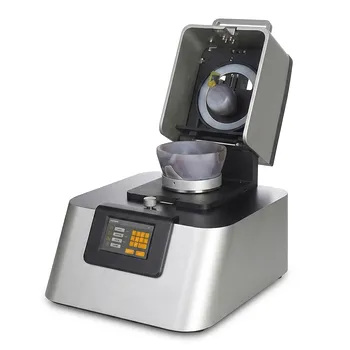
Laboratory Mortar Grinder for Sample Preparation and Cryogenic Powder Homogenization
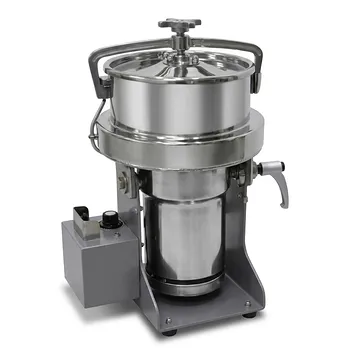
500g Capacity Water Cooled Low Temperature Grinder with Variable Speed and Safety Cover
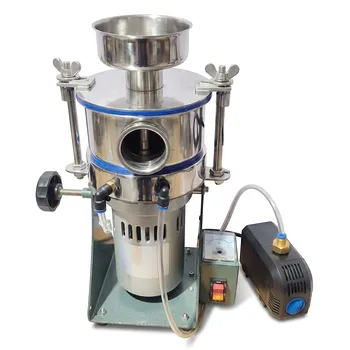
Water Cooled Airflow Ultra Fine Grinder for Low Temperature Material Processing
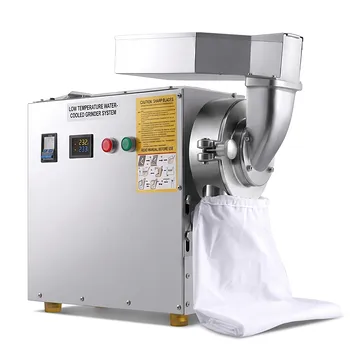
Low Temperature Water Cooled Continuous Feed Grinder Two Stage Coarse and Fine Grinding System
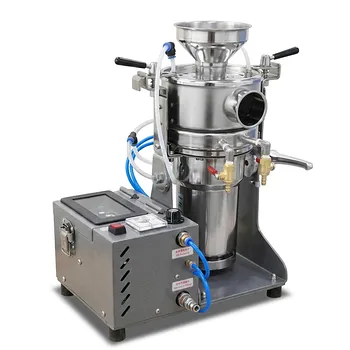
Water Cooled Pulse Jet Ultrafine Grinder