What are the considerations for choosing alumina grinding balls for wet ball milling of beta-SiAlON? Ensure Phase Purity
Updated 5 months ago
Choosing the correct grinding medium is critical for maintaining the stoichiometric integrity and phase purity of $\beta$-SiAlON ceramics. Selecting high-purity alumina grinding balls for wet milling centers on three primary factors: chemical compatibility, high hardness for efficient size reduction, and the prevention of foreign contamination. By using media that mirrors the oxide components already present in the SiAlON system, any inevitable wear debris is integrated into the chemical profile rather than acting as a detrimental impurity.
Core Takeaway: High-purity alumina balls provide the necessary mechanical energy and chemical stability to refine $\beta$-SiAlON powders without introducing foreign contaminants. This selection ensures that media wear does not degrade the material's final phase purity or mechanical performance.
Optimizing Material Purity through Chemical Compatibility
Preventing Foreign Contaminants
High-purity alumina is selected because its chemical composition aligns with the aluminum and oxygen components of the $\beta$-SiAlON lattice. Any debris generated during the high-energy milling process is "native" to the system, preventing the introduction of metallic or foreign ceramic impurities that could weaken the final structure.
Maintaining Stoichiometric Integrity
In $\beta$-SiAlON synthesis, maintaining precise chemical ratios is essential for successful sintering. Using alumina media ensures that any minimal wear debris consists only of matrix-compatible elements, which preserves the intended chemical purity of the reaction system.
Protecting Final Phase Purity
The introduction of foreign elements can trigger the formation of unwanted secondary phases during high-temperature processing. By utilizing chemically stable alumina balls, you ensure that the final sintered body achieves the specific $\beta$-SiAlON phase required for high-performance applications.
Mechanical Efficiency and Particle Size Control
Hardness for Efficient Size Reduction
Alumina grinding balls possess the high hardness required to generate significant impact and grinding forces. This energy is necessary to rapidly refine hard powders and facilitate the thorough mixing of components with varying initial particle sizes.
Energy Exchange and Uniform Dispersion
A controlled ball-to-material ratio (often 1:1) allows for moderate energy exchange that promotes uniform dispersion. This prevents excessive grinding that could drastically alter the specific surface area, which can negatively impact the subsequent sintering kinetics.
Homogenization of Complex Mixtures
Wet milling with alumina media ensures a deep mixing and homogenization of the matrix powder and any additives or binders. This uniformity is the foundation for producing dense sintered bodies with superior, consistent mechanical properties across the entire component.
The Role of the Wet Milling Environment
Selection of the Liquid Medium
Using liquids such as isopropyl alcohol (IPA) or water during the milling process is essential for effectively dissipating heat. This thermal management prevents the powders from overheating, which can lead to unwanted chemical reactions or phase changes during the milling cycle.
Mitigating Powder Agglomeration
Wet milling facilitates the formation of a uniform slurry, which effectively prevents powder agglomeration. Keeping the particles dispersed ensures that the grinding energy is applied evenly to all material, resulting in a more consistent final particle size distribution.
Enhancing Surface Coating
In specialized composites, the milling process allows for precursors to fully coat the surface of the matrix particles. This level of microscopic blending is only achievable through the combination of high-density alumina media and a suitable liquid carrier.
Understanding the Trade-offs
Potential for Stoichiometry Shifts
While alumina wear is "compatible," it is not invisible; excessive wear can slightly increase the aluminum and oxygen content of the mixture. Engineers must monitor milling duration and media wear rates to ensure the final composition does not drift outside of the $\beta$-SiAlON stability range.
Limits on Milling Energy
Although alumina is hard, it is less dense than media like tungsten carbide or zirconia. If extremely rapid particle size reduction is required, the lower density of alumina may necessitate longer milling times to achieve the same results as heavier media.
Media Cost vs. Purity
Using lower-purity alumina balls can introduce silica or alkali metal impurities often used as sintering aids in the balls themselves. To ensure the performance of $\beta$-SiAlON, it is vital to specify high-purity alumina (>99%) rather than standard industrial grades.
How to Apply This to Your Project
When selecting alumina media for $\beta$-SiAlON processing, consider your primary objective to determine the optimal milling parameters:
- If your primary focus is Phase Purity: Use the highest purity alumina balls (>99.5%) and a chemically inert medium like isopropyl alcohol to prevent any oxidation or foreign element introduction.
- If your primary focus is Particle Refinement: Prioritize a smaller ball diameter to increase the number of contact points, ensuring a higher surface-area-to-volume ratio for more efficient grinding.
- If your primary focus is Manufacturing Throughput: Optimize the ball-to-material ratio and milling speed to maximize energy exchange while monitoring heat generation to prevent media degradation.
Selecting alumina media is a strategic decision that balances the mechanical requirements of grinding with the strict chemical requirements of advanced ceramic synthesis.
Summary Table:
| Key Factor | Consideration | Benefit for beta-SiAlON |
|---|---|---|
| Chemical Compatibility | High-purity alumina (>99%) | Prevents foreign contamination; wear debris is matrix-compatible. |
| Mechanical Force | High hardness & density | Ensures efficient size reduction and thorough homogenization. |
| Environment | Wet milling (IPA or Water) | Dissipates heat and prevents powder agglomeration. |
| Stoichiometry | Monitor wear rates | Maintains precise chemical ratios for successful sintering. |
Elevate Your Material Synthesis with Expert Solutions
Achieving the perfect $\beta$-SiAlON phase requires precision at every step of sample preparation. At [Your Brand Name], we provide complete laboratory sample preparation solutions for material science, specializing in high-performance powder processing and compaction equipment.
Our extensive range includes planetary ball mills, jet mills, and disc mills designed for contamination-free grinding, alongside a full spectrum of Cold/Warm Isostatic Presses (CIP/WIP), standard lab presses, and vacuum hot presses to ensure superior densification of your ceramic components.
Don't let media wear compromise your research. Contact our technical team today to find the ideal equipment and grinding media for your specific material requirements!
References
- Mohammed Shahien, Toshitaka Sakurai. Combustion Synthesis and Sintering of β-Sialon Ceramics (z = 2). DOI: 10.2472/jsms.57.1248
Mentioned Products
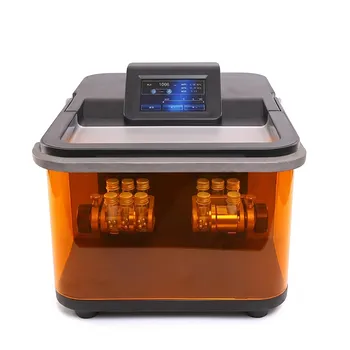
- Vertical Square Planetary Ball Mill for Laboratory Sample Preparation and Nanoscale Grinding
- 8L Planetary Ball Mill for Laboratory Grinding and Sample Preparation
- Vertical Semi Circular Planetary Ball Mill for Laboratory Precision Grinding
- Small Laboratory Colloid Mill for Ultra-Fine Wet Grinding and Emulsification
- Laboratory Horizontal Bead Mill for Nanomaterial Wet Grinding and Material Science Research
People Also Ask
- What is the function of a planetary ball mill in wollastonite ceramic prep? Achieve Molecular Homogenization & Reactivity
- How does a planetary ball mill contribute to the homogenization of trace elements? Achieve Sub-Micron Uniformity
- Why grind lime-pozzolan specimens for TG/DTA for 3 mins? Master sample prep for high-precision thermal analysis.
- What role does a planetary ball mill play in the synthesis of Li6PS5Cl (LPSCl)? Unlock High Ionic Conductivity
- What role does a planetary ball mill play in KNTO ceramic refinement? Optimize Homogeneity & Reactivity

Tech Team · PowderPreparation
Last updated on May 14, 2026
Related Products

Vertical Square Planetary Ball Mill for Laboratory Sample Preparation and Nanoscale Grinding
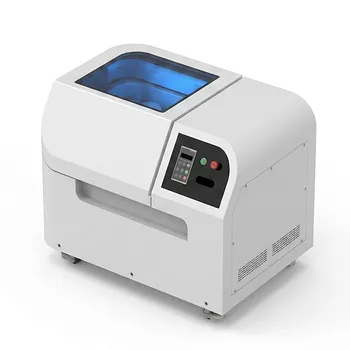
8L Planetary Ball Mill for Laboratory Grinding and Sample Preparation
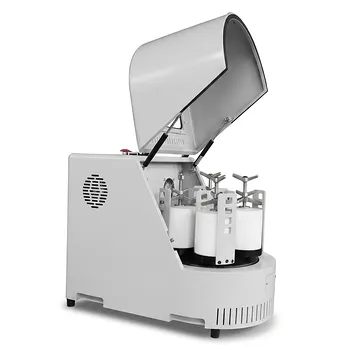
Vertical Semi Circular Planetary Ball Mill for Laboratory Precision Grinding
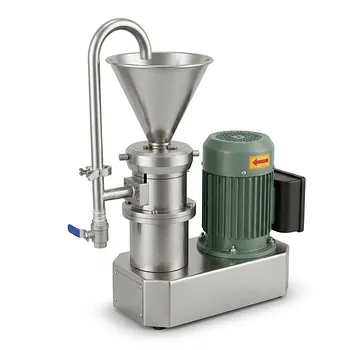
Small Laboratory Colloid Mill for Ultra-Fine Wet Grinding and Emulsification
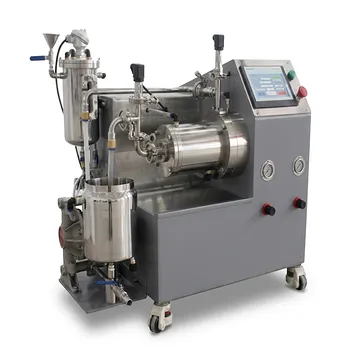
Laboratory Horizontal Bead Mill for Nanomaterial Wet Grinding and Material Science Research
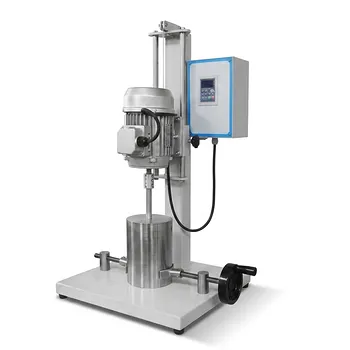
Laboratory Sand Mill Grinding Dispersing Machine for Wet Particle Size Reduction
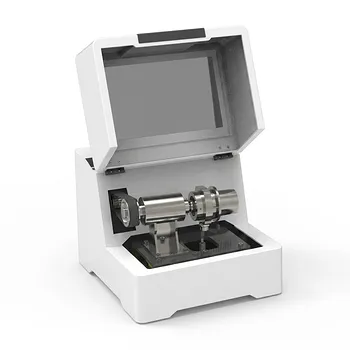
Single Tank High Energy Vibratory Ball Mill for Laboratory Grinding and Mixing
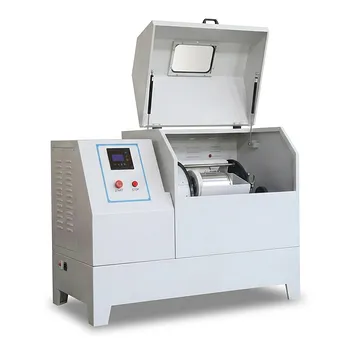
Heavy Duty Horizontal Planetary Ball Mill for Efficient Industrial Grinding and Sample Preparation
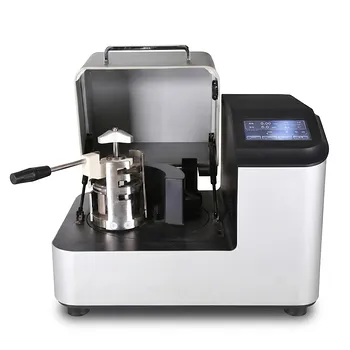
High Energy Laboratory Planetary Ball Mill for Nano Grinding and Material Science Sample Preparation
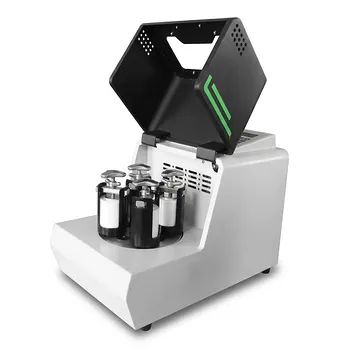
Miniature Planetary Ball Mill with Vacuum Grinding and High Efficiency for Laboratory Sample Preparation
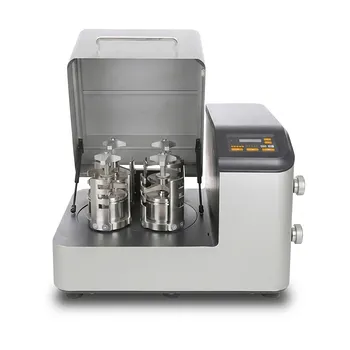
High Energy Planetary Ball Mill for Nano Scale Grinding and Colloidal Mixing in Material Science Research
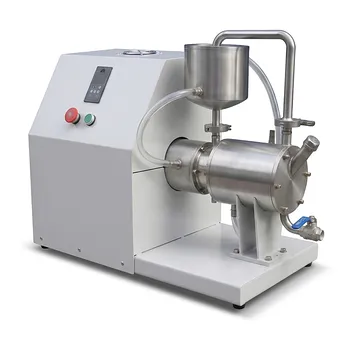
Laboratory Small Horizontal Sand Mill for Nano Materials Wet Grinding
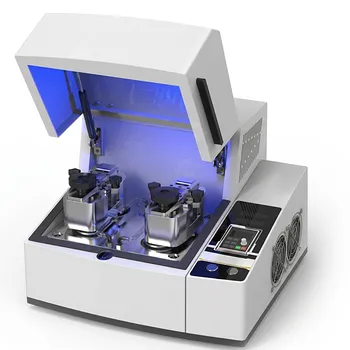
Laboratory Nano High Energy Ball Mill Ultrafine Grinding Mechanical Alloying
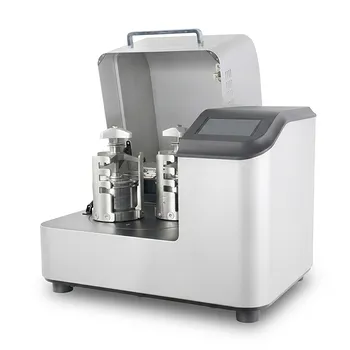
High Energy Planetary Ball Mill for Nano Scale Grinding and Mechanical Alloying
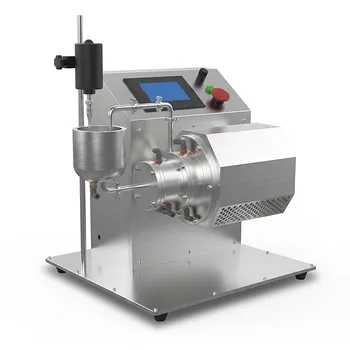
Laboratory Horizontal Pin Nano Sand Mill
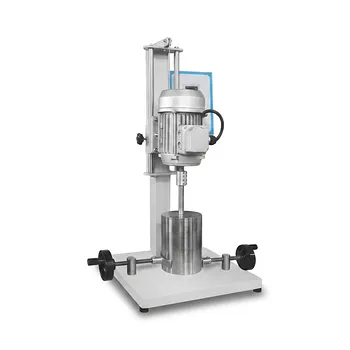
Laboratory Basket Sand Mill for Wet Grinding and Dispersion of Viscous Slurries
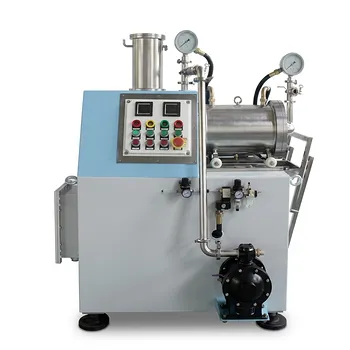
Horizontal Bead Mill for Nanoscale Grinding and Advanced Material Powder Processing
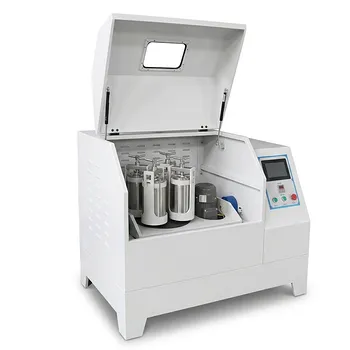
360° Rotating Omnidirectional Laboratory Planetary Ball Mill for Homogeneous Ultra-Fine Grinding and Mixing
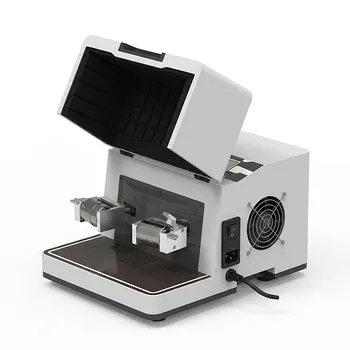
High Energy Hybrid Vibratory Ball Mill for Grinding Mixing and Cell Disruption