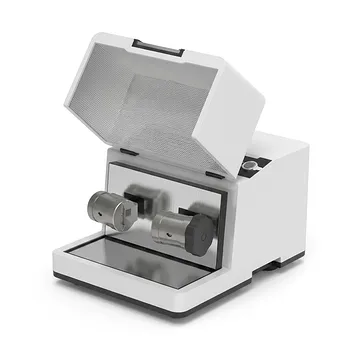
Why use cryogenic grinders for nanoplastic (MNP) prep? Ensure Thermal Stability and Nanoscale Precision
Updated 4 months ago
Industrial-grade cryogenic grinding is the superior method for nanoplastic (MNP) preparation because it utilizes liquid nitrogen to induce "cryogenic embrittlement," allowing polymers to be pulverized without thermal degradation. Unlike conventional grinding, which generates significant frictional heat, cryogenic systems maintain temperatures as low as -195.5°C. This ensures that the resulting nanoparticles retain their original physicochemical characteristics, molecular structure, and crystalline form, providing a sample that accurately reflects real-world environmental degradation.
Core Takeaway: Cryogenic grinding transforms tough or elastic polymers into brittle solids, enabling the production of uniform, nanometer-scale particles while preventing the melting, oxidation, and chemical alteration common in traditional milling.
Maintaining Chemical and Physical Fidelity
Suppression of Thermal Degradation
Conventional grinding generates intense frictional heat that can lead to polymer chain scission or melting. Cryogenic systems eliminate this risk by maintaining an ultra-low temperature environment that completely suppresses heat-induced chemical changes.
Accurate Environmental Representation
For researchers studying micro-nanoplastics (MNPs), maintaining the material's "aged" state is critical. Cryogenic grinding ensures that the particles produced in the lab possess the same surface chemistry and physical properties as plastics found in real-world environments.
Preservation of Volatile Compounds
Many polymers contain additives or absorbed environmental contaminants that are sensitive to heat. The cryogenic process preserves these volatile elements, ensuring the final sample is a complete and accurate representation of the source material.
Achieving Precision at the Nanoscale
Enhanced Cryogenic Embrittlement
At liquid nitrogen temperatures, even highly elastic or "tough" polymers like PLLA or beta-glucan become extremely brittle. This state allows for efficient pulverization into median particle sizes often less than 5 to 10 micrometers.
Accelerated Grain Refinement
Cryogenic conditions inhibit the recovery and annihilation of dislocations within the material structure. This promotes a high density of dislocations, which significantly reduces the time required to refine particles down to the nanoscale (less than 100 nanometers).
Superior Size Distribution and Uniformity
The high-energy impact forces used in industrial cryogenic grinders produce a narrower size distribution than conventional methods. This results in a highly homogeneous sample, which is vital for standardized toxicological and environmental impact studies.
Operational Reliability and Purity
Prevention of Clogging and Agglomeration
Many plastics become sticky or "gummy" during conventional grinding, which clogs screens and halts production. Cryogenic temperatures keep the material in a solid, non-tacky state, allowing for continuous processing without equipment downtime.
Inert Processing Environment
The use of liquid nitrogen or argon creates an inert atmosphere during the grinding process. This effectively suppresses oxidation and combustion, ensuring the final powder remains chemically pure and free from atmospheric contamination.
Reduction in Process Control Agents
Because the low-temperature environment facilitates easier breakage of the polymer chains, there is a reduced need for chemical process control agents. This leads to a higher purity final product, which is essential for sensitive analytical applications.
Understanding the Trade-offs
Operational Costs and Infrastructure
The primary drawback of cryogenic grinding is the continuous requirement for liquid nitrogen, which increases operational costs. Additionally, the facility must have specialized storage tanks and safety protocols for handling cryogenic fluids.
Material Selection Limits
While most polymers embrittle under cryogenic conditions, some specialized elastomers may still require extremely high energy to reach a brittle point. The effectiveness of the grind is highly dependent on the glass transition temperature of the specific plastic being processed.
Equipment Maintenance and Specialization
Industrial-grade cryogenic grinders are complex machines that require specialized maintenance. The extreme temperature fluctuations can cause thermal fatigue in components, necessitating high-quality materials and rigorous inspection schedules.
Applying This to Your Research or Production
How to Apply This to Your Project
To determine if cryogenic grinding is the right choice for your nanoplastic preparation, consider your primary research or production objective:
- If your primary focus is Chemical Integrity: Utilize cryogenic grinding to ensure that heat-sensitive polymers do not undergo molecular weight changes or crystalline structure shifts.
- If your primary focus is Nanoscale Uniformity: Opt for a high-energy cryogenic mill to achieve the narrowest particle size distribution and highest homogeneity for your samples.
- If your primary focus is Sticky or Elastic Materials: Use liquid nitrogen cooling to bypass the clogging issues that render conventional mechanical mills ineffective for these substances.
- If your primary focus is High-Volume Production: Evaluate the cost-benefit of liquid nitrogen consumption against the increased throughput and reduced downtime achieved by preventing material melting.
Cryogenic grinding is the definitive choice for professionals who require nanoplastic samples that are chemically unaltered and physically precise.
Summary Table:
| Feature | Conventional Grinding | Industrial Cryogenic Grinding |
|---|---|---|
| Temperature | High (frictional heat) | Ultra-low (up to -195.5°C) |
| Material State | Soft/Elastic (leads to melting) | Brittle (cryogenic embrittlement) |
| Chemical Integrity | Risk of oxidation/degradation | Preserved (inert environment) |
| Particle Size | Coarse/Inconsistent | Uniform Nanoscale (<100nm) |
| Equipment Clogging | High risk with "gummy" plastics | Minimized (materials remain solid) |
Elevate Your Material Research with Expert Sample Prep
Precision in nanoplastic preparation starts with the right equipment. We provide complete laboratory sample preparation solutions tailored for material science, specializing in advanced powder processing and compaction technology.
Our extensive product range is designed to meet the rigorous demands of modern research and industrial production:
- Advanced Grinding & Milling: Liquid nitrogen cryogenic grinders, planetary ball mills, jet mills, and disc/rotor mills.
- Size Reduction: High-performance jaw and roll crushers.
- Sieving & Mixing: Vibratory/air-jet sieve shakers and high-efficiency powder/defoaming mixers.
- Precision Compaction: A full spectrum of hydraulic presses, including Cold/Warm Isostatic Presses (CIP/WIP), XRF pellet presses, and vacuum hot presses.
Whether you are a researcher requiring chemical fidelity or a distributor seeking reliable OEM/ODM support and high-margin solutions, we are here to help.
Contact us today to find the perfect equipment for your laboratory!
References
- Jared S. Stine, Stacey L. Harper. A Novel Approach for Identifying Nanoplastics by Assessing Deformation Behavior with Scanning Electron Microscopy. DOI: 10.3390/mi14101903
Mentioned Products
- Small Liquid Nitrogen Cryogenic Grinder for Ultrafine Grinding of Heat-Sensitive Materials in Laboratories
- Laboratory Cryogenic Grinder Liquid Nitrogen Low Temperature Ultrafine Grinding
- Cryogenic Liquid Nitrogen Grinder for DNA Analysis and Polymer Pulverization with Automatic Cooling and Electromagnetic Impact Technology
- Cryogenic Liquid Nitrogen Grinder for Ultrafine Heat-Sensitive Powder Processing
- Liquid Nitrogen Cryogenic Grinder for Plastic and Heat-Sensitive Materials
People Also Ask
- What are the advantages of using liquid nitrogen Cryomilling? Achieve ultra-fine grains and high chemical purity.
- How does liquid nitrogen as a processing medium affect copper powder beyond cooling? Impacts on Purity & Sintering
- What is the function of liquid nitrogen cryogenic grinding in the initial preparation of PHBH polymer powder? Key Roles
- Why is liquid nitrogen cryogenic grinding used for coal and microbial experiments? Preserve Sample Integrity
- Why use liquid nitrogen cryogenic grinding for polymer degradation? Preserve sample integrity & prevent thermal damage

Tech Team · PowderPreparation
Last updated on Jun 03, 2026
Related Products
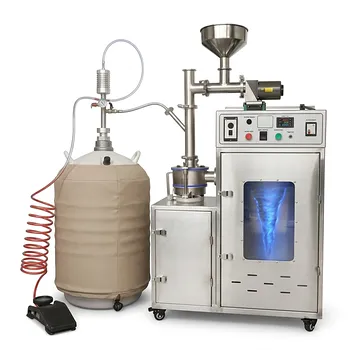
Small Liquid Nitrogen Cryogenic Grinder for Ultrafine Grinding of Heat-Sensitive Materials in Laboratories
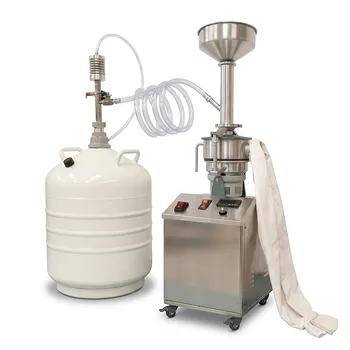
Laboratory Cryogenic Grinder Liquid Nitrogen Low Temperature Ultrafine Grinding
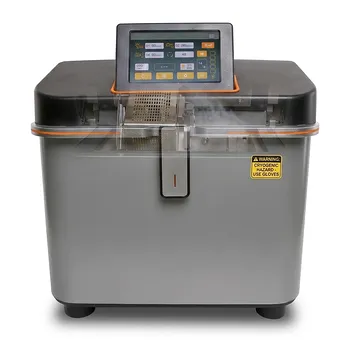
Cryogenic Liquid Nitrogen Grinder for DNA Analysis and Polymer Pulverization with Automatic Cooling and Electromagnetic Impact Technology
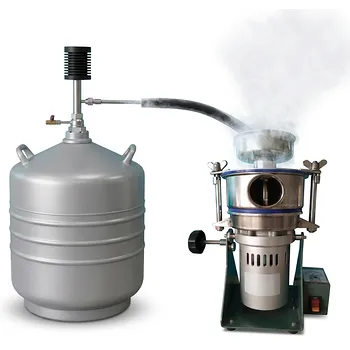
Cryogenic Liquid Nitrogen Grinder for Ultrafine Heat-Sensitive Powder Processing
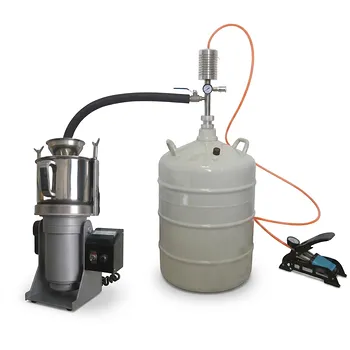
Liquid Nitrogen Cryogenic Grinder for Plastic and Heat-Sensitive Materials
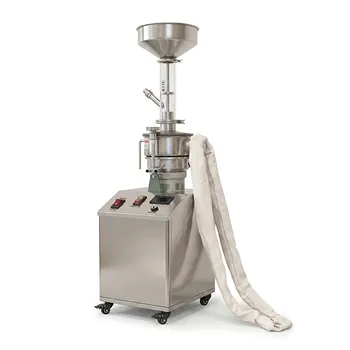
Small Liquid Nitrogen Cryogenic Grinder for Plastic and Heat-Sensitive Material Sample Preparation
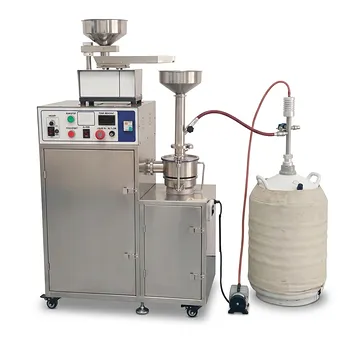
Small Liquid Nitrogen Cryogenic Grinder with Vibratory Feeder for Laboratory Sample Preparation
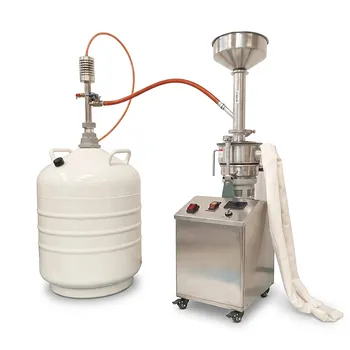
Laboratory Liquid Nitrogen Cryogenic Grinder for Polymer and Elastomer Materials
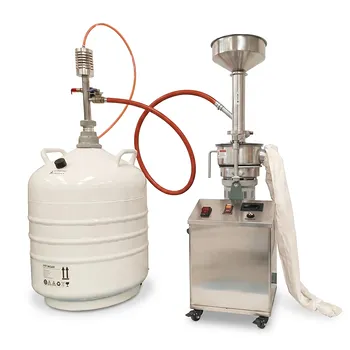
Laboratory Liquid Nitrogen Cryogenic Grinder Polymer Sample Preparation Pulverizer
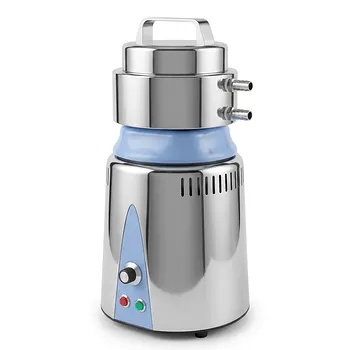
Low Temperature Laboratory Knife Mill Cryogenic Sample Grinder Material Science Powder Processing
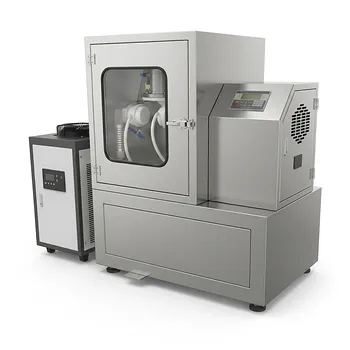
Vibratory Ultra-Low Temperature Ultrafine Grinder for Cryogenic Powder Processing
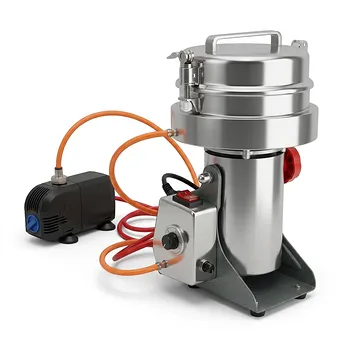
Water Cooled High Speed Grinder with Cryogenic Option for Laboratory Sample Preparation
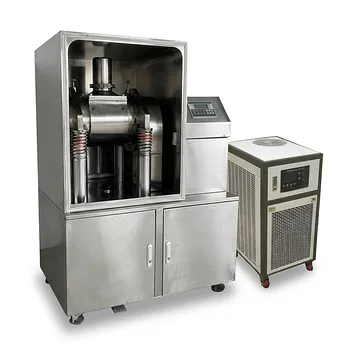
Water Cooled Cryogenic Ultra Fine Cell Wall Breaking Mill
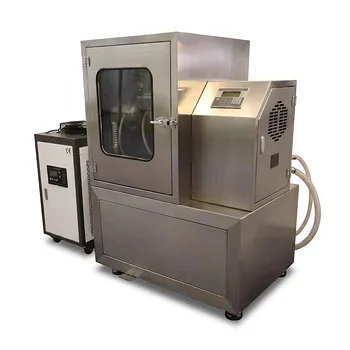
Ultra-Low Temperature Vibratory Mill for Ultrafine Grinding
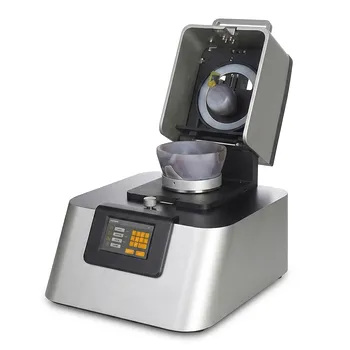
Laboratory Mortar Grinder for Sample Preparation and Cryogenic Powder Homogenization
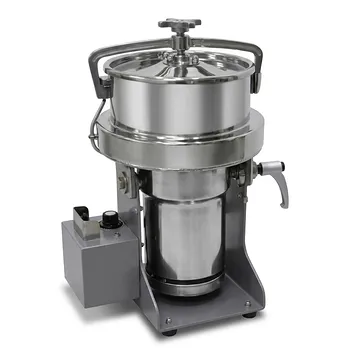
500g Capacity Water Cooled Low Temperature Grinder with Variable Speed and Safety Cover
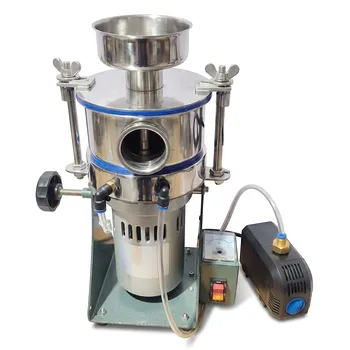
Water Cooled Airflow Ultra Fine Grinder for Low Temperature Material Processing
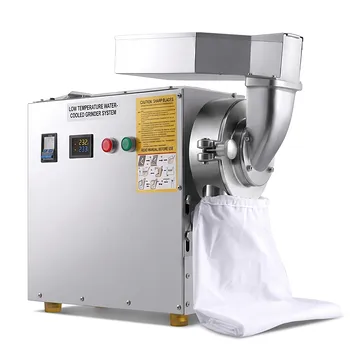
Low Temperature Water Cooled Continuous Feed Grinder Two Stage Coarse and Fine Grinding System
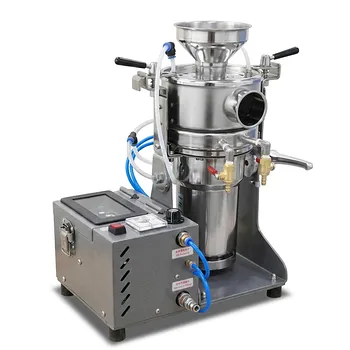
Water Cooled Pulse Jet Ultrafine Grinder