What are the advantages of using a high-speed centrifugal mixer over manual stirring? Achieve Superior Resin Homogeneity
Updated 5 months ago
High-speed centrifugal mixers revolutionize resin formulation by utilizing dual-action revolution and rotation to achieve microscopic homogeneity that manual stirring cannot replicate. By applying intense centrifugal and shear forces, these mixers rapidly integrate high-viscosity resins with dense inorganic fillers while simultaneously eliminating entrapped air. This results in a structurally dense, defect-free adhesive with consistent mechanical properties and superior rheological stability.
The core advantage of centrifugal mixing lies in its ability to achieve micron-level dispersion of high-content fillers while simultaneously degassing the mixture. This dual-action process ensures predictable mechanical performance and structural integrity, overcoming the inherent limitations of manual air entrapment and filler agglomeration.
Achieving Microscopic Homogeneity
Superior Filler Dispersion
High-speed centrifugal mixers utilize powerful shear forces to break down filler agglomerates that manual stirring simply cannot touch. This is particularly critical when working with inorganic fillers, such as barium borosilicate glass, which tend to clump in high-viscosity resin bases.
Handling High Filler Loading
These mixers can effectively process mixtures containing up to 70 wt% inorganic fillers. Manual stirring often fails at these densities, leading to "dry spots" or uneven distribution that compromises the final material's chemistry.
Short Duration Processing
The high-energy environment achieves deep homogenization in a very short timeframe. This efficiency not only saves labor but also prevents the premature polymerization or evaporation of volatile components that can occur during prolonged manual mixing.
Eliminating Internal Structural Defects
Simultaneous Defoaming and Degassing
Unlike manual stirring, which inherently introduces air into the matrix, centrifugal mixers perform simultaneous deaeration. The centrifugal force drives air bubbles to the surface, eliminating the micro-bubbles that cause internal defects in cured resin layers.
Enhancing Structural Density
By removing entrapped air, the mixer ensures a high structural density in the final adhesive or 3D-printed part. This is essential for dental restorations and industrial adhesives where voids lead to catastrophic stress concentrations and failure.
Stabilizing the Elastic Modulus
Consistent component distribution ensures the elastic modulus and mechanical performance of the resin remain stable after curing. Manual methods often result in "weak points" within the resin layer due to localized variations in filler concentration.
Optimizing Rheological Properties
Ideal Flow Characteristics
High-energy dispersion ensures the slurry achieves ideal rheological properties, which are critical for application. This results in better wetting of surfaces and more consistent extrusion if the resin is used for 3D printing or precision dispensing.
Improved Interfacial Bonding
Uniformly dispersed fillers and photoinitiators facilitate the formation of a continuous transition layer at the bonding interface. This leads to superior adhesion between the resin and the substrate, whether it be an electrode-electrolyte interface or a dental cavity.
Consistency Across Batches
Mechanical mixing provides a repeatable process that manual stirring lacks. For experimental formulations, this repeatability is vital for isolating variables and ensuring that performance changes are due to chemistry, not mixing technique.
Understanding the Trade-offs
Heat Generation and Thermal Management
The intense shear forces generated by high-speed rotation can lead to significant heat buildup within the sample. This may be problematic for highly temperature-sensitive resins or those with low-temperature initiators, requiring careful monitoring or interval mixing.
Equipment Cost and Scalability
The primary barrier to adopting this technology is the initial capital investment compared to simple manual tools. Furthermore, laboratory-scale centrifugal mixers are often limited by batch size, which may require specialized industrial versions for large-scale production.
Applying This Technology to Your Project
Recommendations for Implementation
- If your primary focus is high filler loading (50-70 wt%): Use a high-speed centrifugal mixer to ensure the resin matrix fully wets the inorganic particles and prevents mechanical weak points.
- If your primary focus is structural integrity and void prevention: Prioritize the mixer’s vacuum or degassing functions to eliminate micro-bubbles that act as crack initiation sites.
- If your primary focus is rheological stability for 3D printing: Utilize the high-energy dispersion capabilities to ensure consistent viscosity and continuous flow during the printing process.
By transitioning from manual methods to centrifugal mixing, you ensure that your experimental results are a true reflection of your chemical formulation rather than a byproduct of inconsistent mixing.
Summary Table:
| Feature | Manual Stirring | High-Speed Centrifugal Mixer |
|---|---|---|
| Filler Dispersion | Poor; prone to clumping/agglomerates | Superior; micron-level shear forces |
| Air Entrapment | Frequently introduces micro-bubbles | Simultaneous degassing and deaeration |
| Filler Loading | Limited; difficult at high viscosities | Handles up to 70 wt% inorganic fillers |
| Consistency | Highly variable and operator-dependent | Repeatable, precise, and batch-stable |
| Process Time | Slow and labor-intensive | Rapid processing in a short timeframe |
Optimize Your Material Formulations with Precision Equipment
Elevate your research and production standards with [Brand Name]. We provide complete laboratory sample preparation solutions specifically designed for material science. Whether you are formulating advanced resin adhesives or processing complex powders, our specialized equipment ensures microscopic homogeneity and structural integrity.
Our extensive product lines include:
- Mixing & Grinding: Defoaming mixers, planetary ball mills, jet mills, and liquid nitrogen cryogenic grinders.
- Powder Processing: Jaw/roll crushers, vibratory/air-jet sieve shakers, and powder mixers.
- Compaction Solutions: A full spectrum of hydraulic presses, including Cold/Warm Isostatic Presses (CIP/WIP), XRF pellet presses, and vacuum hot presses.
Don't let inconsistent mixing compromise your experimental data. Contact our experts today to find the perfect equipment solution for your laboratory’s unique requirements.
References
- Fabíola Jardim Barbon, Aloísio Oro Spazzin. Feldspar Ceramic Strength and The Reinforcing Effect by Adhesive Cementation Under Accelerated Aging. DOI: 10.1590/0103-6440201801896
Mentioned Products
- High Speed Vacuum Planetary Centrifugal Mixer and Defoamer for Industrial Paste Processing
- High Efficiency Vacuum Planetary Centrifugal Mixer and Defoaming Machine for Industrial Material Research and Precise Laboratory Powder Dispersion
- High Viscosity Planetary Centrifugal Vacuum Mixer for Material Defoaming and Uniform Mixing
- Ultra Centrifugal Mill High Speed Laboratory Grinder for Fibrous and Brittle Sample Preparation
- High Viscosity Planetary Centrifugal Mixing and Vacuum Defoaming Machine for Laboratory Material Preparation
People Also Ask
- Why increase revolution radius for high-viscosity materials? Optimize Mixing Performance with Centrifugal Acceleration
- What is the function of a planetary centrifugal mixer in electrode slurry prep? Achieve high-energy, uniform dispersion.
- Why is a planetary centrifugal mixer utilized for wood powder and HPMC? Achieve uniform dispersion & rapid defoaming.
- How does a planetary centrifugal mixer contribute to the preparation of magnetic polymer composites? Expert Guide
- How does a planetary centrifugal mixer address key challenges in Tyr-CDs@EVA optical films? Ensure Optical Clarity.

Tech Team · PowderPreparation
Last updated on May 14, 2026
Related Products
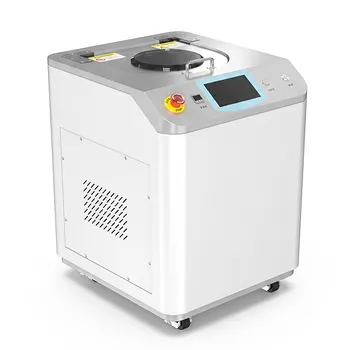
High Speed Vacuum Planetary Centrifugal Mixer and Defoamer for Industrial Paste Processing
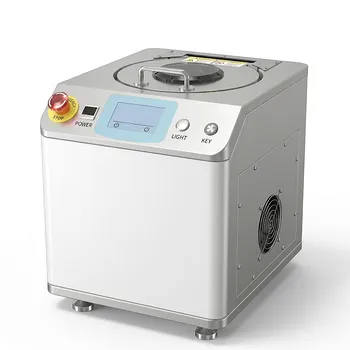
High Efficiency Vacuum Planetary Centrifugal Mixer and Defoaming Machine for Industrial Material Research and Precise Laboratory Powder Dispersion
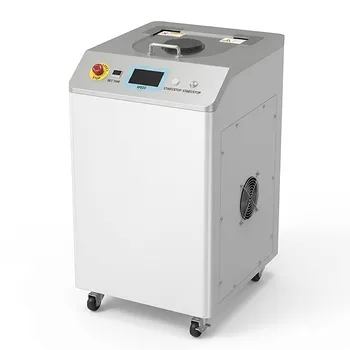
High Viscosity Planetary Centrifugal Vacuum Mixer for Material Defoaming and Uniform Mixing
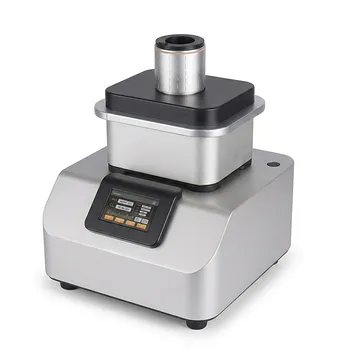
Ultra Centrifugal Mill High Speed Laboratory Grinder for Fibrous and Brittle Sample Preparation
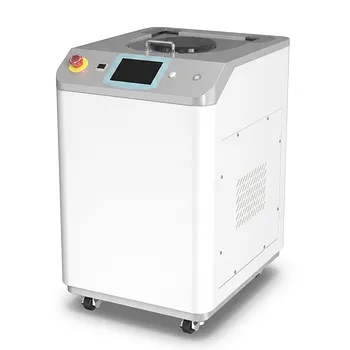
High Viscosity Planetary Centrifugal Mixing and Vacuum Defoaming Machine for Laboratory Material Preparation
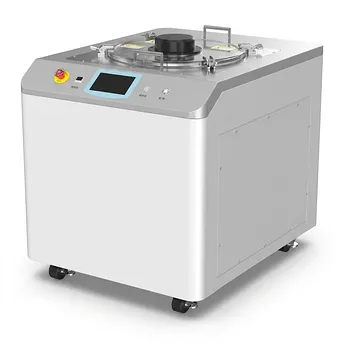
Industrial Planetary Centrifugal Vacuum Defoaming Mixer for High Viscosity Paste and Powder Homogenization
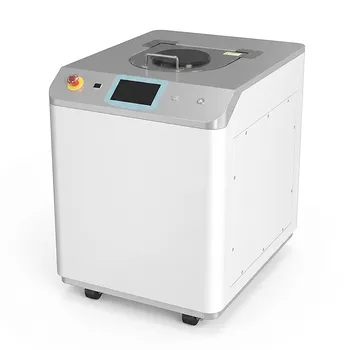
Industrial Planetary Centrifugal Vacuum Defoaming Mixer for High Viscosity Paste and Advanced Material Science
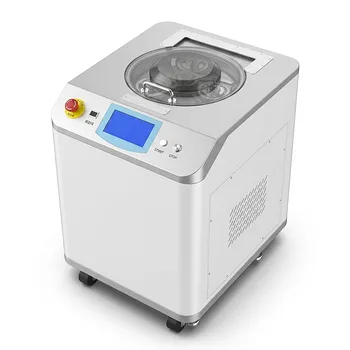
Dual Cup Vacuum Centrifugal Mixer Planetary Paste Defoaming Machine Industrial Material Processor
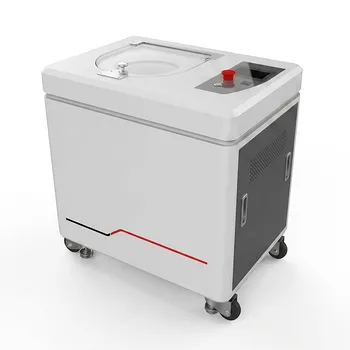
非介入式材料均质机真空脱泡行星搅拌高粘度混合设备
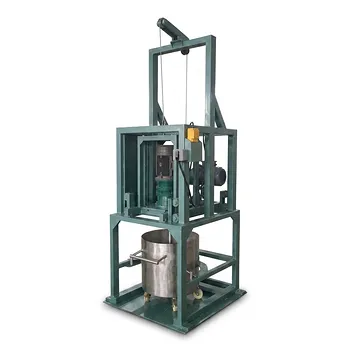
High-Speed Simple Disperser for Efficient Mixing, Dispersion, and Emulsification
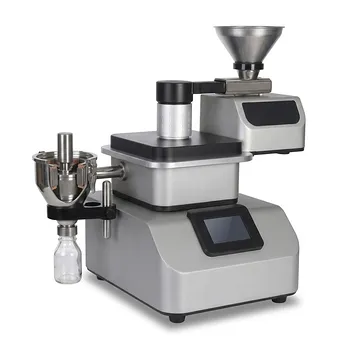
Ultra Centrifugal Mill for Rapid Laboratory Sample Preparation and Fine Powder Grinding
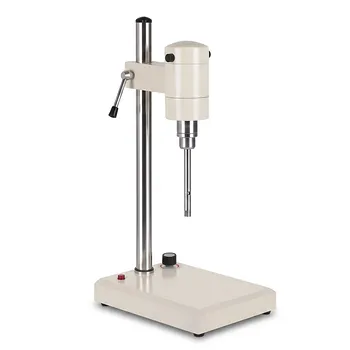
High Speed Dispersing Homogenizer for Laboratory Emulsification Dispersion and Cell Disruption
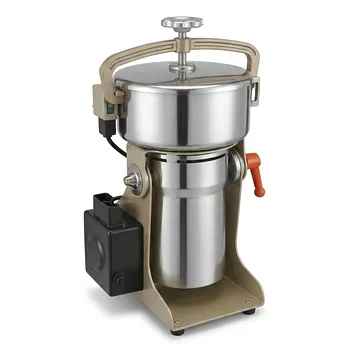
Multifunctional High Efficiency High Speed Laboratory Grinder
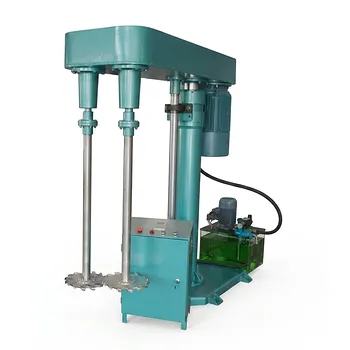
Hydraulic Double Shaft Disperser for High Viscosity Liquid Mixing and Dispersion
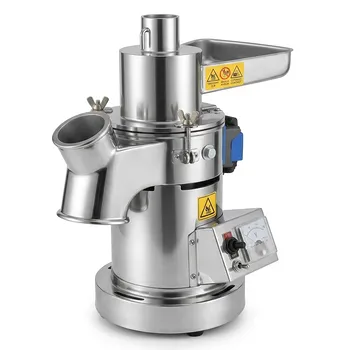
Continuous Feeding Grinder High Efficiency Pulverizer for Lab Sample Preparation
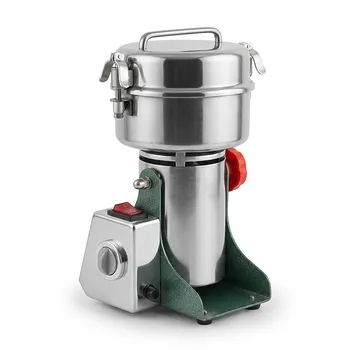
Small High-Speed Swing Grinder for Laboratory Sample Preparation
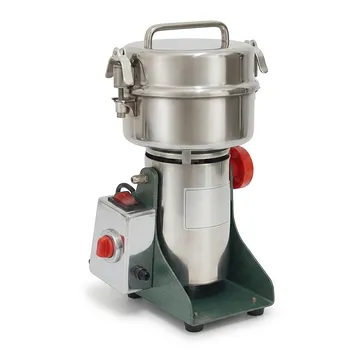
Small High Speed Grinder for Laboratory Sample Preparation
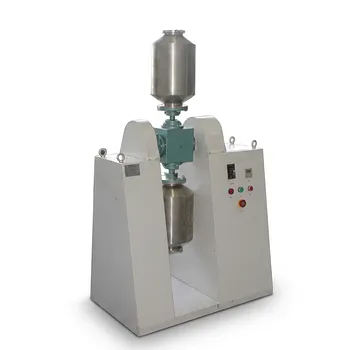
Multi Dimensional Universal Mixer for High Uniformity Powder Blending
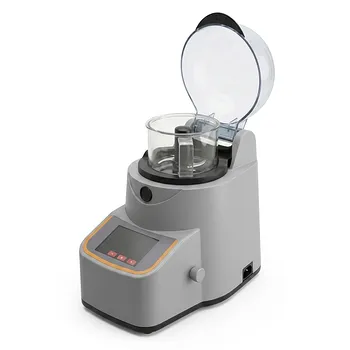
Industrial Knife Mill for Food and Biological Sample Preparation High Speed Laboratory Homogenizer