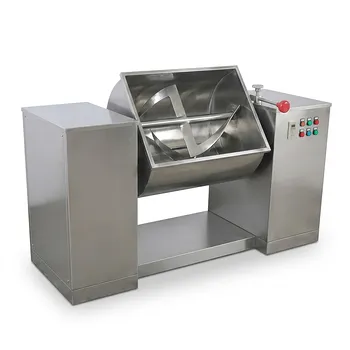
What are the advantages of planetary centrifugal mixing for nickel cathode regeneration? Superior material homogeneity.
Updated 5 months ago
Planetary centrifugal mixing technology represents a fundamental shift in material processing for battery regeneration. By creating a liquid-like environment, this technology ensures intimate contact between precursor salts and waste cathode particles, significantly accelerating elemental diffusion rates. This process eliminates the localized nickel-rich zones common in traditional stirring, effectively preventing the formation of detrimental rock-salt phases during subsequent heat treatment.
The Core Takeaway: Planetary centrifugal mixing transitions the synthesis process from inefficient solid-solid contact to high-kinetic liquid-solid interaction. This ensures chemical homogeneity at the sub-micron level, which is essential for restoring the electrochemical performance of regenerated nickel-based cathodes.
Overcoming the Kinetic Barriers of Traditional Mixing
The Transition to Liquid-Like Environments
Traditional mechanical stirring often relies on solid-solid contact, which is inherently limited by the surface area of the particles. Planetary centrifugal mixing utilizes the simultaneous forces of revolution and rotation to create a fluid-like state. This environment allows precursor salts to penetrate and interact with waste cathode particles far more effectively than a mechanical blade could.
Accelerated Elemental Diffusion
In the context of regenerating nickel-based materials, the speed of elemental diffusion is a critical performance factor. Because the planetary mixer induces a multi-scale vortex field, it forces ions into the material structure at a much higher rate than passive stirring. This kinetic boost is vital for ensuring that the chemical composition is restored uniformly across the entire batch.
Elimination of Compositional Inhomogeneity
A primary failure point in traditional mixing is the creation of localized nickel-rich areas. These "hot spots" are the precursor to the formation of the harmful rock-salt phase during the sintering process. Planetary technology ensures a uniform distribution of components, which chemically stabilizes the material and preserves its crystalline structure.
Enhancing Material Integrity and Processing Quality
Bladeless Shear and Structural Preservation
Unlike traditional paddles that can physically crush or degrade sensitive particles, planetary mixers are bladeless. They utilize high-intensity shear forces generated by the motion of the container itself. This allows for the homogenization of high-aspect-ratio materials or nanofibers without damaging their delicate physical structures.
Integrated Deaeration and Degassing
One of the most significant advantages of this technology is its ability to perform simultaneous deaeration. As the material is mixed, centrifugal forces drive micro-bubbles to the surface, eliminating them from the slurry. This results in a higher-density cathode coating and a more robust electronic conduction network in the final electrode.
Prevention of Cross-Contamination
Mechanical stirrers require complex cleaning of blades and shafts, which introduces the risk of cross-contamination. The planetary centrifugal design uses sealed containers, ensuring that the high-purity environment required for nickel-based cathode regeneration is never compromised. This is particularly important when working with expensive precursor salts and high-performance battery chemistries.
Understanding the Trade-offs
While planetary centrifugal mixing is technologically superior for achieving uniformity, it is important to recognize its limitations. The high-energy nature of the process can lead to significant heat generation, which may require monitoring when dealing with temperature-sensitive organic carriers. Additionally, planetary mixers are typically batch-processing units, which may require different workflow scaling compared to continuous-flow mechanical stirring systems.
How to Apply This to Your Project
When deciding whether to implement planetary centrifugal mixing for your regeneration process, consider your primary performance metrics.
- If your primary focus is phase purity and cycle life: Prioritize planetary centrifugal mixing to ensure the elimination of rock-salt phases through superior elemental diffusion.
- If your primary focus is high-viscosity slurry processing: Use planetary technology to achieve sub-micron dispersion and simultaneous degassing that traditional blades cannot facilitate.
- If your primary focus is high-volume, low-cost throughput: Evaluate whether the batch-size limitations of planetary mixers align with your production targets or if specialized industrial-scale units are required.
The adoption of planetary centrifugal mixing is a decisive step toward achieving the chemical precision necessary for high-quality nickel-based cathode regeneration.
Summary Table:
| Feature | Planetary Centrifugal Mixing | Traditional Mechanical Stirring |
|---|---|---|
| Mixing Mechanism | Revolution & Rotation (Bladeless) | Mechanical Blade/Impeller |
| Elemental Diffusion | Accelerated via multi-scale vortex | Limited by solid-solid contact |
| Phase Homogeneity | Sub-micron level; prevents rock-salt | Risk of localized nickel-rich zones |
| Degassing | Integrated simultaneous deaeration | Often introduces micro-bubbles |
| Contamination Risk | Zero (Sealed batch containers) | High (Shafts and blades) |
| Particle Integrity | High-intensity shear (No damage) | Potential physical degradation |
Elevate Your Battery Material Research with Precision Engineering
Achieving sub-micron homogeneity and phase purity in nickel-based cathode regeneration requires advanced processing equipment. [Your Brand Name] provides complete laboratory sample preparation solutions for material science, specializing in high-performance powder processing and compaction equipment.
Our extensive product range is designed to optimize every stage of your workflow:
- Advanced Mixing: Planetary centrifugal mixers and defoaming mixers for air-free, uniform dispersion.
- Precision Milling: Planetary ball mills, jet mills, and liquid nitrogen cryogenic grinders for optimal particle size distribution.
- Material Compaction: A full spectrum of hydraulic presses, including Cold/Warm Isostatic Presses (CIP/WIP), XRF pellet presses, and vacuum hot presses.
- Sizing & Preparation: Jaw/roll crushers and vibratory/air-jet sieve shakers for precise material grading.
Whether you are refining battery chemistries or developing new materials, our solutions ensure structural integrity and chemical consistency. Contact our experts today to find the perfect equipment for your laboratory and enhance your production quality!
References
- Moonsu Yoon, Ju Li. Upcycling spent medium-Ni cathodes <i>via</i> novel liquified salt sourcing. DOI: 10.1039/d5ee01086a
Mentioned Products
- High Viscosity Planetary Centrifugal Vacuum Mixer for Material Defoaming and Uniform Mixing
- High Efficiency Vacuum Planetary Centrifugal Mixer and Defoaming Machine for Industrial Material Research and Precise Laboratory Powder Dispersion
- High Speed Vacuum Planetary Centrifugal Mixer and Defoamer for Industrial Paste Processing
- Industrial Planetary Centrifugal Vacuum Defoaming Mixer for High Viscosity Paste and Powder Homogenization
- High Viscosity Planetary Centrifugal Mixing and Vacuum Defoaming Machine for Laboratory Material Preparation
People Also Ask
- What core functions does a planetary centrifugal mixer perform? Optimize Hard Carbon Anode Slurry & Degassing
- Why is a planetary centrifugal mixer recommended for geopolymer slurries? Achieve high-shear, air-free homogenization.
- Why is a planetary centrifugal mixer utilized for wood powder and HPMC? Achieve uniform dispersion & rapid defoaming.
- How does a planetary centrifugal mixer address key challenges in Tyr-CDs@EVA optical films? Ensure Optical Clarity.
- What is the role of a planetary centrifugal mixer in UHTC slurry preparation? Achieve Void-Free, High-Viscosity Mixing

Tech Team · PowderPreparation
Last updated on May 14, 2026
Related Products
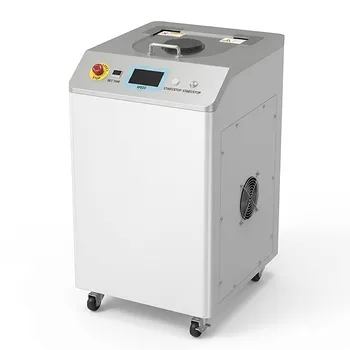
High Viscosity Planetary Centrifugal Vacuum Mixer for Material Defoaming and Uniform Mixing
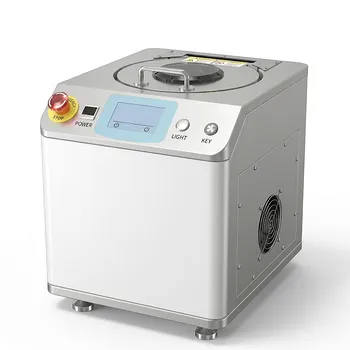
High Efficiency Vacuum Planetary Centrifugal Mixer and Defoaming Machine for Industrial Material Research and Precise Laboratory Powder Dispersion
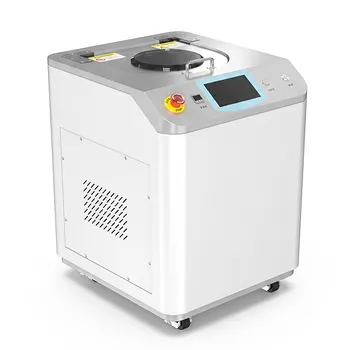
High Speed Vacuum Planetary Centrifugal Mixer and Defoamer for Industrial Paste Processing
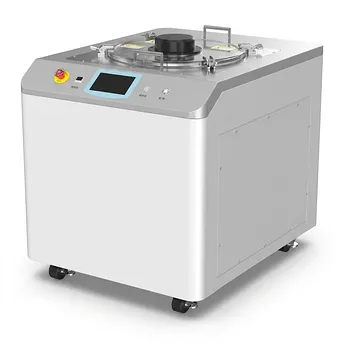
Industrial Planetary Centrifugal Vacuum Defoaming Mixer for High Viscosity Paste and Powder Homogenization
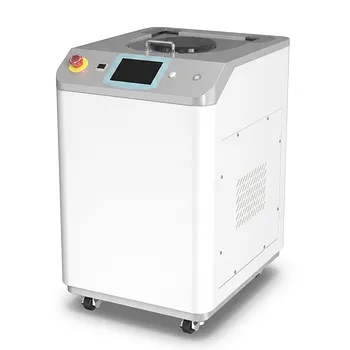
High Viscosity Planetary Centrifugal Mixing and Vacuum Defoaming Machine for Laboratory Material Preparation
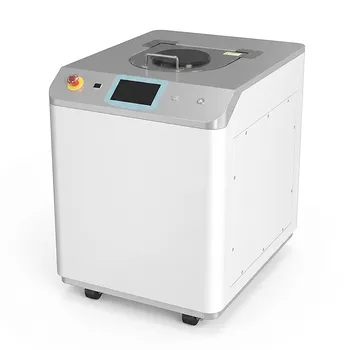
Industrial Planetary Centrifugal Vacuum Defoaming Mixer for High Viscosity Paste and Advanced Material Science
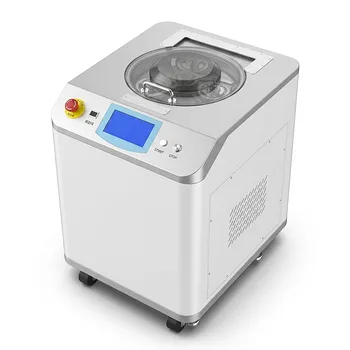
Dual Cup Vacuum Centrifugal Mixer Planetary Paste Defoaming Machine Industrial Material Processor
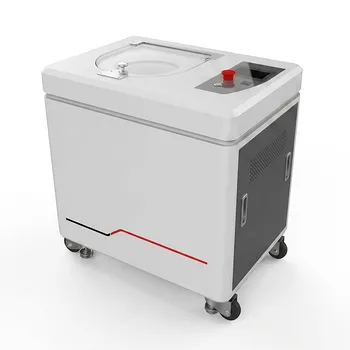
非介入式材料均质机真空脱泡行星搅拌高粘度混合设备
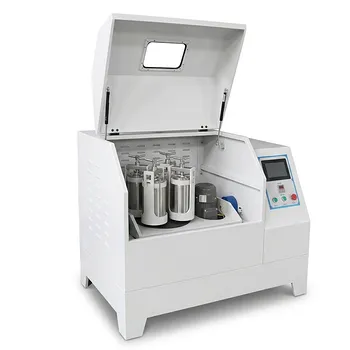
360° Rotating Omnidirectional Laboratory Planetary Ball Mill for Homogeneous Ultra-Fine Grinding and Mixing
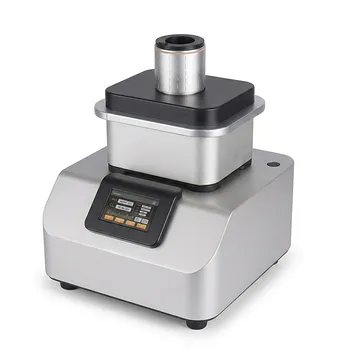
Ultra Centrifugal Mill High Speed Laboratory Grinder for Fibrous and Brittle Sample Preparation
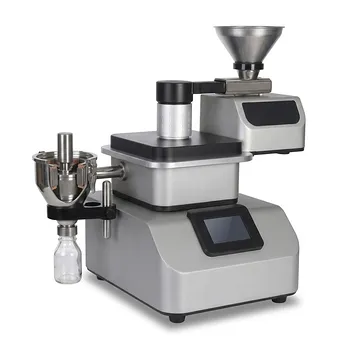
Ultra Centrifugal Mill for Rapid Laboratory Sample Preparation and Fine Powder Grinding
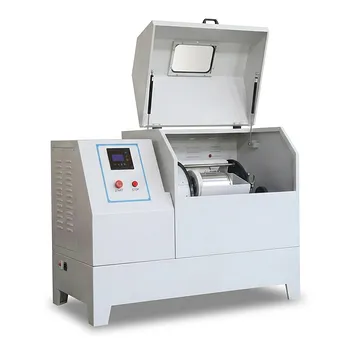
Heavy Duty Horizontal Planetary Ball Mill for Efficient Industrial Grinding and Sample Preparation
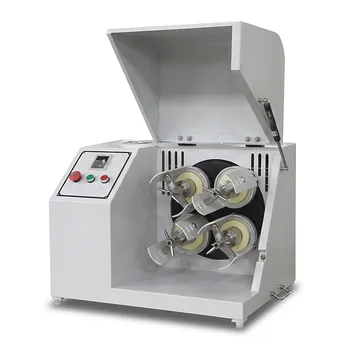
Horizontal Light Duty Planetary Ball Mill for Laboratory Sample Preparation

Vertical Production Planetary Ball Mill for High Throughput Powder Processing
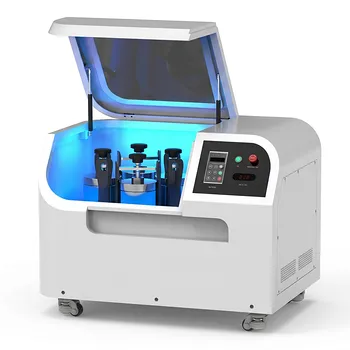
Planetary Ball Mill 12L
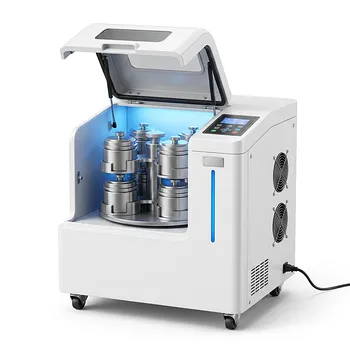
High Energy Omnidirectional Planetary Ball Mill 20L
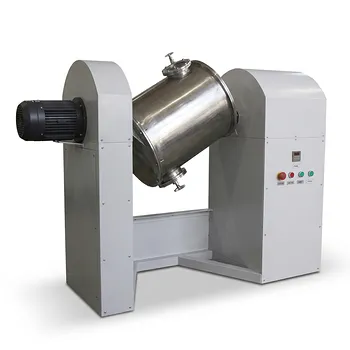
Inclined Mixer for Homogeneous Powder Blending and Grinding
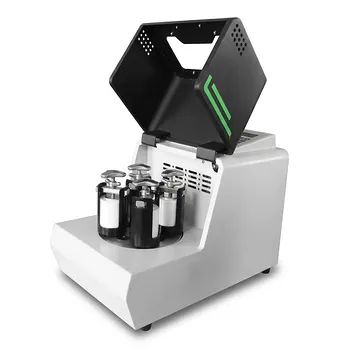
Miniature Planetary Ball Mill with Vacuum Grinding and High Efficiency for Laboratory Sample Preparation

High Energy Omnidirectional Planetary Ball Mill 16L