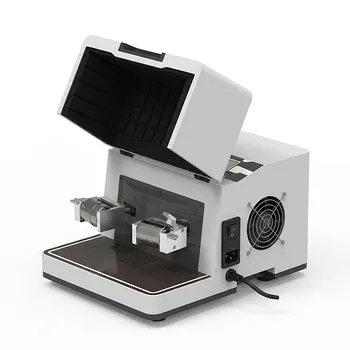
What advantages does a dual-jar planetary ball mill offer? High-energy mixing for advanced cutting tool synthesis.
Updated 5 months ago
The dual-jar planetary ball mill is a critical asset for developing self-lubricating cutting tools because it provides the extreme energy intensity and microscopic mixing uniformity necessary for advanced material synthesis. This equipment enables researchers to achieve sub-micron particle sizes and ensure a perfectly homogeneous distribution of solid lubricants within a ceramic or metal matrix. By leveraging synchronized rotational motion and programmable controls, it ensures that laboratory-scale experiments are both repeatable and scientifically rigorous.
Dual-jar planetary ball mills enable the creation of high-performance self-lubricating composites by combining extreme dynamic energy with precise programmable control. This setup overcomes the inherent challenges of material agglomeration and compositional deviation, which are common when mixing disparate ceramic and lubricant phases.
Enhancing Material Synthesis through High-Energy Dynamics
Superior Kinetic Energy Generation
A planetary ball mill generates powerful centrifugal, impact, and shear forces through the simultaneous rotation and revolution of the grinding jars. This synchronized, symmetrical motion produces significantly higher energy intensity compared to standard gravity mills. These forces are essential for breaking down the tough structural integrity of precursors used in cutting tool fabrication.
Rapid Particle Size Reduction
The high-frequency collisions within the jar allow for the rapid reduction of solid materials to nanoscale particle sizes, often reaching as low as 0.1 µm. This is particularly important for self-lubricating tools, where a fine grain structure directly correlates to improved mechanical strength and wear resistance. The ability to reach sub-micron fineness in a shorter timeframe increases laboratory throughput and efficiency.
Achieving Compositional Homogeneity
Eliminating Precursor Agglomeration
Solid lubricants, such as graphite or molybdenum disulfide, often suffer from agglomeration, which can create localized weaknesses in a cutting tool. The high-energy collisions in a planetary mill forcibly break these clusters apart. This ensures that the lubricant phase is evenly dispersed throughout the matrix rather than clumped in ineffective pockets.
Atomic-Level Mixing for the 'Cocktail Effect'
Achieving a uniform atomic-level mixture is a prerequisite for the "cocktail effect" and entropy stabilization mechanisms in modern composites. By ensuring microscopic mixing uniformity of five or more elements, the mill prevents the precipitation of secondary phases caused by local compositional deviations. This results in a composite material with highly consistent physical and chemical properties.
Precision and Purity in Laboratory Settings
Programmable Control for Repeatability
Laboratory-scale development requires strict repeatability to validate experimental hypotheses. Planetary mills offer programmable control over rotation speed, operation time, and cycles. This allows researchers to fine-tune the milling environment to achieve specific surface areas and enhanced sintering behaviors across multiple batches.
Minimizing Contamination
The use of replaceable grinding media, such as tungsten carbide or zirconia, ensures high purity during high-energy runs. This is vital for cutting tools, where even minor metallic contamination can compromise the hardness or thermal stability of the final product. The dual-jar configuration further balances the machine, reducing mechanical wear and potential debris from the equipment itself.
Understanding the Trade-offs
Thermal Management Challenges
The high energy intensity required for mechanical alloying generates significant internal heat within the grinding jars. If not carefully managed through programmed cooling cycles, this heat can lead to the unintended thermal degradation of sensitive solid lubricants.
Media Wear and Scalability
While specialized media minimizes contamination, high-energy impact eventually leads to media wear, which must be monitored to maintain material purity. Additionally, while dual-jar systems improve representativeness and sample mass, the parameters used in a laboratory mill may require complex recalibration when transitioning to industrial-scale production.
How to Apply This to Your Project
Making the Right Choice for Your Goal
Success in developing self-lubricating tools depends on aligning your milling strategy with your specific material requirements.
- If your primary focus is achieving maximum hardness: Utilize high-speed cycles with tungsten carbide media to ensure the finest possible grain size and minimal contamination.
- If your primary focus is lubricant dispersion: Prioritize longer duration, moderate-speed milling cycles to focus on breaking up agglomerates without over-processing the matrix material.
- If your primary focus is high-entropy alloy development: Use the programmable cycle features to implement frequent "rest" periods, preventing phase separation caused by excessive heat buildup.
By mastering the high-energy dynamics of the dual-jar planetary mill, researchers can bridge the gap between experimental composite design and high-performance industrial application.
Summary Table:
| Key Feature | Benefit for Researchers | Impact on Cutting Tool Quality |
|---|---|---|
| High-Energy Dynamics | Centrifugal & shear forces for nanoscale reduction | Increases hardness and mechanical strength |
| Compositional Homogeneity | Eliminates lubricant agglomeration (e.g., MoS2) | Ensures consistent wear resistance and friction |
| Programmable Controls | Precise regulation of speed, time, and cycles | Guarantees batch-to-batch repeatability |
| Specialized Media | Low-wear options like Tungsten Carbide/Zirconia | Maintains high purity and thermal stability |
Elevate Your Material Synthesis with Professional Lab Solutions
Are you looking to bridge the gap between experimental design and high-performance industrial applications? We provide complete laboratory sample preparation solutions tailored for material science and advanced powder processing.
Our specialized equipment lineup includes:
- High-Energy Milling: Planetary ball mills, jet mills, cryogenic grinders, and rotor mills for achieving sub-micron particle sizes.
- Powder Processing: Sieve shakers, powder mixers, and defoaming mixers for perfect homogeneity.
- Compaction Excellence: A full spectrum of hydraulic presses, including Cold/Warm Isostatic Presses (CIP/WIP), vacuum hot presses, and XRF pellet presses.
Whether you are developing self-lubricating cutting tools or high-entropy alloys, our equipment ensures the precision and durability your research demands.
Contact our technical team today to find the perfect solution for your laboratory needs!
References
- P. Sarma, Anil Borah. Solid Lubricants in Sustainable Manufacturing: A Review of Processing Techniques, Materials and Applications. DOI: 10.15282/ijame.22.4.2025.1.0978
Mentioned Products
- Dual Station Planetary Ball Mill 24L
- High Energy Laboratory Planetary Ball Mill for Nano Grinding and Colloidal Mixing of Hard and Brittle Materials
- Dual Jar High Energy Vibratory Ball Mill
- High Energy Omnidirectional Planetary Ball Mill 16L
- Heavy Duty Horizontal Planetary Ball Mill for Efficient Industrial Grinding and Sample Preparation
People Also Ask
- Why is a planetary ball mill required for PET micronization? Ensure Accurate Chemical Analysis of Reprocessed PET
- What is the core role of a planetary ball mill in the preparation of modified cellulose fillers? Key Insights
- How does a planetary ball mill contribute to the homogenization of trace elements? Achieve Sub-Micron Uniformity
- Why is an intermittent grinding process required for perovskites in a planetary ball mill? Ensure Stability & Purity
- What role does a planetary ball mill play in the synthesis of Li6PS5Cl (LPSCl)? Unlock High Ionic Conductivity

Tech Team · PowderPreparation
Last updated on May 14, 2026
Related Products
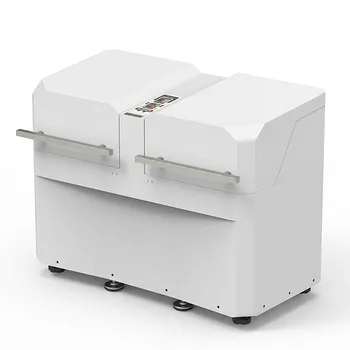
Dual Station Planetary Ball Mill 24L
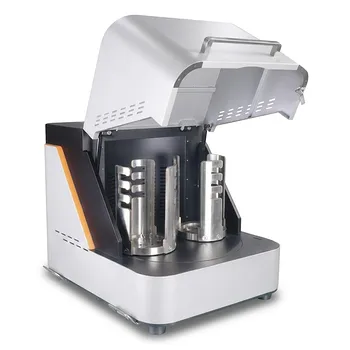
High Energy Laboratory Planetary Ball Mill for Nano Grinding and Colloidal Mixing of Hard and Brittle Materials
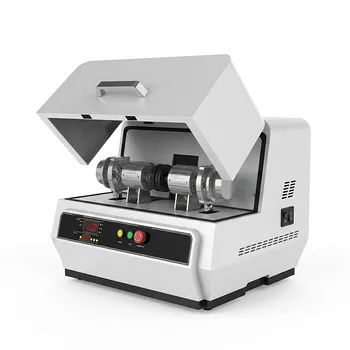
Dual Jar High Energy Vibratory Ball Mill
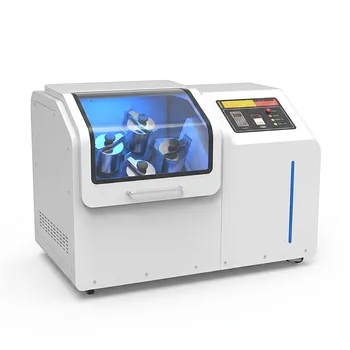
High Energy Omnidirectional Planetary Ball Mill 16L
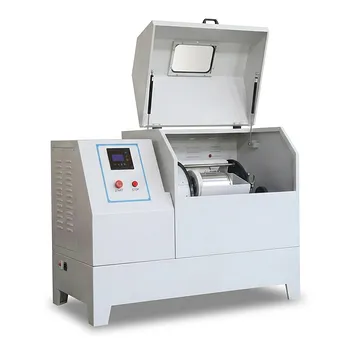
Heavy Duty Horizontal Planetary Ball Mill for Efficient Industrial Grinding and Sample Preparation
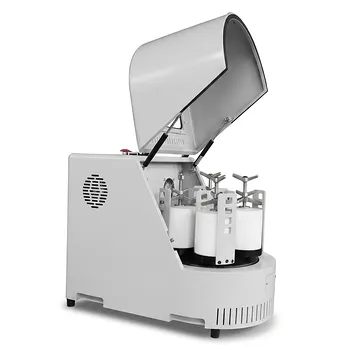
Vertical Semi Circular Planetary Ball Mill for Laboratory Precision Grinding
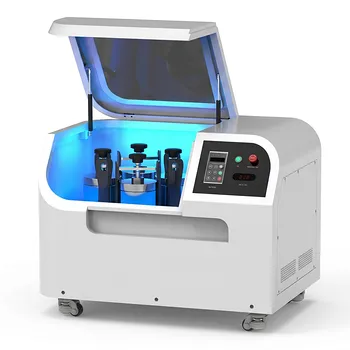
Planetary Ball Mill 12L
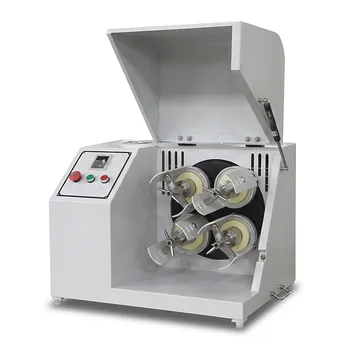
Horizontal Light Duty Planetary Ball Mill for Laboratory Sample Preparation
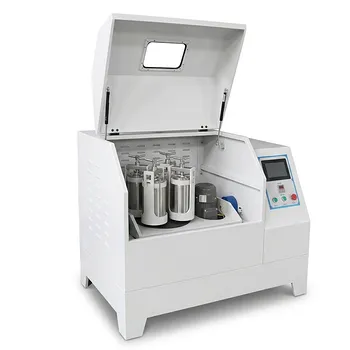
360° Rotating Omnidirectional Laboratory Planetary Ball Mill for Homogeneous Ultra-Fine Grinding and Mixing
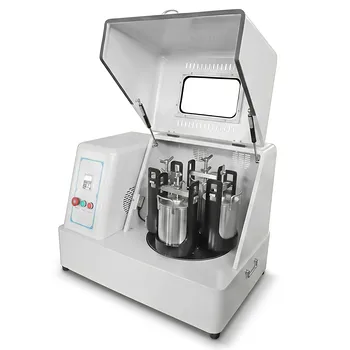
Vertical Square Planetary Ball Mill for Laboratory Sample Preparation and Nanoscale Grinding
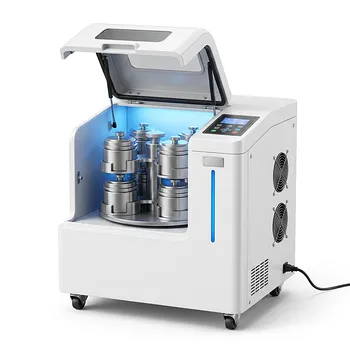
High Energy Omnidirectional Planetary Ball Mill 20L
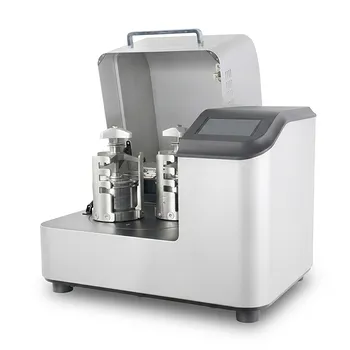
High Energy Planetary Ball Mill for Nano Scale Grinding and Mechanical Alloying
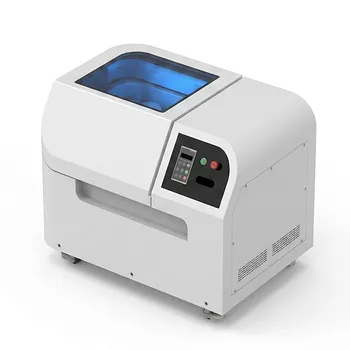
8L Planetary Ball Mill for Laboratory Grinding and Sample Preparation
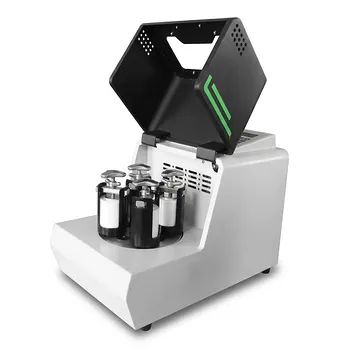
Miniature Planetary Ball Mill with Vacuum Grinding and High Efficiency for Laboratory Sample Preparation
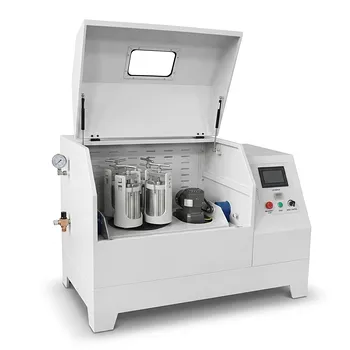
Vertical Production Planetary Ball Mill for High Throughput Powder Processing
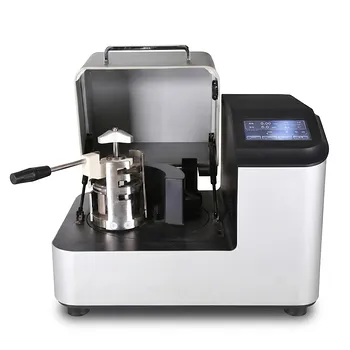
High Energy Laboratory Planetary Ball Mill for Nano Grinding and Material Science Sample Preparation
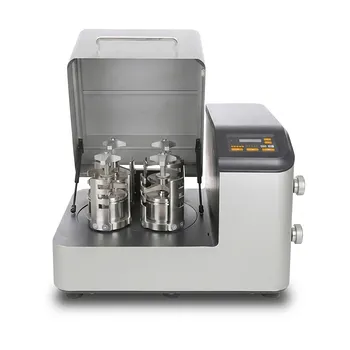
High Energy Planetary Ball Mill for Nano Scale Grinding and Colloidal Mixing in Material Science Research
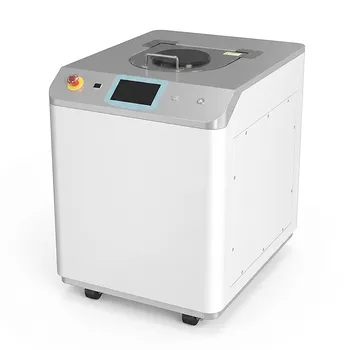
Industrial Planetary Centrifugal Vacuum Defoaming Mixer for High Viscosity Paste and Advanced Material Science
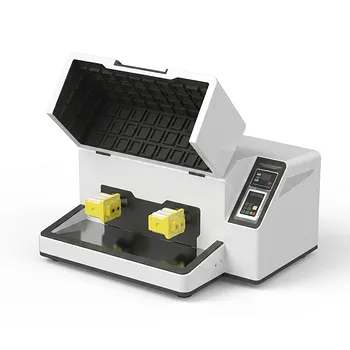
Multi-Platform Nanoscale High-Energy Vibratory Ball Mill