How is a laboratory vibratory sieve utilized to optimize the return fines embedding process in sintering experiments? Gain Precision
Updated 4 months ago
A laboratory vibratory sieve acts as the primary instrument for precise particle size classification, enabling researchers to segment sinter return fines into distinct, narrow diameter ranges. By isolating specific fractions—such as 1–3mm or 3–5mm—technicians can empirically determine which size optimized the permeability of the sintering bed. This controlled classification is the essential first step in identifying the "optimal embedding size" required to enhance the chemical and physical properties of the final sinter.
Core Takeaway: The vibratory sieve eliminates the guesswork in sintering experiments by providing a repeatable method to categorize return fines. This allows for the selection of specific particle size groups that maximize bed permeability and process efficiency.
Precision Classification of Return Fines
Multi-Stage Screening Capabilities
The vibratory sieve utilizes a stack of standard test sieves to perform multi-stage screening in a single operation. This process divides raw return fines into highly specific groups, typically ranging from less than 1mm to greater than 7mm.
Establishing the Particle Size Distribution (PSD)
By weighing the material retained on each sieve level, researchers create an accurate particle size distribution curve. This data serves as the baseline for all subsequent sintering experiments, ensuring that the material used is statistically representative of the entire batch.
Consistency in Experimental Feedstock
The mechanical vibration of the shaker ensures that the separation is consistent across different test runs. This repeatability is critical when comparing the impact of different embedding sizes on the sintering performance of specialized ores like Vanadium-Titanium Magnetite.
Optimizing Bed Permeability and Performance
Enhancing Gas Flow through the Sintering Bed
The primary goal of optimizing the embedding process is to improve bed permeability. By selecting return fines of a specific size, such as the 3–5mm range, researchers can reduce the resistance to airflow during the sintering process.
Improving Heat Transfer Efficiency
Properly sized return fines create a more uniform skeletal structure within the sintering mixture. This uniformity minimizes voids and promotes more consistent heat transfer, which is vital for achieving a high-quality fused product.
Identifying the "Sweet Spot" for Specific Ores
Different mineral compositions require different embedding strategies. The vibratory sieve allows researchers to isolate various fractions to find the specific "sweet spot" that maximizes mineral processing efficiency for the particular ore being studied.
Understanding the Trade-offs and Pitfalls
The Risk of Mesh Blinding
During the classification of fine or moist return fines, particles can become lodged in the sieve openings, a phenomenon known as blinding. This leads to inaccurate grading and may require the use of sieve cleaners or wet-sieving techniques to maintain data integrity.
Sample Degradation during Prolonged Vibration
Extended vibration times can cause attrition, where particles rub against each other and break down into smaller pieces. This results in a "fines shift" that makes the material appear finer than it actually is, potentially skewing the results of the embedding experiment.
Volume Limitations in Laboratory Equipment
Laboratory-grade sieves are designed for precision, not high throughput. Attempting to process too much material at once can lead to overloading, which prevents particles from reaching the mesh surface and results in poor separation efficiency.
How to Apply This to Your Project
To successfully optimize the embedding process, your approach to sieving must align with your specific experimental objectives and the characteristics of your raw materials.
- If your primary focus is maximizing bed permeability: Prioritize the isolation and testing of the 3–5mm and 5–7mm fractions to identify the size that offers the least resistance to airflow.
- If your primary focus is sintering yield and strength: Evaluate the impact of finer return fractions (1–3mm) to determine if they provide better interfacial bonding and a more robust sinter cake.
- If your primary focus is process repeatability: Standardize your vibration intensity and sieving duration to ensure that the particle size distribution of your feedstock remains constant across all experimental iterations.
By mastering the classification of return fines, you transform a variable waste product into a controlled technical component that directly enhances sintering outcomes.
Summary Table:
| Key Feature | Benefit for Sintering Experiments | Role of Vibratory Sieve |
|---|---|---|
| Particle Classification | Standardizes feedstock for consistent results | Precise multi-stage screening of fines |
| Bed Permeability | Enhances gas flow and sintering speed | Isolates optimal 3–5mm or 5–7mm fractions |
| Heat Transfer | Ensures uniform fusion and product quality | Creates a consistent skeletal structure |
| Data Accuracy | Establishes Particle Size Distribution (PSD) | Provides repeatable mechanical vibration |
Elevate Your Sintering Research with KINTEK
Precise classification is the foundation of high-performance sintering experiments. KINTEK provides complete laboratory sample preparation solutions for material science, specializing in the powder processing and compaction equipment you need for reliable data.
Our extensive line includes:
- Classification & Milling: High-precision vibratory and air-jet sieve shakers, planetary ball mills, jet mills, and disc mills.
- Sample Preparation: Jaw/roll crushers and liquid nitrogen cryogenic grinders.
- Powder Compaction: A full spectrum of hydraulic presses, including Cold/Warm Isostatic Presses (CIP/WIP), standard lab presses, and vacuum hot presses.
- Mixing: Powder mixers and vacuum defoaming mixers for uniform material preparation.
Whether you are optimizing bed permeability or developing specialized ores, our team is ready to provide the technical support and high-durability equipment your lab demands.
Ready to optimize your embedding process?
Contact KINTEK experts today to find the perfect sieving solution for your research.
References
- Shi-hong Peng, Guang Wang. Effect of Return Fines Embedding on the Sintering Behaviour of Vanadium Titanium Magnetite Concentrates. DOI: 10.3390/met13010062
Mentioned Products
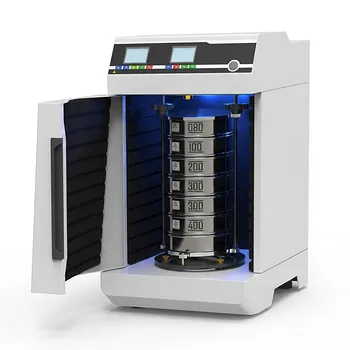
- Laboratory Dry and Wet Three Dimensional Vibratory Sieve Shaker for Particle Analysis
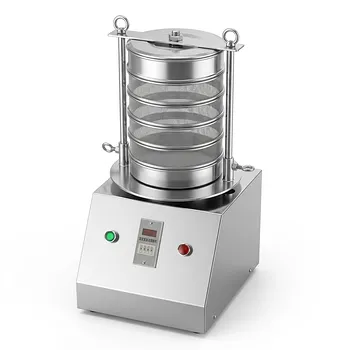
- Stainless Steel Laboratory Vibratory Test Sieve Shaker
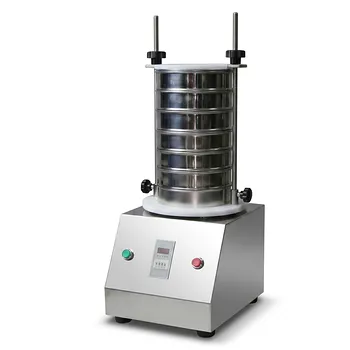
- Small Laboratory Vibratory Sieve Shaker for Powder Gradation and Particle Size Analysis
- Small Laboratory Vibrating Sieve Shaker for Precise Particle Size Analysis
- Laboratory Vibratory Test Sieve Shaker for Precision Particle Size Analysis and Powder Grading
People Also Ask
- What is the role of laboratory vibratory sieve shakers in waste PUR foam recycling? Optimize Particle Size and Density
- What is the primary function of a laboratory vibratory sieve shaker in the evaluation of sand liquefaction potential?
- What role do laboratory vibratory sieve shakers and test sieves play before the molding of Nb-Cu composite powders?
- What function does a laboratory vibratory sieve shaker serve in the production process of metakaolin? Optimize Reactivity
- Why is a precision laboratory vibratory sieve shaker necessary for particle size control? Optimize Biomass Carbonization

Tech Team · PowderPreparation
Last updated on Jun 03, 2026
Related Products
Laboratory Dry and Wet Three Dimensional Vibratory Sieve Shaker for Particle Analysis
Stainless Steel Laboratory Vibratory Test Sieve Shaker
Small Laboratory Vibratory Sieve Shaker for Powder Gradation and Particle Size Analysis
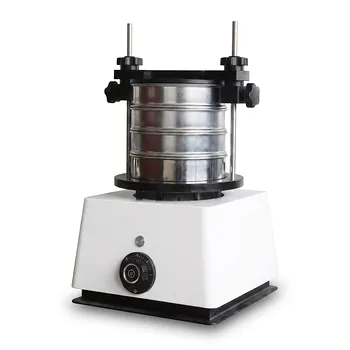
Small Laboratory Vibrating Sieve Shaker for Precise Particle Size Analysis
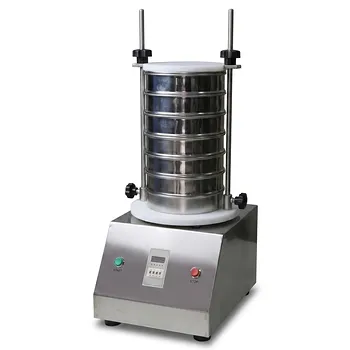
Laboratory Vibratory Test Sieve Shaker for Precision Particle Size Analysis and Powder Grading
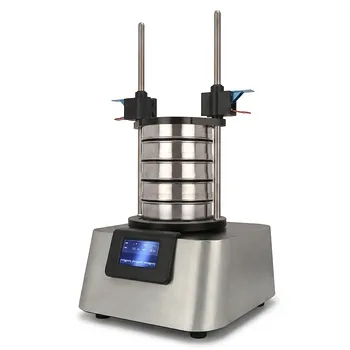
Vibratory Sieve Shaker Electromagnetic 3D Motion Powder Particle Size Analyzer for Dry and Wet Sieving
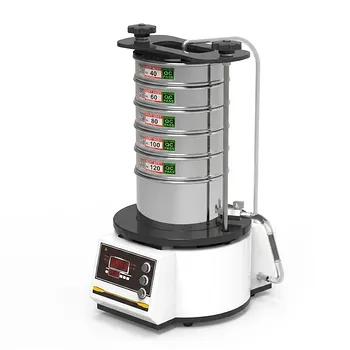
High Frequency Wet Three-Dimensional Vibrating Sieve Shaker for Dry and Wet Particle Size Analysis

Stainless Steel Rotary Vibrating Sieve High Precision Circular Vibratory Separator Industrial Powder Grading Machine Multi Layer Sifting Equipment
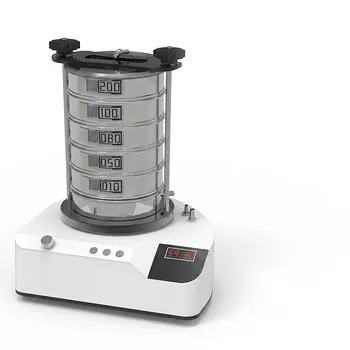
Heavy Duty Dry Three Dimensional Vibratory Sieve Shaker for Particle Separation
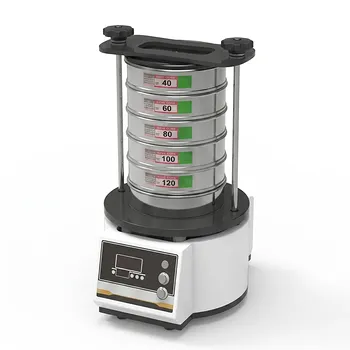
Dry Three Dimensional Vibratory Sieve Shaker
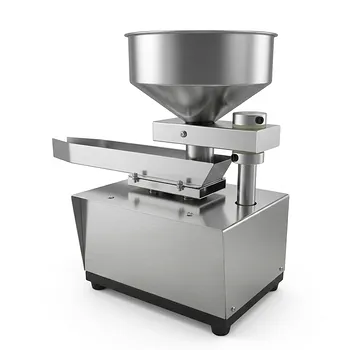
Automatic Vibrating Powder Feeder for Laboratory Material Processing Precision Vibratory Hopper Feeder for Granular and Powder Material Handling Industrial Grade Vibrating Tray Feeder for Consistent Material Sample Preparation
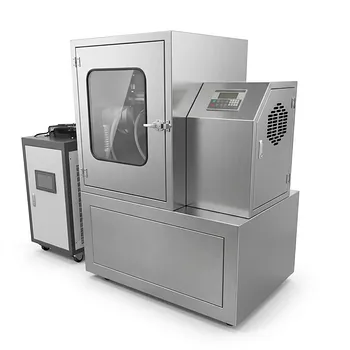
Vibratory Superfine Grinder for Ultra Fine Laboratory Powder Milling
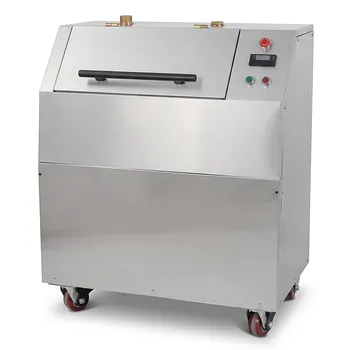
Vibratory Disc Mill for Rapid Fine Grinding and High Throughput Sample Preparation of Hard and Brittle Materials
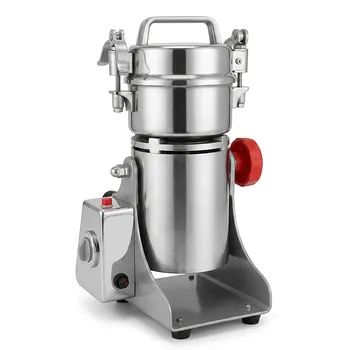
Industrial High Speed Small Sample Pulverizer Swing Type Laboratory Grinder for Powder Processing
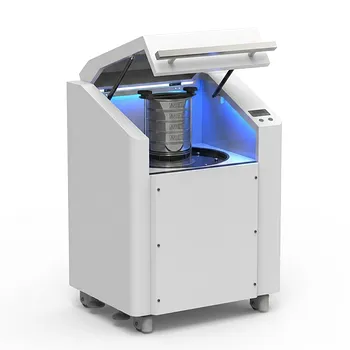
High Frequency Cabinet Type Three-Dimensional Rotary Vibrating Sieve Shaker for Dry Sieving and Particle Classification
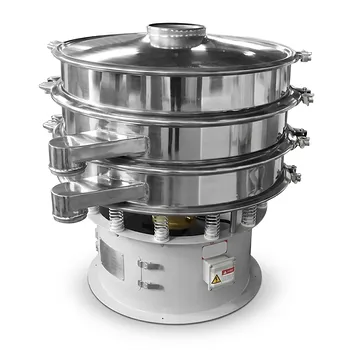
Three Dimensional Rotary Vibrating Sieve
High Energy Hybrid Vibratory Ball Mill for Grinding Mixing and Cell Disruption
Laboratory Air Jet Sieving Machine for Fine Powder Particle Size Analysis and Deagglomeration
三维电磁微量振动筛分仪