How does the geometric structure of ball mill liners influence drive power? Expert Guide to Energy Savings
Updated 4 months ago
The geometric structure of ball mill liners is a fundamental determinant of equipment energy efficiency. By dictating the lift and fall of grinding media, the liner shape directly alters the center of gravity and the resistance torque of the internal load. This interaction determines the instantaneous torque required from the motor, meaning that optimized geometries—such as stepped liners—can maintain high grinding performance while significantly lowering drive power and stabilizing the operating current.
Liner geometry controls the mechanical leverage of the mill's load; optimizing this structure reduces resistance torque and stabilizes power draw, leading to measurable energy savings without compromising throughput.
The Mechanics of Torque and Center of Gravity
How Geometry Shifts the Load
The internal profile of a liner determines how high the grinding media and ore are lifted before they cascade or cataract. This lifting action physically shifts the center of gravity of the mill’s internal mass away from the vertical axis.
A liner that lifts the load too high or holds it too long increases the distance between the center of gravity and the center of rotation. This increases the instantaneous torque required to keep the mill turning, directly raising energy consumption.
Managing Resistance Torque
The geometric interaction between the liner and the media creates resistance torque within the grinding charge. If the liner shape causes excessive internal friction or inefficient media movement, the motor must work harder to overcome this resistance.
Optimized structures minimize unnecessary resistance while ensuring the media is positioned correctly for maximum impact. This balance ensures that the energy supplied to the drive is used for grinding rather than overcoming mechanical drag.
The Performance Profile of Stepped Liners
Achieving Power Stability
Stepped liners are specifically engineered to provide a more consistent lift-and-release cycle for the grinding media. Compared to flat or irregularly shaped structures, the stepped profile helps keep the operating current and drive power significantly more stable.
This stability prevents the "surging" often seen in older or worn liner designs. Stable power draw reduces stress on the electrical components and the motor, leading to longer equipment life and more predictable energy costs.
Balancing Efficiency and Consumption
A common misconception is that reducing drive power must come at the cost of grinding performance. However, stepped liners maintain high grinding efficiency by optimizing the trajectory of the balls.
By focusing the energy on the impact zone rather than wasted lifting height, these liners provide a dual benefit. They ensure the material is processed effectively while keeping the overall drive power relatively lower than alternative designs.
Understanding the Trade-offs and Pitfalls
The Risk of Excessive Wear
While aggressive liner profiles can improve lift and grinding efficiency, they are often subject to faster localized wear. As the geometric structure wears down, its ability to control the center of gravity diminishes, often leading to a gradual increase in power consumption.
Over-Optimization and Media Damage
If a liner geometry is optimized solely for energy reduction, it may fail to lift the media high enough for effective impact. This can lead to "slugging" or inefficient grinding, where the mill consumes less power but fails to meet production targets, ultimately increasing the cost per ton of material processed.
Implementing Structural Optimization in Your Facility
How to Select a Liner Based on Your Objectives
Choosing the right liner requires balancing the need for material throughput with the reality of energy costs. Use the following guidelines to align your liner geometry with your operational goals.
- If your primary focus is Maximum Energy Savings: Implement stepped liner structures to stabilize the operating current and minimize the drive power required for the load.
- If your primary focus is Consistent Material Fineness: Prioritize a geometry that maintains a specific lift trajectory to ensure the grinding media hits the toe of the charge accurately.
- If your primary focus is Reducing Maintenance Downtime: Choose a profile that balances lifting efficiency with a thicker wear-base to prevent rapid geometry degradation.
By aligning the geometric structure of your liners with the mechanical requirements of your mill, you can transform a standard component into a significant driver of operational efficiency.
Summary Table:
| Factor | Influence on Energy & Power | Operational Impact |
|---|---|---|
| Center of Gravity | Higher lift increases distance from rotation axis. | Increases instantaneous torque and power draw. |
| Resistance Torque | Inefficient shapes cause internal mechanical drag. | Forces motor to work harder, wasting energy. |
| Stepped Geometry | Provides consistent media lift and release cycles. | Stabilizes operating current and reduces surging. |
| Wear Profile | Geometry degradation over time reduces lift control. | Leads to gradual increase in power consumption. |
| Impact Trajectory | Optimized fall zones focus energy on material. | Maintains high throughput with lower drive power. |
Elevate Your Material Research with Precision Sample Preparation
At our core, we provide complete laboratory sample preparation solutions tailored for material science. Whether you are optimizing grinding media trajectories or requiring precise powder compaction, our high-performance equipment ensures maximum efficiency and stabilized power consumption.
Our specialized product lines include:
- Advanced Milling: Planetary ball mills, jet mills, liquid nitrogen cryogenic grinders, and rotor mills.
- Precision Pressing: Cold/Warm Isostatic Presses (CIP/WIP), vacuum hot presses, and XRF pellet presses.
- Sieving & Mixing: Air-jet sieve shakers, powder mixers, and high-speed defoaming mixers.
Why Partner With Us? We don't just supply hardware; we provide expertise in powder processing and material behavior. From reducing energy costs in primary crushing to achieving extreme fineness in jet milling, our solutions are engineered for durability and scientific accuracy.
Contact our technical experts today to find the perfect equipment configuration for your laboratory's needs!
References
- Jun Shen, Mingrong Huang. Discrete element simulation analysis of ball mill ball trajectory and liner plate structure based on EDEM. DOI: 10.55214/25768484.v9i4.6037
Mentioned Products
- Heavy Duty Horizontal Planetary Ball Mill for Efficient Industrial Grinding and Sample Preparation
- High Energy Omnidirectional Planetary Ball Mill 20L
- Dual Station Planetary Ball Mill 24L
- Vertical Semi Circular Planetary Ball Mill for Laboratory Precision Grinding
- High Energy Omnidirectional Planetary Ball Mill 16L
People Also Ask
- Why grind lime-pozzolan specimens for TG/DTA for 3 mins? Master sample prep for high-precision thermal analysis.
- What is the role of a planetary ball mill in the mechanical activation of ZTA powder? Boost Sintering Performance
- What is the function of a planetary ball mill in wollastonite ceramic prep? Achieve Molecular Homogenization & Reactivity
- How does a planetary ball mill contribute to the homogenization of trace elements? Achieve Sub-Micron Uniformity
- What is the function of a high-performance planetary ball mill in AMZ laminates? Master Ceramic Homogenization.

Tech Team · PowderPreparation
Last updated on Jun 03, 2026
Related Products
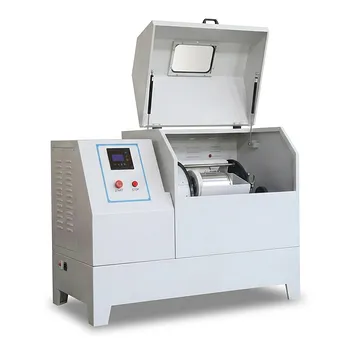
Heavy Duty Horizontal Planetary Ball Mill for Efficient Industrial Grinding and Sample Preparation
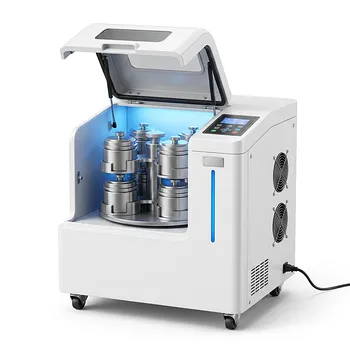
High Energy Omnidirectional Planetary Ball Mill 20L
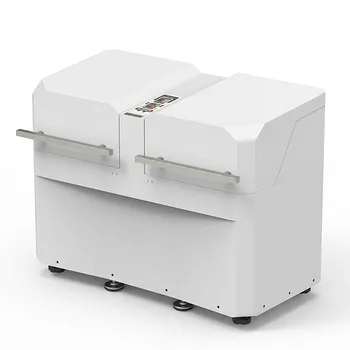
Dual Station Planetary Ball Mill 24L
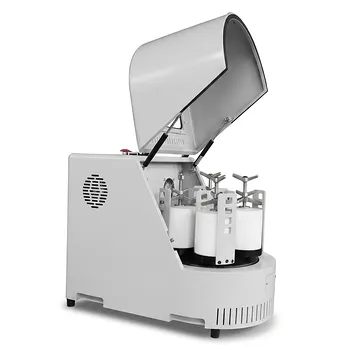
Vertical Semi Circular Planetary Ball Mill for Laboratory Precision Grinding
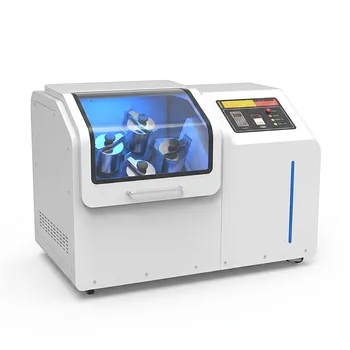
High Energy Omnidirectional Planetary Ball Mill 16L

Vertical Production Planetary Ball Mill for High Throughput Powder Processing
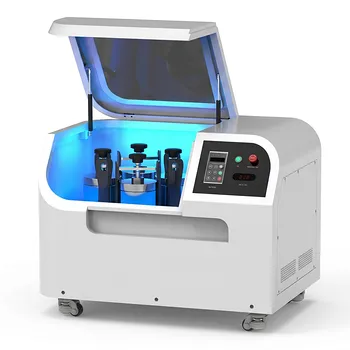
Planetary Ball Mill 12L
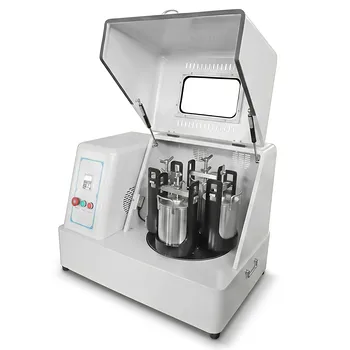
Vertical Square Planetary Ball Mill for Laboratory Sample Preparation and Nanoscale Grinding
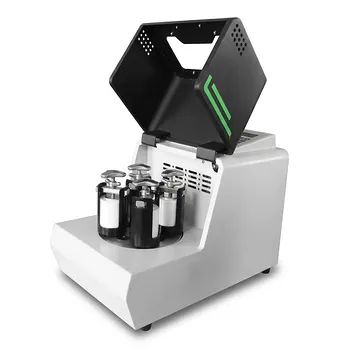
Miniature Planetary Ball Mill with Vacuum Grinding and High Efficiency for Laboratory Sample Preparation
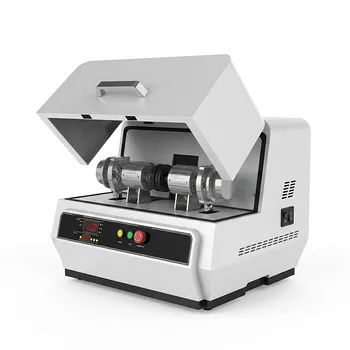
Dual Jar High Energy Vibratory Ball Mill
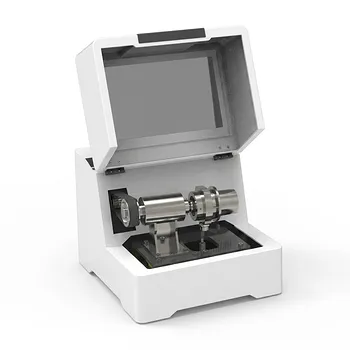
Single Tank High Energy Vibratory Ball Mill for Laboratory Grinding and Mixing

360° Rotating Omnidirectional Laboratory Planetary Ball Mill for Homogeneous Ultra-Fine Grinding and Mixing
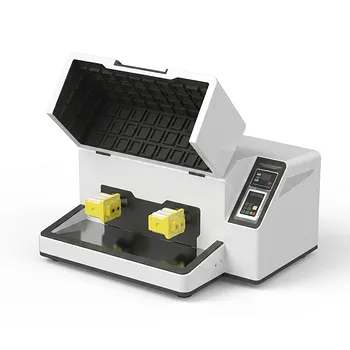
Multi-Platform Nanoscale High-Energy Vibratory Ball Mill
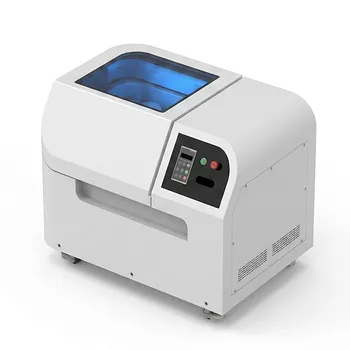
8L Planetary Ball Mill for Laboratory Grinding and Sample Preparation
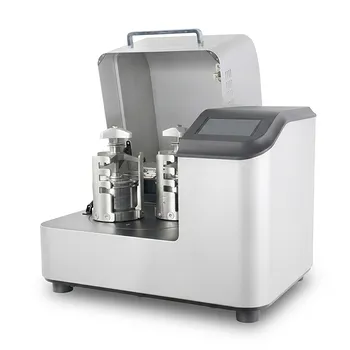
High Energy Planetary Ball Mill for Nano Scale Grinding and Mechanical Alloying
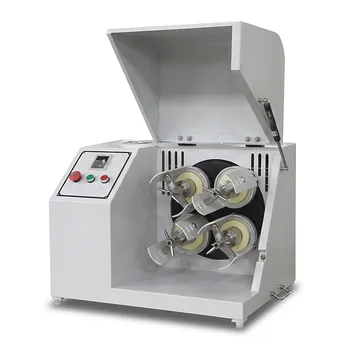
Horizontal Light Duty Planetary Ball Mill for Laboratory Sample Preparation
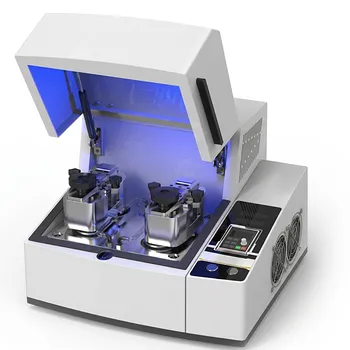
Laboratory Nano High Energy Ball Mill Ultrafine Grinding Mechanical Alloying
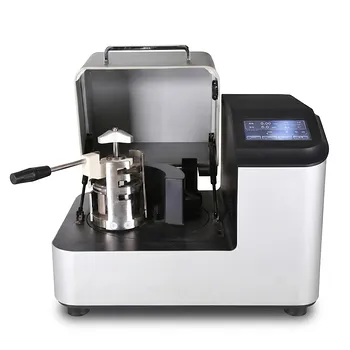
High Energy Laboratory Planetary Ball Mill for Nano Grinding and Material Science Sample Preparation
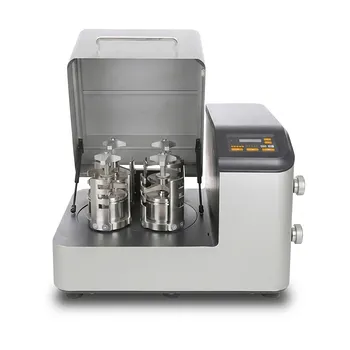
High Energy Planetary Ball Mill for Nano Scale Grinding and Colloidal Mixing in Material Science Research