How high-energy mixing influences fly ash geopolymer reactions? Optimize fireproof concrete preparation.
Updated 4 months ago
High-energy mixing is the critical catalyst for achieving complete geopolymerization between fly ash and inorganic binders. It utilizes intense mechanical shear force to ensure the alkaline activator and aluminosilicate precursors achieve total contact, initiating a uniform polycondensation reaction. This process transforms the mixture into a stable, fire-resistant inorganic three-dimensional network that is structurally superior to conventionally mixed materials.
High-energy mixing eliminates material agglomeration to ensure a homogenous chemical reaction across the entire slurry. This level of microscopic uniformity is the foundation for creating geopolymer concrete that meets the strictest passive fire protection standards for high-stakes infrastructure.
The Mechanics of High-Energy Mixing
Leveraging Mechanical Shear Force
Industrial-grade mixing equipment uses mechanical shear force to forcibly combine the activator solution with fly ash powder. This force is necessary to break down the surface tension and physical barriers that often prevent liquid activators from penetrating dry precursors.
Eliminating Precursor Agglomeration
A primary challenge in geopolymer preparation is the tendency of fine fly ash particles to form clumps or agglomerations. High-energy mixing ensures these clusters are dispersed, allowing every particle to participate in the chemical reaction rather than remaining as an unreacted "weak spot" in the final matrix.
Optimizing the Geopolymerization Reaction
Facilitating Total Precursor-Activator Contact
The geopolymerization reaction relies on the successful interaction between aluminosilicate precursors and the alkaline activator. High-energy mixing maximizes the surface area available for this interaction, ensuring the reaction is not just localized but occurs throughout the entire volume of the material.
Initiating Uniform Polycondensation
By ensuring a homogenous distribution of components, high-energy mixing initiates a uniform polycondensation reaction. This consistency is vital for the stability of the final bonding strength, preventing the internal stresses that occur when different areas of the concrete cure at different rates or intensities.
The Impact on Material Performance
Creating the Inorganic Three-Dimensional Network
The goal of the mixing process is the formation of a stable inorganic three-dimensional network. This microscopic structure is what gives geopolymer concrete its unique mechanical properties and long-term durability compared to traditional Portland cement.
Maximizing Passive Fire Protection
The inorganic nature of the resulting geopolymer network provides superior fire resistance. Because the structure is not carbon-based and has been uniformly reacted, it performs exceptionally well in high-temperature scenarios such as tunnels, underground spaces, and high-rise buildings.
Common Pitfalls to Avoid
Risks of Low-Energy Mixing
Using standard mixing equipment often results in an incomplete geopolymerization reaction. This leaves unreacted fly ash within the structure, which significantly compromises both the structural integrity and the fire-rated performance of the concrete.
Inconsistency in Bonding Strength
Without high-efficiency homogenization, the bonding strength of the concrete can vary wildly throughout a single pour. This lack of stability is particularly dangerous in composite materials, such as wood-geopolymer structures, where uniform adhesion is required to prevent delamination under thermal stress.
How to Apply This to Your Project
Selecting the Right Approach for Your Goal
To ensure your geopolymer concrete meets the necessary safety and performance benchmarks, tailor your mixing strategy to your specific application requirements.
- If your primary focus is Passive Fire Protection: Use industrial-grade, high-energy mixers to ensure the formation of a complete inorganic network that can withstand extreme thermal loads.
- If your primary focus is Structural Stability in Composites: Prioritize mechanical shear force during the mixing stage to eliminate agglomeration and ensure uniform bonding strength across all material interfaces.
- If your primary focus is Infrastructure Longevity: Ensure the activator and fly ash reach full contact to prevent the presence of unreacted precursors that could degrade over time.
By mastering the high-energy mixing process, you ensure that the chemical potential of fly ash is fully realized, resulting in a high-performance material ready for the most demanding environments.
Summary Table:
| Process Aspect | Influence of High-Energy Mixing | Resulting Material Benefit |
|---|---|---|
| Particle Distribution | Breaks down fly ash agglomerations via shear force | Homogeneous chemical reaction throughout slurry |
| Chemical Contact | Maximizes surface contact between precursor & activator | Complete geopolymerization with no 'weak spots' |
| Polycondensation | Initiates uniform molecular bonding/cross-linking | Stable, high-strength inorganic 3D network |
| Thermal Stability | Ensures a non-carbon, fully reacted matrix | Superior passive fire protection for infrastructure |
| Bonding Strength | Eliminates internal stresses during the curing phase | Consistent structural integrity in composite materials |
Elevate Your Material Research with Expert Sample Preparation
Achieving superior geopolymer performance starts with precise powder processing and high-efficiency mixing. At [Your Brand Name], we provide complete laboratory sample preparation solutions for material science, specializing in equipment that ensures your inorganic binders react perfectly every time.
Our extensive product line supports every stage of your workflow:
- Advanced Mixing: Powder mixers and defoaming mixers designed to eliminate agglomeration and ensure homogeneous slurries.
- Precursor Processing: High-performance planetary ball mills, jet mills, and cryogenic grinders for optimal particle size distribution.
- Precision Compaction: A full spectrum of hydraulic presses, including Cold/Warm Isostatic Presses (CIP/WIP), hot presses, and vacuum hot presses for dense material structures.
- Sizing & Analysis: Sieve shakers and crushers (jaw/roll) to prepare your raw materials to exact specifications.
Ready to optimize your geopolymer and powder processing results? Contact our technical team today to find the ideal solution for your laboratory’s unique requirements!
References
- Chinnasami Sivaji. Advanced Fire-Resistant Materials for Future Construction Using the Weighted Product Method. DOI: 10.46632/bmes/3/3/3
Mentioned Products
- Single Tank High Energy Vibratory Ball Mill for Laboratory Grinding and Mixing
- High Energy Laboratory Planetary Ball Mill for Nano Grinding and Colloidal Mixing of Hard and Brittle Materials
- High Efficiency Vacuum Planetary Centrifugal Mixer and Defoaming Machine for Industrial Material Research and Precise Laboratory Powder Dispersion
- High Speed Vacuum Planetary Centrifugal Mixer and Defoamer for Industrial Paste Processing
- High Viscosity Planetary Centrifugal Vacuum Mixer for Material Defoaming and Uniform Mixing
People Also Ask
- What is the primary purpose of using a vibratory ball mill in the preparation of respirable carbon fiber fragments?
- What is the purpose of using a vibratory ball mill for Al-Ni-Fe alloy ribbons? Achieve High Catalytic Activity
- Why is a vibratory ball mill preferred over a planetary ball mill for rapid powder particle refinement? High-Speed Impact
- How does a high-energy vibratory ball mill improve the performance of MgH2? Optimize Hydrogen Storage Kinetics
- What role do high-energy ball mills play in the preparation of reinforcements for hybrid metal matrix composites?

Tech Team · PowderPreparation
Last updated on Jun 03, 2026
Related Products

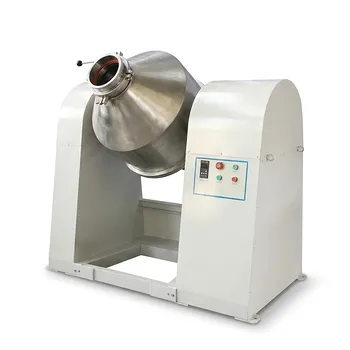
Single Tank High Energy Vibratory Ball Mill for Laboratory Grinding and Mixing
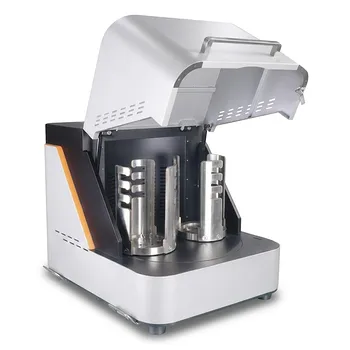
High Energy Laboratory Planetary Ball Mill for Nano Grinding and Colloidal Mixing of Hard and Brittle Materials
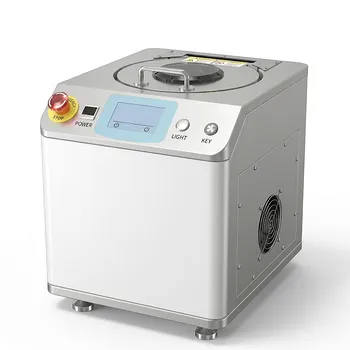
High Efficiency Vacuum Planetary Centrifugal Mixer and Defoaming Machine for Industrial Material Research and Precise Laboratory Powder Dispersion
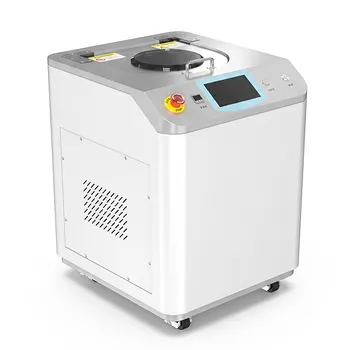
High Speed Vacuum Planetary Centrifugal Mixer and Defoamer for Industrial Paste Processing
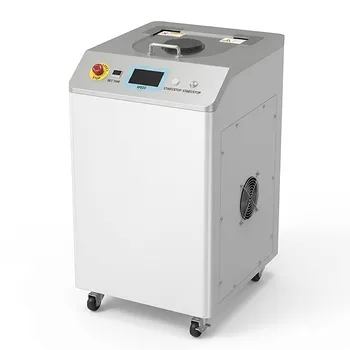
High Viscosity Planetary Centrifugal Vacuum Mixer for Material Defoaming and Uniform Mixing
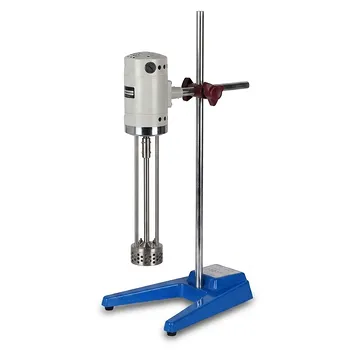
High Shear Laboratory Emulsifier for Mixing and Homogenization
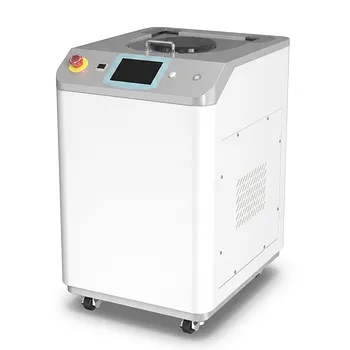
High Viscosity Planetary Centrifugal Mixing and Vacuum Defoaming Machine for Laboratory Material Preparation
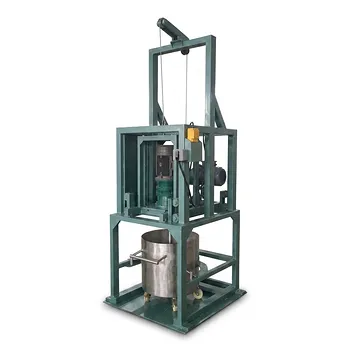
High-Speed Simple Disperser for Efficient Mixing, Dispersion, and Emulsification
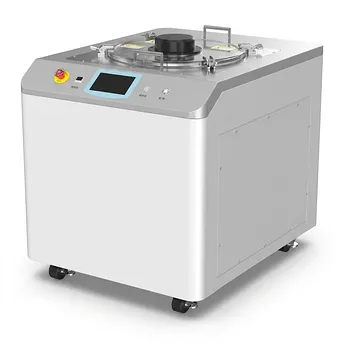
Industrial Planetary Centrifugal Vacuum Defoaming Mixer for High Viscosity Paste and Powder Homogenization
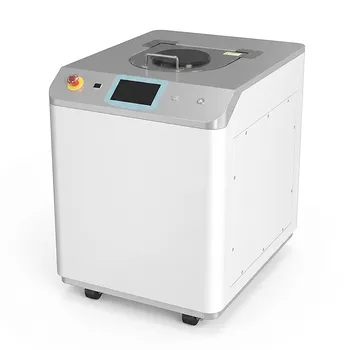
Industrial Planetary Centrifugal Vacuum Defoaming Mixer for High Viscosity Paste and Advanced Material Science

High Energy Laboratory Planetary Ball Mill for Nano Grinding and Material Science Sample Preparation
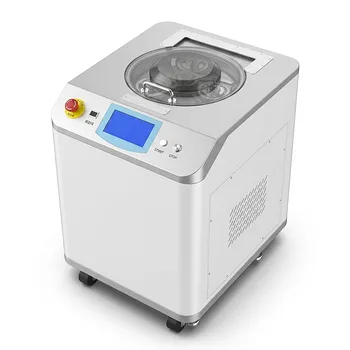
Dual Cup Vacuum Centrifugal Mixer Planetary Paste Defoaming Machine Industrial Material Processor
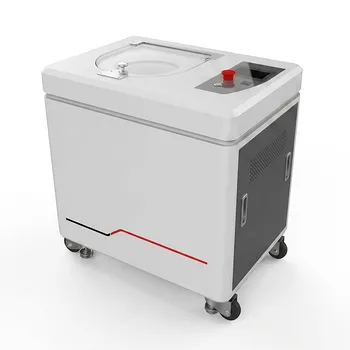
非介入式材料均质机真空脱泡行星搅拌高粘度混合设备
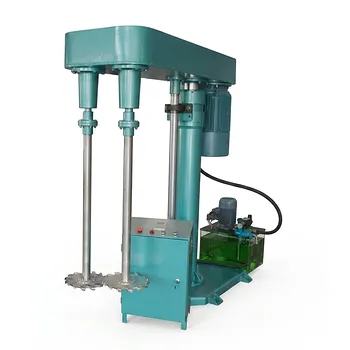
Hydraulic Double Shaft Disperser for High Viscosity Liquid Mixing and Dispersion

High Energy Omnidirectional Planetary Ball Mill 16L
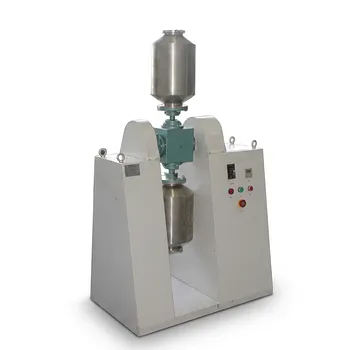
Multi Dimensional Universal Mixer for High Uniformity Powder Blending
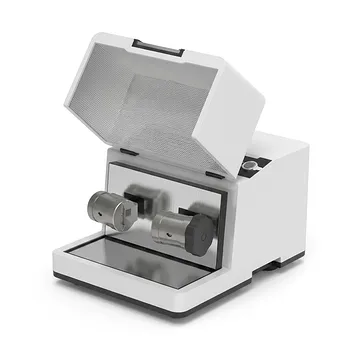
Heating Temperature Controlled High Energy Vibratory Ball Mill
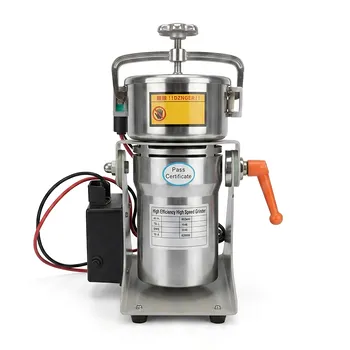
High Efficiency High Speed Grinder Laboratory Mill 1300W 25000rpm
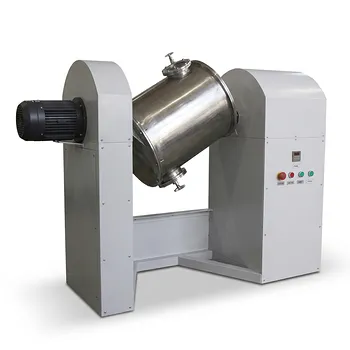
Inclined Mixer for Homogeneous Powder Blending and Grinding