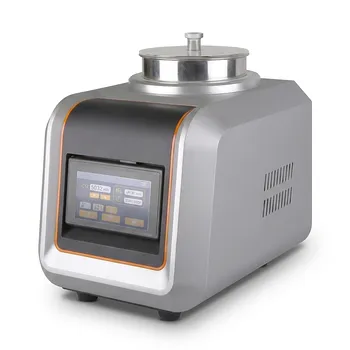
How does an automatic vibratory sieve shaker contribute to assessing the processing performance of recycled plastic flakes?
Updated 4 months ago
Quantifying Particle Size Distribution (PSD) is the primary way an automatic vibratory sieve shaker assesses the processing performance of recycled plastic flakes. By precisely separating flakes into specific size ranges, the device provides the data necessary to predict bulk density, feeding stability, and the risk of extruder clogging.
Core Takeaway: The sieve shaker acts as a diagnostic tool that translates physical flake dimensions into actionable processing parameters. It ensures that the recycled material possesses the uniformity required to maintain stable extrusion and consistent product quality.
The Link Between Particle Size and Extrusion Efficiency
Optimizing Extruder Feeding Stability
The size distribution of recycled flakes directly influences how they flow through an extruder's hopper and screw. Inconsistent particle sizes lead to "bridging" or uneven feeding, which causes output fluctuations and pressure surges during processing.
Managing Bulk Density and Flow
An automatic sieve shaker determines the ratio of fines to oversized pieces, which dictates the material's bulk density. High concentrations of fines can drastically change the melting rate, while oversized flakes may fail to enter the screw flights, leading to starvation of the extruder.
Preventing Equipment Downtime
Data from sieve analysis allows operators to optimize the crushing and grinding processes upstream. By identifying a high percentage of oversized material early, facilities can adjust their granulators to prevent downstream clogging of melt filters or die heads.
Advanced Technical Advantages of Vibratory Analysis
Precision Through 3D Throwing Action
Modern vibratory shakers employ a controlled 3D throwing motion that ensures flakes are tossed vertically while rotating across the mesh surface. This action is critical for flat, irregular plastic flakes, as it prevents them from simply "rafting" over the holes without being sized.
Reducing Mesh Blinding
Recycled plastics often carry electrostatic charges or residual contaminants that cause particles to stick to the sieve. The high-frequency vibration of an automatic shaker provides the energy necessary to overcome these forces, ensuring the mesh remains open for accurate measurement.
Enhancing Density Separation Recovery
For many recyclers, sieve analysis is a prerequisite for effective sink-float or air classification recovery. By narrowing the particle size range, the shaker ensures that density-based separation equipment can operate with maximum precision, as uniform sizes respond more predictably to buoyancy and airflow.
Understanding the Trade-offs
Limits of Geometric Measurement
While vibratory shakers are excellent for measuring "sieve diameter," they do not account for the aspect ratio of long, thin "spear-like" flakes. These particles may pass through a mesh vertically despite being significantly longer than the aperture, potentially skewing results in high-precision applications.
Material Degradation During Testing
High-frequency vibration can cause mechanical attrition in brittle recycled plastics. If the sieving duration is too long, the friction between flakes can create "artificial fines," leading to a PSD report that suggests the material is lower quality than it actually is.
The Impact of Moisture and Static
If flakes are not properly conditioned, moisture and static electricity can cause agglomeration. In these cases, dry sieving may produce inaccurate data, necessitating the use of specialized anti-static agents or wet-sieving attachments.
How to Apply This to Your Process
Making the Right Choice for Your Goal
- If your primary focus is Reducing Extruder Surging: Use the sieve shaker to establish a "Target PSD Profile" and reject batches that exceed a 5% threshold of oversized flakes.
- If your primary focus is Maximizing Throughput: Analyze the percentage of fines in your regrind, as excessive fines can lower the effective bulk density and reduce the maximum output of your feeding system.
- If your primary focus is Optimizing Granulator Blades: Perform a sieve test every shift to monitor for a shift toward larger particle sizes, which serves as a leading indicator that your blades require sharpening or adjustment.
By integrating automated sieve analysis into your quality control workflow, you transform recycled flakes from an unpredictable waste stream into a standardized industrial feedstock.
Summary Table:
| Key Parameter Assessed | Impact on Processing Performance | Role of Automatic Sieve Shaker |
|---|---|---|
| Particle Size (PSD) | Extrusion feeding stability | Prevents "bridging" and pressure surges |
| Bulk Density | Melting rate and throughput | Optimizes screw feed and output rates |
| Fines/Oversize % | Equipment downtime | Monitors granulator health to prevent clogging |
| Mesh Blinding | Data accuracy | High-frequency vibration overcomes static/moisture |
Elevate Your Recycled Material Quality with Precision Testing
In the world of material science, consistency is the key to performance. We provide complete laboratory sample preparation solutions specialized in powder processing and compaction. Whether you are managing recycled plastics or advanced materials, our extensive line of equipment ensures your feedstock meets the highest standards.
Our specialized range includes:
- Sieving & Analysis: Vibratory/air-jet sieve shakers with a variety of test sieves and meshes.
- Milling & Grinding: Planetary ball, jet, and disc mills, plus liquid nitrogen cryogenic grinders.
- Size Reduction: Heavy-duty jaw and roll crushers.
- Powder Compaction: A full spectrum of hydraulic presses, including Cold/Warm Isostatic Presses (CIP/WIP), XRF pellet presses, and vacuum hot presses.
- Mixing: High-efficiency powder and defoaming mixers.
Ready to transform unpredictable waste into standardized industrial feedstock?
Contact our experts today for a tailored solution!
References
- Mohamad Hassan Akhras, Joerg Fischer. From Bottle Caps to Frisbee—A Case Study on Mechanical Recycling of Plastic Waste towards a Circular Economy. DOI: 10.3390/polym15122685
Mentioned Products
- Vibratory Sieve Shaker Electromagnetic 3D Motion Powder Particle Size Analyzer for Dry and Wet Sieving
- Small Laboratory Vibratory Sieve Shaker for Powder Gradation and Particle Size Analysis
- Laboratory Dry and Wet Three Dimensional Vibratory Sieve Shaker for Particle Analysis
- Stainless Steel Laboratory Vibratory Test Sieve Shaker
- Heavy Duty Dry Three Dimensional Vibratory Sieve Shaker for Particle Separation
People Also Ask
- How does a vibratory sieve shaker contribute to optimizing the performance of activated carbon? Enhance Adsorption Precision
- Why is a laboratory vibratory sieve shaker necessary for processing magnesium-based borate precursor powders? Boost Activity
- Why use a vibratory sieve shaker to verify coarse aggregate grading in rubberized concrete? Ensure Structural Integrity
- What function do vibratory sieve shakers and standard test sieves serve in the preparation of adsorbents? Key Guide
- What role does a vibratory sieve shaker play in the particle size analysis of ground corn products? Enhance QC Precision

Tech Team · PowderPreparation
Last updated on Jun 03, 2026
Related Products
Vibratory Sieve Shaker Electromagnetic 3D Motion Powder Particle Size Analyzer for Dry and Wet Sieving
Small Laboratory Vibratory Sieve Shaker for Powder Gradation and Particle Size Analysis
Laboratory Dry and Wet Three Dimensional Vibratory Sieve Shaker for Particle Analysis
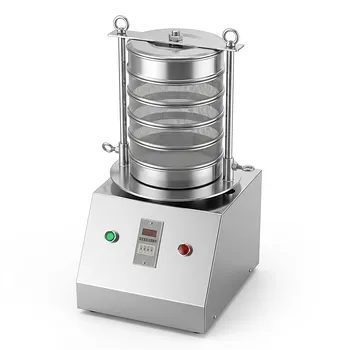
Stainless Steel Laboratory Vibratory Test Sieve Shaker
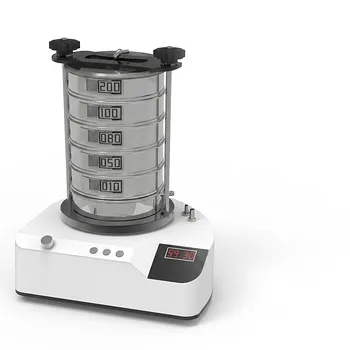
Heavy Duty Dry Three Dimensional Vibratory Sieve Shaker for Particle Separation
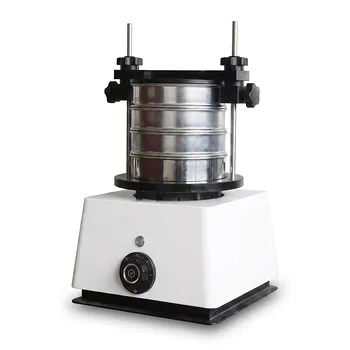
Small Laboratory Vibrating Sieve Shaker for Precise Particle Size Analysis
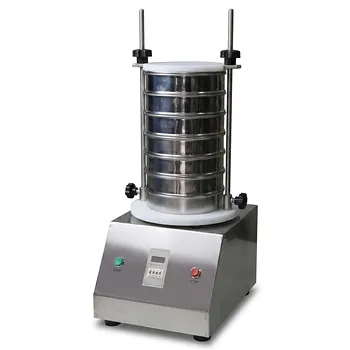
Laboratory Vibratory Test Sieve Shaker for Precision Particle Size Analysis and Powder Grading
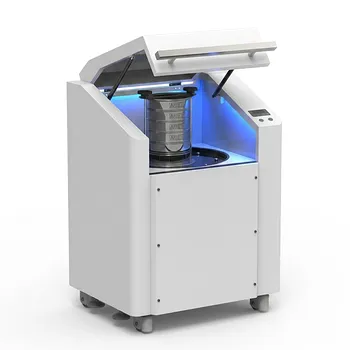
High Frequency Cabinet Type Three-Dimensional Rotary Vibrating Sieve Shaker for Dry Sieving and Particle Classification
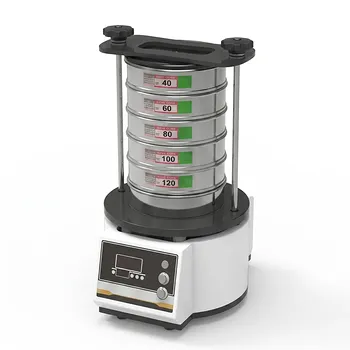
Dry Three Dimensional Vibratory Sieve Shaker
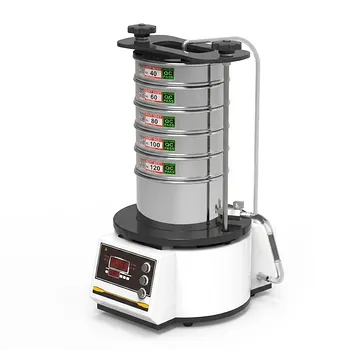
High Frequency Wet Three-Dimensional Vibrating Sieve Shaker for Dry and Wet Particle Size Analysis
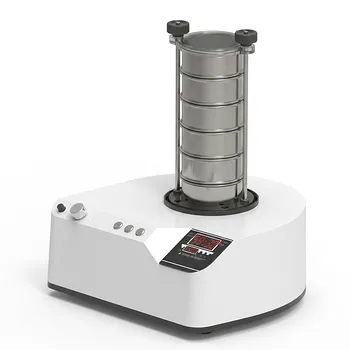
三维电磁微量振动筛分仪
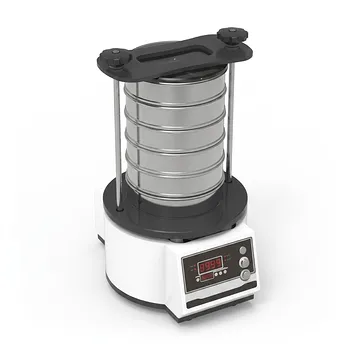
Tapping Oscillating Sieve Shaker for Dry and Wet Particle Size Analysis
Automatic Vibrating Powder Feeder for Laboratory Material Processing Precision Vibratory Hopper Feeder for Granular and Powder Material Handling Industrial Grade Vibrating Tray Feeder for Consistent Material Sample Preparation
Stainless Steel Rotary Vibrating Sieve High Precision Circular Vibratory Separator Industrial Powder Grading Machine Multi Layer Sifting Equipment
Three Dimensional Rotary Vibrating Sieve
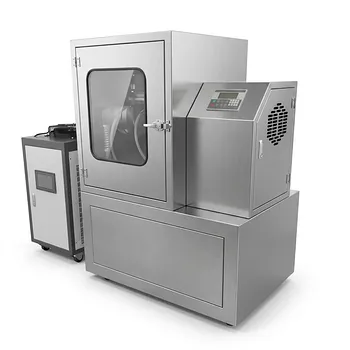
Vibratory Superfine Grinder for Ultra Fine Laboratory Powder Milling
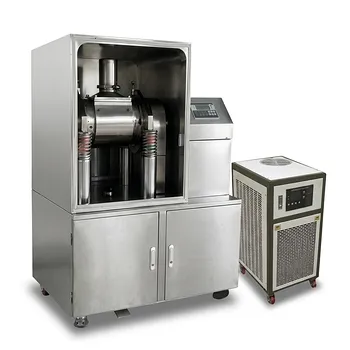
Small Vibrating Ultrafine Grinder for Traditional Chinese Medicine
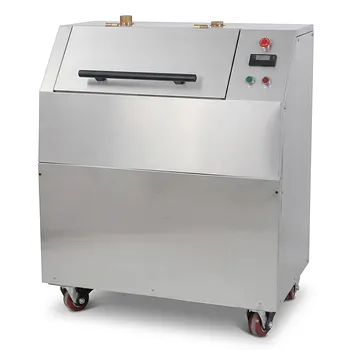
Vibratory Disc Mill for Rapid Fine Grinding and High Throughput Sample Preparation of Hard and Brittle Materials
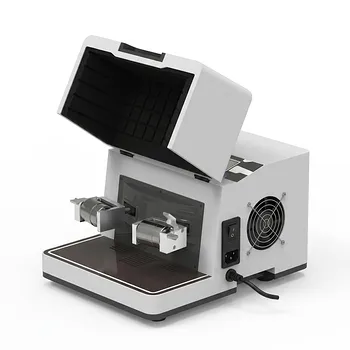
High Energy Hybrid Vibratory Ball Mill for Grinding Mixing and Cell Disruption