Why is laboratory hydraulic pressing necessary for Bi-2212 specimens? Achieve High Density & Grain Alignment
Updated 5 months ago
The preparation of Bi-2212 ceramic specimens necessitates laboratory hydraulic pressing to transform loose superconducting powder into a dense, geometrically precise "green body." This mechanical compaction is essential because it establishes the particle-to-particle contact and high initial density required for effective diffusion, phase transformation, and grain growth during the subsequent high-temperature sintering process. Without this step, the material would lack the structural integrity and electrical connectivity required for superconducting applications.
Laboratory hydraulic pressing is the foundational process for achieving high-density Bi-2212 ceramics by applying controlled, uniform pressure to eliminate internal voids. This compaction facilitates the particle rearrangement necessary to optimize superconducting properties, such as c-axis grain orientation, while ensuring the specimen can withstand the thermal stresses of sintering.
Enhancing Material Density and Microstructure
Achieving High Green Density
The use of a hydraulic press allows for the application of significant force, often ranging from 100 MPa to 300 MPa, to compress loose powders. This high-pressure molding significantly increases the packing density of the particles, creating a solid "green body" from a bulk powder.
Facilitating Particle Rearrangement
As pressure is applied, the powder particles overcome internal friction to rearrange themselves into a more efficient configuration. This particle rearrangement minimizes the distance between reactants, which is critical for the solid-phase reactions that occur later in the furnace.
Optimizing Grain Orientation
In Bi-2212 superconductors, the alignment of grains is vital for carrying high electrical currents. High-pressure compaction helps facilitate better c-axis grain orientation, ensuring tighter electrical contact and improved performance in the final superconducting state.
Ensuring Structural Integrity and Reliability
Eliminating Internal Voids and Air
Hydraulic pressing effectively forces out trapped air and eliminates large voids between particles. Reducing this internal porosity is essential to prevent the formation of micro-cracks that could lead to structural failure during or after sintering.
Controlling Density Gradients
A high-precision hydraulic press provides stable, uniform axial pressure, which is necessary to eliminate density gradients within the specimen. A consistent density distribution is critical for small-sample reliability, as it minimizes fluctuations in the Weibull modulus and ensures predictable material behavior.
Providing Green Strength
The compaction process creates a specimen with sufficient green strength to be handled and moved into the sintering furnace. This mechanical stability ensures the specimen maintains its rectangular or disc-shaped form without deforming or crumbling under its own weight.
Understanding the Trade-offs and Pitfalls
Pressure-Induced Stress Concentrations
While high pressure is beneficial, exceeding optimal limits can lead to internal stress concentrations. If the pressure is released too quickly or applied unevenly, it can cause the green body to crack or delaminate before it even reaches the sintering stage.
Tooling Friction and Wall Effects
Friction between the powder and the mold walls can lead to non-uniform compaction, where the edges of the specimen are denser than the core. This requires the use of high-precision, polished molds and sometimes lubricants to ensure the entire specimen reacts uniformly during heat treatment.
Binder Burn-out Complications
If binders like paraffin are used to assist the pressing process, they must be carefully removed. Failure to control the de-binding phase can result in internal pressure buildup from escaping gases, which can rupture the dense structure created by the hydraulic press.
How to Apply This to Your Project
Making the Right Choice for Your Goal
To achieve the best results with Bi-2212 ceramic preparation, tailor your pressing strategy to your specific experimental requirements:
- If your primary focus is maximum superconducting current density: Use high pressures (near 300 MPa) to maximize c-axis orientation and minimize inter-grain resistance.
- If your primary focus is dimensional accuracy and net-shaping: Utilize high-precision molds and controlled pressure ramp-downs to ensure the final specimen matches the intended 15x5x2 mm dimensions without shrinkage-related warping.
- If your primary focus is material reliability and testing: Focus on eliminating density gradients by using a stable axial pressure and ensuring the powder is granulated uniformly before pressing.
By mastering the application of hydraulic pressure, you ensure that the Bi-2212 specimen possesses the physical and microscopic foundation necessary to realize its full superconducting potential.
Summary Table:
| Key Benefit | Description | Impact on Bi-2212 Specimen |
|---|---|---|
| High Green Density | Applies 100-300 MPa pressure | Creates dense particles; facilitates diffusion during sintering. |
| Grain Orientation | Mechanical c-axis alignment | Enhances electrical connectivity and superconducting performance. |
| Void Elimination | Removes trapped air and pores | Prevents micro-cracks and structural failure during heat treatment. |
| Green Strength | Improves mechanical stability | Ensures the specimen can be handled without deforming before sintering. |
| Uniformity | Reduces density gradients | Increases material reliability and ensures predictable behavior. |
Elevate Your Superconducting Material Research
Are you looking to achieve peak performance in your Bi-2212 ceramic specimens? Contact us today for a tailored consultation!
As experts in material science sample preparation, we provide complete powder processing and compaction solutions. Our precision-engineered equipment ensures your specimens achieve the high density and grain orientation required for advanced research. Our extensive range includes:
- Hydraulic Pressing Excellence: Standard lab presses, XRF pellet presses, Hot Presses, and Vacuum Hot Presses, along with Cold/Warm Isostatic Presses (CIP/WIP).
- Powder Processing: Planetary ball mills, jet mills, crushers (jaw/roll), and liquid nitrogen cryogenic grinders.
- Refinement & Mixing: Sieve shakers (vibratory/air-jet), powder mixers, and defoaming mixers.
Let our specialized equipment help you eliminate density gradients and maximize your material's potential. Reach out now to find the ideal solution for your laboratory!
References
- Ali Mercan, G. Yıldırım. Examination of Load-Independent Parameters of Bi2.1-xBaxSr2.0Ca1.1Cu2.0Oy Samples Depending on Semi-Empirical Mechanical Models. DOI: 10.16984/saufenbilder.1687983
Mentioned Products
- Automatic Vibrating Powder Feeder for Laboratory Material Processing Precision Vibratory Hopper Feeder for Granular and Powder Material Handling Industrial Grade Vibrating Tray Feeder for Consistent Material Sample Preparation
- 6 Ton Variable Frequency Single Punch Tablet Press
- Custom Explosion-Proof Sealed Jaw Crusher for Laboratory and Industrial Sample Preparation
- Small Ceramic Structure Laboratory Sand Mill Nanoscale Grinding Dispersion Equipment Seal-less Screen-less Design
- 150x250mm Laboratory Jaw Crusher for Medium Hard Material Crushing and Sample Preparation
People Also Ask
- What is the necessity of using a laboratory vibratory sieve in Ce-TZP/Al2O3? Ensure High-Performance Ceramic Integrity
- How is a laboratory vibratory sieve utilized to optimize the return fines embedding process in sintering experiments? Gain Precision
- Importance of powder flow/cohesion before CIP of Aluminum Titanate? Achieve 60-65% Theoretical Density & Uniformity.
- Why is a laboratory hydraulic press required for FT-IR KBr pellets? Achieve Precise Sample Clarity for ZrC–SiC Analysis
- What are the primary advantages of using a microwave sintering furnace? Save Energy & Protect Diamond Quality

Tech Team · PowderPreparation
Last updated on May 14, 2026
Related Products
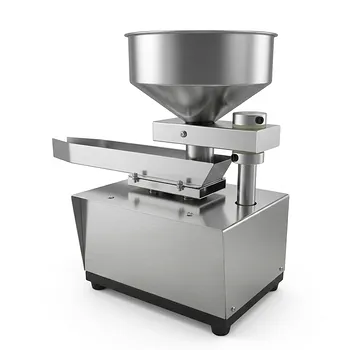
Automatic Vibrating Powder Feeder for Laboratory Material Processing Precision Vibratory Hopper Feeder for Granular and Powder Material Handling Industrial Grade Vibrating Tray Feeder for Consistent Material Sample Preparation
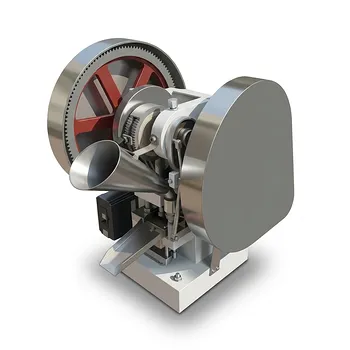
6 Ton Variable Frequency Single Punch Tablet Press
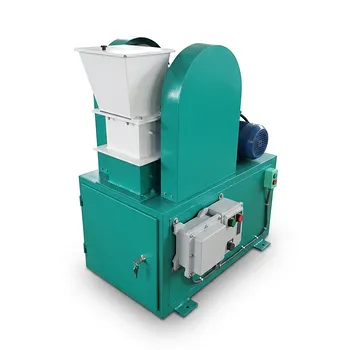
Custom Explosion-Proof Sealed Jaw Crusher for Laboratory and Industrial Sample Preparation
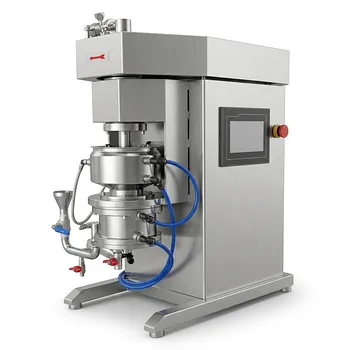
Small Ceramic Structure Laboratory Sand Mill Nanoscale Grinding Dispersion Equipment Seal-less Screen-less Design
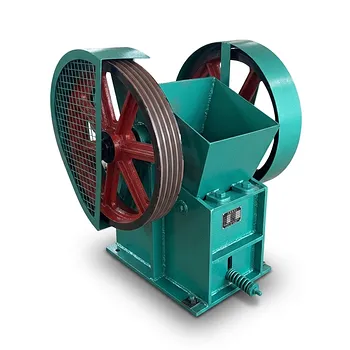
150x250mm Laboratory Jaw Crusher for Medium Hard Material Crushing and Sample Preparation

Vertical Production Planetary Ball Mill for High Throughput Powder Processing
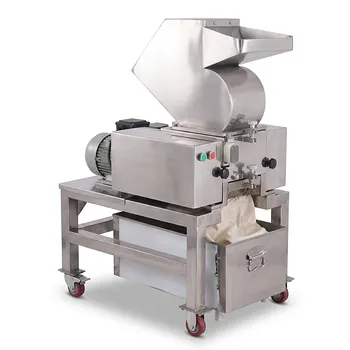
Stainless Steel Coarse Crusher for Pharmaceutical Food and Plastic Material Processing
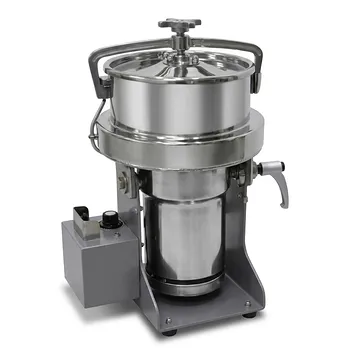
500g Capacity Water Cooled Low Temperature Grinder with Variable Speed and Safety Cover
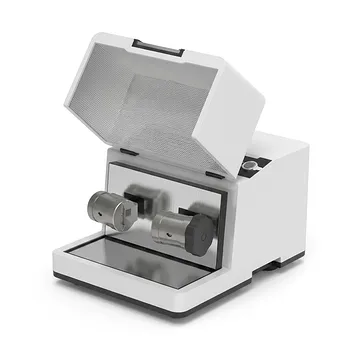
Heating Temperature Controlled High Energy Vibratory Ball Mill
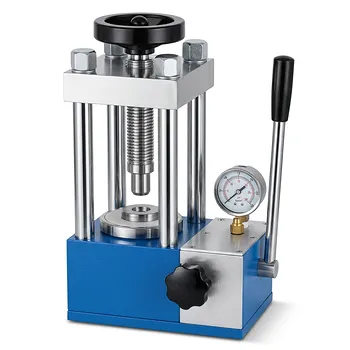
Manual Tablet Press with Dual Scale Pressure Gauge for Pharmaceutical Food Chemical Laboratory Sample Preparation
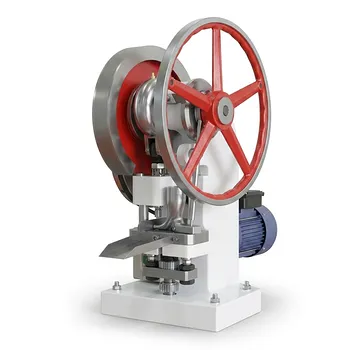
5 Ton Single Punch Tablet Press Laboratory Small Batch Production
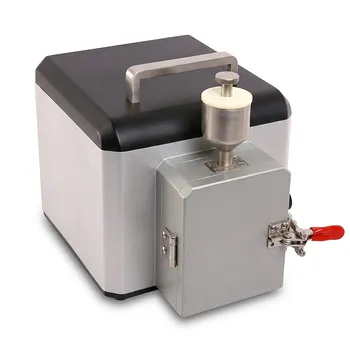
Portable Cutting Mill for Laboratory Sample Preparation and RoHS WEEE Compliance Testing
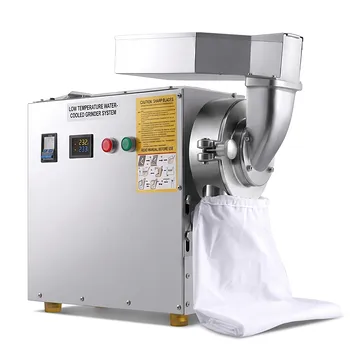
Low Temperature Water Cooled Continuous Feed Grinder Two Stage Coarse and Fine Grinding System
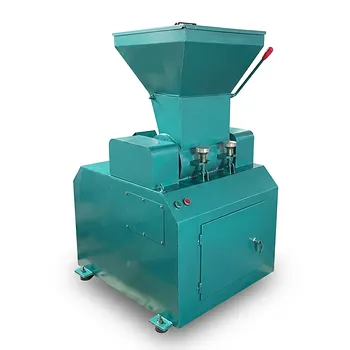
Sealed Hammer Crusher for Laboratory Coal Sample Preparation Adjustable Output Size
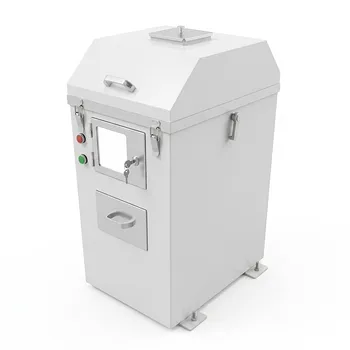
Sealed Double Roll Crusher for Laboratory Sample Preparation of Medium Hardness Materials
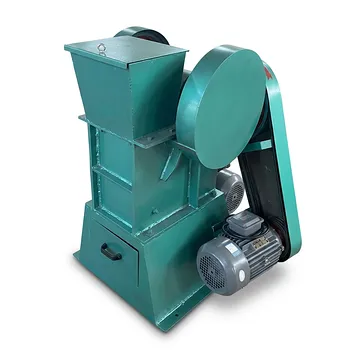
Small Laboratory Jaw Crusher 150x200mm Feed Opening for Sample Preparation and Medium Fine Crushing
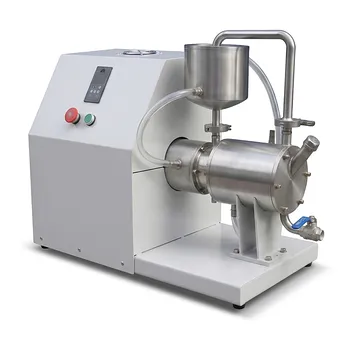
Laboratory Small Horizontal Sand Mill for Nano Materials Wet Grinding
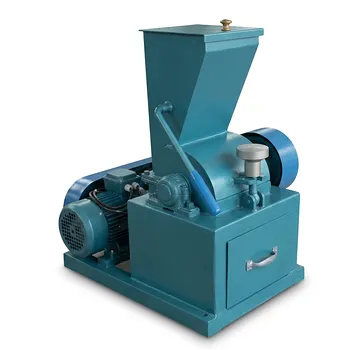
Small Hammer Crusher for Brittle Material Crushing in Mining Metallurgy and Lab Sample Preparation
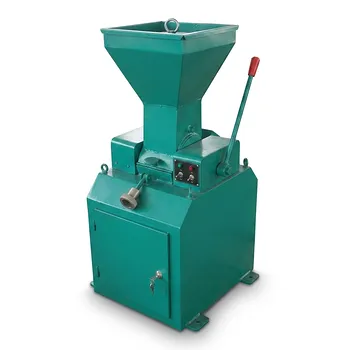
Laboratory Sealed Hammer Crusher for Coal and Mineral Sample Preparation