Technical advantages of 0.5mm zirconia beads for conductive resin? Boost Grinding Efficiency & Material Purity.
Updated 5 months ago
Selecting 0.5mm zirconia beads for conductive resin refinement provides the optimal balance of high collision frequency and kinetic energy required to break down conductive polymer agglomerates, such as polyaniline, to the sub-micron scale. This specific media size and material composition ensure rapid particle size reduction while maintaining the absolute chemical purity essential for maintaining the electrical properties of the resin.
Core Takeaway: 0.5mm zirconia beads maximize grinding efficiency by increasing the number of impact points and leveraging high material density. Their extreme wear resistance is critical for preventing metallic contamination, which would otherwise degrade the conductivity and performance of the final resin component.
Maximizing Grinding Efficiency and Refinement
Increased Collision Frequency
The primary advantage of the 0.5mm diameter is the significant increase in the number of individual beads within the grinding chamber compared to larger media. This results in a much higher collision frequency, ensuring that the conductive particles are struck more often per unit of time.
Sub-Micron Particle Distribution
Small-sized media are specifically designed to refine polyaniline agglomerates and other conductive fillers to the nanometer or sub-micron scale. This fine distribution is necessary to create a uniform conductive network within the resin matrix, improving the overall efficiency of the component.
Enhanced Shear Forces
Because 0.5mm beads provide a larger total surface area, they generate intense shear forces during the wet grinding process. These forces are highly effective at stripping away layers of agglomerated particles, leading to a more consistent and stable dispersion.
The Role of Material Density and Kinetic Energy
High Mass-to-Volume Ratio
Zirconia is preferred over lighter materials because of its high density. Even at a small 0.5mm size, the mass of the zirconia ensures sufficient kinetic energy is transferred during each collision to pulverize hard drug crystals or polymer clusters.
Overcoming Agglomerate Strength
Conductive resins often contain stubborn clusters that require high stress intensity to break. The density of zirconia beads provides the necessary impact energy to overcome the internal binding forces of these high-entropy or calcined ceramic powders.
Acceleration of Fragmentation
The combination of high density and small diameter accelerates the rate of particle fragmentation. This allows manufacturers to reach the target particle size distribution in a significantly shorter processing time, increasing production throughput.
Preserving Chemical Purity and Electrical Performance
Exceptional Wear Resistance
One of the most critical factors in conductive systems is chemical purity. Zirconia’s extreme hardness and low wear rate minimize the loss of the grinding media itself, ensuring that the resin is not "poisoned" by debris from the beads.
Prevention of Metallic Contamination
Standard metallic or lower-grade ceramic media can introduce impurities that act as scattering centers or insulators, destroying the resin's optical performance or electrical conductivity. Zirconia is chemically inert and prevents the introduction of metallic ions into the polyaniline system.
Stability in High-Energy Environments
The grinding of conductive resins often generates heat and mechanical stress. Zirconia beads maintain their structural integrity under these conditions, preventing media fragmentation which could lead to inconsistent batches and clogged filtration screens.
Understanding the Trade-offs and Technical Challenges
Media Separation Requirements
While 0.5mm beads offer superior refinement, they require specialized separation systems (such as fine-mesh screens) within the mill. If the mill is not designed to handle small-diameter media, there is a risk of bead leakage or screen blinding.
Increased Heat Generation
The high collision frequency and surface area of small beads lead to increased thermal energy within the slurry. Effective cooling systems are mandatory to prevent the conductive resin or polyaniline from undergoing thermal degradation during the milling cycle.
Initial Capital Investment
High-purity, yttrium-stabilized zirconia beads represent a higher initial cost compared to glass or alumina media. However, this is typically offset by their long service life and the prevention of scrapped batches due to impurity contamination.
How to Apply This to Your Project
When integrating 0.5mm zirconia media into your production line, consider your specific performance targets:
- If your primary focus is maximum electrical conductivity: Prioritize yttrium-stabilized zirconia to ensure zero metallic contamination, as even trace impurities can disrupt electron flow.
- If your primary focus is achieving nanometer-scale transparency: Utilize the 0.5mm size to ensure the particle size remains below the wavelength of light, preventing scattering while maintaining high energy density.
- If your primary focus is high-volume production throughput: Leverage the high density of zirconia to reduce residence time in the mill, allowing for faster batch cycles without sacrificing refinement quality.
The technical superiority of 0.5mm zirconia beads lies in their ability to deliver intense mechanical energy while remaining chemically invisible to the sensitive conductive system.
Summary Table:
| Feature | Advantage | Technical Impact |
|---|---|---|
| 0.5mm Diameter | Increased Collision Frequency | Rapidly breaks down agglomerates to sub-micron scales. |
| High Material Density | Enhanced Kinetic Energy | Overcomes internal binding forces for faster fragmentation. |
| Superior Hardness | Extreme Wear Resistance | Prevents metallic contamination and preserves conductivity. |
| Large Surface Area | Intense Shear Forces | Ensures stable, uniform dispersion within the resin matrix. |
Optimize Your Conductive Material Refinement with Expert Solutions
Achieving sub-micron precision in conductive resins requires a synergy between high-performance grinding media and advanced milling technology. At [Brand Name], we provide complete laboratory sample preparation solutions tailored for material science, specializing in high-performance powder processing and compaction equipment.
Our extensive product lines are designed to help you maintain absolute chemical purity and electrical performance:
- Advanced Milling: High-efficiency bead mills (sand/bead), planetary ball mills, jet mills, and rotor mills for precise particle size reduction.
- Powder Processing: Specialized powder mixers and defoaming mixers to ensure uniform resin dispersion.
- Compaction Excellence: A full spectrum of hydraulic presses, including Cold/Warm Isostatic Presses (CIP/WIP), vacuum hot presses, and XRF pellet presses for final component forming.
- Classification: Sieve shakers (vibratory/air-jet) with high-precision meshes for quality control.
Whether you are refining polyaniline for electronics or developing high-entropy ceramic powders, our technical team is ready to assist you in selecting the right configuration for your specific application.
Ready to enhance your lab's efficiency? Contact our specialists today for a customized consultation!
References
- Kohei Takahashi, Tatsuhiro Takahashi. Development of Electrically Conductive Thermosetting Resin Composites through Optimizing the Thermal Doping of Polyaniline and Radical Polymerization Temperature. DOI: 10.3390/polym14183876
Mentioned Products
- Nano Laboratory Bead Mill Desktop Sub Micron Sand Mill Screenless Seal Less Powder Grinder
- Vertical Nano Bead Mill for Ceramic Materials with Permanent Magnet Motor and High Efficiency Grinding
- Horizontal Bead Mill for Nanoscale Grinding and Advanced Material Powder Processing
- Small Ceramic Structure Laboratory Sand Mill Nanoscale Grinding Dispersion Equipment Seal-less Screen-less Design
- High Efficiency Laboratory Bead Mill Nano Powder Dispersion Sand Mill for Material Science Research
People Also Ask
- How does the bead filling rate affect the grinding performance and equipment wear in a bead mill? Optimization Guide
- Why is it necessary to precisely control the grinding media loading ratio? Master Nanosuspension Yield & API Stability
- What is the significance of the stirring speed in Budesonide nano-milling? Master Kinetic Energy for Drug Refinement
- What role does a laboratory mill play in the study of lignite coal co-combustion? Optimizing Fuel Blends and Reactivity
- What is the function of a laboratory mill in Cassia tora L. seed analysis? Master Precision Thermal Data Prep.

Tech Team · PowderPreparation
Last updated on May 14, 2026
Related Products
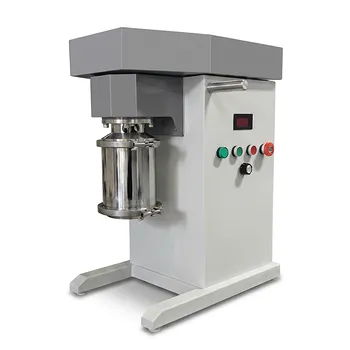
Nano Laboratory Bead Mill Desktop Sub Micron Sand Mill Screenless Seal Less Powder Grinder
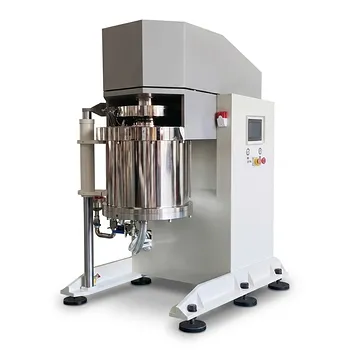
Vertical Nano Bead Mill for Ceramic Materials with Permanent Magnet Motor and High Efficiency Grinding
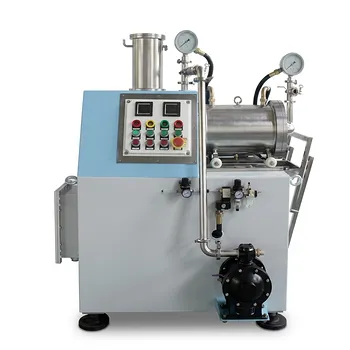
Horizontal Bead Mill for Nanoscale Grinding and Advanced Material Powder Processing
Small Ceramic Structure Laboratory Sand Mill Nanoscale Grinding Dispersion Equipment Seal-less Screen-less Design
High Efficiency Laboratory Bead Mill Nano Powder Dispersion Sand Mill for Material Science Research
Small Laboratory Jaw Crusher 150x200mm Feed Opening for Sample Preparation and Medium Fine Crushing
Miniature Planetary Ball Mill with Vacuum Grinding and High Efficiency for Laboratory Sample Preparation
250x400mm Jaw Crusher Medium Crushing Equipment for Mining Mineral Sample Preparation
Laboratory Small Jaw Crusher 100x60mm
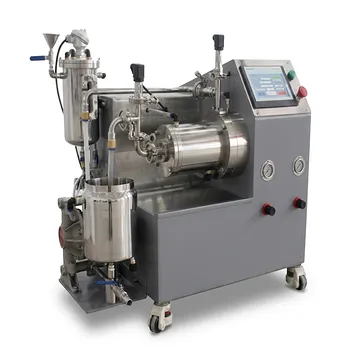
Laboratory Horizontal Bead Mill for Nanomaterial Wet Grinding and Material Science Research
Laboratory Micro Vibration Grinding Mill for Trace Sample Preparation
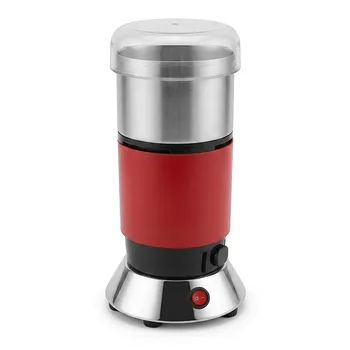
Micro Solid Sample Grinder High Speed Pulverizer for Laboratory Small Batch Grinding
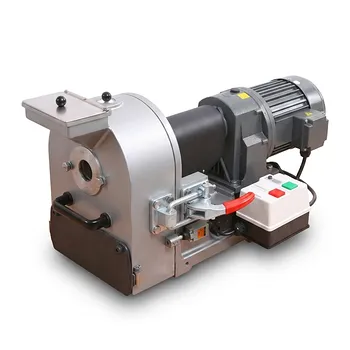
Laboratory Disc Mill for Fine Sample Preparation of Hard and Brittle Materials
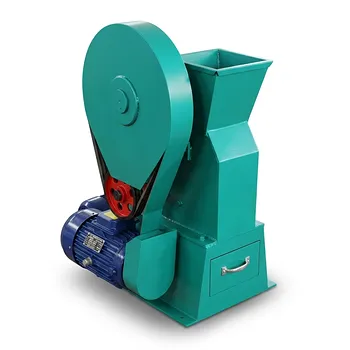
Small Laboratory Jaw Crusher 125x100mm Feed Opening for Sample Preparation
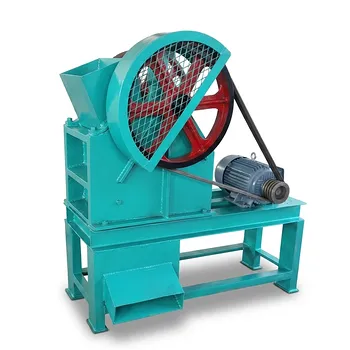
150x250mm Custom Laboratory Jaw Crusher for Coal Ore Mineral Crushing
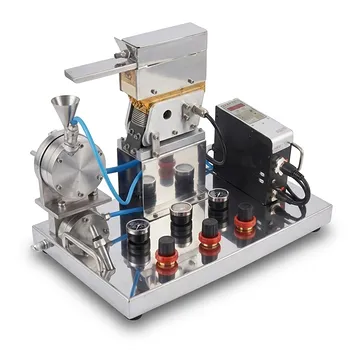
Benchtop Micro Air Jet Mill for Ultrafine Grinding of High Value Powders
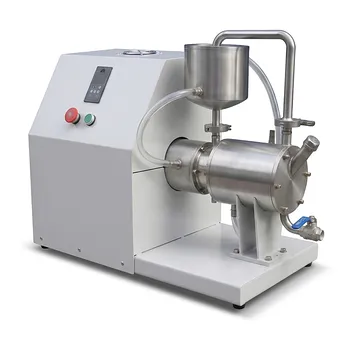
Laboratory Small Horizontal Sand Mill for Nano Materials Wet Grinding
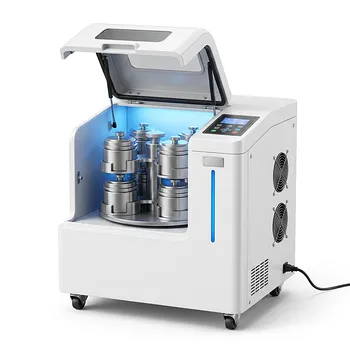
High Energy Omnidirectional Planetary Ball Mill 20L
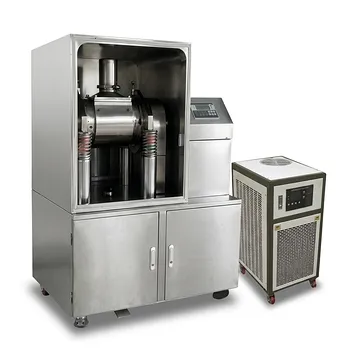
Small Vibrating Ultrafine Grinder for Traditional Chinese Medicine