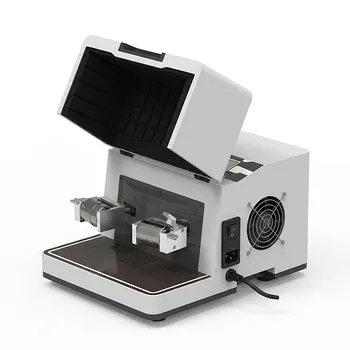
How do multi-dimensional vibratory sieve shakers contribute to the testing of grain particle size distribution? mPS Guide
Updated 5 months ago
Multi-dimensional vibratory sieve shakers provide the standardized mechanical energy required to separate ground grain into precise size fractions. By utilizing a vertical stack of analytical sieves—typically ranging from 0.125 mm to 4.00 mm—these machines automate the grading process to ensure that mass distribution data is both repeatable and highly accurate. This quantitative breakdown is essential for calculating the mean particle size (mPS), which serves as a foundational parameter for predicting how grain will behave during subsequent processes like fermentation or digestion.
The core value of a vibratory sieve shaker lies in its ability to eliminate the variability of manual sieving, providing a consistent mechanical frequency that yields precise weight-percentage data for every particle size fraction.
Precision Through Mechanical Standardization
The Role of Programmed Agitation
Multi-dimensional shakers apply consistent vibration frequencies and amplitudes to a sample, ensuring that every particle has multiple opportunities to pass through the mesh apertures. This automated agitation is far more efficient than manual methods, achieving thorough separation of sand-like particles, silt, and larger grain fragments.
The Significance of the Sieve Stack
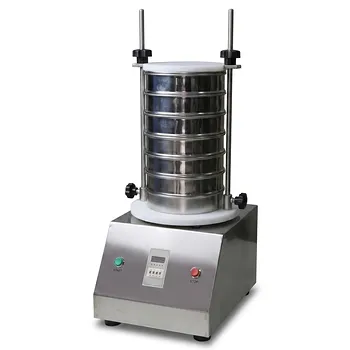
The equipment utilizes a series of standard analytical sieves stacked in descending order of aperture size. For grain testing, this range typically spans from 4.00 mm down to 0.125 mm, allowing researchers to capture a complete profile of the ground material.
Time-Controlled Consistency
By setting a constant sieving time, laboratories ensure that every sample is treated under identical conditions. This standardization is what allows for the "ground truth" data required to compare different batches or to train advanced image recognition models for particle analysis.
From Mass Fractions to Actionable Data
Calculating Mean Particle Size (mPS)
Once the sieving cycle is complete, the material retained on each screen is weighed to determine its weight percentage relative to the total sample. Standard algorithms then use these mass fractions to calculate the mean particle size, a critical metric for evaluating the quality of the grinding process.
Identifying Distribution Curves (D10, D50, D90)
Beyond the mean size, these shakers allow for the generation of particle size distribution curves. Metrics such as D10, D50, and D90 indicate the thresholds at which 10%, 50%, and 90% of the sample mass falls, providing a deeper look at the uniformity of the grain.
Predicting Downstream Performance
In agricultural and nutritional science, particle size directly impacts in vitro fermentation experiments. Precisely graded grain allows researchers to understand how surface area-to-volume ratios influence the rate of microbial breakdown and nutrient absorption.
Understanding the Trade-offs
The Risk of Sieve Blinding
One primary challenge is sieve blinding, where near-sized particles become wedged in the mesh openings, blocking further passage. This can lead to inaccurate mass measurements if the equipment is not equipped with anti-blinding accessories like bouncing balls or ultrasonic cleaners.
Sensitivity to Sample Moisture
Grain that contains excessive moisture may clump together or adhere to the mesh, skewing the distribution results toward larger sizes. Accurate testing requires samples to be consistently dried before the mechanical sieving process begins.
Mechanical Wear and Calibration
Because these machines rely on precise frequencies, regular calibration is necessary to ensure the vibration amplitude remains within spec. Over time, the tension of the sieve mesh can also degrade, requiring periodic replacement to maintain the integrity of the data.
Applying Sieve Shaker Data to Your Goals
Precise particle size distribution is a prerequisite for consistency in both research and industrial production.
- If your primary focus is nutritional research: Use the weight percentage of each fraction to calculate mPS, providing the physical baseline needed for accurate fermentation and digestion studies.
- If your primary focus is process optimization: Monitor D10, D50, and D90 metrics to evaluate the efficiency of your grinding or granulation equipment and identify issues like tool wear or breakage.
- If your primary focus is quality control: Implement standardized vibration times and frequencies to ensure that your powder products consistently fall within the ideal 75-150 μm range for maximum absorption.
By mastering the mechanical grading of grain, you move from guesswork to a data-driven understanding of material behavior.
Summary Table:
| Key Feature | Function in Grain Testing | Performance Benefit |
|---|---|---|
| Programmed Agitation | Constant frequency & amplitude | Ensures repeatable, automated separation |
| Vertical Sieve Stack | 0.125 mm to 4.00 mm range | Captures a complete particle size profile |
| Mean Particle Size (mPS) | Quantitative weight-percentage calculation | Predicts fermentation & digestion rates |
| Distribution Curves | Identifies D10, D50, and D90 metrics | Evaluates grinding efficiency & uniformity |
Achieve Precise Grain Analysis with Our Advanced Laboratory Solutions
Accurate particle size distribution is the foundation of high-quality material science research and industrial consistency. Our brand specializes in providing complete laboratory sample preparation solutions, focusing on high-performance powder processing and compaction equipment tailored to your specific needs.
Our extensive product range includes:
- Sieving & Mixing: Vibratory and air-jet sieve shakers with various test sieves/meshes, plus powder and defoaming mixers.
- Grinding & Milling: Planetary ball mills, jet mills, disc/rotor mills, and liquid nitrogen cryogenic grinders.
- Crushing & Pressing: Jaw/roll crushers and a full spectrum of hydraulic presses (Cold/Warm Isostatic Presses, XRF pellet presses, and vacuum hot presses).
Whether you are conducting nutritional fermentation studies or optimizing industrial grinding workflows, our expert team is ready to provide the tools that ensure your data is repeatable and accurate.
Contact Our Specialists Today to Enhance Your Lab Efficiency
References
- Antonio Gallo, F. Masoero. Gas production and starch degradability of corn and barley meals differing in mean particle size. DOI: 10.3168/jds.2015-10779
Mentioned Products
- Vibratory Sieve Shaker Electromagnetic 3D Motion Powder Particle Size Analyzer for Dry and Wet Sieving
- Laboratory Dry and Wet Three Dimensional Vibratory Sieve Shaker for Particle Analysis
- Heavy Duty Dry Three Dimensional Vibratory Sieve Shaker for Particle Separation
- High Frequency Wet Three-Dimensional Vibrating Sieve Shaker for Dry and Wet Particle Size Analysis
- High Frequency Cabinet Type Three-Dimensional Rotary Vibrating Sieve Shaker for Dry Sieving and Particle Classification
People Also Ask
- How does a vibratory sieve shaker contribute to optimizing the performance of activated carbon? Enhance Adsorption Precision
- Why is a laboratory vibratory sieve shaker necessary for processing magnesium-based borate precursor powders? Boost Activity
- Why use a vibratory sieve shaker to verify coarse aggregate grading in rubberized concrete? Ensure Structural Integrity
- What function do vibratory sieve shakers and standard test sieves serve in the preparation of adsorbents? Key Guide
- What role does a vibratory sieve shaker play in the particle size analysis of ground corn products? Enhance QC Precision

Tech Team · PowderPreparation
Last updated on May 14, 2026
Related Products
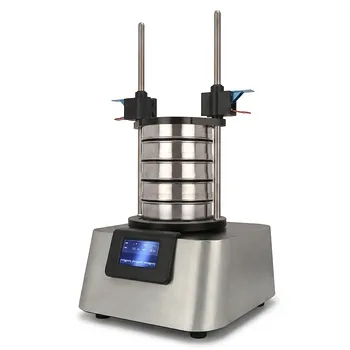
Vibratory Sieve Shaker Electromagnetic 3D Motion Powder Particle Size Analyzer for Dry and Wet Sieving
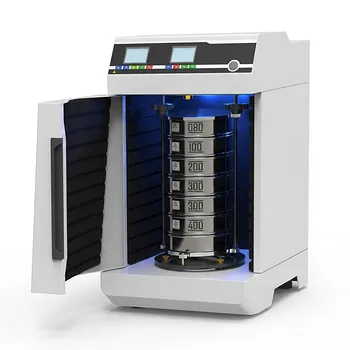
Laboratory Dry and Wet Three Dimensional Vibratory Sieve Shaker for Particle Analysis
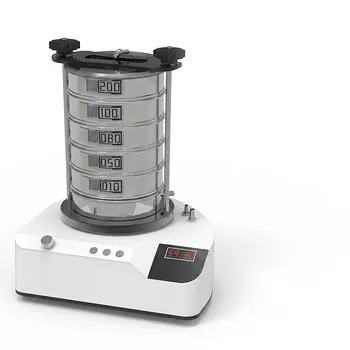
Heavy Duty Dry Three Dimensional Vibratory Sieve Shaker for Particle Separation
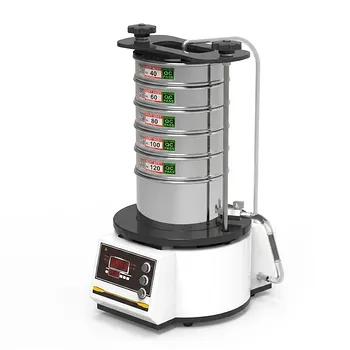
High Frequency Wet Three-Dimensional Vibrating Sieve Shaker for Dry and Wet Particle Size Analysis
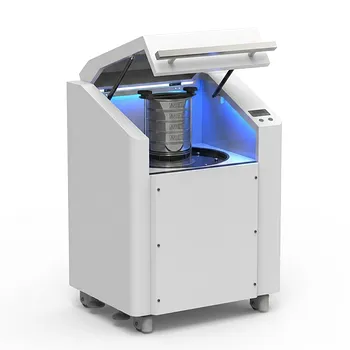
High Frequency Cabinet Type Three-Dimensional Rotary Vibrating Sieve Shaker for Dry Sieving and Particle Classification
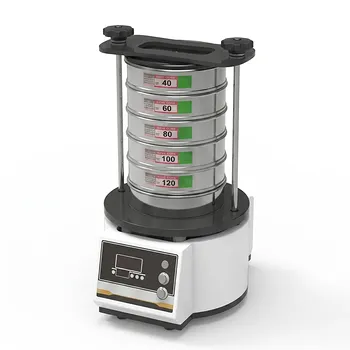
Dry Three Dimensional Vibratory Sieve Shaker
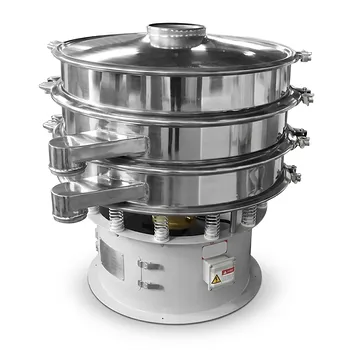
Three Dimensional Rotary Vibrating Sieve
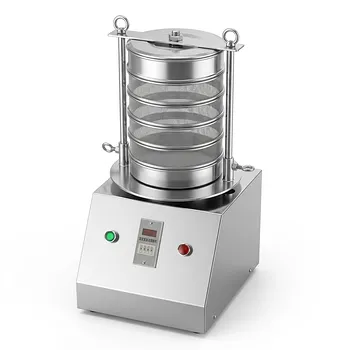
Stainless Steel Laboratory Vibratory Test Sieve Shaker
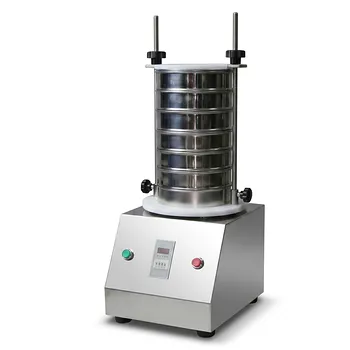
Small Laboratory Vibratory Sieve Shaker for Powder Gradation and Particle Size Analysis
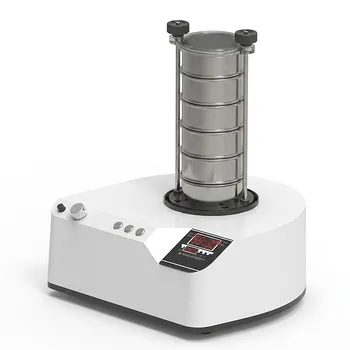
三维电磁微量振动筛分仪
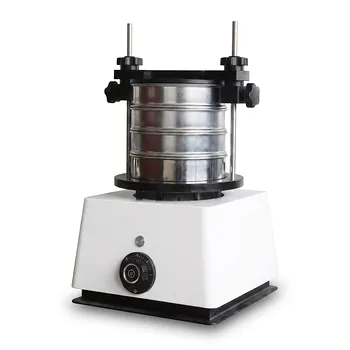
Small Laboratory Vibrating Sieve Shaker for Precise Particle Size Analysis
Laboratory Vibratory Test Sieve Shaker for Precision Particle Size Analysis and Powder Grading
Stainless Steel Rotary Vibrating Sieve High Precision Circular Vibratory Separator Industrial Powder Grading Machine Multi Layer Sifting Equipment
Tapping Oscillating Sieve Shaker for Dry and Wet Particle Size Analysis
Vibratory Superfine Grinder for Ultra Fine Laboratory Powder Milling
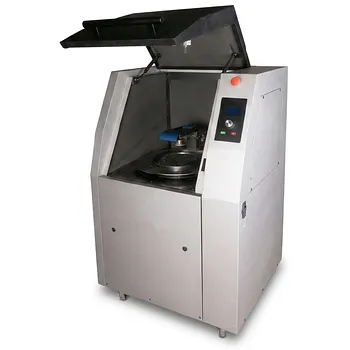
High Speed Vibratory Disc Mill for Spectral Analysis Sample Preparation and Rapid Powder Grinding
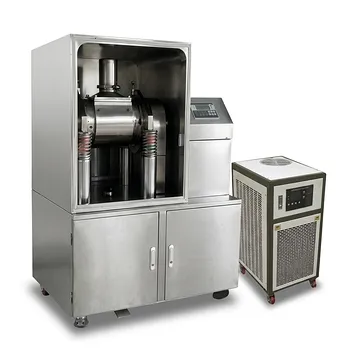
Small Vibrating Ultrafine Grinder for Traditional Chinese Medicine
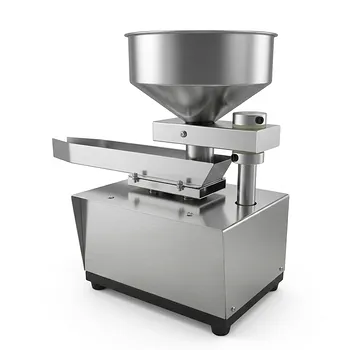
Automatic Vibrating Powder Feeder for Laboratory Material Processing Precision Vibratory Hopper Feeder for Granular and Powder Material Handling Industrial Grade Vibrating Tray Feeder for Consistent Material Sample Preparation
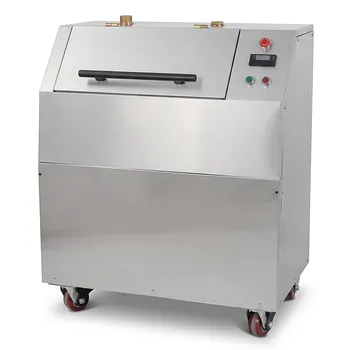
Vibratory Disc Mill for Rapid Fine Grinding and High Throughput Sample Preparation of Hard and Brittle Materials