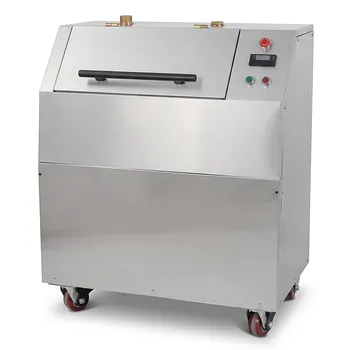
What role does a vibratory sieve shaker play in coffee particle analysis? Master Extraction with Precise Sizing
Updated 5 months ago
A vibratory sieve shaker acts as the primary instrument for mechanical classification, using high-frequency vibration and a vertical stack of standardized mesh screens to physically separate coffee grounds into distinct size fractions. This process allows for the precise calculation of mean particle size and cumulative mass distribution, which are the fundamental metrics required to optimize extraction efficiency and surface area contact during brewing.
Core Takeaway: The vibratory sieve shaker transforms a raw coffee sample into a quantifiable dataset by automating the grading process, ensuring that the resulting particle size distribution aligns with the specific surface area requirements for optimal mass transfer.
The Mechanics of Particle Stratification
High-Frequency Mechanical Vibration
The shaker applies a constant vibration amplitude and duration to a sample, typically operating for five to ten minutes until the mass on each sieve stabilizes. This high-frequency motion ensures that every particle has multiple opportunities to present its smallest dimension to the sieve apertures, leading to a highly accurate classification of particle widths.
Standardized Sieve Stacks
By using a series of sieves—ranging from coarse 4-mesh screens down to fine 140-mesh or 26-micrometer openings—the shaker creates a multi-level screening environment. This vertical arrangement forces the material to flow through increasingly restrictive barriers, resulting in a tiered distribution that can be weighed to determine the mass percentage of each size grade.
Automated Grading Consistency
Unlike manual sieving, a vibratory shaker provides a repeatable environment with controlled intensity. This automation eliminates human error and ensures that the geometric mean diameter and particle distribution curves are consistent across different batches and testing sessions.
Impact on Extraction and Production
Optimizing Specific Surface Area
Particle size analysis is critical because it dictates the specific surface area available for convection mass transfer. Finer particles provide more surface area for water contact, which accelerates extraction; however, the sieve shaker helps identify if the proportion of "fines" is too high, which can lead to over-extraction or clogging in filtration systems.
Calibration of Grinding Equipment
The data generated by a vibratory sieve shaker serves as the benchmark for designing and adjusting mechanical grinding processes. By plotting a cumulative passing percentage curve, technicians can calibrate grinders to ensure the majority of the output falls within the ideal target range for the intended brewing method.
Predicting Material Behavior
In industrial applications, such as the formation of coffee-based biomass or filters, the shaker determines the material's densification efficiency. It helps researchers understand how the distribution of particles will affect the mechanical durability of a pressed product or the flow rate of a water filtration unit.
Understanding the Trade-offs
The Challenge of Particle Shape
While highly effective for spherical or cubic particles, vibratory sieving can be less precise with elongated or "needle-like" coffee fragments. These particles may vertically orient themselves and pass through a mesh that does not accurately reflect their actual volume or length.
Mesh Blinding and Maintenance
Fine coffee powders, especially those with high oil content, can lead to "blinding," where particles bridge and clog the sieve openings. This requires frequent cleaning and the use of sieving aids, such as balls or brushes, to maintain the integrity of the results.
Sample Loss and Accuracy
Small amounts of dust or "fines" can adhere to the sieve walls or be lost during the weighing process. While often negligible in large samples, these losses can skew the cumulative mass percentage in high-precision laboratory environments if not properly accounted for.
Applying Particle Analysis to Your Project
Making the Right Choice for Your Goal
To get the most value from a vibratory sieve shaker analysis, you must align your testing parameters with your ultimate production objectives.
- If your primary focus is brewing consistency: Use a fine-mesh stack to monitor the percentage of "fines" (below 150 micrometers) that contribute to bitterness and sediment.
- If your primary focus is grinder calibration: Focus on the geometric mean diameter and the cumulative distribution curve to ensure a tight "bell curve" of particle sizes.
- If your primary focus is industrial biomass or filtration: Prioritize the analysis of specific surface area and particle density to optimize the mechanical strength of the final product.
Accurate particle size analysis through vibratory sieving is the bridge between raw grinding and predictable, high-quality extraction.
Summary Table:
| Component/Process | Role in Coffee Analysis | Key Benefit |
|---|---|---|
| High-Frequency Vibration | Mechanically stratifies coffee grounds | Ensures repeatable, automated grading |
| Standardized Sieve Stack | Separates fractions from coarse to fine | Precise calculation of particle distribution |
| Data Plotting | Benchmarks mean diameter & mass % | Accurate grinder calibration & extraction control |
| Mesh Selection | Filters out unwanted "fines" | Prevents bitterness and filter clogging |
Optimize Your Powder Processing and Material Analysis
Achieving the perfect particle size distribution is critical for consistent extraction and superior material performance. Whether you are calibrating industrial grinders or researching coffee-based biomass, precise equipment is the key to reliable data.
Providing complete laboratory sample preparation solutions for material science, we specialize in high-performance powder processing and compaction equipment. Our extensive lines include:
- Sieve Shakers & Mills: Vibratory/air-jet sieve shakers with standardized meshes, plus planetary ball, jet, and cryogenic grinders.
- Hydraulic Presses: A full spectrum including Cold/Warm Isostatic Presses (CIP/WIP), standard lab presses, and vacuum hot presses.
- Mixing Solutions: Specialized powder mixers and defoaming mixers for uniform sample preparation.
Ready to enhance your laboratory's efficiency and precision? Contact us today to discuss how our specialized equipment can streamline your research and production workflows!
References
- Paula Andrea Mayorga Barriga, F.L. Moreno. Effect of extraction processing parameters using a ribbon blender on the physicochemical properties of coffee. DOI: 10.25186/.v19i.2184
Mentioned Products
- Vibratory Sieve Shaker Electromagnetic 3D Motion Powder Particle Size Analyzer for Dry and Wet Sieving
- Laboratory Dry and Wet Three Dimensional Vibratory Sieve Shaker for Particle Analysis
- Dry Three Dimensional Vibratory Sieve Shaker
- Stainless Steel Laboratory Vibratory Test Sieve Shaker
- Heavy Duty Dry Three Dimensional Vibratory Sieve Shaker for Particle Separation
People Also Ask
- How does a vibratory sieve shaker contribute to optimizing the performance of activated carbon? Enhance Adsorption Precision
- Why is a laboratory vibratory sieve shaker necessary for processing magnesium-based borate precursor powders? Boost Activity
- Why use a vibratory sieve shaker to verify coarse aggregate grading in rubberized concrete? Ensure Structural Integrity
- What function do vibratory sieve shakers and standard test sieves serve in the preparation of adsorbents? Key Guide
- What role does a vibratory sieve shaker play in the particle size analysis of ground corn products? Enhance QC Precision

Tech Team · PowderPreparation
Last updated on May 14, 2026
Related Products
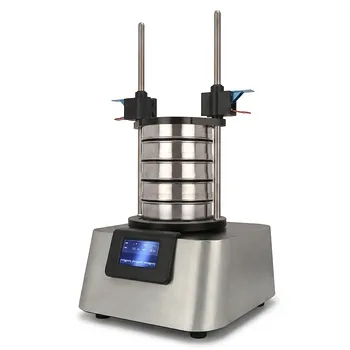
Vibratory Sieve Shaker Electromagnetic 3D Motion Powder Particle Size Analyzer for Dry and Wet Sieving
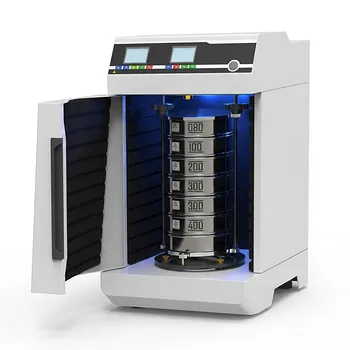
Laboratory Dry and Wet Three Dimensional Vibratory Sieve Shaker for Particle Analysis
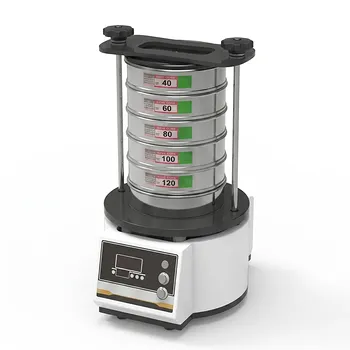
Dry Three Dimensional Vibratory Sieve Shaker
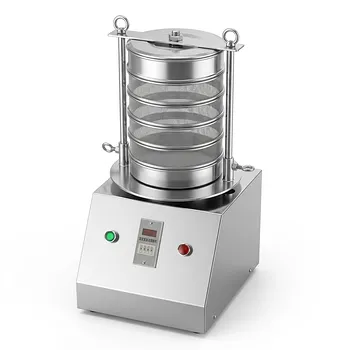
Stainless Steel Laboratory Vibratory Test Sieve Shaker
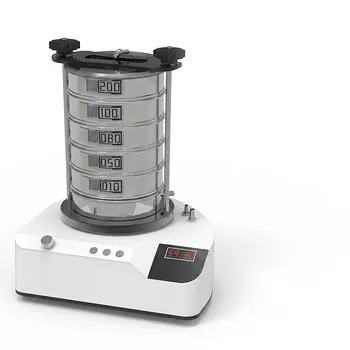
Heavy Duty Dry Three Dimensional Vibratory Sieve Shaker for Particle Separation
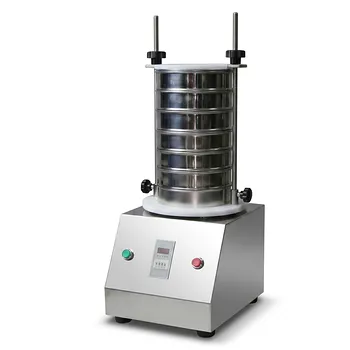
Small Laboratory Vibratory Sieve Shaker for Powder Gradation and Particle Size Analysis
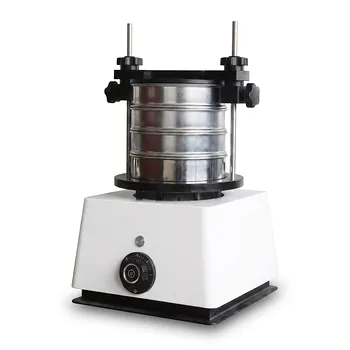
Small Laboratory Vibrating Sieve Shaker for Precise Particle Size Analysis
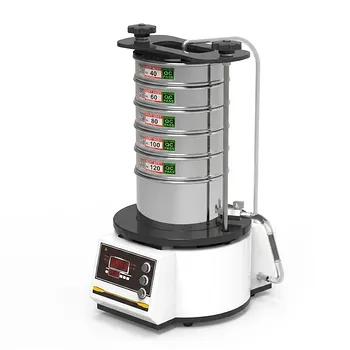
High Frequency Wet Three-Dimensional Vibrating Sieve Shaker for Dry and Wet Particle Size Analysis
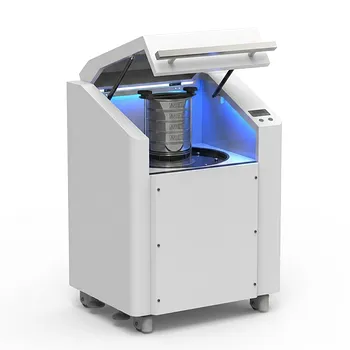
High Frequency Cabinet Type Three-Dimensional Rotary Vibrating Sieve Shaker for Dry Sieving and Particle Classification
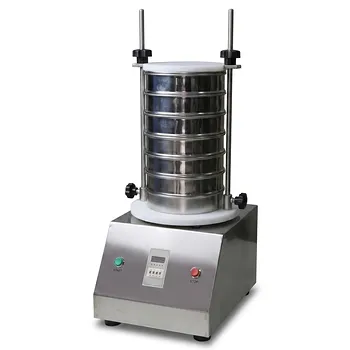
Laboratory Vibratory Test Sieve Shaker for Precision Particle Size Analysis and Powder Grading
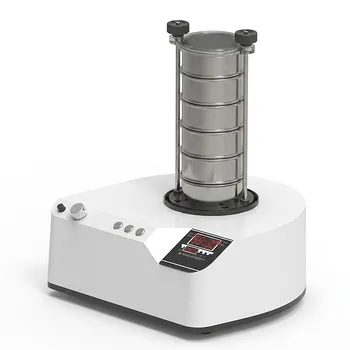
三维电磁微量振动筛分仪
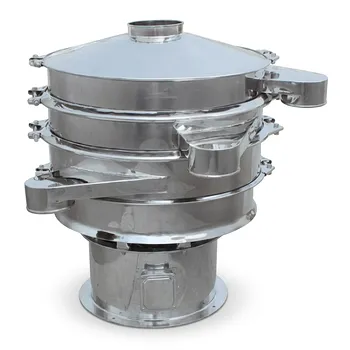
Stainless Steel Rotary Vibrating Sieve High Precision Circular Vibratory Separator Industrial Powder Grading Machine Multi Layer Sifting Equipment
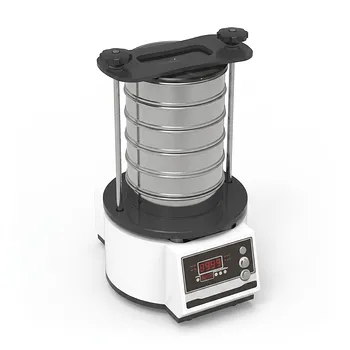
Tapping Oscillating Sieve Shaker for Dry and Wet Particle Size Analysis
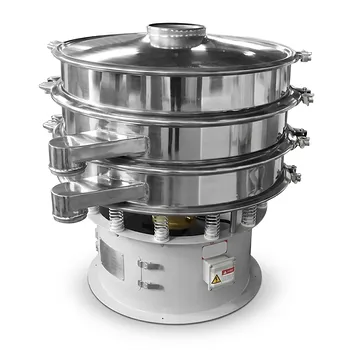
Three Dimensional Rotary Vibrating Sieve
Vibratory Superfine Grinder for Ultra Fine Laboratory Powder Milling
Small Vibrating Ultrafine Grinder for Traditional Chinese Medicine
Automatic Vibrating Powder Feeder for Laboratory Material Processing Precision Vibratory Hopper Feeder for Granular and Powder Material Handling Industrial Grade Vibrating Tray Feeder for Consistent Material Sample Preparation