How do high-precision hydraulic presses and steel molds function? Master SiC Green Body Compaction and Density
Updated 4 months ago
High-precision hydraulic presses and steel molds function as the critical mechanical interface that transforms loose ceramic powder into a "green body" with a defined shape and specific initial density. By applying controlled uniaxial pressure—ranging from 30 MPa to nearly 100 MPa—these systems force powder particles to overcome friction, rearrange into a close-packed structure, and expel trapped air. This process creates the necessary physical contact between particles to facilitate diffusion and prevent structural failure during high-temperature sintering.
The synergy between hydraulic pressure and precision molding determines the structural integrity of silicon carbide ceramics by minimizing internal pores and density gradients. This precise control over the green body's micro-architecture is what ultimately ensures dimensional stability and mechanical reliability in the final sintered product.
The Mechanics of Powder Compaction
Particle Rearrangement and Packing
The primary function of the hydraulic press is to apply a uniform pressure field that forces individual silicon carbide particles into a tight, rearranged structure. In their loose state, powders contain significant void space; the press overcomes inter-particle friction to achieve tight spatial packing.
Air Expulsion and Pore Reduction
As the steel mold constricts the powder, the applied force expels air from the interstitial spaces. By precisely controlling this compaction, the hydraulic press reduces the presence of large internal pores, which are the primary sources of defects in the final ceramic.
Establishing Green Strength
The pressure applied must be sufficient to create a green body with enough mechanical strength for handling and turnover. This "green strength" is achieved through the mechanical interlocking of particles and the action of binders under high pressure.
The Role of Precision Steel Molds
Geometric and Dimensional Definition
Steel molds, often crafted from high-strength stainless steel or cemented carbide, serve as the negative space that defines the macroscopic shape of the ceramic. They ensure the green body meets exact geometric dimensions before it ever enters the kiln.
Minimizing Density Gradients
High-precision molds are designed to distribute pressure as evenly as possible throughout the powder volume. Reducing density gradients is essential, as uneven density leads to non-uniform shrinkage, warping, or cracking during the 1550 °C sintering process.
Surface Finish and Friction Management
The internal surfaces of the mold must be highly polished to reduce die-wall friction. Lower friction ensures that the pressure applied by the hydraulic ram reaches the center of the powder mass effectively, resulting in a more homogenous green body.
Impact on Sintering and Final Reliability
Controlling Volumetric Shrinkage
The initial density established by the hydraulic press directly dictates the shrinkage rate during heat treatment. A higher, more uniform initial density leads to predictable dimensional changes and prevents significant volume contraction.
Enhancing the Weibull Modulus
By limiting the initial defect size through precise compaction, the process improves the Weibull modulus of the material. This statistical measure of reliability indicates that the final silicon carbide ceramic will perform consistently under mechanical stress.
Creating Conditions for Diffusion
The hydraulic press ensures close contact between powder particles, which is a physical prerequisite for solid-state diffusion. Without this intimate contact, the particles cannot bond effectively at high temperatures, resulting in a porous and weak final product.
Understanding the Trade-offs
Pressure Limits vs. Tooling Wear
While higher pressure generally increases green density, it also accelerates the wear and tear on precision steel molds. Operating at the upper limit (near 100 MPa) may require more frequent mold maintenance or the use of more expensive cemented carbide inserts.
Complexity of Shape vs. Density Uniformity
Uniaxial pressing in steel molds is highly efficient for simple geometries like disks or cylinders. However, as the complexity of the part increases, achieving uniform density throughout the cross-section becomes significantly more difficult due to internal friction.
Binder Content and Pressing Efficiency
The amount of binder mixed with the silicon carbide powder affects how well the particles rearrange. Too little binder results in a fragile green body, while too much can lead to "springback" or lamination defects when the pressure is released from the mold.
How to Apply This to Your Production
Strategic Recommendations for Implementation
Selecting the right equipment and parameters depends heavily on the intended application of the silicon carbide component.
- If your primary focus is mechanical reliability: Prioritize high-precision pressure-holding capabilities to eliminate density gradients and maximize the Weibull modulus.
- If your primary focus is dimensional accuracy: Invest in high-strength cemented carbide molds with ultra-low tolerances to minimize deformation during the sintering phase.
- If your primary focus is high-volume production: Optimize the dry pressing cycle to find the minimum pressure required for sufficient green strength, thereby extending the life of your steel tooling.
The integration of precision hydraulic force and rigid steel molding is the foundational step that dictates the success or failure of the entire ceramic manufacturing process.
Summary Table:
| Feature | Function in SiC Production | Impact on Final Product |
|---|---|---|
| Hydraulic Press | Applies 30-100 MPa uniaxial pressure | Minimizes internal pores and air pockets |
| Steel Molds | Defines macroscopic geometric shape | Ensures dimensional accuracy and stability |
| Compaction | Forces particle rearrangement | High green strength and mechanical integrity |
| Surface Finish | Reduces die-wall friction | Eliminates density gradients and warping |
| Pressure Control | Establishes uniform initial density | Predictable volumetric shrinkage during sintering |
Optimize Your Material Research with Precision Compaction Solutions
Achieving the perfect silicon carbide green body requires the right balance of force and precision. At [Your Brand Name], we provide complete laboratory sample preparation solutions for material science, specializing in high-performance powder processing and compaction equipment.
Our extensive product lines are designed to meet the rigorous demands of ceramic engineering, featuring:
- Hydraulic Presses: A full spectrum including Cold/Warm Isostatic Presses (CIP/WIP), standard lab presses, XRF pellet presses, and vacuum hot presses.
- Precision Tooling: High-strength steel and carbide molds for uniform density.
- Powder Preparation: Advanced crushers, liquid nitrogen cryogenic grinders, and various mills (planetary, jet, and rotor).
- Processing Equipment: Sieve shakers, powder mixers, and defoaming mixers to ensure feedstock consistency.
Whether you are focusing on mechanical reliability or dimensional accuracy, our expertise ensures your lab achieves superior results. Contact us today to find the ideal equipment for your material science applications!
References
- CAO Juan, Zhengren HUANG. Influence of Grain Size on Weibull Distribution of Fracture Strength in Atmospheric-pressure Solid-phase Sintered SiC Ceramics. DOI: 10.15541/jim20250209
Mentioned Products
- Small Ceramic Structure Laboratory Sand Mill Nanoscale Grinding Dispersion Equipment Seal-less Screen-less Design
- 5 Ton Single Punch Tablet Press Laboratory Small Batch Production
- Vertical Production Planetary Ball Mill for High Throughput Powder Processing
- Heating Temperature Controlled High Energy Vibratory Ball Mill
- 6-Ton Small Single-Punch Tablet Press — Laboratory Powder & Granule Tableting Equipment / Tablet Forming Machine
People Also Ask
- Why is a sand mill used to process solid carbon-forming agents like PPVA and PER? Enhance Dispersion & Flame Retardancy
- What is the role of laboratory grinding equipment in the preparation of waste glass powder for eco-friendly red bricks?
- Why is grinding equipment necessary for SnO2-Sb2O3 xerogels? Maximize surface area and photocatalytic activity.
- How does laboratory grinding or pulverizing equipment influence eggshell-derived adsorbents? Maximize Surface Area.
- What is the primary role of grinding equipment in BLA preparation? Enhance Reactivity & Material Uniformity

Tech Team · PowderPreparation
Last updated on May 14, 2026
Related Products
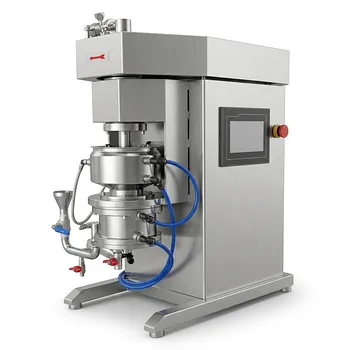
Small Ceramic Structure Laboratory Sand Mill Nanoscale Grinding Dispersion Equipment Seal-less Screen-less Design
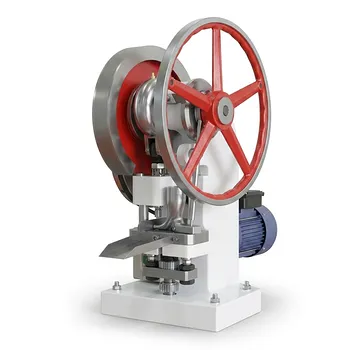
5 Ton Single Punch Tablet Press Laboratory Small Batch Production
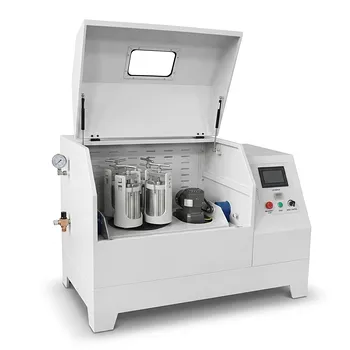
Vertical Production Planetary Ball Mill for High Throughput Powder Processing
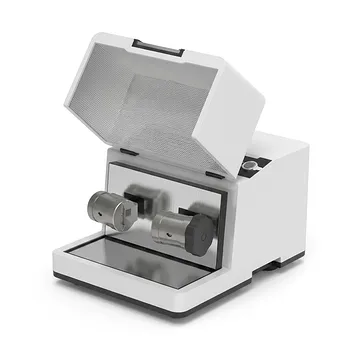
Heating Temperature Controlled High Energy Vibratory Ball Mill
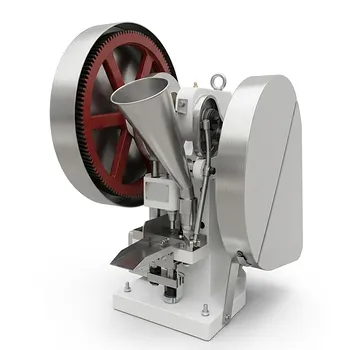
6-Ton Small Single-Punch Tablet Press — Laboratory Powder & Granule Tableting Equipment / Tablet Forming Machine
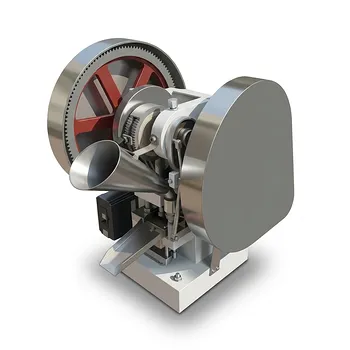
6 Ton Variable Frequency Single Punch Tablet Press
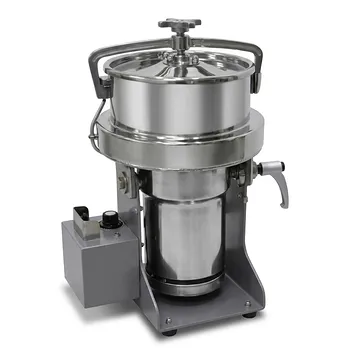
500g Capacity Water Cooled Low Temperature Grinder with Variable Speed and Safety Cover
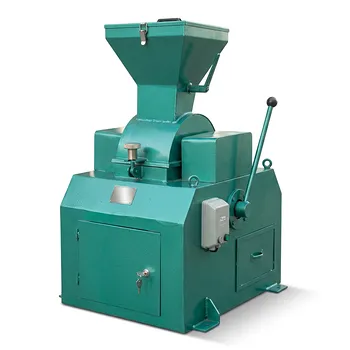
Laboratory Sealed Hammer Blade Crusher Divider for High Hardness Sample Preparation
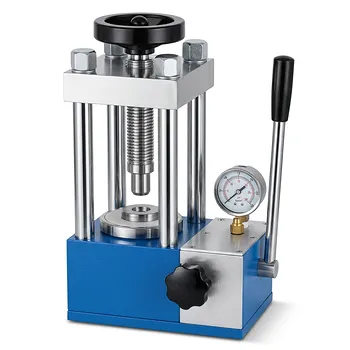
Manual Tablet Press with Dual Scale Pressure Gauge for Pharmaceutical Food Chemical Laboratory Sample Preparation
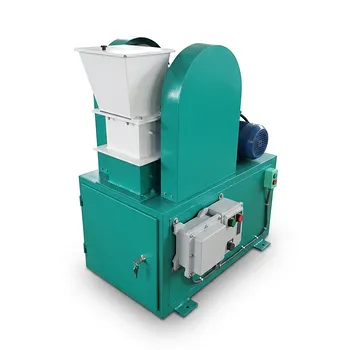
Custom Explosion-Proof Sealed Jaw Crusher for Laboratory and Industrial Sample Preparation
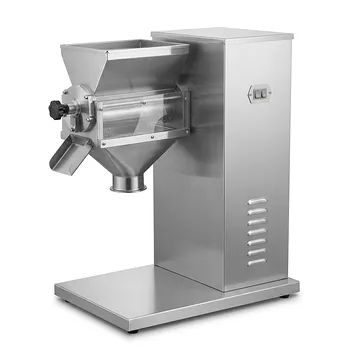
Small Swing Granulator Efficient Powder Granulation for Pharmaceutical Chemical Food Industries

Heavy Duty Dry Three Dimensional Vibratory Sieve Shaker for Particle Separation
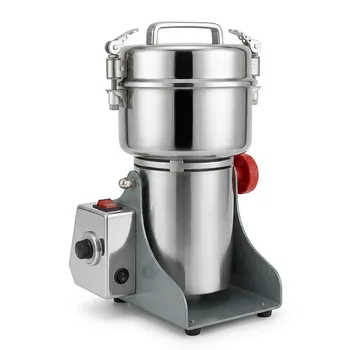
Versatile Industrial Crusher for Laboratory Crushing and Material Processing
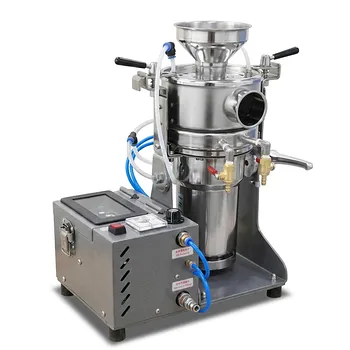
Water Cooled Pulse Jet Ultrafine Grinder
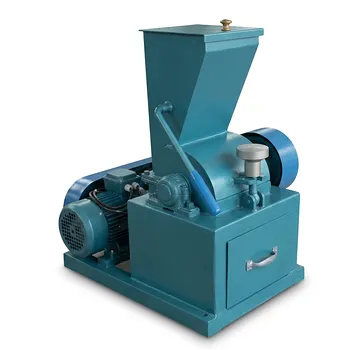
Small Hammer Crusher for Brittle Material Crushing in Mining Metallurgy and Lab Sample Preparation
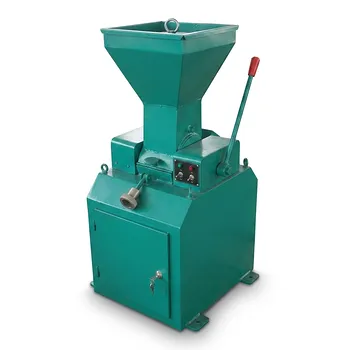
Laboratory Sealed Hammer Crusher for Coal and Mineral Sample Preparation
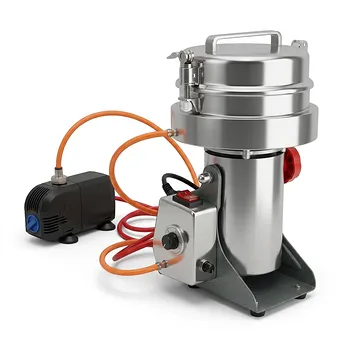
Water Cooled High Speed Grinder with Cryogenic Option for Laboratory Sample Preparation
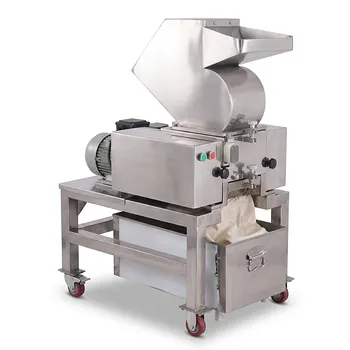
Stainless Steel Coarse Crusher for Pharmaceutical Food and Plastic Material Processing
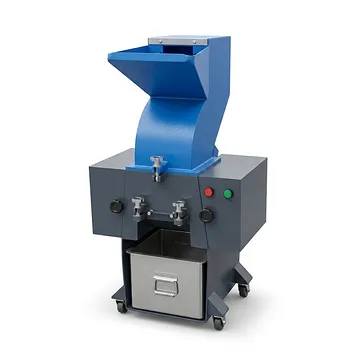
Heavy-Duty Crusher for Laboratory and Industrial Material Size Reduction