Chasing Ghosts in the Slurry: The Centrifugal Logic Behind Perfectly Clear Nanopaper
Jul 03, 2026
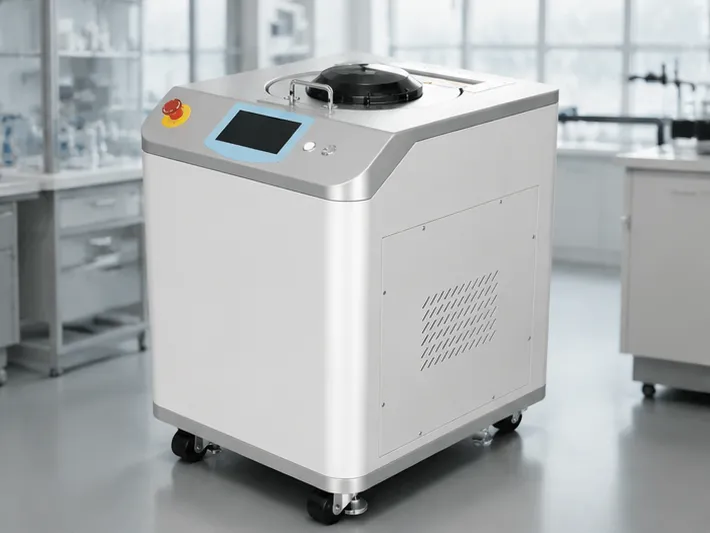
The Flaw You Can’t See Until It’s Too Late
You’ve done everything right. The cellulose nanofiber dispersion looks smooth. The casting is perfect. But after drying, instead of a luminous, glass‑clear sheet, you get haze. A foggy ghost trapped in the film.
Most researchers first blame the fiber. Too much lignin. Bad fiber length. Strange crystalline‑amorphous ratio.
But the real culprit is almost always something they didn’t feel, couldn’t see, and chose to ignore: microbubbles.
It’s a psychological blind spot. We trust the visible, and a high‑viscosity slurry hides its air content behind an opaque, gel‑like surface. So we assume “no visible foam means no problem.”
By the time the water evaporates, those invisible bubbles have turned into permanent, light‑scattering voids. The transparency is gone. The structural integrity? Weakened. And all because of ghosts nobody trained themselves to hunt.
Why Exceptional Nanopaper Starts With Exceptional Emptiness
Transparent nanopaper isn’t just a thin film. It’s a dense, three‑dimensional network of nanoscale fibers packed so tightly that light passes straight through. If the fiber density varies by even a few percent locally, photons scatter. Haze appears. The optical clarity collapses.
A single microbubble — 50 microns across — leaves behind a cavity twenty times larger than a cellulose nanofiber. Dozens of them scattered through the thickness? The paper becomes structurally unreliable. In sensor films or optical substrates, this turns a breakthrough into a bench‑top disappointment.
The physics is unforgiving. But the psychology of material processing often lets us believe that “good enough mixing” is good enough. That belief is expensive.
The Viscosity Trap: When Buoyancy Gives Up
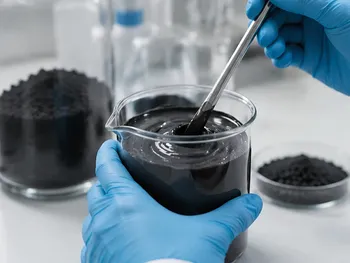
Think of a jar of honey. You can see the air bubble inside slowly rise because the honey is transparent and the buoyancy force still works. Now imagine a concentrated CNF dispersion at 1.5% or 2% solids. It’s a paste, an opaque white gel. Viscosity climbs past 10,000 centipoise. The yield stress alone can hold microbubbles captive.
In that environment, bubbles don’t rise. They stay suspended, surrounded by entangled nanofibers, and during film formation, the evaporating water gives them one final chance to become permanent voids.
Traditional stirring? It adds more air. Vacuum alone? It pulls on the free surface while the inside stays untouched. You need a force field that penetrates the entire volume and throws bubbles out by weight.
The Centrifugal Mindset: Spinning Your Way to Silence
This is where the engineer’s romance begins. A planetary centrifugal mixer doesn’t wait for buoyancy. It creates an artificial gravity ten or twenty times stronger than Earth’s, while simultaneously subjecting the material to shear via a rotating, revolving container.
The mathematics is elegant: revolution sweeps the material along the container wall, rotation mixes it perpendicularly, and the combined g‑force separates phases by density. Air is 1,000 times less dense than the slurry, so it moves outward — toward the center of rotation — rapidly and completely.
That means bubbles are no longer a “maybe later” problem. They are a right now, physics‑guarantees‑it problem.
And because the mixing is bladeless, the delicate high‑aspect‑ratio nanofibers remain intact. You don’t chop your strength‑giving fibrils to get rid of air. You simply apply enough radial acceleration to let the weight difference do the work.
Vacuum Assistance: Turning Small into Big
Even with high g‑forces, some microbubbles cling stubbornly to fiber surfaces. Integrating a vacuum changes the game.
Lower the atmospheric pressure around the spinning container, and trapped air expands. A 30‑micron bubble at 50 kPa becomes a 60‑micron bubble with reduced surface tension anchoring it. The centrifugal force now has a larger target. The bubble erupts to the surface like a miniature deep‑sea diver ascending too fast — but without disturbing the fiber architecture.
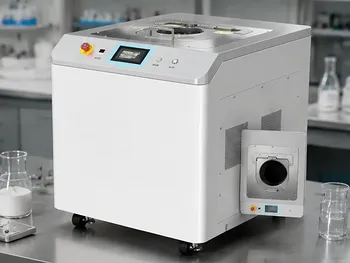
This simultaneous vacuum‑centrifugal action is what separates a good transparent film from a world‑class one. It’s also where commercial defoaming mixers and powder mixers engineered for high‑viscosity sample preparation prove their value. They don’t just degas; they systematically erase the ghosts before they can haunt the final product.
The Heat Trade‑off Nobody Teaches You
There’s no free lunch in high‑speed rotation. The same shear forces that pull bubbles out can generate enough frictional heat to alter the CNF surface chemistry or trigger additive degradation. You can degas perfectly and still end up with a yellowish, brittle film because the temperature crept past 45 °C unnoticed.
Savvy operators learn to:
- Pulse the rotation — allow heat dissipation intervals.
- Pre‑chill the container when working with thermally sensitive formulations.
- Monitor energy input as a process variable, not just timer.
This is where Morgan Housel’s lens on risk applies: the biggest disasters don’t come from the things you’re watching; they come from the second‑order effects you dismissed as secondary. Heat management rarely makes the “degassing” checklist, but it routinely determines success or failure in repeatable material science.
Deciding With Clarity: A Process Compass
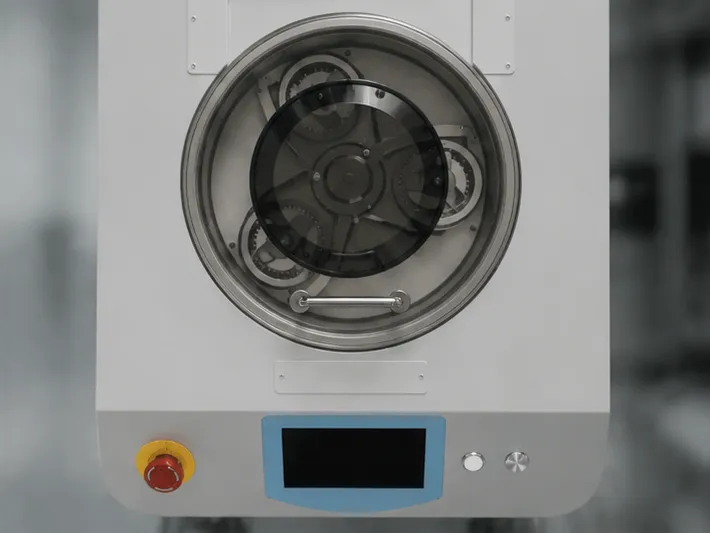
Your film’s destiny is usually set in the five minutes of mixing.
| If your goal is… | The process priority should be… | Why it matters |
|---|---|---|
| Maximum optical clarity | Vacuum‑integrated centrifugal mixing | Expands and ejects even pin micro‑bubbles before they become scattering centers. |
| Highest mechanical strength | Bladeless mixing with moderate g‑force | Preserves fiber length and aspect ratio; no mechanical shear damage. |
| Thick or highly concentrated gels | Gradual acceleration + continuous vacuum | Prevents air‑entrainment during the early mixing phase and handles yield stress. |
| Batch‑to‑batch consistency | Precise parameter control (time, rpm, vacuum) | Removes operator‑dependent variability, the silent enemy of production. |
Beyond the Mixer: Building a Sample Preparation Fortress
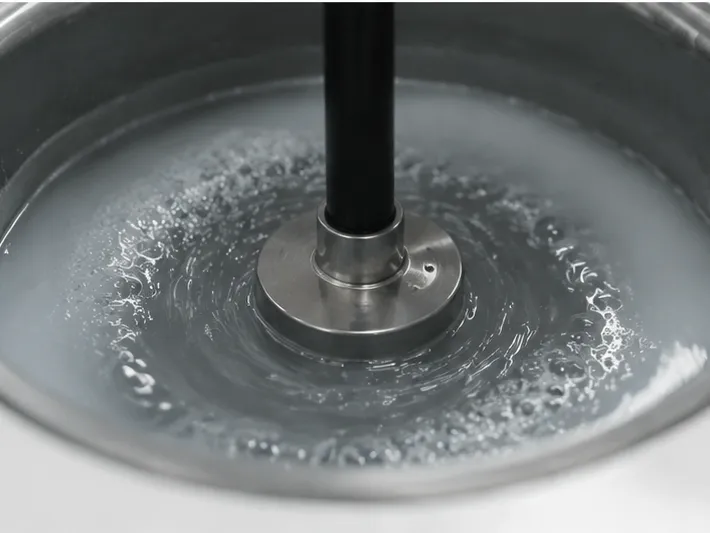
Degassing is the vulnerability that most directly determines optical performance. But it’s rarely an isolated step in a lab’s workflow. The quality of the nanopaper also traces back to how the fibers were milled, how the powder was compacted, and how the film was consolidated.
That’s why complete material‑science solutions matter. The same attention you pay to centrifugal defoaming can be amplified by:
- Advanced milling — planetary ball mills or jet mills that refine fiber dimensions without introducing amorphous contamination.
- Size classification — vibratory sieve shakers that ensure tight particle‑size distributions, reducing the chance of oversized agglomerates that cause surface roughness.
- High‑pressure compaction — XRF pellet presses, Cold/Warm Isostatic Presses (CIP/WIP), and vacuum hot presses that translate a perfectly degassed slurry into an equally perfect solid with zero internal porosity.
The cycle is always the same: Prepare, Homogenize, Degas, Consolidate. Break one link, and the optical silence you fought for in the mixer can be smothered in the press.
Engineer the Emptiness, Perfect the Transparency
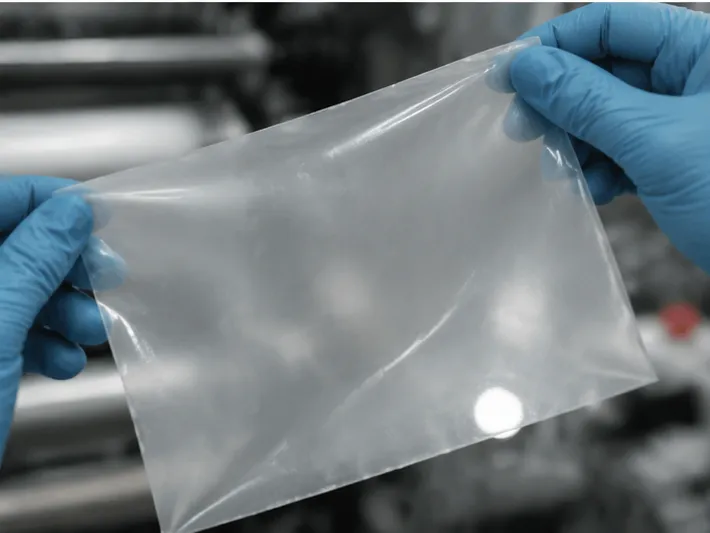
There’s a quiet dignity in building something invisible. Removing air from a thick slurry isn’t flashy. It leaves no signature except the results — a film so clear it looks like nothing is there.
That’s the engineer’s paradox: the most important processing step is often the one that erases itself completely from the final artifact.
When you handle degassing with the physics and respect it deserves — combining centrifugal force, vacuum technology, and a healthy paranoia about hidden flaws — the reward is more than a transparent sheet. It’s a process you can trust, and a product that performs exactly as the math promised.
Turn your invisible problem into a solved variable. Contact Our Experts
Quick Links
Suggested Products
Dual Cup Vacuum Centrifugal Mixer Planetary Paste Defoaming Machine Industrial Material Processor Industrial Planetary Centrifugal Vacuum Defoaming Mixer for High Viscosity Paste and Advanced Material Science High Efficiency Vacuum Planetary Centrifugal Mixer and Defoaming Machine for Industrial Material Research and Precise Laboratory Powder Dispersion High Viscosity Planetary Centrifugal Mixing and Vacuum Defoaming Machine for Laboratory Material Preparation High Speed Vacuum Planetary Centrifugal Mixer and Defoamer for Industrial Paste ProcessingFurther Reading
The Invisible Architect of Failure: Why a Bubble in Your Resin-GelMA Mix Casts a Shadow on Your Entire Print The Hidden Disorder in Your Battery Slurry—and the Precision Tool That Destroys It The Most Important Mixer in Your Lab Isn’t a Mixer. It’s an Insurance Policy Against Defects. The 3-Minute Transformation: How Mixing Speed Reveals the Hidden Architecture of Next-Gen Batteries When Two Extra Minutes Define a Skyscraper: The Precision Mixing Protocol That Nanomaterials Demand
PowderPreparation
Last updated on May 15, 2026
Related Products
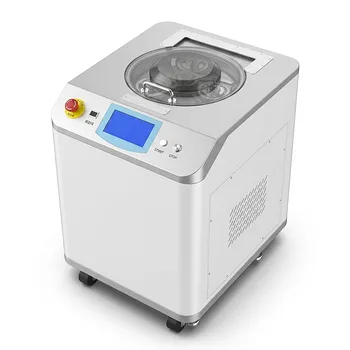
Dual Cup Vacuum Centrifugal Mixer Planetary Paste Defoaming Machine Industrial Material Processor
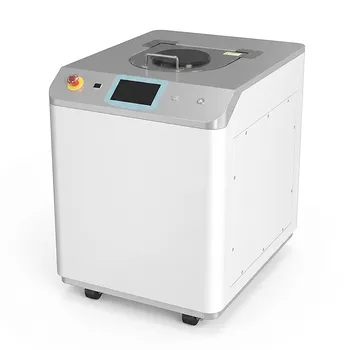
Industrial Planetary Centrifugal Vacuum Defoaming Mixer for High Viscosity Paste and Advanced Material Science
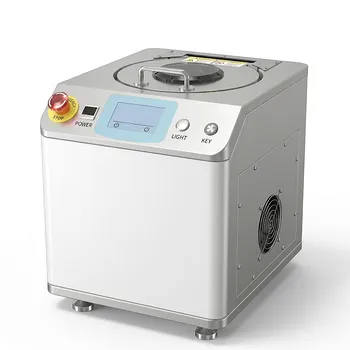
High Efficiency Vacuum Planetary Centrifugal Mixer and Defoaming Machine for Industrial Material Research and Precise Laboratory Powder Dispersion
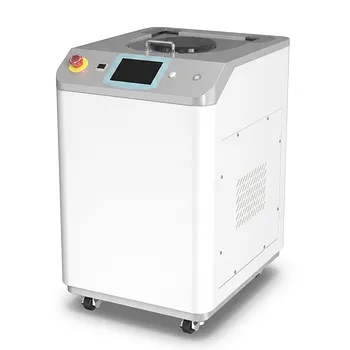
High Viscosity Planetary Centrifugal Mixing and Vacuum Defoaming Machine for Laboratory Material Preparation
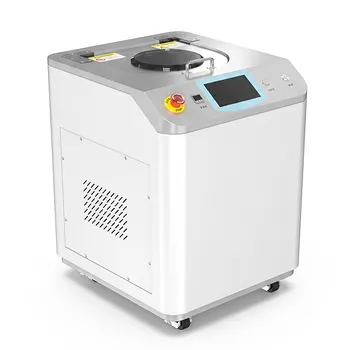
High Speed Vacuum Planetary Centrifugal Mixer and Defoamer for Industrial Paste Processing
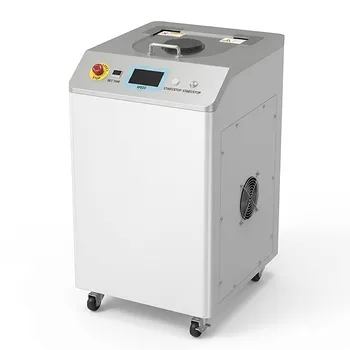
High Viscosity Planetary Centrifugal Vacuum Mixer for Material Defoaming and Uniform Mixing
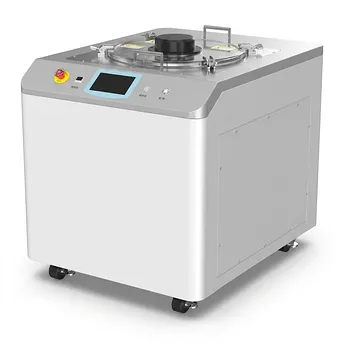
Industrial Planetary Centrifugal Vacuum Defoaming Mixer for High Viscosity Paste and Powder Homogenization
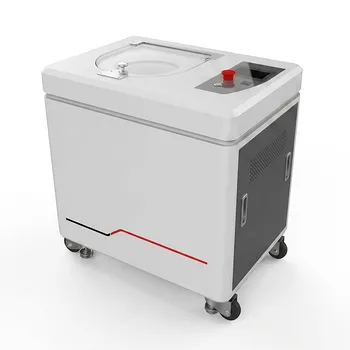
非介入式材料均质机真空脱泡行星搅拌高粘度混合设备
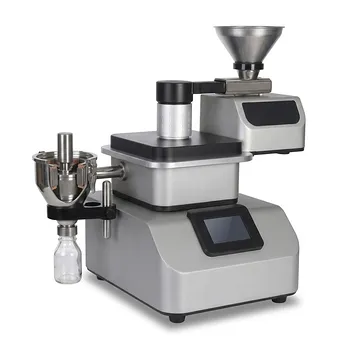
Ultra Centrifugal Mill for Rapid Laboratory Sample Preparation and Fine Powder Grinding
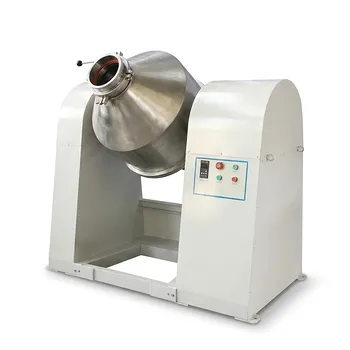
Industrial Double Cone Mixer for Powder Blending and Homogeneous Mixing
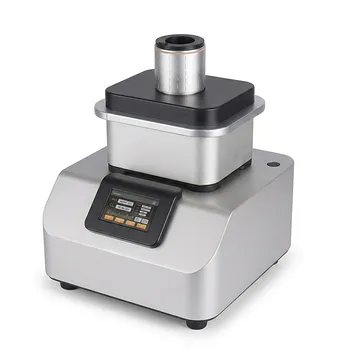
Ultra Centrifugal Mill High Speed Laboratory Grinder for Fibrous and Brittle Sample Preparation
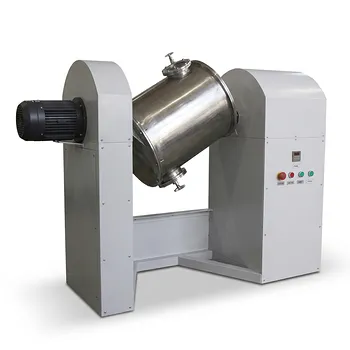
Inclined Mixer for Homogeneous Powder Blending and Grinding
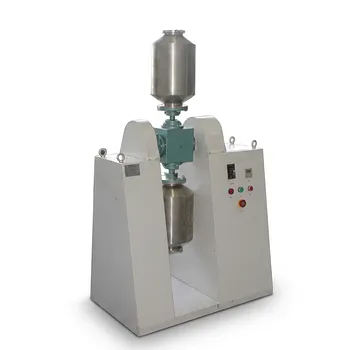
Multi Dimensional Universal Mixer for High Uniformity Powder Blending
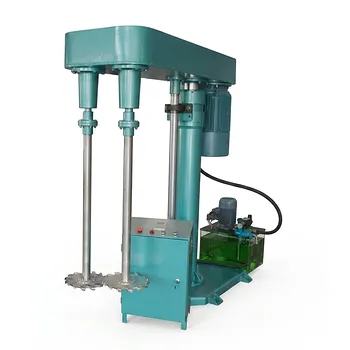
Hydraulic Double Shaft Disperser for High Viscosity Liquid Mixing and Dispersion
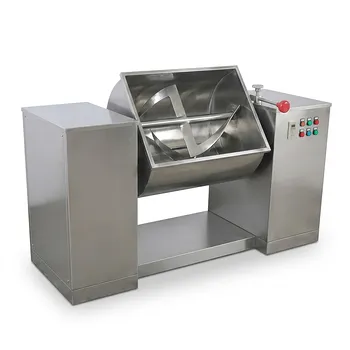
Horizontal Trough Mixer for Uniform Powder and Paste Blending
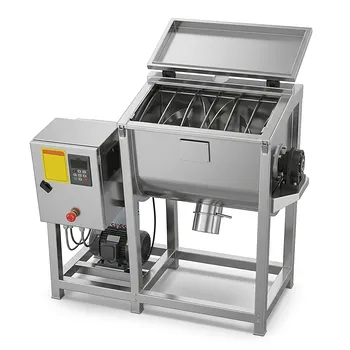
Horizontal Ribbon Mixer for Uniform Powder and Slurry Mixing
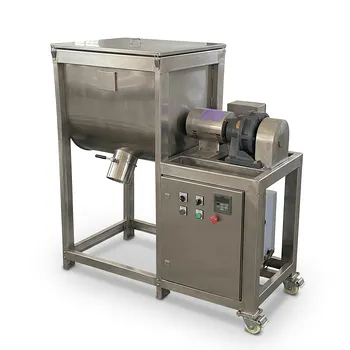
Horizontal Ribbon Mixer for Dry Powder and Slurry Blending
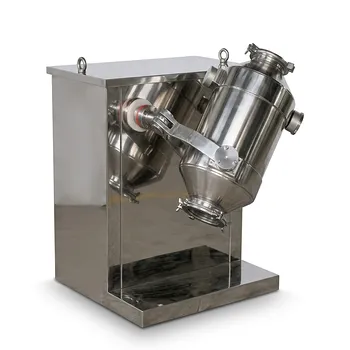
Three-Dimensional Motion Mixer for Laboratory Powder and Granule Blending
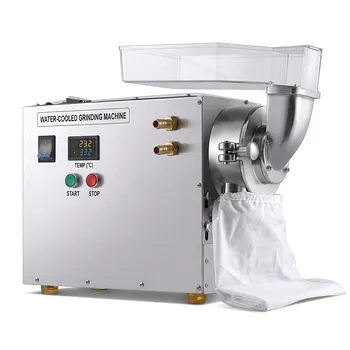
Water Cooled Graduated Continuous Feed Pulverizer for Industrial Powder Processing and Laboratory Material Preparation