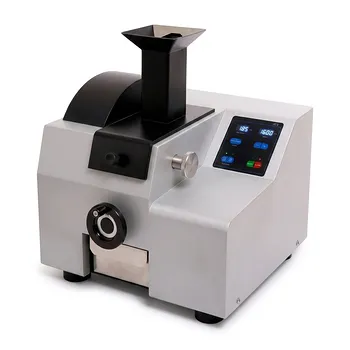
Why must rock samples be ultrafine powder for ED-XRF? Ensure Precise Geochemical Analysis with Lab Crushers & Mills
Updated 4 months ago
Processing rock samples into a uniform ultrafine powder is essential for ED-XRF analysis because it eliminates mineral heterogeneity and grain-size effects. This mechanical transformation ensures the sample is physically and chemically homogenized, allowing the X-ray beam to interact with a representative surface. Without this step, the resulting data would reflect the accidental placement of individual mineral grains rather than the true bulk composition of the rock.
Core Takeaway: Ultrafine grinding converts heterogeneous geological materials into a homogenized medium, ensuring uniform X-ray penetration and stable fluorescence intensity for accurate, repeatable elemental quantification.
The Science of Homogeneity and Signal Accuracy
Eliminating Mineral Heterogeneity
Rocks are naturally composed of diverse mineral aggregates with varying chemical structures. Laboratory mills break these down to ensure that the small area targeted by the X-ray beam contains a statistically significant distribution of all minerals present.
Neutralizing the Grain-Size Effect
Large or uneven particles cause X-rays to scatter inconsistently, leading to "shadowing" or variations in signal intensity. Reducing the sample to an ultrafine powder (often below 38 microns) ensures that the X-ray penetration is uniform across the entire sample surface.
Overcoming Preferred Orientation
In crystalline materials, certain minerals tend to align in specific directions, which can artificially inflate or deflate specific elemental peaks. Mechanical pulverization randomizes these orientations, allowing the detector to capture a balanced and accurate characteristic signal.
Improving Analytical Reliability
Stabilizing Fluorescence Intensity
A smooth, fine-grained surface provides a consistent geometry for the X-ray source and detector. This stability is critical for achieving the high-resolution data required to identify both major element oxides and subtle trace element concentrations.
Ensuring Representative Calibration
ED-XRF relies on comparing sample signals against known standards. If the physical state of the sample (particle size and density) does not match the calibration model, the quantitative results for elements like tin, tantalum, or rare earth elements will be fundamentally flawed.
Increasing Specific Surface Area
Grinding significantly increases the specific surface area of the material. This ensures that the chemical composition is highly homogenized at the micron level, which is vital for the repeatability of the analysis across multiple sub-samples.
Understanding the Trade-offs
Contamination Risks from Grinding Media
While grinding is necessary, the choice of mill material (e.g., tungsten carbide, chrome steel, or agate) can introduce trace contaminants into the sample. High-energy grinding may also cause localized heating, which can affect volatile components in certain mineral types.
Balance Between Fineness and Processing Time
Achieving an "ultrafine" state requires significant energy and time. Over-processing can lead to sample caking or sticking within the grinding bowl, making recovery difficult and potentially leading to cross-contamination between batches if cleaning protocols are not rigorous.
How to Optimize Your Sample Preparation
Making the Right Choice for Your Goal
- If your primary focus is Major Element Analysis: Ensure the sample is ground to at least 75 microns to minimize matrix effects and ensure a smooth pressed pellet surface.
- If your primary focus is Trace Element or REE Quantification: Utilize high-energy vibratory mills to reach a sub-38-micron level to guarantee the homogeneity required for low-concentration detection.
- If your primary focus is Avoiding Contamination: Select agate or zirconia grinding sets, which are chemically inert, even if they require longer processing times than steel.
Properly executed mechanical refinement transforms a raw geological specimen into a precise analytical standard, ensuring your ED-XRF data is both scientifically valid and industrially actionable.
Summary Table:
| Challenge in ED-XRF | Impact on Analytical Results | Recommended Powder Processing Solution |
|---|---|---|
| Mineral Heterogeneity | Non-representative sampling of bulk rock | High-energy milling for chemical homogenization |
| Grain-Size Effect | X-ray scattering and signal "shadowing" | Reduction to ultrafine powder (typically <38 μm) |
| Preferred Orientation | Artificially inflated or deflated elemental peaks | Mechanical pulverization to randomize crystal alignment |
| Surface Irregularity | Unstable fluorescence intensity and poor precision | Creation of a smooth-surfaced pressed pellet |
| Matrix Effects | Inaccurate calibration against standards | Uniform density and particle size distribution |
Achieve Analytical Excellence with Complete Sample Prep Solutions
Transitioning from raw geological specimens to high-resolution ED-XRF data requires precision at every step. At [Company Name], we provide complete laboratory sample preparation solutions for material science, specializing in high-performance powder processing and compaction equipment designed to eliminate analytical errors.
Our extensive line supports your entire workflow:
- Primary & Fine Grinding: From rugged jaw and roll crushers to high-energy planetary ball mills, jet mills, and cryogenic grinders for heat-sensitive minerals.
- Precision Classification: Vibratory and air-jet sieve shakers to guarantee your powder meets the sub-38-micron requirement.
- Homogenization: Advanced powder mixers and defoaming mixers for consistent sample batches.
- Superior Compaction: A full spectrum of hydraulic presses, including dedicated XRF pellet presses, hot presses, and Cold/Warm Isostatic Presses (CIP/WIP) for high-density requirements.
Don’t let improper preparation compromise your research. Contact our technical experts today to find the ideal crushing and milling configuration for your specific mineralogical applications!
References
- Boris Ilyashuk, Elena A. Ilyashuk. Water–Rock Interaction and Freeze–Thaw Cycles as Drivers of Acid Rock Drainage Generation by a Rock Glacier in the European Alps. DOI: 10.1021/acsestwater.4c00263
Mentioned Products
- Laboratory Sealed Double Roll Crusher for Coal Ore Rock and Medium Hardness Materials Sample Preparation
- Heightened Customized Laboratory Double Roll Crusher for Coal Ore Rock Crushing
- High Speed Laboratory Grinder Efficient Stainless Steel Powder Pulverizer Universal Material Science Mill for Sample Preparation
- High Speed Small Laboratory Crusher for Dry Material Sample Preparation
- Laboratory Disc Mill for Ore and Mineral Sample Preparation
People Also Ask
- Why use a lab roll crusher after jaw crushing for magnetite? Optimize kinetics and preserve material integrity.
- Why is a double roll crusher used for tin & tantalum? Prevent over-crushing & optimize gravity separation recovery.
- What is the primary function of laboratory-scale crushers in the pre-treatment stage of iron ore bio-dephosphorization?
- Lab Crusher's Role in Banana Stem Cellulose Extraction? Enhance Your Raw Material Preparation Now
- What is the primary role of laboratory crushers in the recycling process of inorganic old sand? Essential for Sand Reuse

Tech Team · PowderPreparation
Last updated on Jun 03, 2026
Related Products
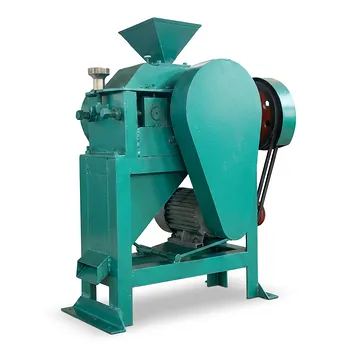
Laboratory Sealed Double Roll Crusher for Coal Ore Rock and Medium Hardness Materials Sample Preparation
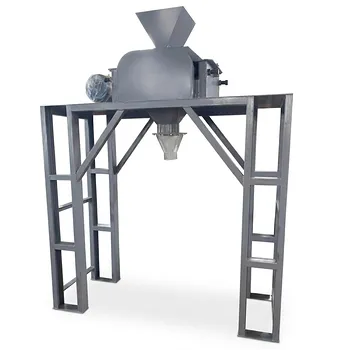
Heightened Customized Laboratory Double Roll Crusher for Coal Ore Rock Crushing
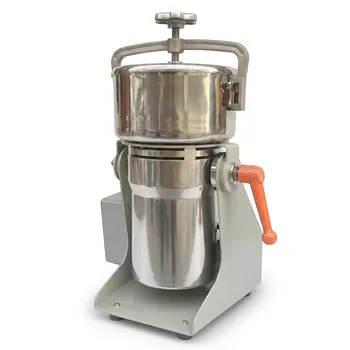
High Speed Laboratory Grinder Efficient Stainless Steel Powder Pulverizer Universal Material Science Mill for Sample Preparation
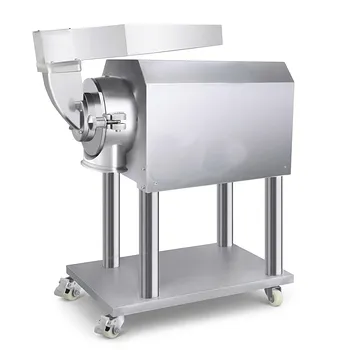
High Speed Small Laboratory Crusher for Dry Material Sample Preparation
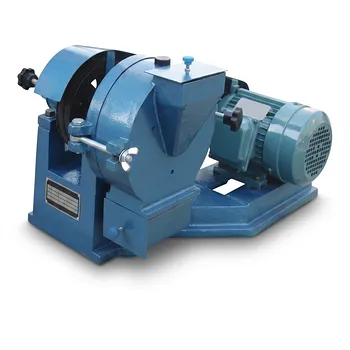
Laboratory Disc Mill for Ore and Mineral Sample Preparation
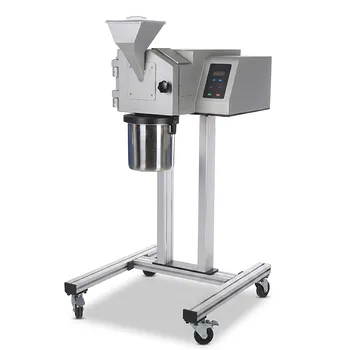
Cross Beater Mill for Brittle Material Grinding and Continuous Fine Crushing Industrial Sample Preparation
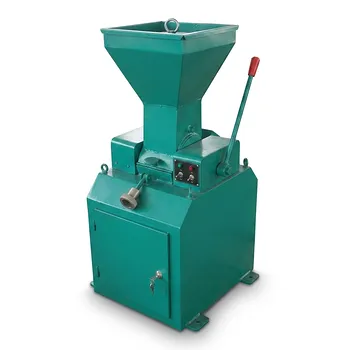
Laboratory Sealed Hammer Crusher for Coal and Mineral Sample Preparation
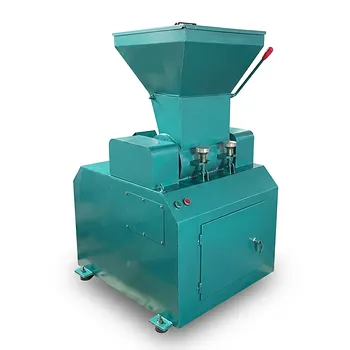
Sealed Hammer Crusher for Laboratory Coal Sample Preparation Adjustable Output Size
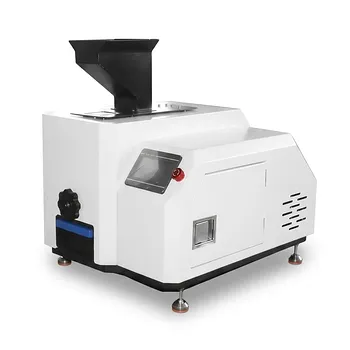
Laboratory Jaw Crusher 2025 Model for Ore and Brittle Material Crushing
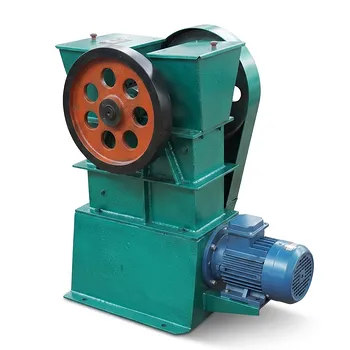
150×125mm Laboratory Jaw Crusher for Medium and Fine Crushing of Brittle Materials
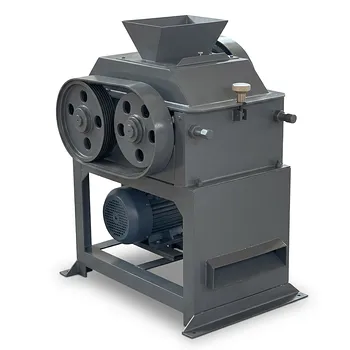
Sealed Laboratory Double Roll Crusher for Coal, Mineral, Ore Sample Preparation
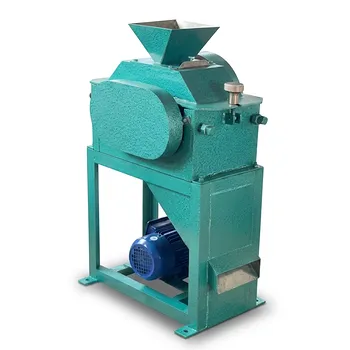
Laboratory Double Roll Crusher for Medium Hardness Materials Coal Ore Sample Preparation
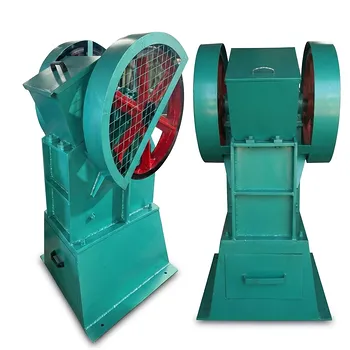
Sealed Jaw Crusher for Laboratory Material Crushing and Sample Preparation
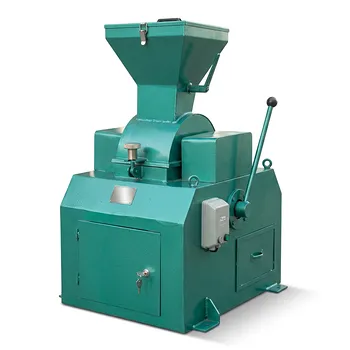
Laboratory Sealed Hammer Blade Crusher Divider for High Hardness Sample Preparation
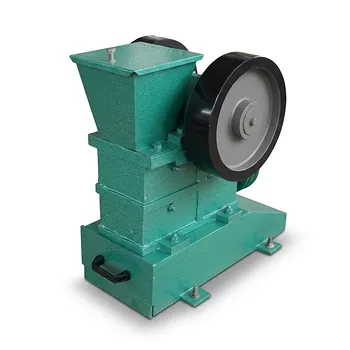
Laboratory Small Jaw Crusher 100x60mm
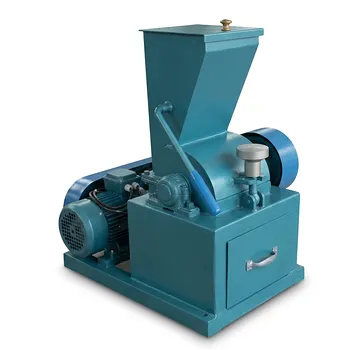
Small Hammer Crusher for Brittle Material Crushing in Mining Metallurgy and Lab Sample Preparation
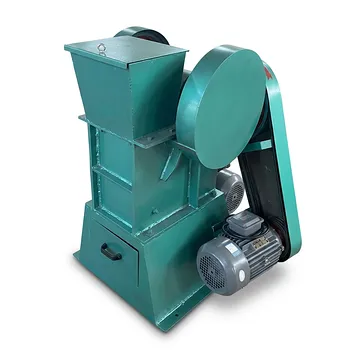
Small Laboratory Jaw Crusher 150x200mm Feed Opening for Sample Preparation and Medium Fine Crushing
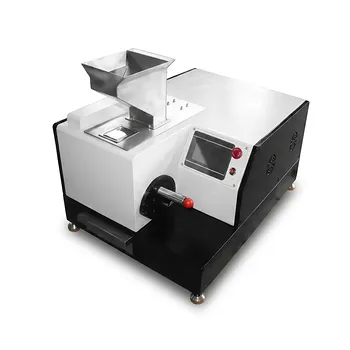
Experimental Jaw Crusher for Laboratory Ore Crushing and Sample Preparation
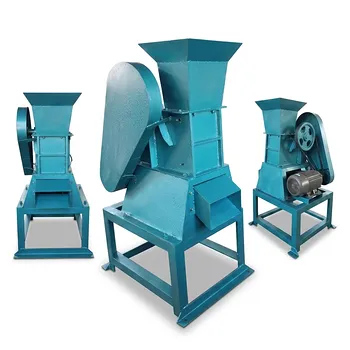
Custom Raised Height Laboratory Jaw Crusher for Precision Sample Preparation in Material Science