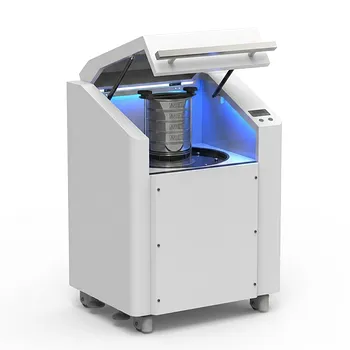
Why is the selection of precision test sieve specifications critical in the particle size characterization of corn residues?
Updated 5 months ago
Precision sieve selection is the foundation of corn residue analysis. Precise mesh apertures define the physical boundaries of biomass components, directly influencing the accuracy of reaction activity measurements in gasification or combustion systems. By utilizing specific specifications—typically ranging from 20 to 70 mesh—researchers can classify complex residues into distinct size intervals (e.g., 0.212 mm to 0.850 mm) to isolate the unique behaviors of different plant structures.
Core Takeaway: Selecting high-precision test sieves is critical because particle size dictates the physical distribution and chemical reactivity of corn residue components. Accurate grading allows for the isolation of cobs and stalks, ensuring that energy conversion processes are optimized based on the specific surface area and morphological traits of each fraction.
Isolating Heterogeneous Components
Identifying Morphological Differences
Corn residues are not uniform; they consist of various tissues with distinct physical shapes, such as the concave distribution of corn cobs versus the convex distribution of stalks. Precision sieving allows these components to be separated based on their mechanical dimensions, which is the first step in understanding how each part of the plant contributes to the overall biomass profile.
Defining Physical Boundaries
By selecting specific apertures, such as those between 0.212 mm and 0.850 mm, researchers can create standardized size intervals. These boundaries are essential for comparing data across different studies and ensuring that the material being tested is representative of a specific physical fraction rather than a random mixture.
Artificial Enrichment of Components
Similar to how sieving can enrich protein in flour, specific sieve specifications can be used to concentrate certain residue components. This enables technical personnel to identify "hotspot" particle ranges where the most reactive or energy-dense materials are located, facilitating more efficient fuel preparation.
Optimizing Energy Conversion and Reactivity
The Role of Specific Surface Area
The selection of finer mesh sizes is critical because as particle size decreases, the specific surface area increases. This increase in surface area often leads to higher concentrations of reactive elements and improved heat transfer, which is decisive for the performance of the material in gasification systems.
Impact on Reaction Activity
Precision grading directly impacts the reaction activity of corn residues during thermal conversion. By controlling the particle size distribution, engineers can predict and manipulate the rate of combustion, ensuring a more stable and efficient energy output.
Enhancing Analytical Accuracy
Using standardized, high-precision sieves improves the reliability of subsequent testing, such as Near-Infrared (NIR) spectroscopy. When the particle size is tightly controlled, the "noise" in analytical data is reduced, leading to more accurate predictions of complex quality parameters and chemical compositions.
Understanding the Trade-offs
Structural Integrity vs. Sieve Wear
While high-precision sieves offer superior accuracy, they are subject to mechanical wear and corrosion. Intense vibration during dry sieving or prolonged immersion during wet sieving can lead to aperture deformation if the sieve material is not of high quality, which compromises the repeatability of the data.
The Risk of Mesh Blinding
Selecting very fine mesh specifications increases the risk of mesh blinding, where particles become lodged in the apertures. This is particularly common with organic materials like corn residues, which may have irregular shapes that do not pass through the mesh easily, potentially skewing the mass percentage results.
Balancing Precision and Sample Throughput
Increased precision often requires more layers of sieves and longer processing times. While a comprehensive range (e.g., 20 to 400 mesh) provides the most detailed data, it may be excessively time-consuming for routine industrial grading where only the primary "cut points" are required for process control.
How to Apply This to Your Project
Making the Right Choice for Your Goal
To achieve the best results in particle size characterization, your sieve selection must align with your specific research or production objectives.
- If your primary focus is gasification efficiency: Prioritize finer mesh specifications (above 50 mesh) to maximize the specific surface area and identify the most reactive fractions.
- If your primary focus is morphological study: Use a broad range of sieves (20 to 70 mesh) to effectively separate the concave cob particles from the convex stalk fibers.
- If your primary focus is data repeatability: Invest in high-quality, corrosion-resistant stainless steel sieves that maintain aperture shape under intense vibratory stress.
- If your primary focus is industrial pre-treatment: Identify the optimal "cut point" using a limited set of precision sieves to quickly enrich the desired biomass components for large-scale processing.
By meticulously selecting sieve specifications, you transform raw corn residue into a characterized, predictable feedstock for advanced energy applications.
Summary Table:
| Key Factor | Role in Corn Residue Analysis | Impact on Outcomes |
|---|---|---|
| Aperture Precision | Defines boundaries for cobs vs. stalks | Isolates heterogeneous components accurately |
| Specific Surface Area | Increases with finer mesh sizes | Enhances chemical reactivity & heat transfer |
| Analytical Accuracy | Reduces data "noise" in NIR spectroscopy | Provides reliable chemical composition profiles |
| Component Enrichment | Concentrates specific biomass tissues | Optimizes feedstock for energy conversion |
| Sieve Quality | Resists mechanical wear and corrosion | Ensures repeatability and long-term data validity |
Elevate Your Material Analysis with Precision Preparation Solutions
Accurate particle characterization begins with the right equipment. At our facility, we provide complete laboratory sample preparation solutions tailored for material science and biomass research. We specialize in high-performance powder processing and compaction equipment designed to meet the most rigorous standards.
Our extensive product lines include:
- Size Reduction: High-efficiency crushers (jaw/roll), liquid nitrogen cryogenic grinders, and advanced mills (planetary ball, jet, sand/bead, disc, rotor).
- Sieving & Grading: Precision sieve shakers (vibratory/air-jet) with a comprehensive range of test sieves and meshes.
- Mixing & Compaction: Specialized powder mixers, defoaming mixers, and a full spectrum of hydraulic presses, including Cold/Warm Isostatic Presses (CIP/WIP), XRF pellet presses, and vacuum hot presses.
Whether you are isolating biomass components or preparing advanced powders, our tools ensure maximum precision and efficiency. Contact our technical experts today to discuss your specific application and find the ideal solution for your laboratory.
References
- Nilson. PHYSICAL PROPERTIES OF CORN RESIDUES. DOI: 10.3844/ajbbsp.2012.44.53
Mentioned Products
- Laboratory Vibratory Test Sieve Shaker for Precision Particle Size Analysis and Powder Grading
- Small Laboratory Vibrating Sieve Shaker for Precise Particle Size Analysis
- 三维电磁微量振动筛分仪
- Laboratory Air Jet Sieving Machine for Fine Powder Particle Size Analysis and Deagglomeration
- High Frequency Wet Three-Dimensional Vibrating Sieve Shaker for Dry and Wet Particle Size Analysis
People Also Ask
- What role does a laboratory sieve shaker play in determining PDI? Achieve Precision in Biomass Quality Testing
- What are the functions of sieve shakers for coconut shell powder? Achieve Precise Particle Size & Quality Control.
- What function does a laboratory sieve shaker perform in the PSD analysis of residual soil? Ensure Precise Grading
- What is the role of a laboratory sieve shaker in the preparation of plantain peel adsorbents? Standardize Particle Size
- What is the function of a laboratory vibratory sieve shaker? Enhance Coal Particle Size Distribution (PSD) Analysis

Tech Team · PowderPreparation
Last updated on May 14, 2026
Related Products
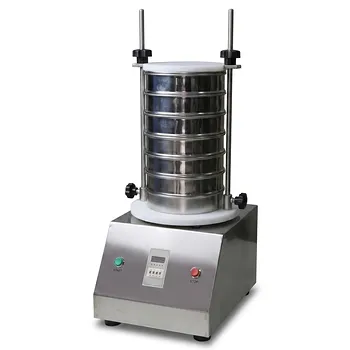
Laboratory Vibratory Test Sieve Shaker for Precision Particle Size Analysis and Powder Grading
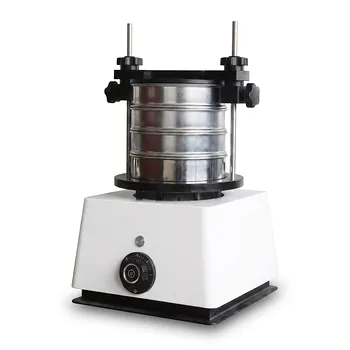
Small Laboratory Vibrating Sieve Shaker for Precise Particle Size Analysis
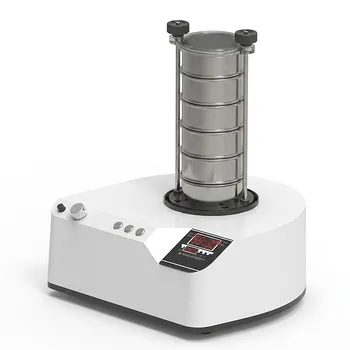
三维电磁微量振动筛分仪
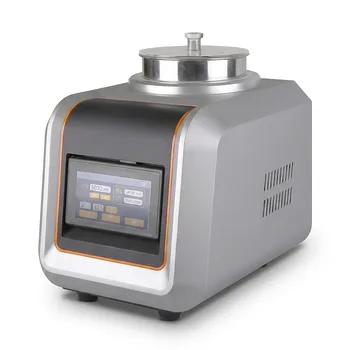
Laboratory Air Jet Sieving Machine for Fine Powder Particle Size Analysis and Deagglomeration
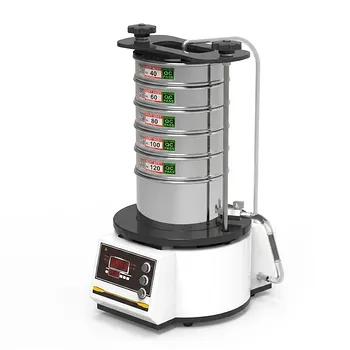
High Frequency Wet Three-Dimensional Vibrating Sieve Shaker for Dry and Wet Particle Size Analysis
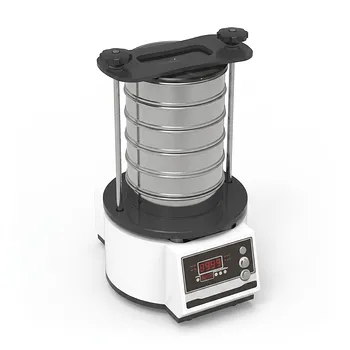
Tapping Oscillating Sieve Shaker for Dry and Wet Particle Size Analysis
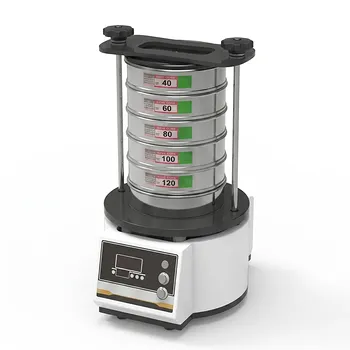
Dry Three Dimensional Vibratory Sieve Shaker
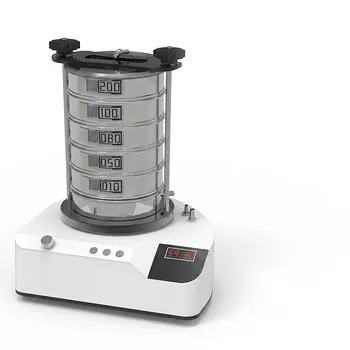
Heavy Duty Dry Three Dimensional Vibratory Sieve Shaker for Particle Separation
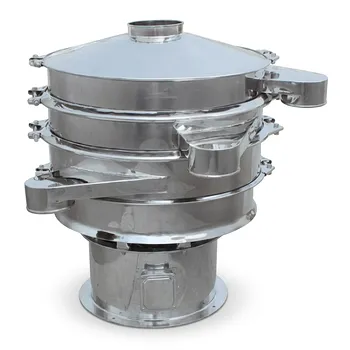
Stainless Steel Rotary Vibrating Sieve High Precision Circular Vibratory Separator Industrial Powder Grading Machine Multi Layer Sifting Equipment
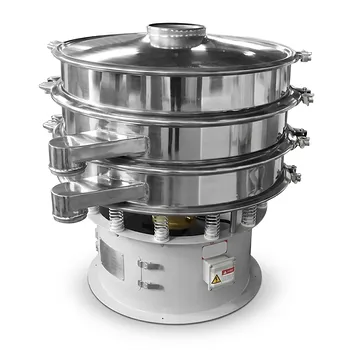
Three Dimensional Rotary Vibrating Sieve