Why is preliminary crushing and manual grinding necessary before the mechanical milling of iron sand? Optimize Results
Updated 4 months ago
The necessity of pre-milling preparation stems from mechanical limits and chemical efficiency requirements. Preliminary crushing and manual grinding of iron sand are essential to reduce particle size for equipment compatibility, increase the specific surface area for faster processing, and protect high-precision milling media from excessive wear. By ensuring optimal fluidity and fineness before the material enters a mechanical mill, operators can achieve deeper impurity removal and more uniform particle distribution.
Preliminary crushing acts as a critical interface between raw materials and precision machinery, transforming bulk iron sand into a feedable state that optimizes milling efficiency and prevents equipment damage. It is the foundational step that determines the success of downstream chemical refinement and physical granulation.
Optimizing the Mechanical Milling Process
Increasing Specific Surface Area
Reducing coarse mineral sand particles into smaller fragments significantly increases the specific surface area of the material. This larger surface area allows the mechanical mill's energy to be applied more effectively across the material, accelerating the refinement process.
Improving Material Fluidity
Pre-ground sand exhibits better fluidity than raw, bulk minerals. This ensures that the material feeds smoothly into high-energy ball mills, preventing clogs and maintaining a consistent processing rate.
Enhancing Grinding Efficiency
By achieving an optimal initial fineness through preliminary steps, the subsequent precision grinding becomes far more efficient. The mill can focus on micro-refinement rather than the energy-intensive task of breaking down large, primary structures.
Protecting Equipment and Maintaining Standards
Ensuring Equipment Compatibility
Large, uncrushed particles or bulk materials are often physically unsuitable for direct placement into ball milling jars or high-precision equipment. Manual crushing reduces materials to a manageable size distribution—often between 30.5 and 100 mm—to ensure they fit the machinery.
Reducing Media Wear and Tear
Processing coarse particles in a high-energy mill causes significant wear and loss of grinding media, such as steel balls or ceramic liners. Preliminary crushing acts as a buffer, extending the lifespan of expensive equipment by reducing the mechanical stress of the first impact.
Obtaining Representative Samples
Manual crushing allows for the preliminary exposure of the internal structure of the ore. This is critical in laboratory settings for obtaining representative samples that accurately reflect the mineral's composition for further science analysis.
Enhancing Chemical and Structural Properties
Facilitating Impurity Removal
Deep impurity removal of elements like phosphorus, sulfur, and silicon requires the ore to reach a specific micron-sized powder, such as 75 micrometers. Preliminary crushing starts the liberation process, allowing leaching agents to eventually reach and dissolve encapsulated gangue minerals.
Increasing Reactivity and Bonding
Fine particles created during pre-treatment more effectively fill the voids between coarser grains during later stages like wet granulation. This facilitates the formation of stronger "liquid bridges," which are essential for the mechanical strength and structural uniformity of final iron ore pellets.
Understanding the Trade-offs
Manual Labor vs. Mechanical Stress
While manual grinding is labor-intensive, it provides a level of tactile control that prevents the damage associated with forcing oversized materials into automated crushers. The trade-off is higher initial labor costs in exchange for lower long-term equipment maintenance fees.
Precision vs. Material Loss
Over-crushing during the preliminary phase can lead to the creation of "fines" that may be lost as dust. However, under-crushing forces the ball mill to operate as a primary crusher, which is a highly inefficient use of energy and increases the risk of mechanical failure.
How to Apply This to Your Milling Project
Guidelines for Preparation
- If your primary focus is equipment longevity: Ensure all materials are crushed to a size that allows for at least 20% free space within the milling jar to allow for proper media movement.
- If your primary focus is chemical purity: Prioritize manual grinding to expose internal ore structures, ensuring that subsequent mechanical milling can reach the 75-micrometer threshold needed for leaching.
- If your primary focus is structural strength (pelletizing): Focus on achieving a wide but controlled particle size distribution during pre-treatment to ensure smaller particles can fill voids between larger ones.
Effective preliminary crushing is the essential bridge that transforms raw, unmanageable minerals into a refined feedstock capable of meeting rigorous industrial and laboratory standards.
Summary Table:
| Key Benefit | Description | Impact on Milling Process |
|---|---|---|
| Equipment Protection | Reduces feed size to fit jars/chambers | Prevents clogs and minimizes media wear |
| Grinding Efficiency | Increases specific surface area | Faster micro-refinement and energy savings |
| Chemical Purity | Initial liberation of ore structure | Facilitates deep impurity removal (<75μm) |
| Material Fluidity | Ensures consistent feeding rate | Maintains uniform particle size distribution |
| Structural Strength | Prepares fines for better bonding | Essential for forming strong iron ore pellets |
Master Your Material Preparation with Professional Solutions
Achieving the perfect particle size starts long before the mill begins to spin. At our facility, we provide complete laboratory sample preparation solutions designed specifically for material science and powder processing.
Whether you are processing raw iron sand or advanced minerals, our high-performance equipment ensures precision and durability:
- Primary Processing: High-efficiency crushers (jaw/roll) and manual grinding tools for essential pre-treatment.
- Advanced Milling: Planetary ball mills, jet mills, rotor mills, and liquid nitrogen cryogenic grinders for micro-refinement.
- Classification & Mixing: Vibratory sieve shakers and advanced powder/defoaming mixers.
- Compaction & Pelleting: A full spectrum of hydraulic presses, including Cold/Warm Isostatic Presses (CIP/WIP), XRF pellet presses, and vacuum hot presses.
Don’t let improper preparation damage your high-precision media or compromise your research data. Contact our technical experts today to discuss how our specialized equipment can streamline your workflow and enhance your material purity!
References
- Luh Ayu Melinia, Masno Ginting. Analisa Pasir Besi Alam dari Sungai Musi Sumatera Selatan. DOI: 10.56064/jps.v24i3.716
Mentioned Products
- Heavy Duty Industrial Jaw Crusher for Primary Ore Crushing and High Capacity Mineral Material Size Reduction
- Heavy-Duty Crusher for Laboratory and Industrial Material Size Reduction
- Heavy-Duty Jaw Crusher for Medium-Hard Ore and Industrial Mineral Crushing
- Horizontal Jaw Crusher Medium Hard Material Crushing Laboratory Sample Preparation Equipment
- Industrial Sealed Hammer Knife Crusher for Mining Ore and Coal Sample Preparation
People Also Ask
- What role does an industrial jaw crusher play in gangue slurry processing? Essential Primary Size Reduction Insights
- What is the function of an industrial jaw crusher in the primary processing of ironstone? Key to Efficient Reduction
- What is the role of industrial crushers and standard test sieves in biomass pyrolysis? Optimize Heat Transfer & Yield
- What is the function of a jaw crusher in reservoir sediment geopolymer synthesis? Primary Size Reduction Explained
- What is the role of jaw or roll crushers in the initial processing of copper ore samples? Essential Prep for Analysis

Tech Team · PowderPreparation
Last updated on Jun 03, 2026
Related Products
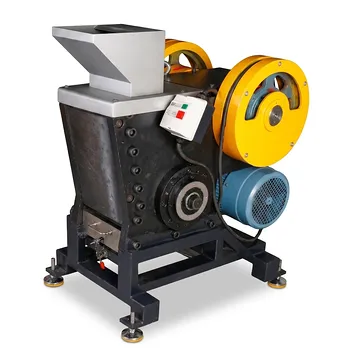
Heavy Duty Industrial Jaw Crusher for Primary Ore Crushing and High Capacity Mineral Material Size Reduction
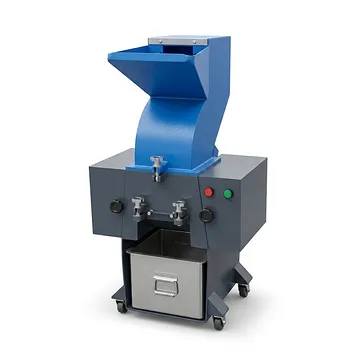
Heavy-Duty Crusher for Laboratory and Industrial Material Size Reduction
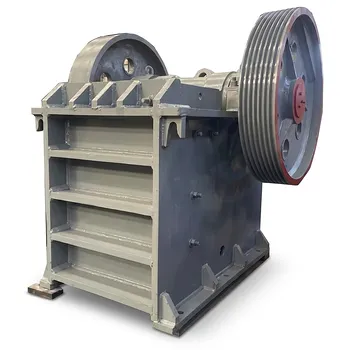
Heavy-Duty Jaw Crusher for Medium-Hard Ore and Industrial Mineral Crushing
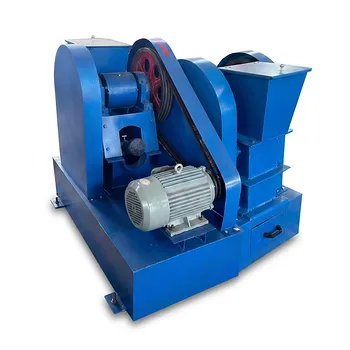
Horizontal Jaw Crusher Medium Hard Material Crushing Laboratory Sample Preparation Equipment
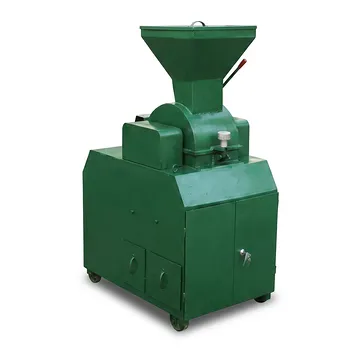
Industrial Sealed Hammer Knife Crusher for Mining Ore and Coal Sample Preparation
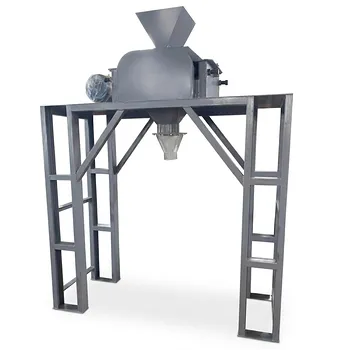
Heightened Customized Laboratory Double Roll Crusher for Coal Ore Rock Crushing
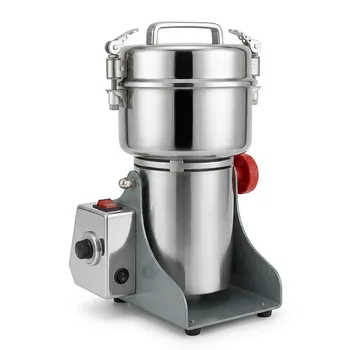
Versatile Industrial Crusher for Laboratory Crushing and Material Processing
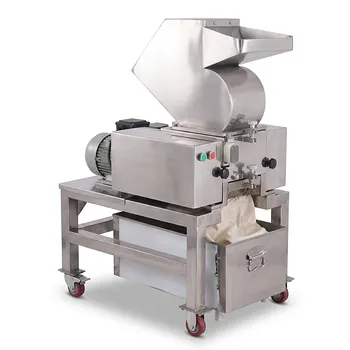
Stainless Steel Coarse Crusher for Pharmaceutical Food and Plastic Material Processing
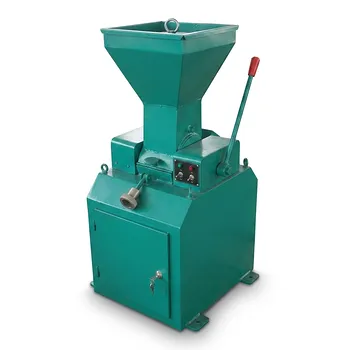
Laboratory Sealed Hammer Crusher for Coal and Mineral Sample Preparation
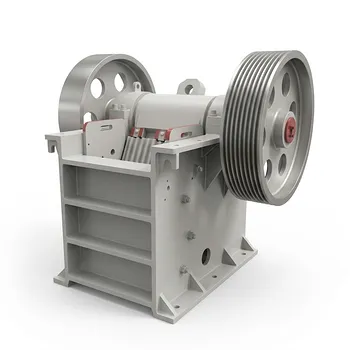
Jaw Crusher with 400x600mm Feed Opening for Primary Rock Crushing in Mining and Construction
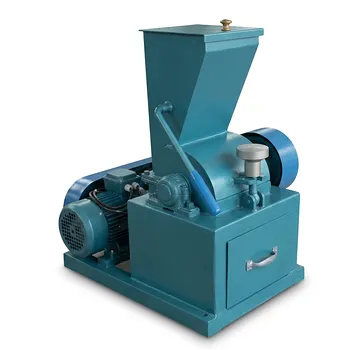
Small Hammer Crusher for Brittle Material Crushing in Mining Metallurgy and Lab Sample Preparation
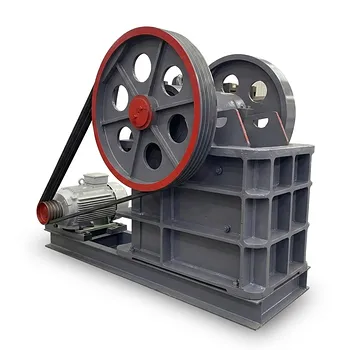
250x400mm Jaw Crusher Medium Crushing Equipment for Mining Mineral Sample Preparation
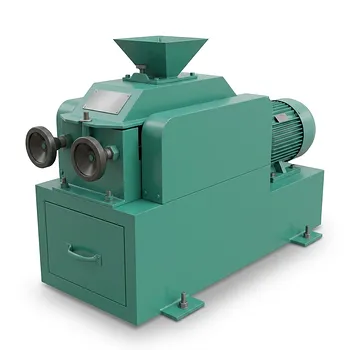
Horizontal Double Roll Crusher for Medium Fine Crushing of Coal Limestone and Ores
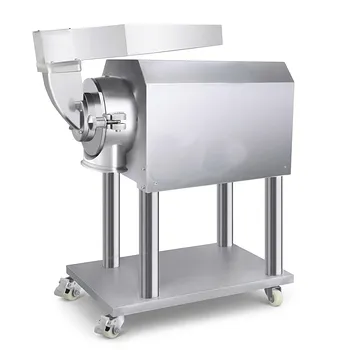
High Speed Small Laboratory Crusher for Dry Material Sample Preparation
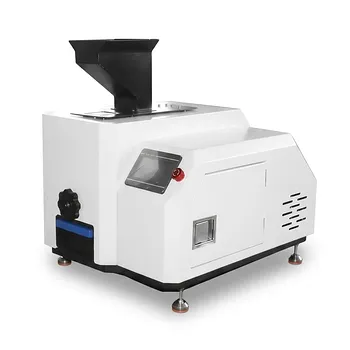
Laboratory Jaw Crusher 2025 Model for Ore and Brittle Material Crushing
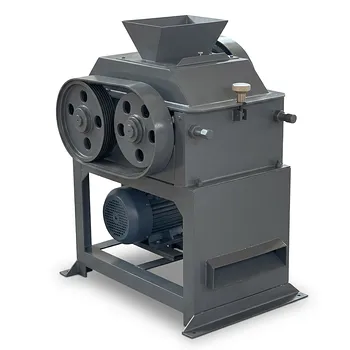
Sealed Laboratory Double Roll Crusher for Coal, Mineral, Ore Sample Preparation
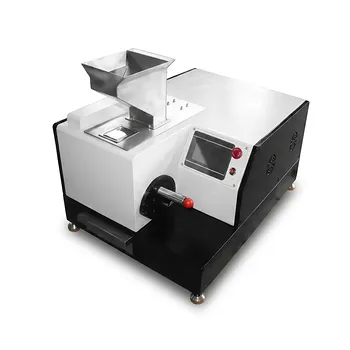
Experimental Jaw Crusher for Laboratory Ore Crushing and Sample Preparation
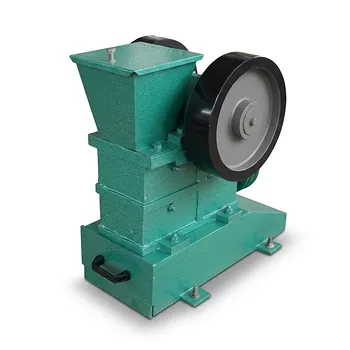
Laboratory Small Jaw Crusher 100x60mm
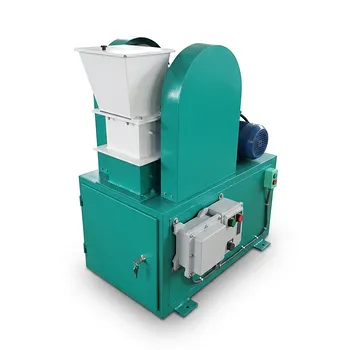
Custom Explosion-Proof Sealed Jaw Crusher for Laboratory and Industrial Sample Preparation