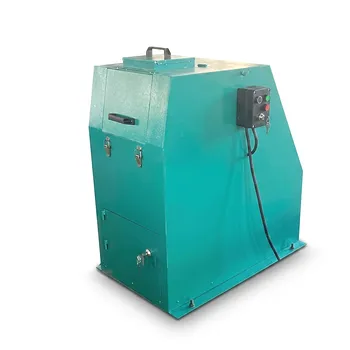
What is the role of jaw or roll crushers in the initial processing of copper ore samples? Essential Prep for Analysis
Updated 5 months ago
The primary role of jaw and roll crushers is the systematic reduction of bulk copper ore into a standardized, manageable feed. These machines utilize mechanical compression or impact to transform large, irregular ore chunks into smaller particles, typically ranging from 3mm to 25mm. This pre-treatment is a mandatory prerequisite for downstream processes like mineral liberation, manual sorting, and high-precision fine grinding.
Core Takeaway: Jaw and roll crushers serve as the essential first stage of sample preparation, ensuring that large-scale raw material is converted into a uniform, representative state that allows for accurate laboratory analysis and efficient secondary processing.
Facilitating Mineral Liberation and Particle Uniformity
Achieving Target Particle Dimensions
The immediate goal of primary crushing is to reduce the "top size" of the raw ore to a specific laboratory or industrial specification. For copper ore, this often means reducing blocks to approximately 1 centimeter (10mm) or smaller, depending on the requirements of the next stage.
Promoting Sample Homogeneity
Large ore blocks are inherently heterogeneous, meaning a single chunk may not represent the entire deposit. By crushing the material into smaller, uniform particles, technicians can effectively mix and split the ore to ensure the final sample is statistically representative of the whole.
Enhancing Mineral Liberation
Crushing is the first step in "unlocking" the copper minerals from the surrounding waste rock (gangue). By applying high compressive stress, the equipment fractures the ore along grain boundaries, facilitating the eventual separation of valuable minerals during fine grinding.
Ensuring Downstream Process Efficiency
Preparing the Feed for Fine Grinding
Secondary grinding equipment, such as ball mills or vibratory disc mills, cannot process large ore chunks. Jaw and roll crushers provide a standardized feed size that prevents equipment damage and ensures the secondary stage operates at peak efficiency.
Supporting Manual and Automated Sorting
In many copper processing workflows, a primary crushing stage to approximately 1cm is required for mineral sorting. This size allows for easier visual or sensor-based identification of high-grade ore versus waste before the energy-intensive grinding stages begin.
Maintaining Continuous Process Flow
Industrial-grade crushers are designed for high throughput and durability. By rapidly reducing the size of "run-of-mine" material, they ensure a continuous sample preparation process that prevents bottlenecks in the laboratory or pilot plant.
Understanding Technical Trade-offs
Compression vs. Fines Generation
Jaw crushers rely on high compressive pressure, which is excellent for hard, abrasive copper ore but can produce "fines" (excessively small dust particles). If the process requires a specific particle size distribution with minimal dust, operators must carefully calibrate the gap setting of the crusher.
Material Contamination Risks
The mechanical action of crushing involves direct contact between the ore and the equipment's steel plates. In high-precision analysis, there is a risk of trace metal contamination from the wear of the jaw or roll surfaces, necessitating the use of specialized alloy plates for sensitive samples.
The Impact of Ore Hardness
The efficiency of a jaw or roll crusher is heavily dependent on the compressive strength of the copper ore. Extremely hard ores may require higher installed power and more frequent maintenance of the crushing surfaces to prevent operational downtime.
Optimizing Your Primary Crushing Strategy
How to Apply This to Your Project
To ensure the highest quality sample preparation, choose your crushing parameters based on your ultimate analytical goal:
- If your primary focus is maximum mineral liberation: Utilize a jaw crusher with a narrow discharge setting to ensure the smallest possible feed size for subsequent fine grinding.
- If your primary focus is preventing sample loss: Opt for a roll crusher or a jaw crusher with a dust extraction system to minimize the creation and escape of fine particulates.
- If your primary focus is high-throughput sorting: Calibrate your equipment to produce a uniform 10mm to 25mm particle size, which is ideal for manual or sensor-based ore identification.
Effective primary crushing is the critical foundation upon which all subsequent copper ore analysis and processing success is built.
Summary Table:
| Feature | Role in Copper Ore Processing | Impact on Laboratory Outcomes |
|---|---|---|
| Size Reduction | Reduces bulk ore to 3mm - 25mm | Protects downstream mills and ensures manageable feed size. |
| Homogenization | Creates uniform particle distribution | Ensures samples are statistically representative of the entire deposit. |
| Mineral Liberation | Fractures ore along grain boundaries | Increases efficiency of secondary grinding and mineral separation. |
| Process Flow | Standardizes top-size dimensions | Prevents equipment damage and eliminates bottlenecks in the lab. |
Elevate Your Sample Preparation with Precision Equipment
Reliable laboratory analysis begins with consistent and representative sample preparation. At [Brand Name], we provide complete laboratory sample preparation solutions tailored for material science and mining research. We specialize in robust powder processing and compaction equipment designed to handle the toughest materials.
Our extensive product lines include:
- Primary Crushing: High-durability Jaw and Roll Crushers for efficient initial reduction.
- Fine Grinding & Milling: Liquid nitrogen cryogenic grinders, planetary ball mills, jet mills, and rotor mills.
- Sieving & Mixing: Vibratory and air-jet sieve shakers, plus advanced powder and defoaming mixers.
- Compaction Solutions: A full spectrum of hydraulic presses, including Cold/Warm Isostatic Presses (CIP/WIP), XRF pellet presses, and vacuum hot presses.
Whether you are optimizing mineral liberation for copper ore or preparing high-purity powders, our equipment ensures the accuracy and durability your research demands.
Ready to optimize your laboratory workflow? Contact our technical experts today to find the perfect solution!
References
- Yesica L. Botero, Luís A. Cisternas. New insights related to the flotation of covellite in porphyry ores. DOI: 10.1016/j.mineng.2021.107242
Mentioned Products
- Heavy Duty Industrial Jaw Crusher for Primary Ore Crushing and High Capacity Mineral Material Size Reduction
- 150×125mm Laboratory Jaw Crusher for Medium and Fine Crushing of Brittle Materials
- 150x250mm Laboratory Jaw Crusher for Medium Hard Material Crushing and Sample Preparation
- Heavy-Duty Jaw Crusher for Medium-Hard Ore and Industrial Mineral Crushing
- 250x400mm Jaw Crusher Medium Crushing Equipment for Mining Mineral Sample Preparation
People Also Ask
- What role does an industrial jaw crusher play in gangue slurry processing? Essential Primary Size Reduction Insights
- What is the function of an industrial jaw crusher in the primary processing of ironstone? Key to Efficient Reduction
- What is the role of industrial crushers and standard test sieves in biomass pyrolysis? Optimize Heat Transfer & Yield
- What is the function of a jaw crusher in reservoir sediment geopolymer synthesis? Primary Size Reduction Explained
- What is the purpose of using industrial crushers and vibratory sieve shakers in the pretreatment of coal gangue? Ensure Uniformity

Tech Team · PowderPreparation
Last updated on May 14, 2026
Related Products
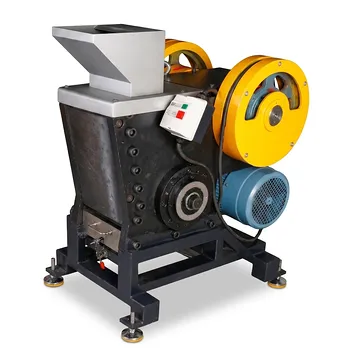
Heavy Duty Industrial Jaw Crusher for Primary Ore Crushing and High Capacity Mineral Material Size Reduction
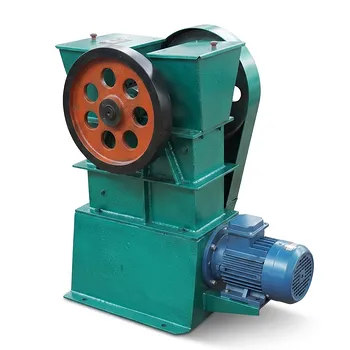
150×125mm Laboratory Jaw Crusher for Medium and Fine Crushing of Brittle Materials
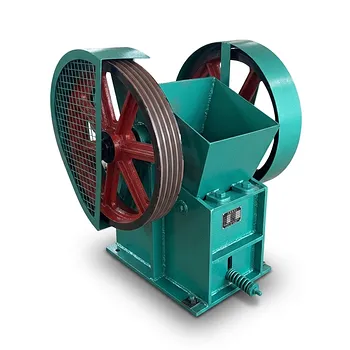
150x250mm Laboratory Jaw Crusher for Medium Hard Material Crushing and Sample Preparation
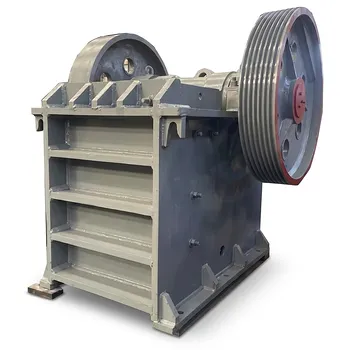
Heavy-Duty Jaw Crusher for Medium-Hard Ore and Industrial Mineral Crushing
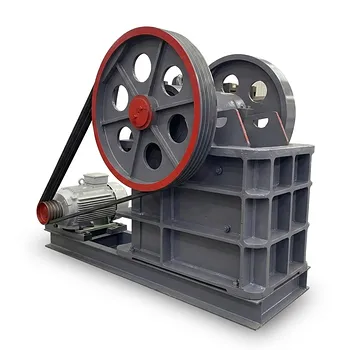
250x400mm Jaw Crusher Medium Crushing Equipment for Mining Mineral Sample Preparation
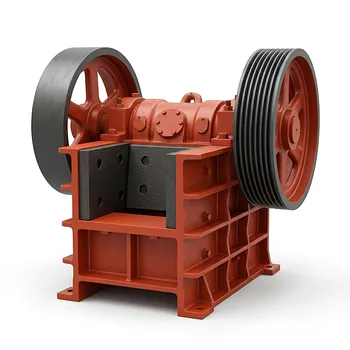
250x400 Jaw Crusher for Primary Crushing of Ores and Bulk Materials
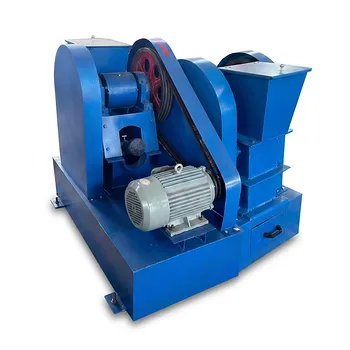
Horizontal Jaw Crusher Medium Hard Material Crushing Laboratory Sample Preparation Equipment
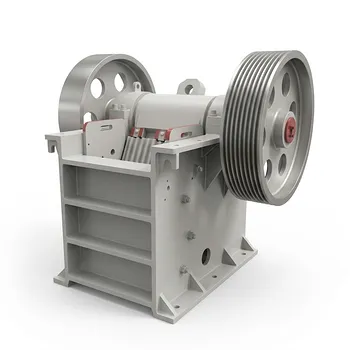
Jaw Crusher with 400x600mm Feed Opening for Primary Rock Crushing in Mining and Construction
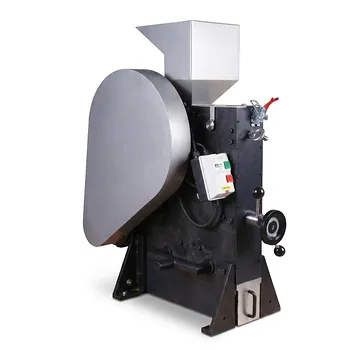
Heavy Duty Industrial Laboratory Jaw Crusher for Primary Sample Preparation and Hard Material Size Reduction
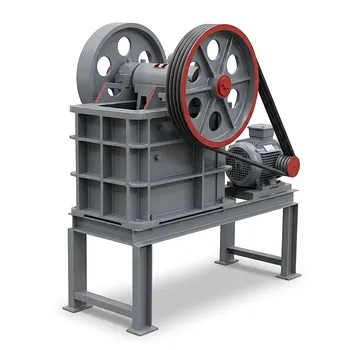
Laboratory Jaw Crusher 200x300mm Opening for Primary Crushing of Ores and Aggregates
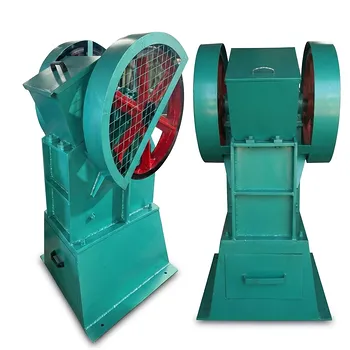
Sealed Jaw Crusher for Laboratory Material Crushing and Sample Preparation
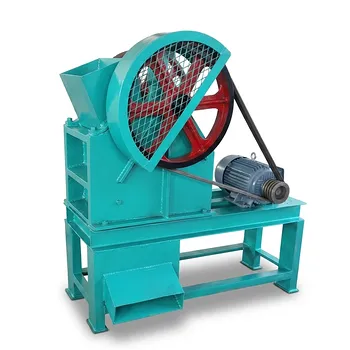
150x250mm Custom Laboratory Jaw Crusher for Coal Ore Mineral Crushing
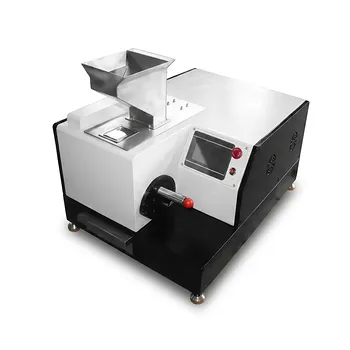
Experimental Jaw Crusher for Laboratory Ore Crushing and Sample Preparation
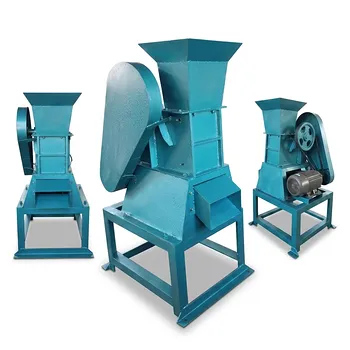
Custom Raised Height Laboratory Jaw Crusher for Precision Sample Preparation in Material Science
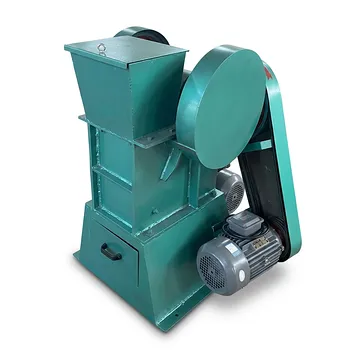
Small Laboratory Jaw Crusher 150x200mm Feed Opening for Sample Preparation and Medium Fine Crushing
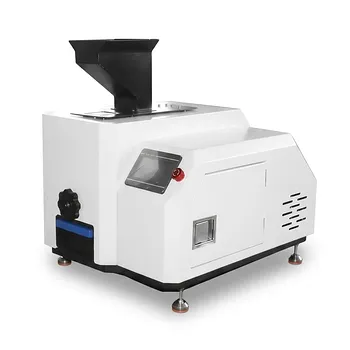
Laboratory Jaw Crusher 2025 Model for Ore and Brittle Material Crushing
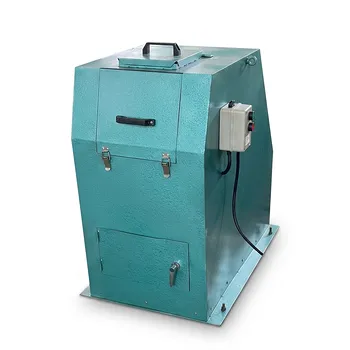
Environmentally Friendly Sealed Laboratory Jaw Crusher for Sample Preparation
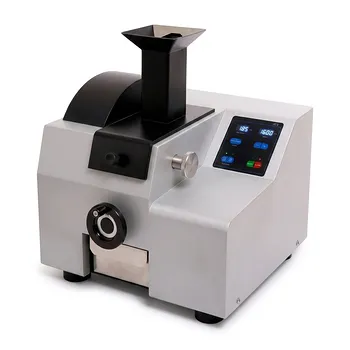
Laboratory Benchtop Jaw Crusher for Hard Brittle Materials Primary Size Reduction and Sample Preparation
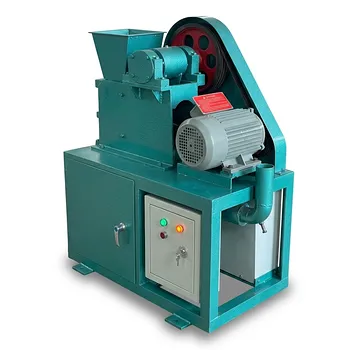
EP-B Type Sealed Jaw Crusher for Laboratory Sample Preparation