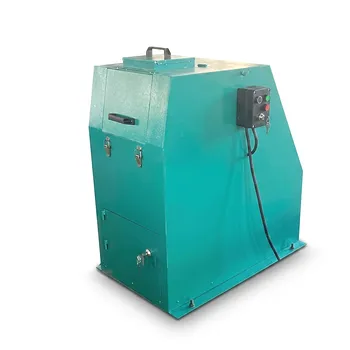
What role does an industrial jaw crusher play in gangue slurry processing? Essential Primary Size Reduction Insights
Updated 4 months ago
The industrial jaw crusher serves as the foundational mechanical unit in the preparation of gangue slurry by reducing coarse, harvested coal mine rocks into manageable, small-diameter particles. This primary crushing stage is essential because it transforms irregular bulk material into a uniform format suitable for precise particle size classification. By achieving this initial reduction, the crusher enables the subsequent screening of aggregates into the specific size ranges required for stable and effective slurry filling.
The primary role of the jaw crusher is to perform the initial mechanical reduction of bulk gangue, providing the necessary physical foundation for downstream classification and fine grinding. This process ensures that raw materials meet the strict feed specifications required for uniform mixing and secondary processing.
The Foundation of Material Preparation
Primary Size Reduction of Raw Gangue
The industrial jaw crusher utilizes powerful mechanical compression to break down large, irregular blocks of gangue rock harvested directly from mines. By applying intense pressure between a stationary and a moving jaw plate, the equipment reduces these coarse materials into a significantly smaller particle size.
Enabling Precise Particle Classification
Once the bulk gangue is reduced, it can be effectively processed by screening and classification equipment. This is a critical step, as slurry filling requires aggregates to be sorted into specific size ranges to ensure the structural integrity and flowability of the final mixture.
Preparing Feed for Secondary Stages
The output from the jaw crusher establishes the physical baseline for all subsequent mineral processing. By reducing the gangue to a manageable range, it ensures that secondary milling or fine grinding equipment can operate at peak efficiency without the risk of blockages or excessive wear from oversized feed.
Enhancing Process Efficiency and Consistency
Improving Mixing Uniformity
Large, irregular lumps of gangue cannot be mixed uniformly into a slurry. The jaw crusher breaks down these structures, ensuring that the resulting particles can be homogenized with other components, which is vital for the chemical and physical stability of the filling material.
Facilitating Mineral Liberation
In some applications, the initial crushing process begins the task of mineral liberation, breaking the bonds between different material types within the gangue. This allows for better separation and utilization of the mineral components during the later stages of beneficiation.
Standardizing Feed for Laboratory Analysis
For operations requiring strict quality control, the jaw crusher ensures that the gangue particles meet the feed specifications required by laboratory-scale equipment. This allows for accurate analysis of the material's properties before it is scaled up for full-scale slurry production.
Understanding the Trade-offs
Mechanical Wear and Maintenance
The intense compressive stress required to crush gangue leads to significant wear and tear on the jaw plates. Operators must balance the crushing force with regular maintenance cycles to prevent equipment failure and ensure consistent particle output.
Management of "Fines" and Dust
While the goal is to reach a specific diameter, primary crushing inevitably produces a percentage of excessively fine material and dust. This requires integrated dust suppression and secondary screening to ensure the fine particles do not negatively impact the viscosity or "slump" of the final slurry.
Energy Consumption vs. Throughput
Jaw crushers are highly efficient for primary reduction but consume significant power when processing high-hardness gangue. Optimizing the "closed-side setting" (the gap between jaws) is necessary to achieve the desired throughput without overloading the electrical system.
How to Apply This to Your Project
Making the Right Choice for Your Goal
- If your primary focus is maximizing throughput: Ensure the jaw crusher's feed opening is at least 20% larger than the largest gangue block to prevent bridging and downtime.
- If your primary focus is precise particle distribution: Implement a closed-circuit system where oversized material is automatically returned to the crusher after the first screening pass.
- If your primary focus is equipment longevity: Invest in high-manganese steel jaw plates and implement a rigorous lubrication schedule to mitigate the abrasive nature of coal gangue.
The industrial jaw crusher is the indispensable first link in the production chain, converting raw mining waste into a high-value engineering material for underground stability.
Summary Table:
Key Roles of Jaw Crushers in Gangue Processing
| Function | Description | Impact on Slurry Quality |
|---|---|---|
| Primary Reduction | Breaks large rocks into small-diameter particles | Establishes the physical baseline for aggregates |
| Feed Standardization | Ensures uniform format for secondary milling | Prevents equipment blockages and excessive wear |
| Classification Support | Enables precise screening into size ranges | Ensures structural integrity and flowability |
| Mixing Uniformity | Eliminates irregular lumps for homogenization | Enhances chemical and physical stability |
Optimize Your Material Preparation with Expert Solutions
Are you looking to enhance the efficiency and consistency of your gangue processing or material research? We provide complete laboratory sample preparation solutions tailored for material science, specializing in high-performance powder processing and compaction equipment.
Our extensive product range is designed to handle every stage of your workflow:
- Primary Crushing: Robust jaw and roll crushers for initial size reduction.
- Fine Grinding & Milling: Planetary ball mills, jet mills, sand/bead mills, and cryogenic grinders.
- Classification & Mixing: Vibratory sieve shakers, air-jet sieves, and advanced powder/defoaming mixers.
- Advanced Compaction: A full spectrum of hydraulic presses, including Cold/Warm Isostatic Presses (CIP/WIP), XRF pellet presses, and vacuum hot presses.
Whether you are a researcher or an industrial distributor, our equipment delivers the precision and reliability required for superior results. Contact us today to discover how our specialized tools can streamline your laboratory operations and improve your material output!
References
- Yingbo Wang, Mengxin Xu. Experimental Optimization Study on Pumping Pipeline Transportation Performance of Pure Gangue Slurry Filling Material. DOI: 10.3390/ma18204788
Mentioned Products
- Heavy Duty Industrial Jaw Crusher for Primary Ore Crushing and High Capacity Mineral Material Size Reduction
- Heavy Duty Industrial Laboratory Jaw Crusher for Primary Sample Preparation and Hard Material Size Reduction
- Heavy-Duty Jaw Crusher for Medium-Hard Ore and Industrial Mineral Crushing
- Custom Explosion-Proof Sealed Jaw Crusher for Laboratory and Industrial Sample Preparation
- 250x400 Jaw Crusher for Primary Crushing of Ores and Bulk Materials
People Also Ask
- What is the function of an industrial jaw crusher in the primary processing of ironstone? Key to Efficient Reduction
- What is the role of industrial crushers and standard test sieves in biomass pyrolysis? Optimize Heat Transfer & Yield
- What is the function of a jaw crusher in reservoir sediment geopolymer synthesis? Primary Size Reduction Explained
- What is the role of jaw or roll crushers in the initial processing of copper ore samples? Essential Prep for Analysis
- What is the purpose of using industrial crushers and vibratory sieve shakers in the pretreatment of coal gangue? Ensure Uniformity

Tech Team · PowderPreparation
Last updated on Jun 03, 2026
Related Products
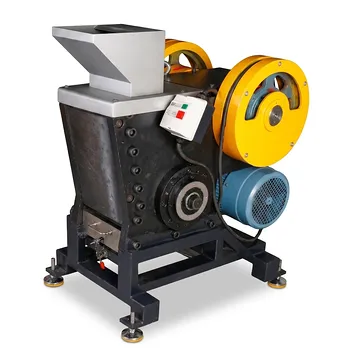
Heavy Duty Industrial Jaw Crusher for Primary Ore Crushing and High Capacity Mineral Material Size Reduction
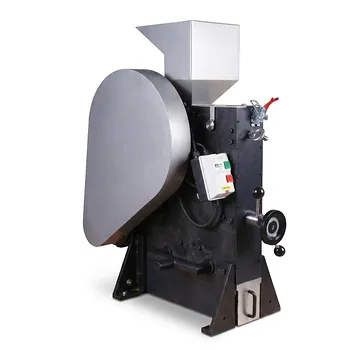
Heavy Duty Industrial Laboratory Jaw Crusher for Primary Sample Preparation and Hard Material Size Reduction
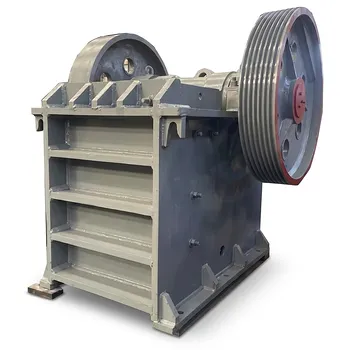
Heavy-Duty Jaw Crusher for Medium-Hard Ore and Industrial Mineral Crushing
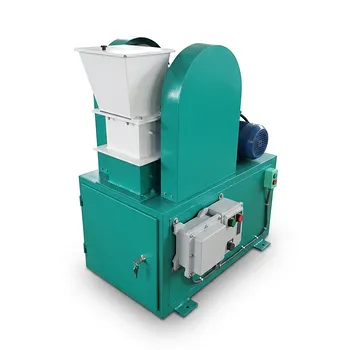
Custom Explosion-Proof Sealed Jaw Crusher for Laboratory and Industrial Sample Preparation
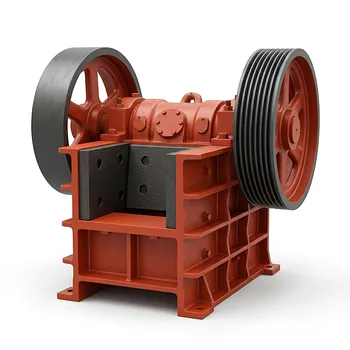
250x400 Jaw Crusher for Primary Crushing of Ores and Bulk Materials
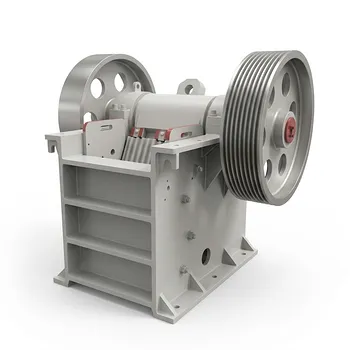
Jaw Crusher with 400x600mm Feed Opening for Primary Rock Crushing in Mining and Construction
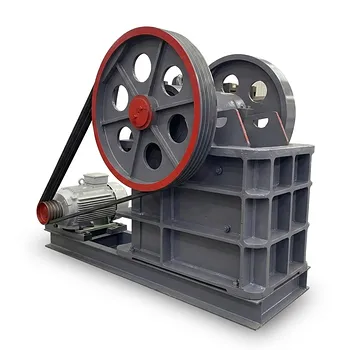
250x400mm Jaw Crusher Medium Crushing Equipment for Mining Mineral Sample Preparation
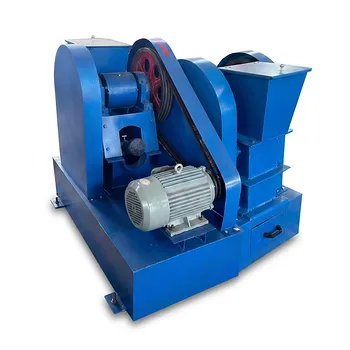
Horizontal Jaw Crusher Medium Hard Material Crushing Laboratory Sample Preparation Equipment
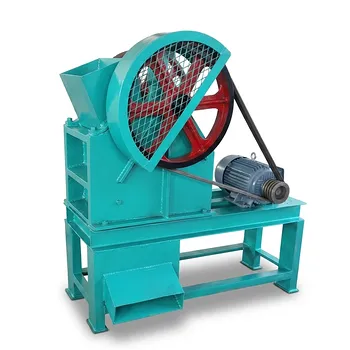
150x250mm Custom Laboratory Jaw Crusher for Coal Ore Mineral Crushing
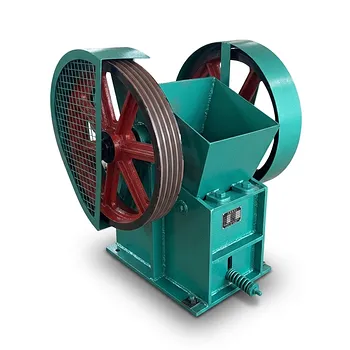
150x250mm Laboratory Jaw Crusher for Medium Hard Material Crushing and Sample Preparation
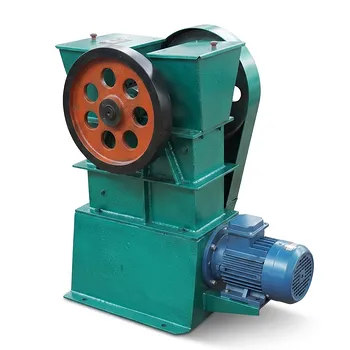
150×125mm Laboratory Jaw Crusher for Medium and Fine Crushing of Brittle Materials
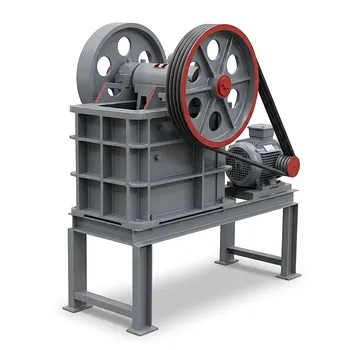
Laboratory Jaw Crusher 200x300mm Opening for Primary Crushing of Ores and Aggregates
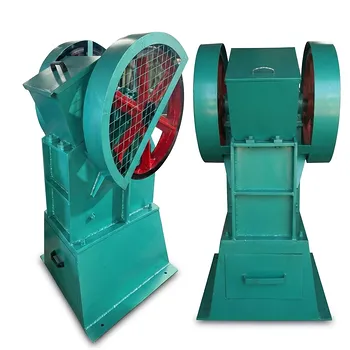
Sealed Jaw Crusher for Laboratory Material Crushing and Sample Preparation
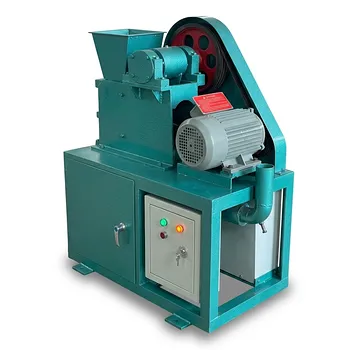
EP-B Type Sealed Jaw Crusher for Laboratory Sample Preparation
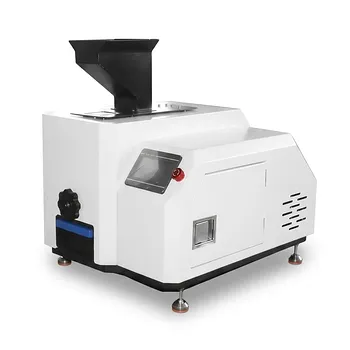
Laboratory Jaw Crusher 2025 Model for Ore and Brittle Material Crushing
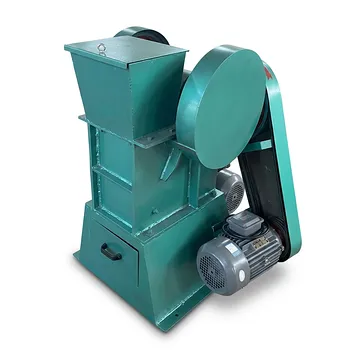
Small Laboratory Jaw Crusher 150x200mm Feed Opening for Sample Preparation and Medium Fine Crushing
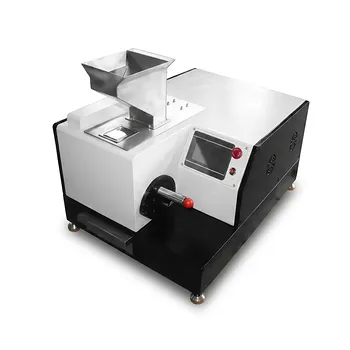
Experimental Jaw Crusher for Laboratory Ore Crushing and Sample Preparation
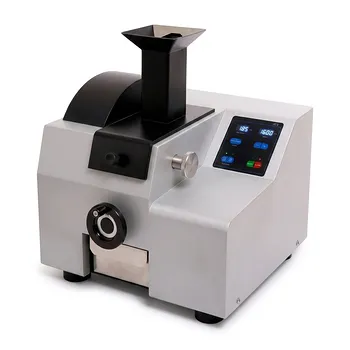
Laboratory Benchtop Jaw Crusher for Hard Brittle Materials Primary Size Reduction and Sample Preparation
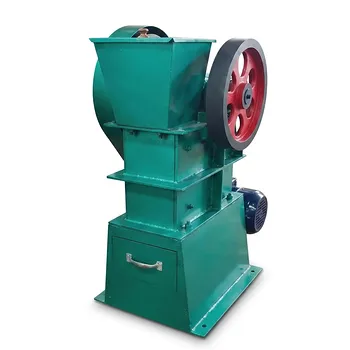
EP Series Small Jaw Crusher for Laboratory Sample Preparation