What is the function of a jaw crusher in reservoir sediment geopolymer synthesis? Primary Size Reduction Explained
Updated 4 months ago
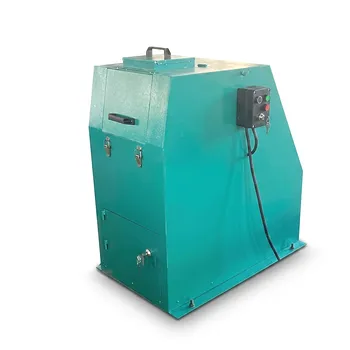
The jaw crusher serves as the primary mechanical reduction stage in the synthesis of geopolymers from reservoir sediments. It utilizes powerful compressive forces to fracture large, hard drill cores and bulk sediment blocks into smaller, manageable particles. This initial step is critical for transforming raw geological waste into a standardized feedstock suitable for the high-energy grinding required to achieve geopolymer reactivity.
Core Takeaway: The jaw crusher acts as the essential "gatekeeper" in material preparation, converting large-scale reservoir sediment blocks into a coarse granular form. This process ensures that subsequent fine-grinding equipment can operate efficiently and produce the high-surface-area powders necessary for chemical synthesis.
The Role of Jaw Crushing in Sediment Processing
Breaking Down Original Drill Cores
Reservoir sediments are often collected as large, consolidated drill cores or hardened blocks that are too bulky for direct chemical processing. The jaw crusher applies high mechanical pressure to these samples, fracturing the internal structure of the sediment.
This process rapidly reduces the material size from several centimeters down to a coarse aggregate, typically under 10mm. This transformation is the first necessary step in recycling raw industrial waste into a usable construction material.
Bridging the Gap to Fine Grinding
Fine grinding mills, such as ball mills or planetary mills, cannot process large chunks of material without risking damage or extreme inefficiency. The jaw crusher provides a "pre-treated" material with a moderate particle size that fits the intake requirements of these machines.
By narrowing the particle size distribution early on, the jaw crusher ensures a smooth, continuous workflow. This preparation is vital for achieving the fine powder consistency required for geopolymerization.
Mechanical Principles and Synthesis Efficiency
Utilizing Compressive Force
The jaw crusher operates using a V-shaped chamber where a moving "jaw" plate applies cyclic compression against a fixed plate. This mechanical action is specifically designed to handle the high hardness of reservoir mud and mineral-rich sediments.
The force is sufficient to overcome the structural integrity of the raw material, ensuring that even the most stubborn sediment lumps are fractured. This mechanical breakdown is more energy-efficient for large-scale reduction than attempting to use fine-grinding equipment alone.
Improving Downstream Uniformity
Uniformity in the initial crushing stage directly impacts the quality of the final geopolymer. When the jaw crusher produces a consistent output size—often between 5mm and 10mm—it allows for more predictable results during the subsequent milling phase.
Consistent feed sizes lead to more uniform mixing during the chemical activation stage of geopolymer synthesis. This uniformity is a key factor in the structural integrity and compressive strength of the resulting geopolymer cement.
Understanding the Trade-offs and Limitations
Limitations of Particle Fineness
A jaw crusher is strictly a primary reduction tool and cannot produce the micron-sized powder needed for geopolymer activation. Relying solely on a jaw crusher would leave the material too coarse to react chemically with alkaline activators.
Its role is limited to the "coarse" end of the spectrum, meaning it must always be paired with secondary and tertiary grinding stages. Attempting to force a jaw crusher to produce ultra-fine results will lead to equipment failure and inconsistent material.
Risk of Mechanical Contamination
Because the jaw plates are often made of high-strength alloys, there is a minor risk of metal trace contamination during high-pressure crushing. For most construction-grade geopolymers, this is negligible, but it must be considered for high-purity laboratory applications.
Regular maintenance and plate inspection are required to ensure that wear and tear do not introduce unwanted variables into the sediment's chemical profile. Proper cleaning between batches is also essential to prevent cross-contamination between different sediment samples.
Optimizing Your Material Preparation Workflow
How to Apply This to Your Project
To ensure the highest quality geopolymer synthesis, the use of the jaw crusher must be strategically integrated into your laboratory or industrial production line.
- If your primary focus is processing efficiency: Ensure the jaw crusher gap is set to the maximum allowable intake size of your ball mill to minimize unnecessary wear on the primary crusher.
- If your primary focus is research precision: Use the jaw crusher to simulate industrial aggregate production, ensuring your laboratory results have direct reference value for large-scale engineering applications.
- If your primary focus is high-strength synthesis: Follow jaw crushing immediately with high-energy milling to maximize the surface area and amorphous content of the reservoir sediment.
By mastering the initial crushing stage, you provide the foundational material consistency required to transform raw reservoir waste into a high-performance, sustainable geopolymer.
Summary Table:
| Feature | Role in Geopolymer Synthesis |
|---|---|
| Primary Function | Mechanical reduction of large drill cores and consolidated sediment blocks |
| Input Material | Hardened bulk reservoir sediments or mineral-rich geological waste |
| Output Particle Size | Coarse granular aggregate (typically <10mm) |
| Efficiency Benefit | Protects fine-grinding mills from damage while reducing energy consumption |
| Downstream Impact | Ensures feed uniformity for better geopolymerization and structural integrity |
Transform Raw Sediments into High-Performance Geopolymers
Efficient geopolymer synthesis starts with precise sample preparation. At [Brand Name], we provide complete laboratory sample preparation solutions for material science, specializing in high-performance powder processing and compaction equipment.
Whether you are processing raw reservoir waste or developing advanced construction materials, our extensive product line supports every stage of your workflow:
- Crushing & Grinding: Heavy-duty jaw/roll crushers for primary reduction, plus planetary ball, jet, and cryogenic grinders for achieving reactive fineness.
- Classification & Mixing: Vibratory sieve shakers and specialized powder/defoaming mixers for uniform chemical activation.
- Advanced Compaction: A full spectrum of hydraulic presses, including Cold/Warm Isostatic Presses (CIP/WIP), XRF pellet presses, and vacuum hot presses.
Ready to enhance your lab's efficiency and research precision? Contact our experts today for a tailored solution!
References
- Bruno Molino, Raffaele Cioffi. Recycling of Clay Sediments for Geopolymer Binder Production. A New Perspective for Reservoir Management in the Framework of Italian Legislation: The Occhito Reservoir Case Study. DOI: 10.3390/ma7085603
Mentioned Products
- Heavy Duty Industrial Jaw Crusher for Primary Ore Crushing and High Capacity Mineral Material Size Reduction
- 150×125mm Laboratory Jaw Crusher for Medium and Fine Crushing of Brittle Materials
- 150x250mm Laboratory Jaw Crusher for Medium Hard Material Crushing and Sample Preparation
- Heavy-Duty Jaw Crusher for Medium-Hard Ore and Industrial Mineral Crushing
- 250x400mm Jaw Crusher Medium Crushing Equipment for Mining Mineral Sample Preparation
People Also Ask
- What role does an industrial jaw crusher play in gangue slurry processing? Essential Primary Size Reduction Insights
- What is the function of an industrial jaw crusher in the primary processing of ironstone? Key to Efficient Reduction
- What is the role of industrial crushers and standard test sieves in biomass pyrolysis? Optimize Heat Transfer & Yield
- What is the role of jaw or roll crushers in the initial processing of copper ore samples? Essential Prep for Analysis
- What is the purpose of using industrial crushers and vibratory sieve shakers in the pretreatment of coal gangue? Ensure Uniformity

Tech Team · PowderPreparation
Last updated on Jun 03, 2026
Related Products
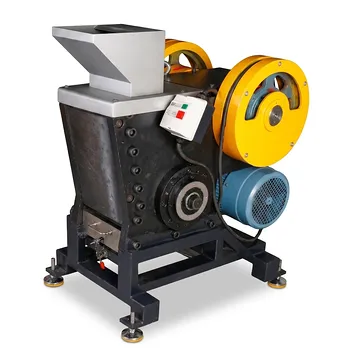
Heavy Duty Industrial Jaw Crusher for Primary Ore Crushing and High Capacity Mineral Material Size Reduction
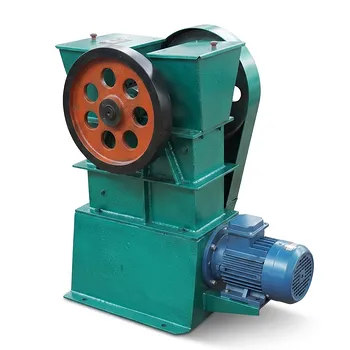
150×125mm Laboratory Jaw Crusher for Medium and Fine Crushing of Brittle Materials
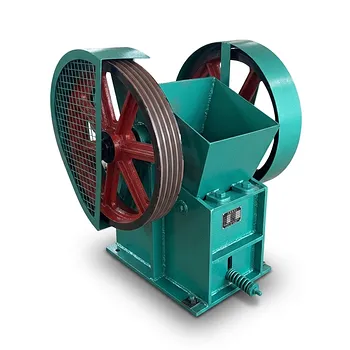
150x250mm Laboratory Jaw Crusher for Medium Hard Material Crushing and Sample Preparation
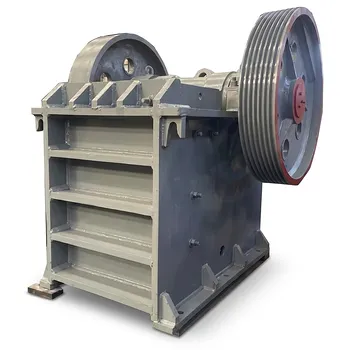
Heavy-Duty Jaw Crusher for Medium-Hard Ore and Industrial Mineral Crushing
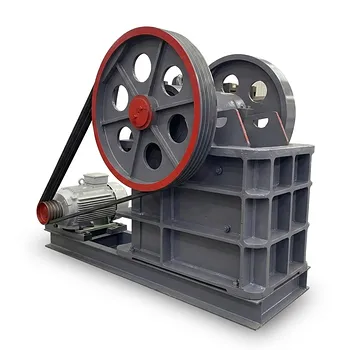
250x400mm Jaw Crusher Medium Crushing Equipment for Mining Mineral Sample Preparation
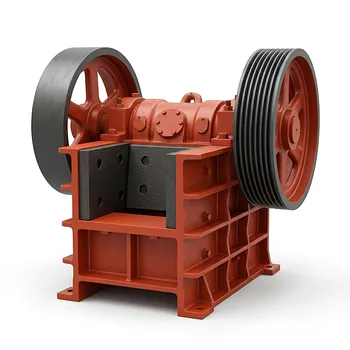
250x400 Jaw Crusher for Primary Crushing of Ores and Bulk Materials
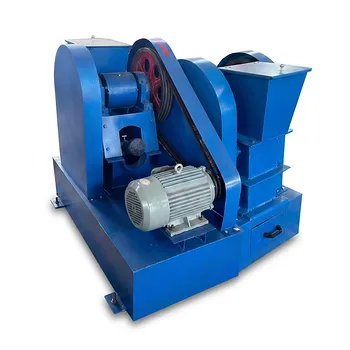
Horizontal Jaw Crusher Medium Hard Material Crushing Laboratory Sample Preparation Equipment
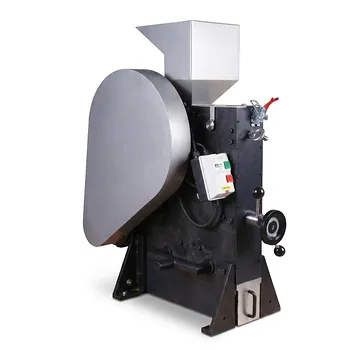
Heavy Duty Industrial Laboratory Jaw Crusher for Primary Sample Preparation and Hard Material Size Reduction
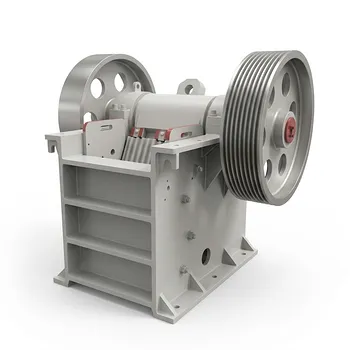
Jaw Crusher with 400x600mm Feed Opening for Primary Rock Crushing in Mining and Construction
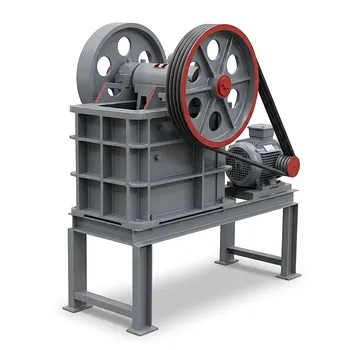
Laboratory Jaw Crusher 200x300mm Opening for Primary Crushing of Ores and Aggregates
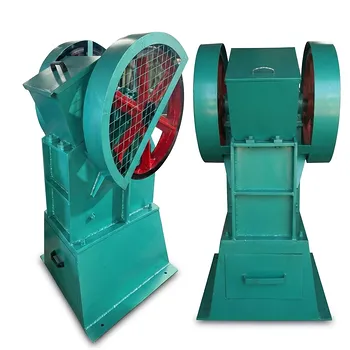
Sealed Jaw Crusher for Laboratory Material Crushing and Sample Preparation
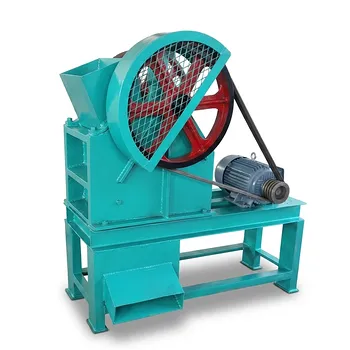
150x250mm Custom Laboratory Jaw Crusher for Coal Ore Mineral Crushing
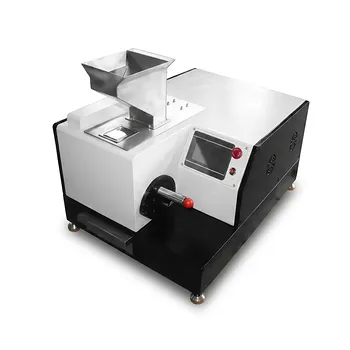
Experimental Jaw Crusher for Laboratory Ore Crushing and Sample Preparation
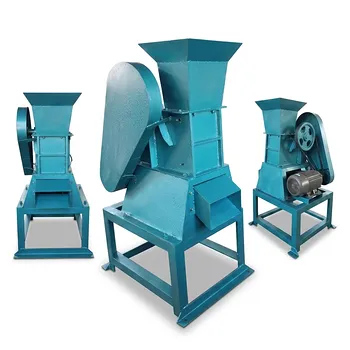
Custom Raised Height Laboratory Jaw Crusher for Precision Sample Preparation in Material Science
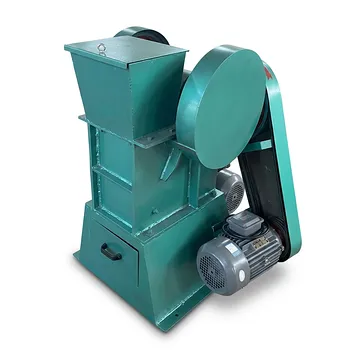
Small Laboratory Jaw Crusher 150x200mm Feed Opening for Sample Preparation and Medium Fine Crushing
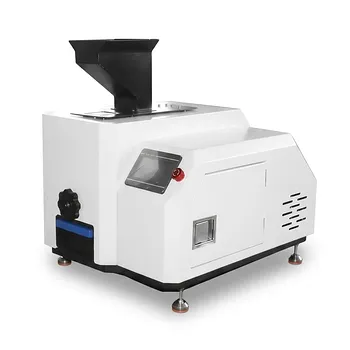
Laboratory Jaw Crusher 2025 Model for Ore and Brittle Material Crushing
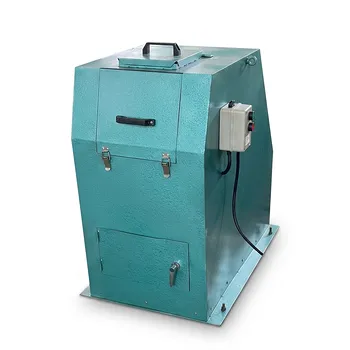
Environmentally Friendly Sealed Laboratory Jaw Crusher for Sample Preparation
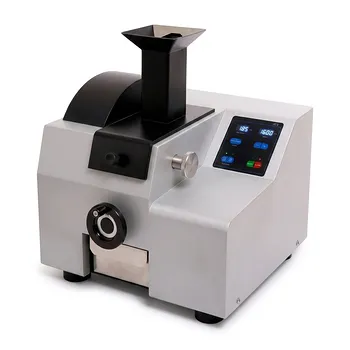
Laboratory Benchtop Jaw Crusher for Hard Brittle Materials Primary Size Reduction and Sample Preparation
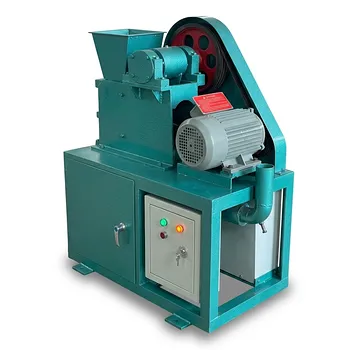
EP-B Type Sealed Jaw Crusher for Laboratory Sample Preparation