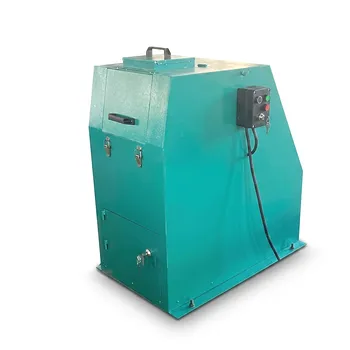
What is the function of an industrial jaw crusher in the primary processing of ironstone? Key to Efficient Reduction
Updated 5 months ago
The industrial jaw crusher is the critical first stage in ironstone processing, designed to apply powerful compressive stress to fracture large raw ore into a manageable secondary size. By reducing run-of-mine blocks—often 6 inches or larger—into a uniform feed of approximately 10mm, it provides the essential physical foundation for mineral liberation and all subsequent refining stages.
The primary function of a jaw crusher is to transform bulk, irregularly shaped ironstone into a qualified, uniform feed through mechanical compression. This process is the vital first step in exposing valuable minerals and ensuring the efficiency of downstream fine grinding and chemical analysis.
Mechanical Reduction and Feed Preparation
Applying High Compressive Stress
The jaw crusher operates by utilizing a moving plate to exert massive mechanical pressure against a fixed plate. This compressive stress overcomes the internal structural integrity of the ironstone, fracturing large, dense blocks into smaller, more uniform fragments.
Establishing Size Uniformity
Consistency is the primary goal of this initial processing stage. By reducing the ore to a specific secondary size, such as 10mm for industrial applications or 2mm for laboratory analysis, the jaw crusher ensures that subsequent equipment operates within its intended design parameters.
Creating a Qualified Feed
Without the jaw crusher, downstream machines like ball mills or fine grinders would be unable to process the raw, oversized ore. This stage creates a "qualified feed," which is a prerequisite for achieving stable and repeatable mineral processing workflows.
The Foundation of Mineral Liberation
Initiating Physical Separation
Ironstone consists of valuable iron minerals locked within a matrix of waste rock. The primary crushing stage begins the process of mineral liberation, physically breaking the bonds between different components to make later separation more effective.
Enabling Downstream Extraction
By reducing the particle size early, the jaw crusher increases the surface area available for further processing. This allows fine grinding stages to more easily reach the liberation point, where the valuable iron can be fully isolated from impurities.
Ensuring Analytical Stability
In pilot plants and laboratories, the jaw crusher is used to ensure composition homogenization. Reducing ore lumps to a uniform scale is necessary for accurate chemical radiation tests and for maintaining the stability of mineral processing experiments.
Understanding the Trade-offs
Limits of Single-Stage Reduction
While powerful, a jaw crusher is not a "one-size-fits-all" solution for size reduction. It is highly efficient at breaking large rocks but cannot achieve the extreme fineness required for final mineral separation; attempting to do so in a single stage leads to excessive equipment wear and energy waste.
Energy and Material Hardness
The efficiency of a jaw crusher is heavily dependent on the compressive strength of the ironstone. Harder ores require significantly higher installed power, and miscalculating the ore's hardness can lead to operational bottlenecks or frequent mechanical failures.
Maintenance and Abrasiveness
Ironstone is often highly abrasive, which can lead to rapid deterioration of the crusher’s jaw plates. Operators must balance the throughput speed with the cost of replacement parts, as pushing the machine beyond its rated capacity will exponentially increase maintenance downtime.
How to Apply This to Your Project
Recommendations Based on Operational Goals
- If your primary focus is industrial throughput: Select a heavy-duty crusher with a processing capacity and power rating calculated specifically against the compressive strength of your run-of-mine ore.
- If your primary focus is laboratory or pilot testing: Prioritize a jaw crusher capable of a tighter discharge setting (down to 2mm) to ensure a uniform feed for precise chemical and mineralogical analysis.
- If your primary focus is energy efficiency: Utilize mathematical models to determine the optimal feed particle size, ensuring the crusher operates at peak efficiency without "over-crushing" the material.
Properly integrating a jaw crusher into your primary circuit is the most effective way to ensure the long-term physical and economic viability of your ironstone processing operation.
Summary Table:
| Function | Primary Objective | Typical Output Size |
|---|---|---|
| Mechanical Reduction | Apply high compressive stress to fracture large raw ore blocks. | ~10mm (Industrial) |
| Feed Preparation | Create a uniform, qualified feed for downstream grinding/milling. | ~2mm (Laboratory) |
| Mineral Liberation | Break physical bonds between valuable minerals and waste rock. | Increased Surface Area |
| Analytical Stability | Ensure composition homogenization for accurate chemical testing. | Uniform Sample Size |
Optimize Your Ironstone Processing with Expert Solutions
Maximize your laboratory efficiency and mineral liberation accuracy with high-performance equipment. At [Insert Brand Name], we provide complete laboratory sample preparation solutions for material science, specializing in professional powder processing and compaction equipment.
Our extensive product range includes:
- Crushing & Grinding: Jaw/roll crushers, liquid nitrogen cryogenic grinders, and advanced mills (planetary ball, jet, sand/bead, disc, rotor).
- Sizing & Mixing: Sieve shakers (vibratory/air-jet) and high-precision powder or defoaming mixers.
- Compaction & Pressing: A full spectrum of hydraulic presses, including Cold/Warm Isostatic Presses (CIP/WIP), standard lab presses, XRF pellet presses, and vacuum hot presses.
Whether you are setting up a pilot plant or refining laboratory analysis, our specialized tools ensure stable and repeatable mineral processing workflows. Contact us today to find the perfect solution for your project!
References
- Adedayo Adeuti, E. O. Ajaka. Concentration of Bauxite and Iron Minerals from Onigboro Ironstone, Ogun State, Nigeria. DOI: 10.11648/j.ijmpem.20251003.11
Mentioned Products
- Heavy Duty Industrial Jaw Crusher for Primary Ore Crushing and High Capacity Mineral Material Size Reduction
- Heavy Duty Industrial Laboratory Jaw Crusher for Primary Sample Preparation and Hard Material Size Reduction
- Heavy-Duty Jaw Crusher for Medium-Hard Ore and Industrial Mineral Crushing
- Custom Explosion-Proof Sealed Jaw Crusher for Laboratory and Industrial Sample Preparation
- 250x400 Jaw Crusher for Primary Crushing of Ores and Bulk Materials
People Also Ask
- What role does an industrial jaw crusher play in gangue slurry processing? Essential Primary Size Reduction Insights
- What is the role of industrial crushers and standard test sieves in biomass pyrolysis? Optimize Heat Transfer & Yield
- What is the function of a jaw crusher in reservoir sediment geopolymer synthesis? Primary Size Reduction Explained
- What is the role of jaw or roll crushers in the initial processing of copper ore samples? Essential Prep for Analysis
- What is the purpose of using industrial crushers and vibratory sieve shakers in the pretreatment of coal gangue? Ensure Uniformity

Tech Team · PowderPreparation
Last updated on May 14, 2026
Related Products
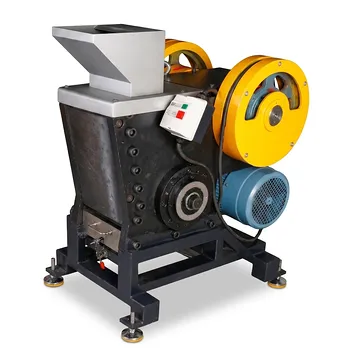
Heavy Duty Industrial Jaw Crusher for Primary Ore Crushing and High Capacity Mineral Material Size Reduction
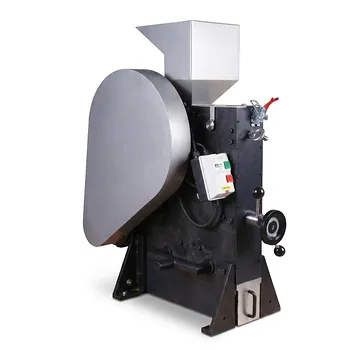
Heavy Duty Industrial Laboratory Jaw Crusher for Primary Sample Preparation and Hard Material Size Reduction
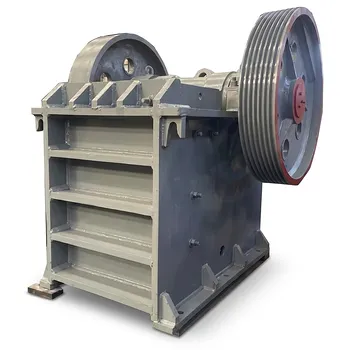
Heavy-Duty Jaw Crusher for Medium-Hard Ore and Industrial Mineral Crushing
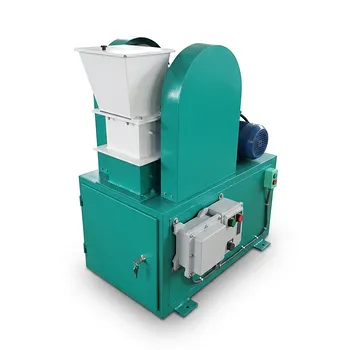
Custom Explosion-Proof Sealed Jaw Crusher for Laboratory and Industrial Sample Preparation
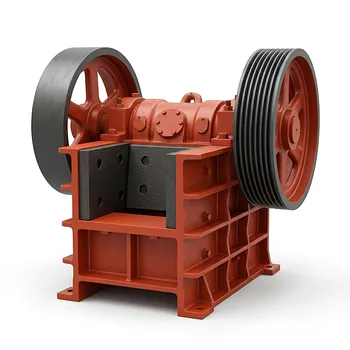
250x400 Jaw Crusher for Primary Crushing of Ores and Bulk Materials
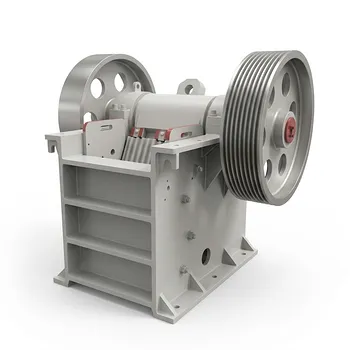
Jaw Crusher with 400x600mm Feed Opening for Primary Rock Crushing in Mining and Construction
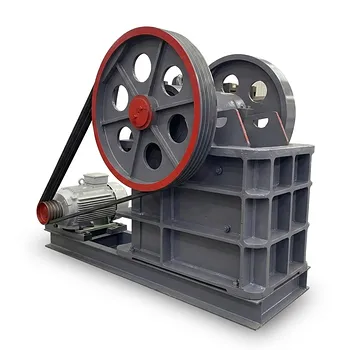
250x400mm Jaw Crusher Medium Crushing Equipment for Mining Mineral Sample Preparation
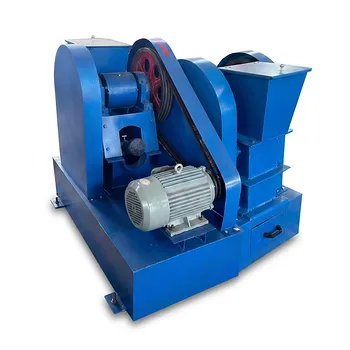
Horizontal Jaw Crusher Medium Hard Material Crushing Laboratory Sample Preparation Equipment
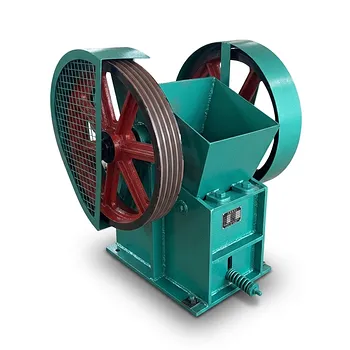
150x250mm Laboratory Jaw Crusher for Medium Hard Material Crushing and Sample Preparation
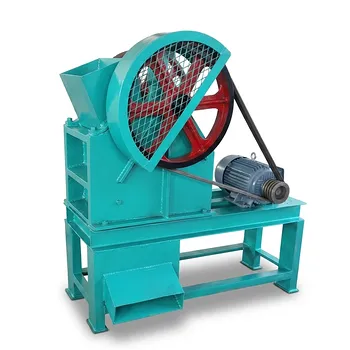
150x250mm Custom Laboratory Jaw Crusher for Coal Ore Mineral Crushing
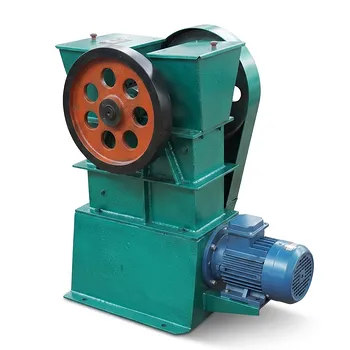
150×125mm Laboratory Jaw Crusher for Medium and Fine Crushing of Brittle Materials
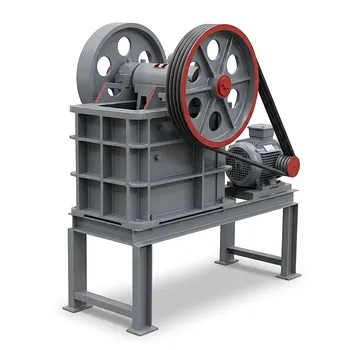
Laboratory Jaw Crusher 200x300mm Opening for Primary Crushing of Ores and Aggregates
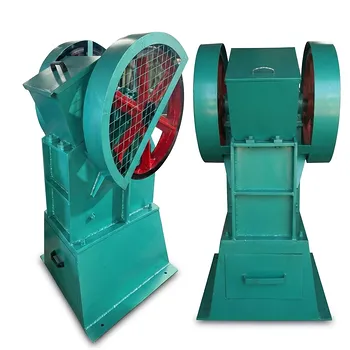
Sealed Jaw Crusher for Laboratory Material Crushing and Sample Preparation
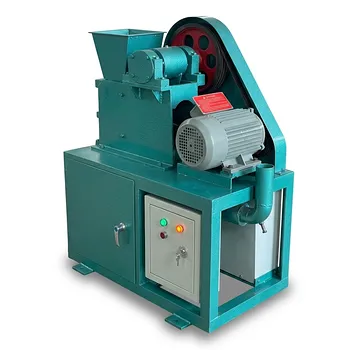
EP-B Type Sealed Jaw Crusher for Laboratory Sample Preparation
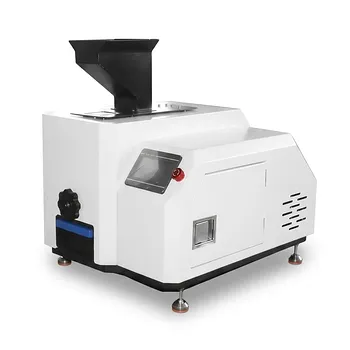
Laboratory Jaw Crusher 2025 Model for Ore and Brittle Material Crushing
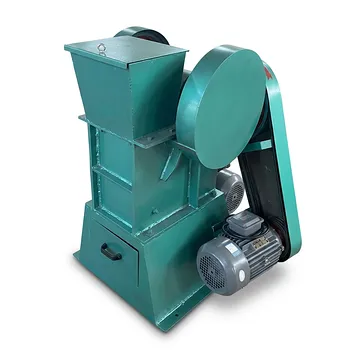
Small Laboratory Jaw Crusher 150x200mm Feed Opening for Sample Preparation and Medium Fine Crushing
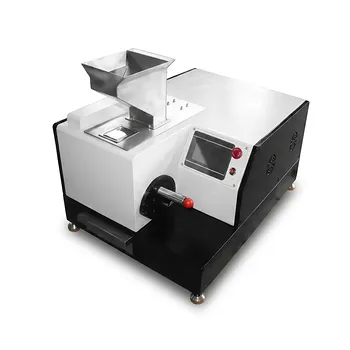
Experimental Jaw Crusher for Laboratory Ore Crushing and Sample Preparation
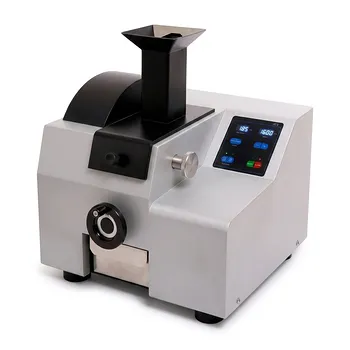
Laboratory Benchtop Jaw Crusher for Hard Brittle Materials Primary Size Reduction and Sample Preparation
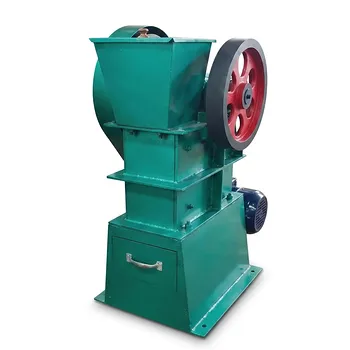
EP Series Small Jaw Crusher for Laboratory Sample Preparation