Why is liquid nitrogen cryomilling utilized in the processing of metal alloys? Achieve Nanocrystalline Precision
Updated 4 months ago
Liquid nitrogen cryomilling is the definitive solution for engineering nanocrystalline metal powders. This specialized process utilizes an ultra-low temperature environment to suppress thermal softening and prevent the recovery or recrystallization that typically occurs during high-energy grinding. By maintaining these cryogenic conditions, manufacturers can produce metal alloys with significantly higher hardness and finer grain sizes than possible through room-temperature methods.
Core Takeaway: Cryomilling leverages liquid nitrogen to induce material brittleness and inhibit atomic diffusion, allowing for the creation of stable nanocrystalline structures and high-entropy alloys while preventing oxidation and thermal degradation.
Overcoming Thermal Softening and Recrystallization
Suppressing Dynamic Recovery
During intense mechanical milling, the energy converted into heat usually triggers dynamic recovery, where dislocations in the metal's atomic structure are eliminated. Liquid nitrogen maintains temperatures near -196°C, which effectively "freezes" these dislocations in place. This suppression is critical for maintaining the high energy required to break down grain structures to the nanometer scale.
Maintaining Nanocrystalline Structures
Standard milling often causes grain growth due to the temperature increases inherent in high-energy friction. Cryomilling prevents this recrystallization, ensuring the final alloy powder maintains an extremely fine nanocrystalline structure. These smaller grain sizes directly contribute to the superior mechanical strength and thermal stability of the resulting material.
Accelerating Grain Refinement
At cryogenic temperatures, dislocation movement is severely hindered and difficult to eliminate. This leads to a rapid accumulation of dislocations, which accelerates the efficiency of grain refinement. Consequently, finer structures can be achieved in a significantly shorter time compared to conventional ball milling.
Enhancing Mechanical Pulverization
Exploiting Cryogenic Brittleness
Many metal alloys become increasingly brittle at ultra-low temperatures, making them more susceptible to plastic deformation and fracturing. This increased brittleness makes the material easier to crush and pulverize into fine particles. This is particularly effective for materials that are otherwise ductile or "gummy" at room temperature.
Improving Pulverization Efficiency
The use of liquid nitrogen significantly improves pulverization efficiency for specialized materials like amorphous alloy powders. By keeping the material below its embrittlement point, the process achieves finer particle sizes while using less mechanical energy. This efficiency is vital for maintaining the material’s original magnetic and structural characteristics.
Protecting Chemical and Structural Integrity
Eliminating Oxidation Risks
Liquid nitrogen vaporizes into inert nitrogen gas, creating an oxygen-deficient atmosphere within the grinding jar. This environment prevents the oxidation of sensitive metal powders, which is a common failure point in high-energy room-temperature milling. Protecting the powder from oxygen ensures the chemical and phase composition remains consistent for high-quality characterization.
Stabilizing High-Entropy and Amorphous Phases
For complex materials like high-entropy alloys (HEAs), cryomilling prevents the agglomeration and segregation of low-melting-point elements. This results in a highly uniform elemental distribution and high electrochemical activity. Furthermore, the rapid cooling prevents the premature crystallization of amorphous structures, preserving their unique properties.
Understanding the Trade-offs
Equipment and Operational Costs
The primary drawback of cryomilling is the high operational cost associated with the continuous consumption of liquid nitrogen. Specialized cryogenic grinders and insulated storage systems are required, which involve a higher initial capital investment than standard milling equipment.
Safety and Handling Requirements
Working with liquid nitrogen introduces specific safety risks, including cryogenic burns and the risk of asphyxiation if the nitrogen gas displaces oxygen in a confined space. Facilities must be equipped with proper ventilation and oxygen sensors to ensure operator safety.
Material Compatibility
While cryomilling is excellent for most metals, certain materials may undergo unwanted phase transformations at extremely low temperatures. It is essential to understand the specific cryogenic behavior of the target alloy to ensure the process does not inadvertently alter the desired material properties.
How to Apply This to Your Project
When deciding whether to implement liquid nitrogen cryomilling, consider your primary material goals and the specific requirements of your alloy.
- If your primary focus is Grain Refinement: Utilize cryomilling to achieve nanocrystalline structures (sub-20 nm) that are impossible to reach at room temperature.
- If your primary focus is Chemical Purity: Leverage the inert nitrogen atmosphere to prevent oxidation in reactive powders like aluminum or magnesium alloys.
- If your primary focus is Amorphous Stability: Use cryogenic temperatures to prevent mechanical energy from triggering unwanted crystallization in glass-forming alloys.
- If your primary focus is High-Entropy Alloys: Employ cryomilling to ensure a uniform distribution of elements and prevent the segregation of low-melting-point components.
Cryomilling stands as the most effective method for synthesizing advanced metallic powders where structural precision and chemical purity are non-negotiable.
Summary Table:
| Feature | Mechanism | Key Benefit for Alloys |
|---|---|---|
| Ultra-Low Temp (-196°C) | Suppresses dynamic recovery | Maintains stable nanocrystalline structures |
| Cryogenic Brittleness | Increases material fragility | High efficiency pulverization of ductile metals |
| Inert Atmosphere | Displaces oxygen with N2 gas | Prevents oxidation and chemical degradation |
| Thermal Stability | Inhibits atomic diffusion | Ensures uniform distribution in High-Entropy Alloys (HEAs) |
| Grain Refinement | Accelerates dislocation accumulation | Achieves finer particle sizes in shorter milling times |
Elevate Your Material Research with Precision Sample Preparation
Achieving sub-20 nm nanocrystalline structures and maintaining the chemical purity of reactive metal alloys requires specialized, high-performance equipment. At our core, we provide complete laboratory sample preparation solutions tailored for material science and powder metallurgy.
Whether you are synthesizing high-entropy alloys or processing sensitive amorphous powders, our extensive range of equipment ensures superior results:
- Advanced Milling: Specialized liquid nitrogen cryogenic grinders, high-energy planetary ball mills, and jet mills.
- Powder Processing: Sieve shakers, powder mixers, and defoaming mixers for perfect consistency.
- Precision Compaction: A full spectrum of hydraulic presses, including Cold/Warm Isostatic Presses (CIP/WIP), vacuum hot presses, and XRF pellet presses.
Ready to optimize your alloy processing workflow? Our experts are here to help you select the ideal configuration for your specific material goals.
Contact Our Engineering Team Today
References
- Josny Joy, Sesha S. Srinivasan. Recent Developments on the Synthesis of Nanocomposite Materials via Ball Milling Approach for Energy Storage Applications. DOI: 10.3390/app12189312
Mentioned Products
- Liquid Nitrogen Cryogenic Grinder for Plastic and Heat-Sensitive Materials
- Small Liquid Nitrogen Cryogenic Grinder with Vibratory Feeder for Laboratory Sample Preparation
- Small Liquid Nitrogen Cryogenic Grinder for Ultrafine Grinding of Heat-Sensitive Materials in Laboratories
- Cryogenic Liquid Nitrogen Grinder for Ultrafine Heat-Sensitive Powder Processing
- Cryogenic Liquid Nitrogen Grinder for DNA Analysis and Polymer Pulverization with Automatic Cooling and Electromagnetic Impact Technology
People Also Ask
- Why is a liquid nitrogen cryogenic grinder required before DSC? Ensure Accurate Thermal Analysis & Sample Integrity.
- Why is a liquid nitrogen cryogenic grinder necessary for plastic pre-processing? Achieve Precise Co-Pyrolysis Results
- What role does liquid nitrogen cryogenic grinding play in the modification of CNTs? Optimize Nanomaterial Processing
- Why is a laboratory-grade liquid nitrogen cryogenic grinder essential for processing drug-loaded polymer nanofiber mats?
- What is the role of a liquid nitrogen cryogenic grinder in drug-polymer mixing? Achieve Superior Sample Homogeneity

Tech Team · PowderPreparation
Last updated on Jun 03, 2026
Related Products
Liquid Nitrogen Cryogenic Grinder for Plastic and Heat-Sensitive Materials
Small Liquid Nitrogen Cryogenic Grinder with Vibratory Feeder for Laboratory Sample Preparation
Small Liquid Nitrogen Cryogenic Grinder for Ultrafine Grinding of Heat-Sensitive Materials in Laboratories
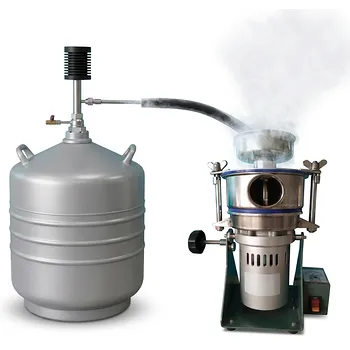
Cryogenic Liquid Nitrogen Grinder for Ultrafine Heat-Sensitive Powder Processing
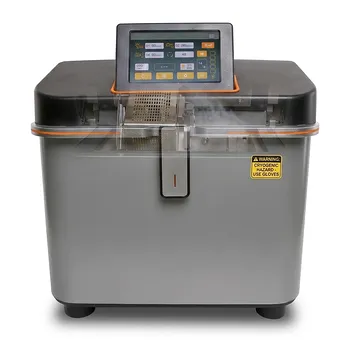
Cryogenic Liquid Nitrogen Grinder for DNA Analysis and Polymer Pulverization with Automatic Cooling and Electromagnetic Impact Technology
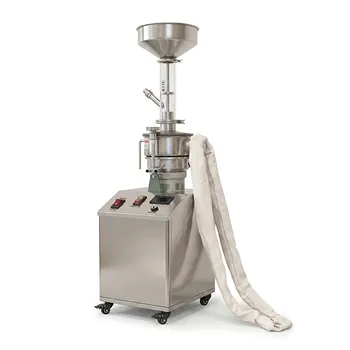
Small Liquid Nitrogen Cryogenic Grinder for Plastic and Heat-Sensitive Material Sample Preparation
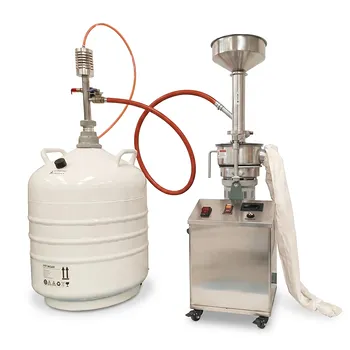
Laboratory Liquid Nitrogen Cryogenic Grinder Polymer Sample Preparation Pulverizer
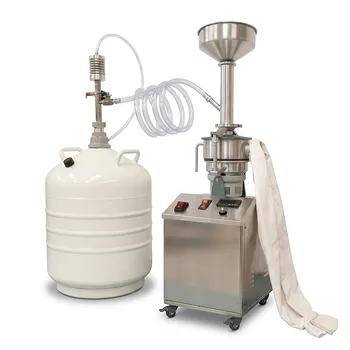
Laboratory Cryogenic Grinder Liquid Nitrogen Low Temperature Ultrafine Grinding
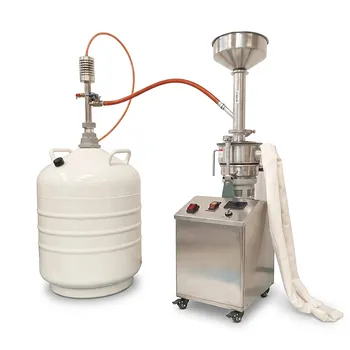
Laboratory Liquid Nitrogen Cryogenic Grinder for Polymer and Elastomer Materials
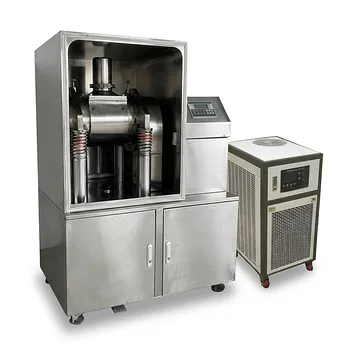
Water Cooled Cryogenic Ultra Fine Cell Wall Breaking Mill
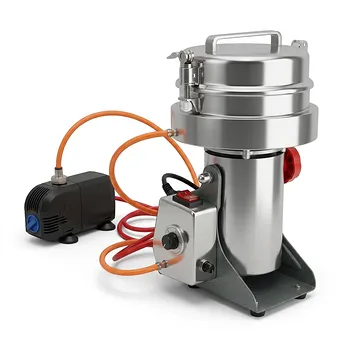
Water Cooled High Speed Grinder with Cryogenic Option for Laboratory Sample Preparation
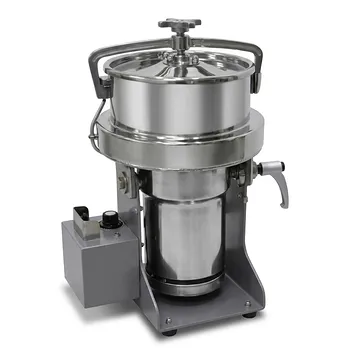
500g Capacity Water Cooled Low Temperature Grinder with Variable Speed and Safety Cover
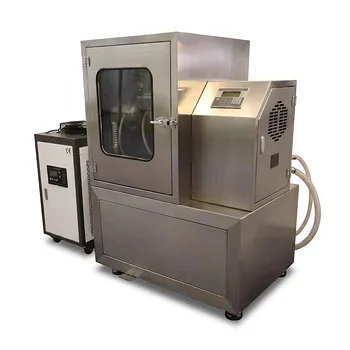
Ultra-Low Temperature Vibratory Mill for Ultrafine Grinding
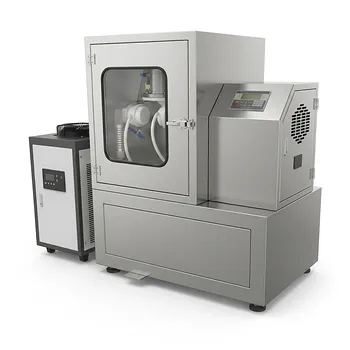
Vibratory Ultra-Low Temperature Ultrafine Grinder for Cryogenic Powder Processing
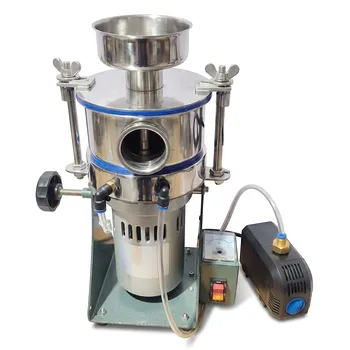
Water Cooled Airflow Ultra Fine Grinder for Low Temperature Material Processing
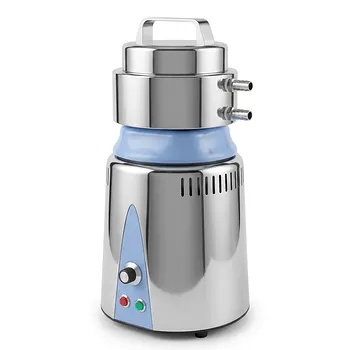
Low Temperature Laboratory Knife Mill Cryogenic Sample Grinder Material Science Powder Processing
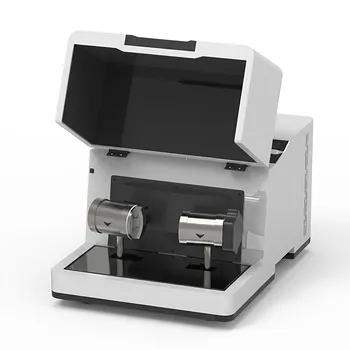
Ultra-Low Temperature Cryogenic High-Energy Vibratory Ball Mill
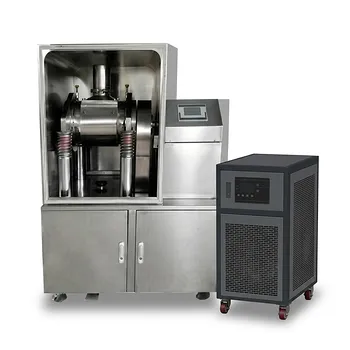
Ultra-low Temperature Vibratory Mill Ultrafine Grinder
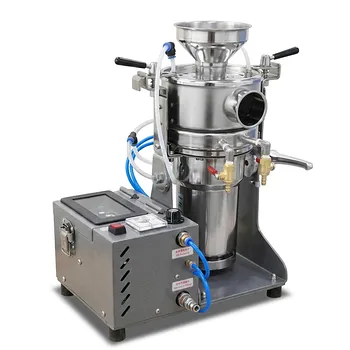
Water Cooled Pulse Jet Ultrafine Grinder