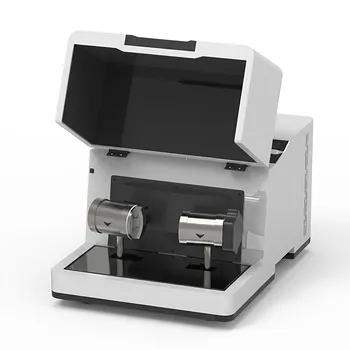
Why is a laboratory-grade liquid nitrogen cryogenic grinder essential for processing drug-loaded polymer nanofiber mats?
Updated 5 months ago
For processing drug-loaded polymer nanofiber mats, a laboratory-grade liquid nitrogen cryogenic grinder is essential because it induces "low-temperature brittleness" in otherwise tough polymers. This specialized environment allows for the pulverization of materials into micron-sized particles while simultaneously neutralizing mechanical friction heat. This dual action ensures that heat-sensitive pharmaceutical compounds remain stable and biologically active throughout the milling process.
Core Takeaway: Cryogenic grinding is the only reliable method to convert elastic, heat-sensitive nanofiber mats into uniform powders without causing thermal degradation of the drug or melting the polymer matrix. It preserves the chemical integrity and biological activity required for accurate pharmaceutical analysis and long-term storage.
Achieving Effective Particle Size Reduction
Overcoming Polymer Toughness and Elasticity
Many polymers used in nanofiber mats are semi-crystalline or high-toughness materials that tend to soften or melt under the heat of standard mechanical grinding. By using liquid nitrogen at -193°C, the grinder rapidly cools the material past its glass transition temperature, making it brittle and easy to crush.
Pulverization into Micron-Sized Particles
Once the material reaches an embrittled state, high-frequency impact energy can efficiently reduce the nanofibers into fine micron-scale powders. This reduction is necessary to increase the specific surface area, which is critical for downstream applications such as uniform blending or dissolution testing.
Enhancing Analytical Accuracy
Refining these materials into fine powders significantly reduces diffusion distances within the polymer matrix. This enhances dissolution kinetics, making it faster and easier to perform thermal analyses, such as determining dissolution temperatures via Differential Scanning Calorimetry (DSC).
Preserving Chemical and Biological Integrity
Neutralizing Mechanical Friction Heat
Mechanical grinding naturally generates significant heat through friction, which can cause polymers to melt or undergo secondary agglomeration. The ultra-low temperature environment effectively offsets this friction heat, ensuring the resulting fragments accurately reflect the original matrix structure.
Protecting Heat-Sensitive Bio-actives
Many drug-loaded mats contain proteins or other delicate biological components that are prone to denaturation when exposed to heat. Cryogenic grinding ensures these components retain their high biological activity, preventing the degradation that would occur during conventional room-temperature processing.
Preventing Thermal Degradation
By suppressing the diffusion capability of atoms and preventing thermal peaks, the process ensures that the chemical characteristics of both the drug and the polymer remain unchanged. This is vital for maintaining drug content uniformity and ensuring the stability of the final pharmaceutical product.
Ensuring Homogeneity and Uniformity
Achieving Uniform Drug Distribution
The high-impact energy of a cryogenic grinder facilitates a highly uniform dispersion of drug crystals within the polymer matrix. This level of homogeneity is difficult to achieve with other methods and is essential for consistent dosing and performance in pharmaceutical filaments or membranes.
Inhibiting Nanoparticle Agglomeration
In composite materials, extreme cold prevents nanoparticles or reinforcement phases from clumping together during the grinding process. This results in a powder where the nano-reinforcement phases, such as graphene or specialized fibers, are physically blended in a way that maximizes the mechanical strength of the final product.
Understanding the Trade-offs and Limitations
Operational Complexity and Cost
Using liquid nitrogen requires specialized storage tanks, insulated piping, and rigorous safety protocols to prevent asphyxiation or cryogenic burns. These requirements increase the operational cost and complexity compared to standard benchtop milling equipment.
Potential for Moisture Contamination
When samples are removed from ultra-low temperatures, they are highly susceptible to atmospheric moisture condensation. If not managed correctly in a dry environment or via controlled warming, this moisture can interfere with sensitive analytical results or cause the powder to clump.
Equipment Sensitivity
Laboratory-grade cryogenic grinders are precision instruments that require careful maintenance of seals and moving parts to withstand extreme thermal cycling. Inadequate maintenance can lead to vacuum failures or mechanical seizing, necessitating a higher level of technical oversight.
How to Apply This to Your Project
Evaluating the necessity of a cryogenic grinder depends on your specific material properties and the sensitivity of your active ingredients.
- If your primary focus is preserving biological activity: You must use cryogenic grinding to prevent the denaturation of proteins or peptides caused by mechanical heat.
- If your primary focus is processing high-toughness polymers: This method is the only way to reach the embrittlement point required to achieve a powder fine enough for DSC or other thermal analyses.
- If your primary focus is achieving drug content uniformity: Utilize the high-frequency impact of these grinders to ensure that drugs are perfectly dispersed throughout the polymer fragments before further processing.
The use of a liquid nitrogen cryogenic grinder transforms difficult-to-process nanofiber mats into a stable, uniform, and analytically viable powder while safeguarding the most sensitive chemical components.
Summary Table:
| Key Feature | Benefit for Nanofiber Mats | Impact on Pharmaceutical Analysis |
|---|---|---|
| Cryogenic Brittleness | Converts tough polymers into brittle solids | Enables pulverization into fine micron-sized powders |
| Heat Neutralization | Offsets mechanical friction heat | Prevents drug denaturation and polymer melting |
| High-Impact Milling | Ensures highly uniform drug dispersion | Enhances dissolution kinetics and DSC accuracy |
| Structural Preservation | Maintains chemical and biological integrity | Guarantees stability of heat-sensitive bio-actives |
Elevate Your Material Research with Precision Sample Preparation
Processing complex, drug-loaded polymers requires equipment that understands the delicate balance between mechanical energy and thermal stability. At [Brand Name/Your Company], we specialize in providing complete laboratory sample preparation solutions for material science, focusing on advanced powder processing and compaction equipment.
Whether you are processing elastic nanofiber mats or high-toughness composites, our extensive line includes:
- Specialized Mills: Liquid nitrogen cryogenic grinders, planetary ball mills, jet mills, and rotor mills.
- Crushing & Sizing: Jaw/roll crushers and vibratory/air-jet sieve shakers.
- Advanced Compaction: Cold/Warm Isostatic Presses (CIP/WIP), vacuum hot presses, and standard lab hydraulic presses.
- Mixing Solutions: Powder mixers and vacuum defoaming mixers for perfect homogeneity.
Don't let thermal degradation compromise your pharmaceutical research. Contact us today to discuss how our specialized cryogenic grinding and pressing solutions can ensure the integrity of your heat-sensitive materials.
References
- Takaaki Ito, Kohei Tahara. Dry Powder Inhalers for Proteins Using Cryo-Milled Electrospun Polyvinyl Alcohol Nanofiber Mats. DOI: 10.3390/molecules27165158
Mentioned Products
- Liquid Nitrogen Cryogenic Grinder for Plastic and Heat-Sensitive Materials
- Small Liquid Nitrogen Cryogenic Grinder for Ultrafine Grinding of Heat-Sensitive Materials in Laboratories
- Cryogenic Liquid Nitrogen Grinder for DNA Analysis and Polymer Pulverization with Automatic Cooling and Electromagnetic Impact Technology
- Small Liquid Nitrogen Cryogenic Grinder with Vibratory Feeder for Laboratory Sample Preparation
- Cryogenic Liquid Nitrogen Grinder for Ultrafine Heat-Sensitive Powder Processing
People Also Ask
- Why is a liquid nitrogen cryogenic grinder required before DSC? Ensure Accurate Thermal Analysis & Sample Integrity.
- Why is a liquid nitrogen cryogenic grinder necessary for plastic pre-processing? Achieve Precise Co-Pyrolysis Results
- What role does liquid nitrogen cryogenic grinding play in the modification of CNTs? Optimize Nanomaterial Processing
- What is the role of a liquid nitrogen cryogenic grinder in drug-polymer mixing? Achieve Superior Sample Homogeneity
- What is the role of a liquid nitrogen cryogenic grinder in biomass pretreatment? Optimize Your Activated Carbon Quality

Tech Team · PowderPreparation
Last updated on May 14, 2026
Related Products
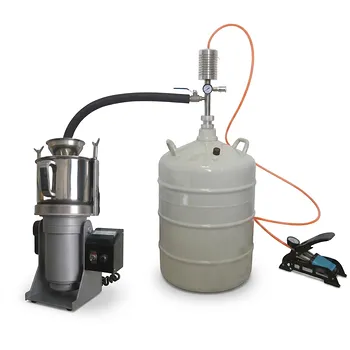
Liquid Nitrogen Cryogenic Grinder for Plastic and Heat-Sensitive Materials
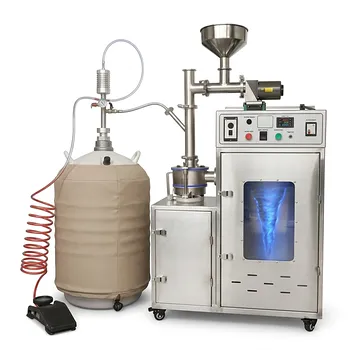
Small Liquid Nitrogen Cryogenic Grinder for Ultrafine Grinding of Heat-Sensitive Materials in Laboratories
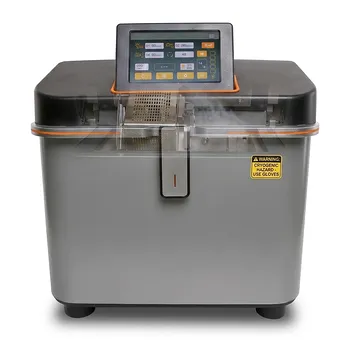
Cryogenic Liquid Nitrogen Grinder for DNA Analysis and Polymer Pulverization with Automatic Cooling and Electromagnetic Impact Technology
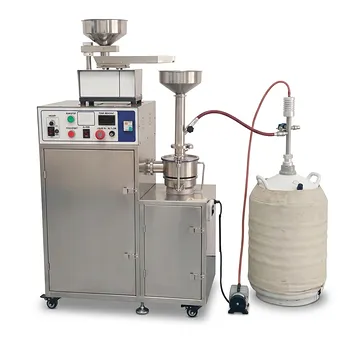
Small Liquid Nitrogen Cryogenic Grinder with Vibratory Feeder for Laboratory Sample Preparation
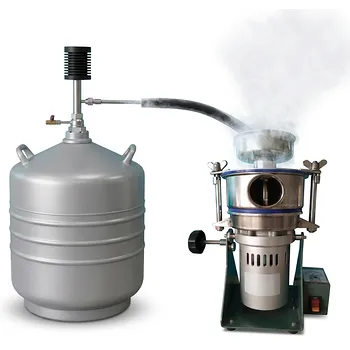
Cryogenic Liquid Nitrogen Grinder for Ultrafine Heat-Sensitive Powder Processing
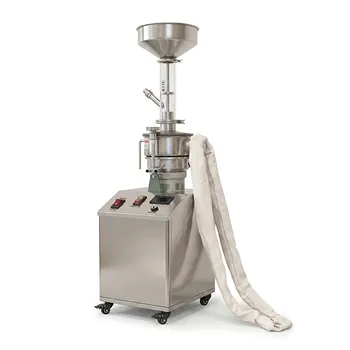
Small Liquid Nitrogen Cryogenic Grinder for Plastic and Heat-Sensitive Material Sample Preparation
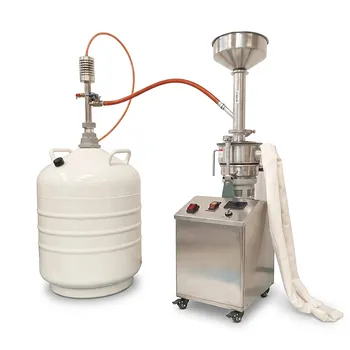
Laboratory Liquid Nitrogen Cryogenic Grinder for Polymer and Elastomer Materials
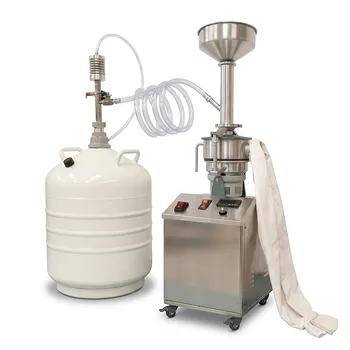
Laboratory Cryogenic Grinder Liquid Nitrogen Low Temperature Ultrafine Grinding
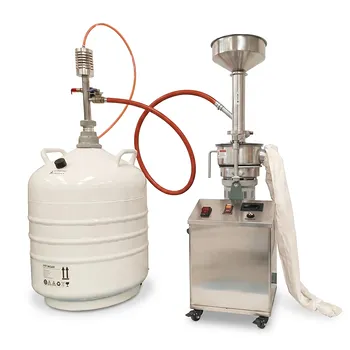
Laboratory Liquid Nitrogen Cryogenic Grinder Polymer Sample Preparation Pulverizer
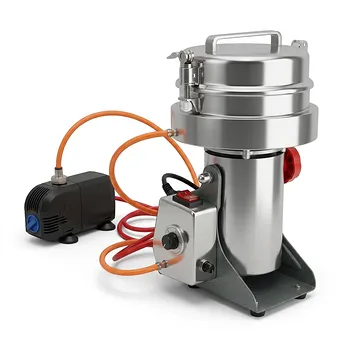
Water Cooled High Speed Grinder with Cryogenic Option for Laboratory Sample Preparation
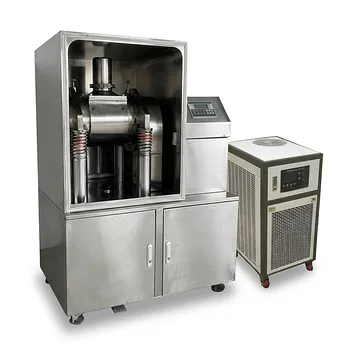
Water Cooled Cryogenic Ultra Fine Cell Wall Breaking Mill
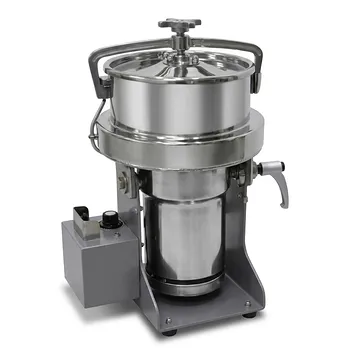
500g Capacity Water Cooled Low Temperature Grinder with Variable Speed and Safety Cover
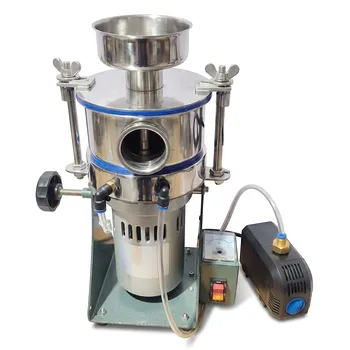
Water Cooled Airflow Ultra Fine Grinder for Low Temperature Material Processing
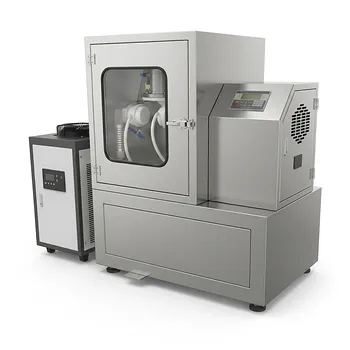
Vibratory Ultra-Low Temperature Ultrafine Grinder for Cryogenic Powder Processing
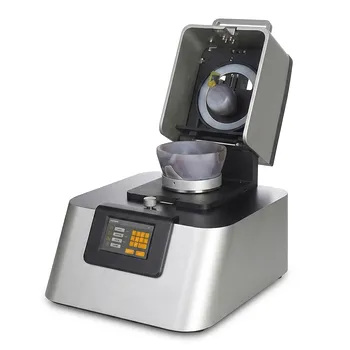
Laboratory Mortar Grinder for Sample Preparation and Cryogenic Powder Homogenization
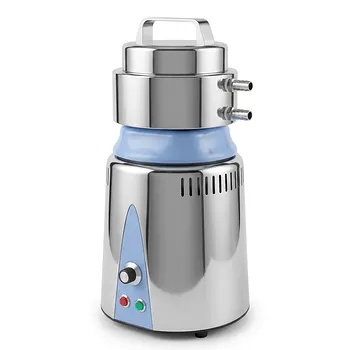
Low Temperature Laboratory Knife Mill Cryogenic Sample Grinder Material Science Powder Processing
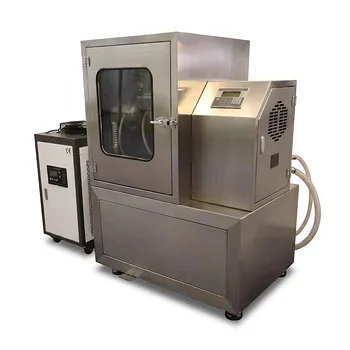
Ultra-Low Temperature Vibratory Mill for Ultrafine Grinding
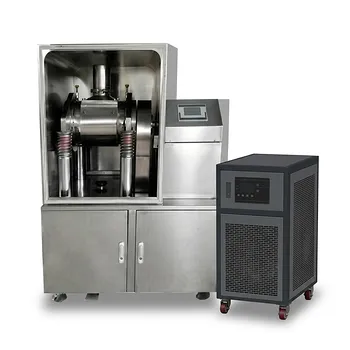
Ultra-low Temperature Vibratory Mill Ultrafine Grinder
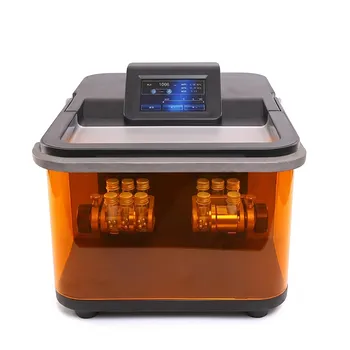
High Throughput Micro Ball Mill for Cryogenic Grinding and Laboratory Cell Disruption