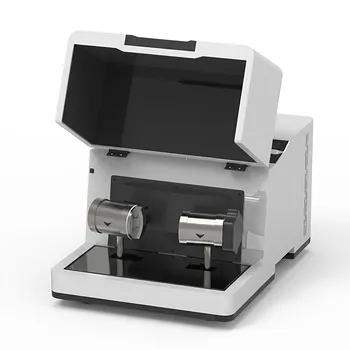
What is the role of a liquid nitrogen cryogenic grinder in drug-polymer mixing? Achieve Superior Sample Homogeneity
Updated 4 months ago
A liquid nitrogen cryogenic grinder is a specialized sample preparation tool that uses ultra-low temperatures to embrittle materials, enabling the creation of highly uniform, fine-grained drug-polymer physical mixtures. By cooling components to their embrittlement point, the grinder allows high-frequency impact energy to pulverize ductile polymers and drugs into micron-sized particles. This process ensures a level of mixing uniformity and thermal protection that is unattainable through traditional room-temperature grinding.
The cryogenic grinder acts as a critical bridge between raw materials and analysis, ensuring that drug-polymer mixtures are perfectly homogenized and chemically preserved. It facilitates faster thermal analysis and superior content uniformity by leveraging low-temperature embrittlement to prevent heat-induced degradation.
Achieving Superior Material Homogenization
Inducing Cold Brittleness in Polymers
Many polymers, such as Ethylene-Vinyl Acetate (EVA) or Polylactic Acid (PLA), are naturally ductile or "rubbery" at room temperature. A cryogenic grinder uses liquid nitrogen to bypass this ductility, reaching the material's embrittlement point where it becomes fragile.
In this brittle state, the equipment can efficiently fracture the polymer into fine powders rather than simply deforming it. This allows for a significant reduction in particle size that would be impossible with standard mechanical milling.
Maximizing Dispersion Uniformity
The grinder utilizes high-frequency impact energy to achieve a highly uniform dispersion of drug crystals within the polymer matrix. This level of "high-level mixing uniformity" is essential for creating high-quality starting materials for downstream processes like melt-quenching or filament extrusion.
By reducing the diffusion distance between the drug and the polymer, the process enhances drug dissolution kinetics. This is particularly beneficial for experimental efficiency, as it shortens the time required for thermal analysis, such as determining dissolution temperatures via Differential Scanning Calorimetry (DSC).
Protection of Thermal and Chemical Integrity
Offsetting Mechanical Friction Heat
Mechanical grinding naturally generates friction heat, which can lead to the melting or deformation of polymers. Liquid nitrogen provides a continuous ultra-low temperature environment that offsets this mechanical heat.
This cooling ensures that the resulting particles retain their original chemical structure and physical properties. Without this thermal management, polymers like polyethylene (PE) or polypropylene (PP) might melt and fuse during the preparation process.
Preserving Heat-Sensitive Bio-components
For drug delivery systems involving biologicals, such as protein-loaded nanofibers, preventing thermal denaturation is critical. The cryogenic environment ensures that heat-sensitive components remain stable and functional.
By maintaining a cold environment, the grinder prevents premature phase transitions or the degradation of active ingredients. This ensures that the final powder retains high biological activity and is suitable for long-term storage or clinical application.
Understanding the Trade-offs
Cost and Infrastructure Requirements
Operating a cryogenic grinder requires a steady supply of liquid nitrogen, which increases the operational cost per sample compared to dry milling. Laboratories must also invest in specialized storage tanks and safety equipment to handle cryogenic liquids.
Material Compatibility and Moisture
While most polymers benefit from embrittlement, the extreme cold can cause some materials to become excessively prone to static electricity, making powder recovery difficult. Additionally, if the system is not properly sealed, atmospheric moisture can condense on the cold samples, potentially affecting the stability of moisture-sensitive drugs.
How to Apply This to Your Project
Making the Right Choice for Your Goal
To determine if cryogenic grinding is necessary for your drug-polymer preparation, consider your primary objective:
- If your primary focus is thermal analysis (DSC): Use cryogenic grinding to achieve a uniform dispersion that shortens experimental time and provides clearer dissolution data.
- If your primary focus is heat-sensitive biologicals: Utilize the ultra-low temperature environment to prevent the denaturation of proteins or the degradation of heat-labile drugs.
- If your primary focus is downstream manufacturing (e.g., 3D printing): Apply cryogenic milling to ensure drug content uniformity in filaments and prevent thermal degradation of the polymer carrier.
- If your primary focus is simulating environmental microplastics: Use the high-frequency impact in a brittle state to create the irregular, sharp-edged morphologies typical of physical weathering.
By mastering the transition from ductile to brittle states, researchers can produce drug-polymer mixtures that are both chemically intact and physically optimized for advanced pharmaceutical development.
Summary Table:
| Key Feature | Mechanism | Benefit for Drug-Polymer Mixtures |
|---|---|---|
| Cryogenic Embrittlement | Uses liquid nitrogen to reach brittle point | Efficiently powders ductile polymers (EVA, PLA, PE) |
| Thermal Management | Offsets mechanical friction heat | Prevents polymer melting and chemical degradation |
| High-Frequency Impact | Powerful pulverization at micron scale | Ensures high-level mixing uniformity for analysis |
| Bio-Preservation | Maintains ultra-low temperatures | Protects activity of proteins and heat-labile drugs |
| Process Efficiency | Maximizes dispersion uniformity | Shortens DSC analysis time and improves dissolution |
Elevate Your Material Research with Precision Sample Preparation
At [Brand Name], we provide complete laboratory sample preparation solutions for material science, specializing in advanced powder processing and compaction equipment. Whether you are developing pharmaceutical drug-polymer matrices or high-performance composites, our equipment ensures the chemical integrity and physical uniformity your research demands.
Our extensive product line includes:
- Grinding & Milling: Liquid nitrogen cryogenic grinders, planetary ball mills, jet mills, and rotor mills.
- Crushing & Sieving: Jaw/roll crushers and vibratory/air-jet sieve shakers with precision test sieves.
- Mixing: High-efficiency powder mixers and vacuum defoaming mixers.
- Compaction: A full spectrum of hydraulic presses, including Cold/Warm Isostatic Presses (CIP/WIP), standard lab presses, XRF pellet presses, and vacuum hot presses.
Ready to optimize your lab's workflow and achieve superior results? Our experts are here to help you select the perfect equipment for your specific application.
Contact Us Today to Discuss Your Project
References
- Samuel O. Kyeremateng, Gerd H. Woehrle. A Fast and Reliable Empirical Approach for Estimating Solubility of Crystalline Drugs in Polymers for Hot Melt Extrusion Formulations. DOI: 10.1002/jps.23941
Mentioned Products
- Liquid Nitrogen Cryogenic Grinder for Plastic and Heat-Sensitive Materials
- Small Liquid Nitrogen Cryogenic Grinder for Ultrafine Grinding of Heat-Sensitive Materials in Laboratories
- Cryogenic Liquid Nitrogen Grinder for DNA Analysis and Polymer Pulverization with Automatic Cooling and Electromagnetic Impact Technology
- Small Liquid Nitrogen Cryogenic Grinder with Vibratory Feeder for Laboratory Sample Preparation
- Cryogenic Liquid Nitrogen Grinder for Ultrafine Heat-Sensitive Powder Processing
People Also Ask
- Why is a liquid nitrogen cryogenic grinder required before DSC? Ensure Accurate Thermal Analysis & Sample Integrity.
- Why is a liquid nitrogen cryogenic grinder necessary for plastic pre-processing? Achieve Precise Co-Pyrolysis Results
- What role does liquid nitrogen cryogenic grinding play in the modification of CNTs? Optimize Nanomaterial Processing
- Why is a laboratory-grade liquid nitrogen cryogenic grinder essential for processing drug-loaded polymer nanofiber mats?
- What is the role of a liquid nitrogen cryogenic grinder in biomass pretreatment? Optimize Your Activated Carbon Quality

Tech Team · PowderPreparation
Last updated on Jun 03, 2026
Related Products
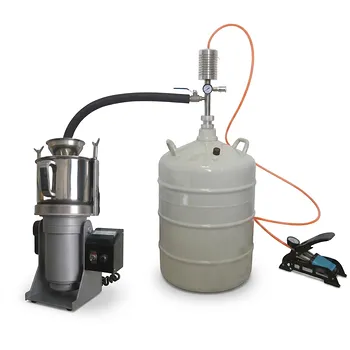
Liquid Nitrogen Cryogenic Grinder for Plastic and Heat-Sensitive Materials
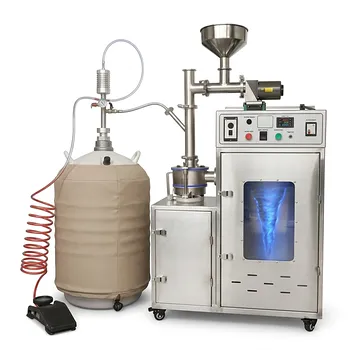
Small Liquid Nitrogen Cryogenic Grinder for Ultrafine Grinding of Heat-Sensitive Materials in Laboratories
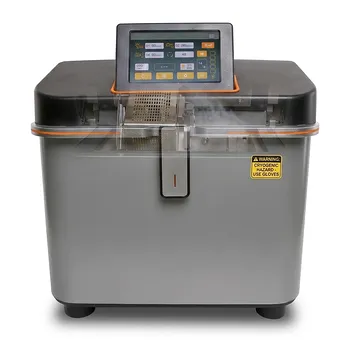
Cryogenic Liquid Nitrogen Grinder for DNA Analysis and Polymer Pulverization with Automatic Cooling and Electromagnetic Impact Technology
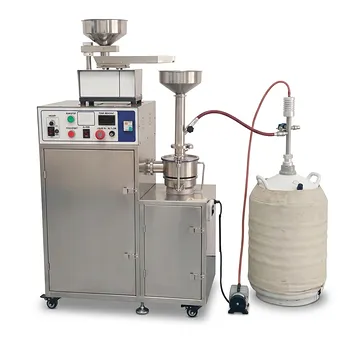
Small Liquid Nitrogen Cryogenic Grinder with Vibratory Feeder for Laboratory Sample Preparation
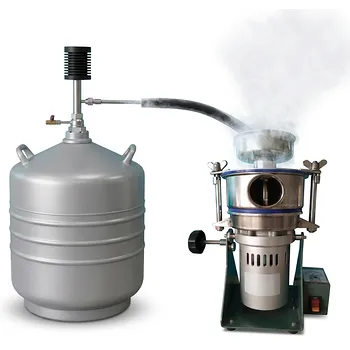
Cryogenic Liquid Nitrogen Grinder for Ultrafine Heat-Sensitive Powder Processing
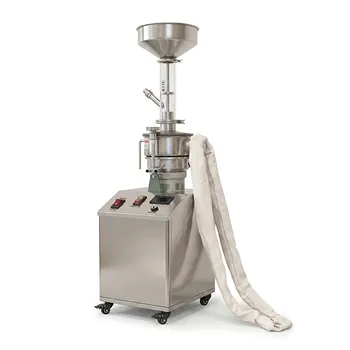
Small Liquid Nitrogen Cryogenic Grinder for Plastic and Heat-Sensitive Material Sample Preparation
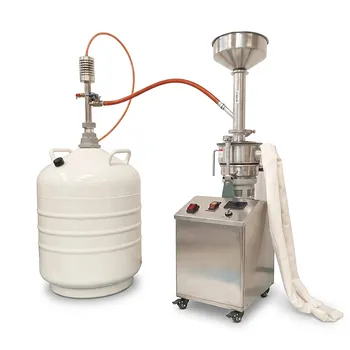
Laboratory Liquid Nitrogen Cryogenic Grinder for Polymer and Elastomer Materials
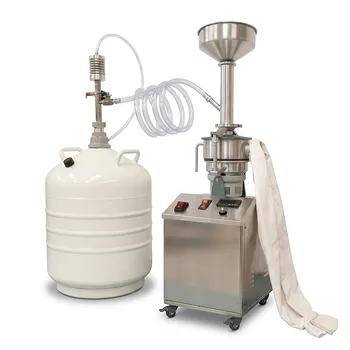
Laboratory Cryogenic Grinder Liquid Nitrogen Low Temperature Ultrafine Grinding
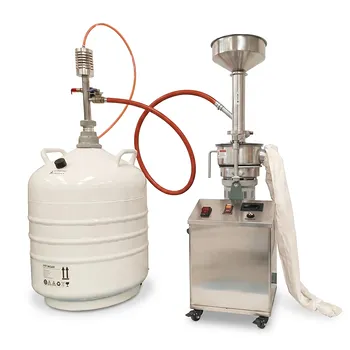
Laboratory Liquid Nitrogen Cryogenic Grinder Polymer Sample Preparation Pulverizer
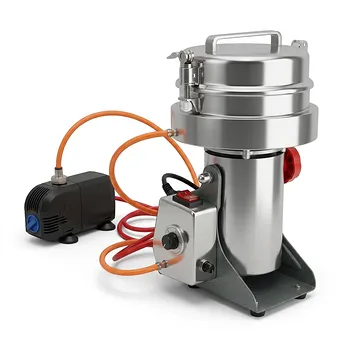
Water Cooled High Speed Grinder with Cryogenic Option for Laboratory Sample Preparation
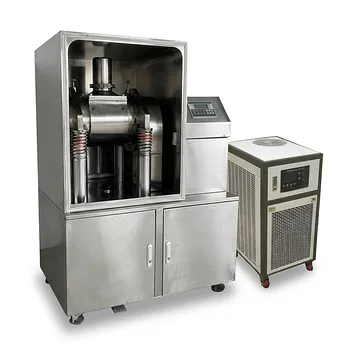
Water Cooled Cryogenic Ultra Fine Cell Wall Breaking Mill
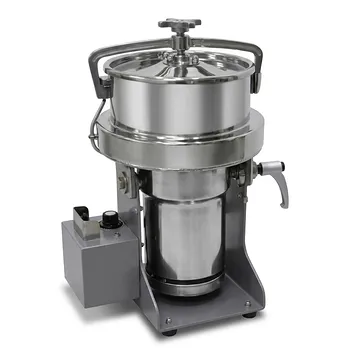
500g Capacity Water Cooled Low Temperature Grinder with Variable Speed and Safety Cover
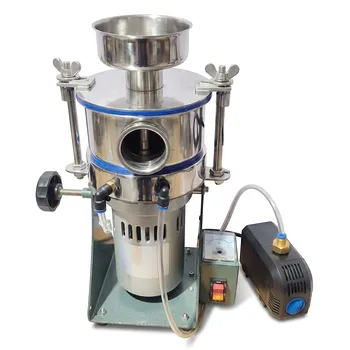
Water Cooled Airflow Ultra Fine Grinder for Low Temperature Material Processing
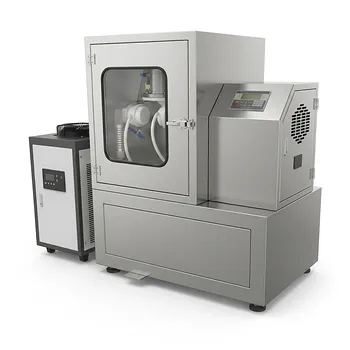
Vibratory Ultra-Low Temperature Ultrafine Grinder for Cryogenic Powder Processing
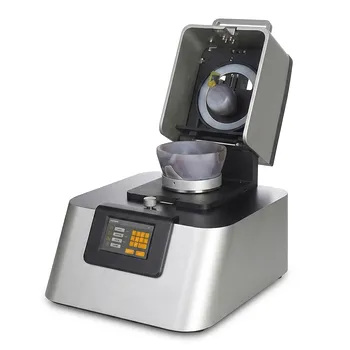
Laboratory Mortar Grinder for Sample Preparation and Cryogenic Powder Homogenization
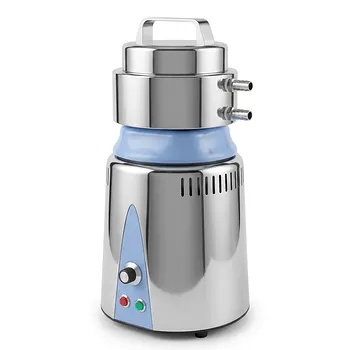
Low Temperature Laboratory Knife Mill Cryogenic Sample Grinder Material Science Powder Processing
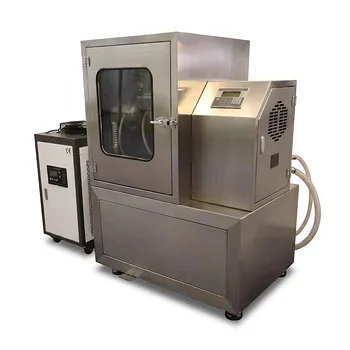
Ultra-Low Temperature Vibratory Mill for Ultrafine Grinding
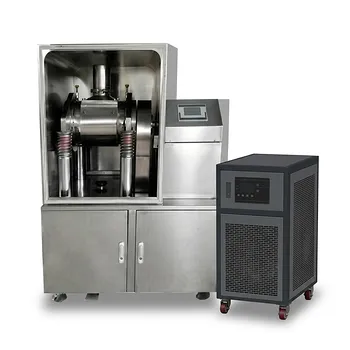
Ultra-low Temperature Vibratory Mill Ultrafine Grinder
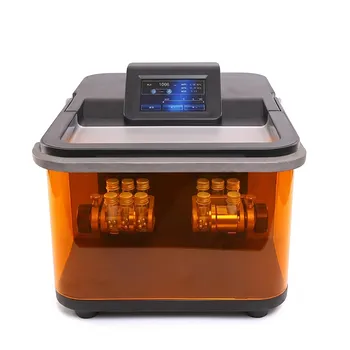
High Throughput Micro Ball Mill for Cryogenic Grinding and Laboratory Cell Disruption