What role does liquid nitrogen cryogenic grinding play in the modification of CNTs? Optimize Nanomaterial Processing
Updated 3 months ago
Liquid nitrogen cryogenic grinding acts as a mechanical modification tool that facilitates the structural shortening and disentanglement of carbon nanotubes (CNTs) through extreme cold. By maintaining temperatures as low as -196°C, the process embrittles the nanotubes, allowing mechanical forces to achieve end-opening and short-cutting without the use of aggressive chemical functionalization. This results in a cleaner, more reactive filler material with significantly improved dispersibility in polymer matrices.
Cryogenic grinding provides a chemical-free pathway to modify CNT architecture by leveraging low-temperature embrittlement to enable precise mechanical fracture. This process optimizes the physical integration of CNTs into composite materials while preserving their inherent chemical integrity.
Structural Modification via Embrittlement
Short-cutting and End-opening
Mechanical forces in the mill fracture the nanotubes cleanly once they reach their embrittlement point. This creates shorter segments and opens the ends of the tubes, which increases the specific surface area available for bonding with other materials.
Disentanglement of Nanotube Bundles
High-frequency impact and shear forces effectively break apart the van der Waals forces that cause CNTs to clump or "rope." The cryogenic environment ensures these bundles are fractured and separated rather than simply deformed or further entangled.
Chemical-Free Processing
Unlike acid-based functionalization, cryogenic grinding modifies the physical structure of the CNTs without the use of harmful chemicals. This preserves the intrinsic properties of the nanotubes while making them easier to incorporate into downstream applications.
Chemical and Thermal Protection
Preventing Thermal Degradation
The liquid nitrogen acts as a cooling medium that rapidly dissipates the frictional heat generated during high-energy milling. This prevents the CNTs or the surrounding polymer matrix from melting, deforming, or undergoing unwanted thermal degradation.
Maintaining an Inert Atmosphere
The evaporating nitrogen creates an inert protective atmosphere within the grinding jar. This environment prevents the oxidation of highly reactive surfaces and ensures that the chemical and phase composition of the sample remains consistent.
Consistency in Particle Size
By cooling materials below their glass transition or embrittlement point, the grinder ensures clean fractures. This results in a more consistent particle size distribution, which is critical for standardized experimental use and high-quality characterization.
Understanding the Trade-offs
Equipment and Operating Costs
Utilizing liquid nitrogen requires specialized cryogenic grinders equipped with vacuum-insulated piping and automated injection systems. These requirements can significantly increase the operational cost compared to standard room-temperature ball milling.
Risk of Over-Processing
Excessive grinding energy, even at ultra-low temperatures, can lead to the over-shortening of CNTs. If the aspect ratio is reduced too much, the material may lose its ability to form the conductive networks necessary for high-performance electronic or structural applications.
Material Handling Complexity
Samples must be handled with care to prevent moisture condensation once they are removed from the cryogenic environment. Rapid warming can lead to water absorption, which may negatively impact the dispersibility of the modified CNTs in non-polar matrices.
How to Apply This to Your Project
Depending on your specific material goals, the application of cryogenic grinding should be adjusted:
- If your primary focus is improving filler-matrix interaction: Utilize cryogenic grinding to achieve end-opening, which creates more physical interlocking sites without introducing chemical impurities.
- If your primary focus is processing heat-sensitive composites: Leverage the cold brittleness to grind CNT-polymer masterbatches, preventing the polymer from melting or clogging the equipment.
- If your primary focus is maintaining electrical conductivity: Carefully monitor grinding time and frequency to ensure CNTs are disentangled but not shortened beyond their critical percolation threshold.
Cryogenic grinding stands as a superior, non-destructive method for tailoring the physical properties of carbon nanotubes for high-performance industrial applications.
Summary Table:
| Key Feature | Mechanism | Impact on CNT Modification |
|---|---|---|
| Structural Shortening | Low-temp embrittlement fracture | Clean end-opening & increased reactive surface area |
| Disentanglement | High-frequency mechanical impact | Breaks van der Waals forces for superior dispersibility |
| Thermal Protection | LN2 cooling (-196°C) | Prevents melting, deformation, and thermal degradation |
| Chemical Integrity | Inert nitrogen atmosphere | Prevents oxidation without using aggressive chemicals |
Elevate Your Material Research with Precision Sample Preparation
Are you seeking to enhance the dispersibility and structural integrity of carbon nanotubes or other advanced materials? We provide complete laboratory sample preparation solutions for material science, specializing in high-performance powder processing and compaction equipment designed for precision and reliability.
Our extensive product lines include:
- Advanced Milling: Liquid nitrogen cryogenic grinders, planetary ball mills, jet mills, and rotor mills.
- Sizing & Mixing: Vibratory/air-jet sieve shakers, test sieves, powder mixers, and defoaming mixers.
- Compaction Solutions: A full spectrum of hydraulic presses, including Cold/Warm Isostatic Presses (CIP/WIP), standard lab presses, XRF pellet presses, and vacuum hot presses.
We help researchers and manufacturers achieve consistent, high-quality results by providing tools that preserve material purity and optimize particle characteristics. Contact us today to discuss your specific application and find the perfect equipment for your laboratory needs!
References
- Garima Mittal, Soo‐Jin Park. The Effects of Cryomilling CNTs on the Thermal and Electrical Properties of CNT/PMMA Composites. DOI: 10.3390/polym8050169
Mentioned Products
- Liquid Nitrogen Cryogenic Grinder for Plastic and Heat-Sensitive Materials
- Small Liquid Nitrogen Cryogenic Grinder for Ultrafine Grinding of Heat-Sensitive Materials in Laboratories
- Cryogenic Liquid Nitrogen Grinder for DNA Analysis and Polymer Pulverization with Automatic Cooling and Electromagnetic Impact Technology
- Small Liquid Nitrogen Cryogenic Grinder with Vibratory Feeder for Laboratory Sample Preparation
- Cryogenic Liquid Nitrogen Grinder for Ultrafine Heat-Sensitive Powder Processing
People Also Ask
- Why is a liquid nitrogen cryogenic grinder required before DSC? Ensure Accurate Thermal Analysis & Sample Integrity.
- Why is a liquid nitrogen cryogenic grinder necessary for plastic pre-processing? Achieve Precise Co-Pyrolysis Results
- Why is a laboratory-grade liquid nitrogen cryogenic grinder essential for processing drug-loaded polymer nanofiber mats?
- What is the role of a liquid nitrogen cryogenic grinder in drug-polymer mixing? Achieve Superior Sample Homogeneity
- What is the role of a liquid nitrogen cryogenic grinder in biomass pretreatment? Optimize Your Activated Carbon Quality

Tech Team · PowderPreparation
Last updated on Jun 03, 2026
Related Products
Liquid Nitrogen Cryogenic Grinder for Plastic and Heat-Sensitive Materials
Small Liquid Nitrogen Cryogenic Grinder for Ultrafine Grinding of Heat-Sensitive Materials in Laboratories
Cryogenic Liquid Nitrogen Grinder for DNA Analysis and Polymer Pulverization with Automatic Cooling and Electromagnetic Impact Technology
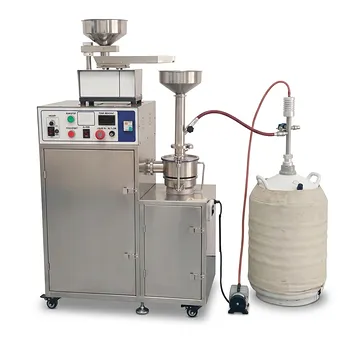
Small Liquid Nitrogen Cryogenic Grinder with Vibratory Feeder for Laboratory Sample Preparation
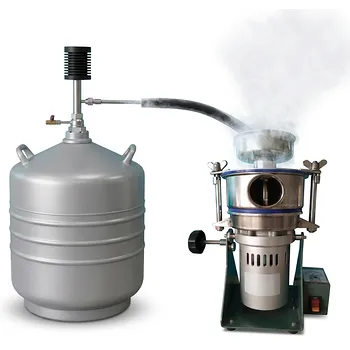
Cryogenic Liquid Nitrogen Grinder for Ultrafine Heat-Sensitive Powder Processing
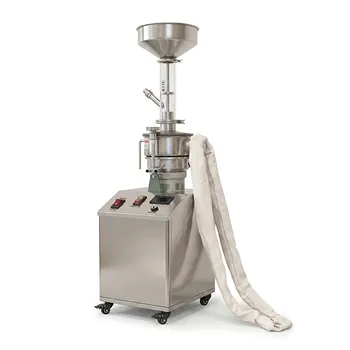
Small Liquid Nitrogen Cryogenic Grinder for Plastic and Heat-Sensitive Material Sample Preparation
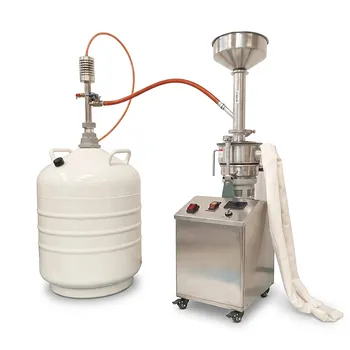
Laboratory Liquid Nitrogen Cryogenic Grinder for Polymer and Elastomer Materials
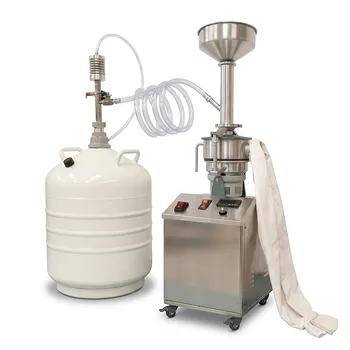
Laboratory Cryogenic Grinder Liquid Nitrogen Low Temperature Ultrafine Grinding
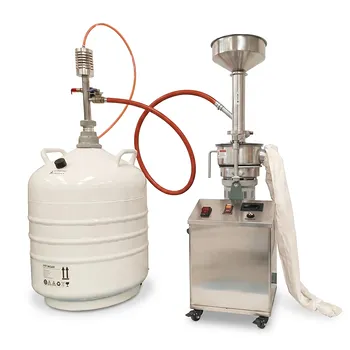
Laboratory Liquid Nitrogen Cryogenic Grinder Polymer Sample Preparation Pulverizer
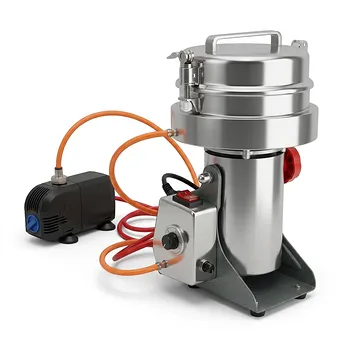
Water Cooled High Speed Grinder with Cryogenic Option for Laboratory Sample Preparation
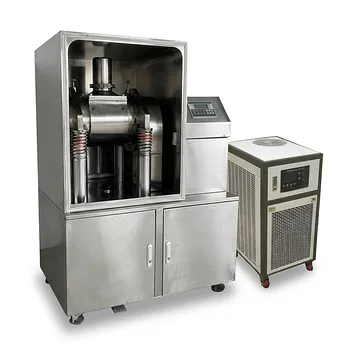
Water Cooled Cryogenic Ultra Fine Cell Wall Breaking Mill
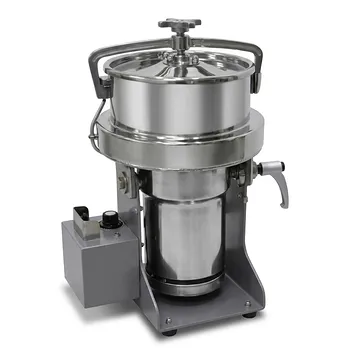
500g Capacity Water Cooled Low Temperature Grinder with Variable Speed and Safety Cover
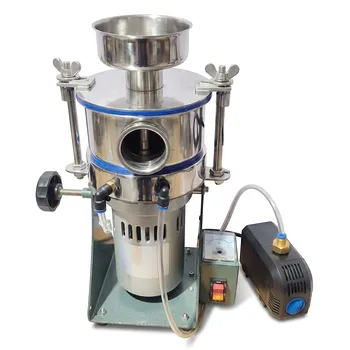
Water Cooled Airflow Ultra Fine Grinder for Low Temperature Material Processing
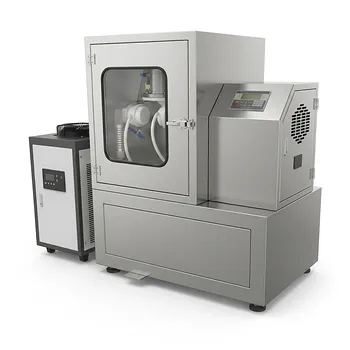
Vibratory Ultra-Low Temperature Ultrafine Grinder for Cryogenic Powder Processing
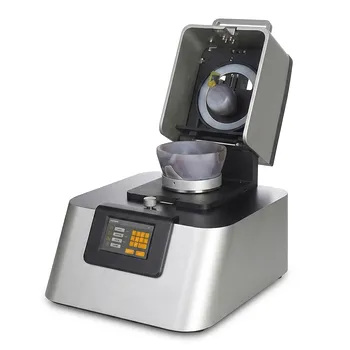
Laboratory Mortar Grinder for Sample Preparation and Cryogenic Powder Homogenization
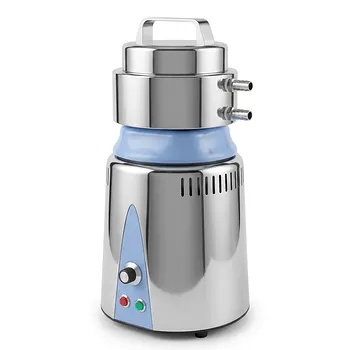
Low Temperature Laboratory Knife Mill Cryogenic Sample Grinder Material Science Powder Processing
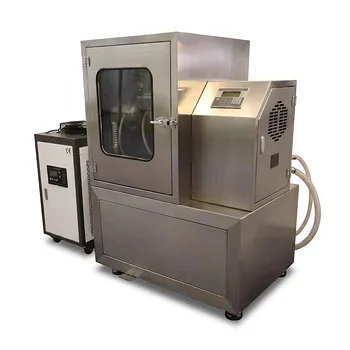
Ultra-Low Temperature Vibratory Mill for Ultrafine Grinding
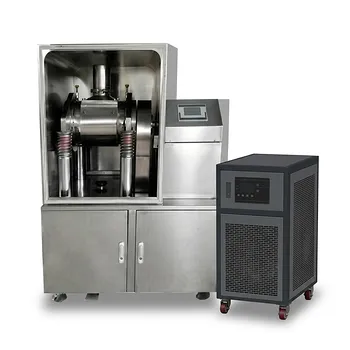
Ultra-low Temperature Vibratory Mill Ultrafine Grinder
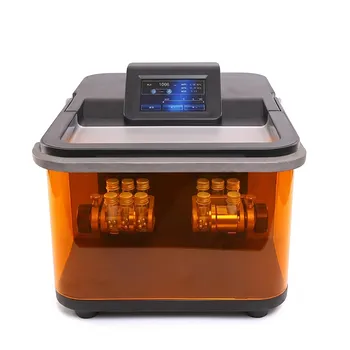
High Throughput Micro Ball Mill for Cryogenic Grinding and Laboratory Cell Disruption