Why is it necessary to use standard test sieves for zeolite powder preparation? Enhance Accuracy & Material Performance
Updated 4 months ago
Standard test sieves are the primary tool for achieving precise particle size classification in zeolite preparation. These tools ensure that zeolite powder reaches a specific, narrow range (such as 0.21–0.3 mm), which is vital for maintaining consistent fluid penetration and predictable adsorption kinetics. By standardizing the physical dimensions of the powder, researchers and manufacturers can ensure that experimental data is reproducible and that subsequent chemical modifications remain stable across different batches.
Precise particle size control through standard sieving eliminates physical variability, ensuring that chemical reactions and adsorption processes occur uniformly across the entire material sample. This standardization is the foundation for data accuracy in the lab and material performance in industrial applications.
Precision in Chemical and Kinetic Analysis
Ensuring Consistent Diffusion Paths
Zeolite adsorption kinetics are often diffusion-limited, meaning the speed at which ions or molecules move through the particle determines the overall performance. Standard sieving ensures that all particles have a uniform path length, which prevents data distortion and ensures accurate measurements of adsorption rates.
Maximizing Reactivity and Conversion
Using specific mesh sizes, such as a 200 mesh (0.075 mm), increases the specific surface area and reactivity of raw materials like clay. This fine classification is essential for achieving the complete chemical conversion of aluminosilicates during processes like alkaline fusion.
Identifying Metal Enrichment Patterns
In resource recovery, standard sieves allow researchers to identify how target metals like indium and rare earth oxides are distributed across different particle sizes. Evidence suggests that finer particles often hold higher concentrations of these high-value components, making sieving a vital step in isolating them.
Optimizing Material Integrity and Handling
Removing Impurities and Agglomerates
Sieving acts as a critical quality control gate by filtering out unground impurities from slurries or removing aggregates formed during ball milling. This step ensures that the final powder is homogenous and free of oversized clusters that could compromise the final product's integrity.
Enhancing Flowability and Feeding
Standardized particle sizes improve the flowability of composite powders, which is essential for stable and continuous powder feeding in processes like cold spraying. Without this uniformity, powder flow becomes erratic, leading to inconsistent coating thickness and quality.
Preventing Component Segregation
During the mixing or filling of powders—such as in capsule or tablet manufacturing—consistent particle size prevents segregation. By unifying the initial size of the powder, manufacturers ensure that different components do not separate, maintaining the chemical balance of the final product.
Understanding the Trade-offs
Precision vs. Throughput
While finer sieving increases the reactivity and surface area of the zeolite, it significantly extends the processing time required. Achieving extreme precision often requires multiple stages of sieving, which can become a bottleneck in high-volume production environments.
The Risk of Sieve Blinding
Extremely fine particles or moist materials can lead to sieve blinding, where the mesh openings become clogged. This requires the use of specialized equipment, such as vibratory sieve shakers, and regular maintenance to ensure the classification remains accurate over time.
Material Loss During Classification
The sieving process inherently results in a small percentage of material loss, as dust and fine particles may adhere to the sieve frames. For rare or high-value modified zeolites, this loss must be carefully managed to maintain cost-effectiveness.
How to Apply This to Your Project
Proper classification is not a one-size-fits-all process; the required mesh size depends entirely on your end goal for the zeolite powder.
- If your primary focus is experimental reproducibility: Use a narrow sieve range (e.g., 150 microns) to ensure uniform diffusion paths and contact areas across all test groups.
- If your primary focus is industrial chemical conversion: Target a 200-mesh classification to maximize the specific surface area and ensure the complete conversion of raw aluminosilicates.
- If your primary focus is mechanical application or coating: Prioritize the removal of agglomerates to ensure stable flowability and high green body density during pressing or spraying.
- If your primary focus is resource recovery: Analyze the metal distribution across a wide range of mesh sizes (+60 to -325) to identify which fractions contain the highest concentrations of target elements.
By strictly adhering to standard sieving protocols, you transform raw zeolite into a predictable, high-performance material ready for advanced technical applications.
Summary Table:
| Application Focus | Sieve Benefit | Key Outcome |
|---|---|---|
| Kinetic Analysis | Uniform diffusion paths | Accurate adsorption rate measurements |
| Chemical Conversion | Maximized surface area | Complete conversion of aluminosilicates |
| Quality Control | Removal of agglomerates | Homogeneous powder and impurity-free slurries |
| Industrial Handling | Improved flowability | Consistent powder feeding and coating quality |
| Resource Recovery | Size-based fractionation | Isolation of high-value metal concentrations |
Elevate Your Zeolite Research with Precision Sample Preparation
Achieving the perfect particle size distribution is critical for high-performance material science. We offer complete laboratory sample preparation solutions, specializing in advanced powder processing and compaction equipment.
Our extensive product line is designed to meet the rigorous demands of researchers and manufacturers:
- Classification & Analysis: High-precision vibratory and air-jet sieve shakers with a full range of test sieves and meshes.
- Size Reduction: Jaw/roll crushers, liquid nitrogen cryogenic grinders, and high-energy mills (planetary ball, jet, and disc mills).
- Powder Compaction: A full spectrum of hydraulic presses, including Cold/Warm Isostatic Presses (CIP/WIP), vacuum hot presses, and XRF pellet presses.
- Mixing & Homogenization: Professional powder mixers and defoaming mixers for consistent material blends.
Whether you are refining adsorption kinetics or scaling up industrial chemical conversions, our equipment ensures reproducible results and superior material integrity.
Contact our technical experts today to find the ideal solution for your powder processing needs!
References
- A H Mahvi, Soudabeh Pourfadakar. Sodium Dodecyl Sulfate Modified-Zeolite as a Promising Adsorbent for the Removal of Natural Organic Matter From Aqueous Environments. DOI: 10.17795/jhealthscope-29966
Mentioned Products
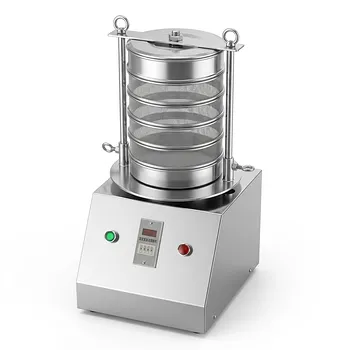
- Stainless Steel Laboratory Vibratory Test Sieve Shaker
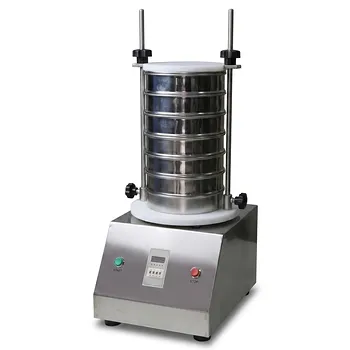
- Laboratory Vibratory Test Sieve Shaker for Precision Particle Size Analysis and Powder Grading
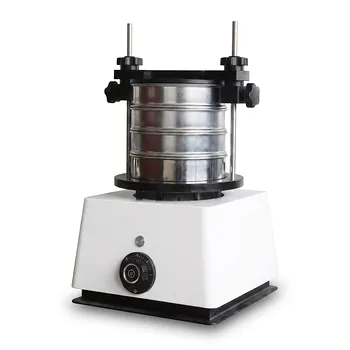
- Small Laboratory Vibrating Sieve Shaker for Precise Particle Size Analysis
- Small Laboratory Vibratory Sieve Shaker for Powder Gradation and Particle Size Analysis
- 三维电磁微量振动筛分仪
People Also Ask
- What function does a laboratory vibratory sieve shaker serve in the production process of metakaolin? Optimize Reactivity
- Why is a precision laboratory vibratory sieve shaker necessary for particle size control? Optimize Biomass Carbonization
- What is the function of a laboratory vibratory sieve shaker? Enhance Coal Particle Size Distribution (PSD) Analysis
- What role do laboratory vibratory sieve shakers and test sieves play before the molding of Nb-Cu composite powders?
- What is the primary function of a laboratory vibratory sieve shaker in the evaluation of sand liquefaction potential?

Tech Team · PowderPreparation
Last updated on May 14, 2026
Related Products
Stainless Steel Laboratory Vibratory Test Sieve Shaker
Laboratory Vibratory Test Sieve Shaker for Precision Particle Size Analysis and Powder Grading
Small Laboratory Vibrating Sieve Shaker for Precise Particle Size Analysis
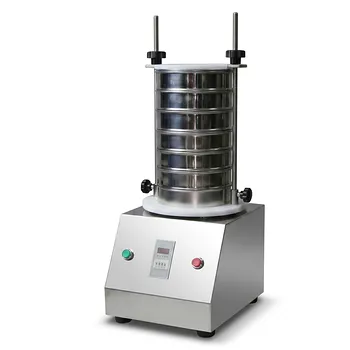
Small Laboratory Vibratory Sieve Shaker for Powder Gradation and Particle Size Analysis
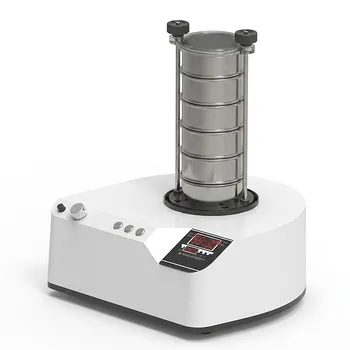
三维电磁微量振动筛分仪
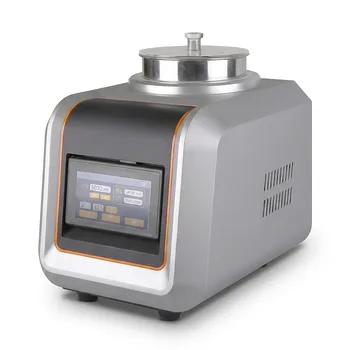
Laboratory Air Jet Sieving Machine for Fine Powder Particle Size Analysis and Deagglomeration
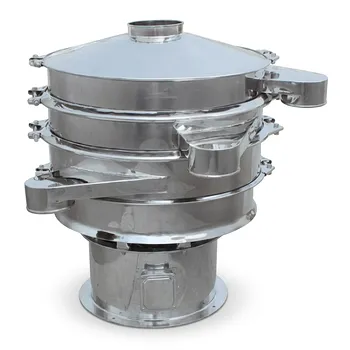
Stainless Steel Rotary Vibrating Sieve High Precision Circular Vibratory Separator Industrial Powder Grading Machine Multi Layer Sifting Equipment
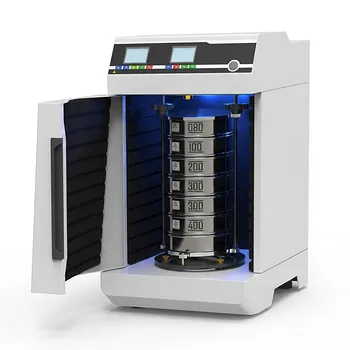
Laboratory Dry and Wet Three Dimensional Vibratory Sieve Shaker for Particle Analysis
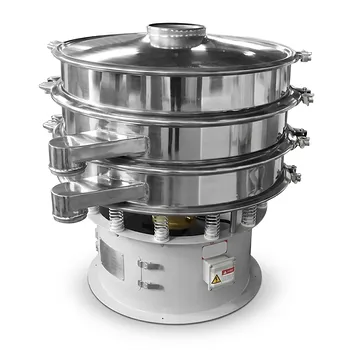
Three Dimensional Rotary Vibrating Sieve
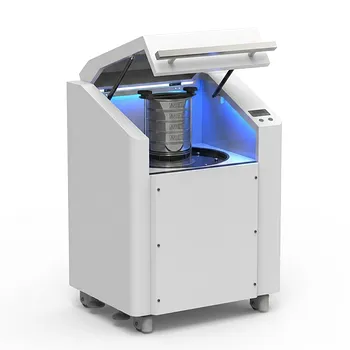
High Frequency Cabinet Type Three-Dimensional Rotary Vibrating Sieve Shaker for Dry Sieving and Particle Classification
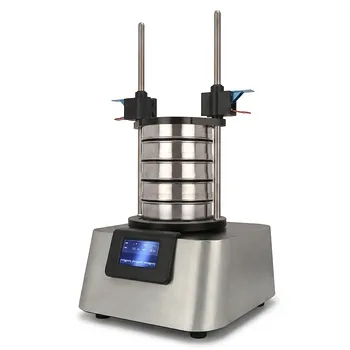
Vibratory Sieve Shaker Electromagnetic 3D Motion Powder Particle Size Analyzer for Dry and Wet Sieving
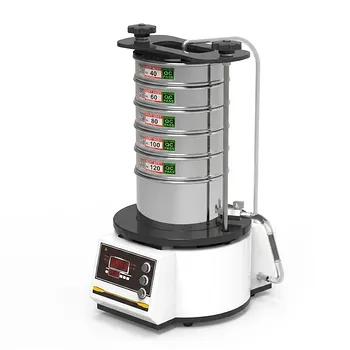
High Frequency Wet Three-Dimensional Vibrating Sieve Shaker for Dry and Wet Particle Size Analysis
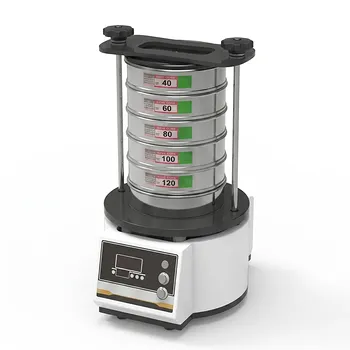
Dry Three Dimensional Vibratory Sieve Shaker
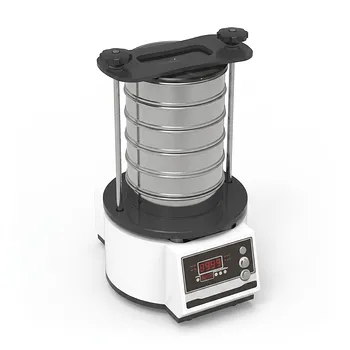
Tapping Oscillating Sieve Shaker for Dry and Wet Particle Size Analysis
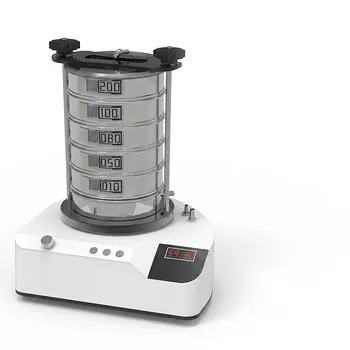
Heavy Duty Dry Three Dimensional Vibratory Sieve Shaker for Particle Separation
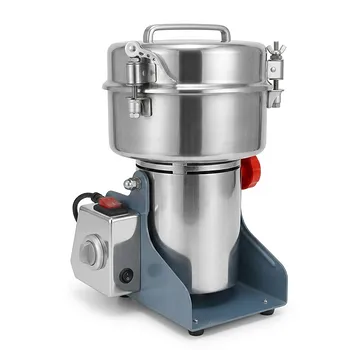
Small High-Speed Grinder for Efficient Laboratory Sample Preparation
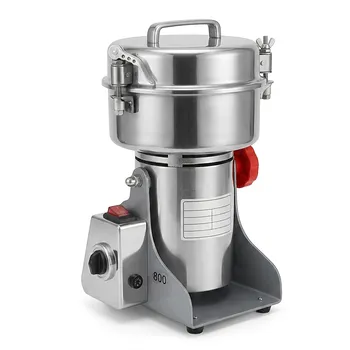
Small High-Speed Laboratory Grinder for Rapid Sample Preparation
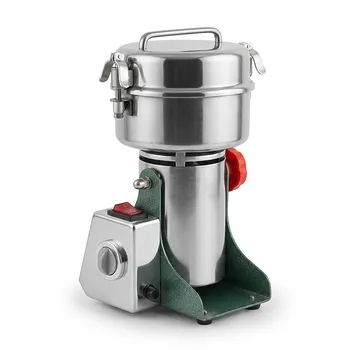
Small High-Speed Swing Grinder for Laboratory Sample Preparation
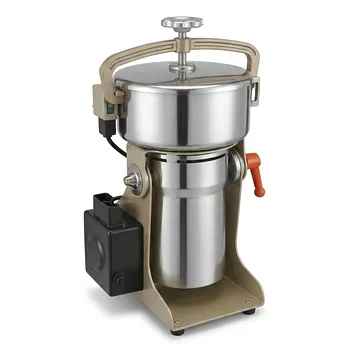
Multifunctional High Efficiency High Speed Laboratory Grinder