Why is high-pressure molding using a laboratory hydraulic press critical? Master Refractory Sample Quality & Accuracy
Updated 4 months ago
High-pressure molding is the foundational step in refractory sample preparation. By applying uniaxial pressure—often exceeding 100 MPa—a laboratory hydraulic press transforms loose siliceous powder into a cohesive "green body" with a defined geometric shape. This process is critical because it creates the necessary physical proximity between particles to enable the complex solid-state diffusion and phase transformations that occur during high-temperature sintering.
The laboratory hydraulic press serves as the bridge between raw powder and a reactive solid, ensuring that particle contact is sufficient to trigger the chemical and structural changes required for accurate refractory testing. Without this controlled compaction, phase transformations would be inefficient, and test data would fail to represent industrial realities.
Facilitating Chemical and Phase Transformations
Establishing Necessary Particle Contact
High-pressure molding forces individual siliceous particles into intimate contact, which is a physical prerequisite for solid-state diffusion reactions. This proximity allows atoms to migrate across particle boundaries once the sample is heated.
Optimizing Liquid-Phase Reactions
As temperatures rise during sintering, liquid phases often form within the refractory matrix. The high density achieved by the hydraulic press ensures that dissolution-precipitation reactions occur uniformly, guaranteeing an efficient phase transformation throughout the sample.
Ensuring Homogeneous Mineralogy
By eliminating large voids, the press facilitates a consistent reaction environment. This results in a uniform phase composition, which is vital when evaluating how siliceous materials will perform under the extreme thermal stresses of industrial furnaces.
Achieving Structural Integrity and Density
Maximizing Green Strength
The intensive pressure causes particles to undergo rearrangement and plastic deformation, creating a mechanical bond known as "green strength." This integrity is essential to prevent the sample from cracking, crumbling, or deforming during handling or the early stages of firing.
Regulating Porosity and Stoichiometry
The peak pressure applied directly determines the initial porosity of the green body. For composite refractories, this precision is vital as it regulates the volume of secondary materials (like metallic silicon) that can infiltrate the structure, ensuring the correct stoichiometric ratio.
Eliminating Internal Gradients
A laboratory press provides a controlled environment that minimizes internal density gradients. By transmitting pressure evenly, the press reduces internal stress non-uniformity, which prevents structural defects and warping during the subsequent cooling process.
Ensuring Data Accuracy and Scientific Validity
Simulating Industrial Production
Laboratory presses allow researchers to apply specific unit pressures (such as 400 kg/cm²) that simulate industrial-scale manufacturing. This ensures that the thermal conductivity and linear shrinkage data collected in the lab are applicable to real-world refractory applications.
Stabilizing Samples for Precision Testing
High-density cylindrical solids produced by precision molds are necessary for thermomechanical analysis (TMA). This structural stability ensures that measurements of thermal expansion coefficients are accurate and not skewed by the collapse of internal pores at high temperatures.
Improving Permeability and Path Continuity
In materials where conductivity or magnetic properties are measured, high-pressure consolidation maximizes the elimination of pores. This establishes continuous physical paths through the material, which significantly improves the reliability of physical property test results.
Understanding the Trade-offs
While high pressure is beneficial, it introduces specific challenges that must be managed. Over-compaction can lead to "lamination" or pressure cracking, where internal gases or stored elastic energy cause the sample to split upon release from the mold.
Additionally, the choice of binder becomes more critical as pressure increases; too much binder can lead to excessive bloating during sintering, while too little may result in a brittle sample despite high pressure. Finally, there is a point of diminishing returns where increasing pressure no longer significantly improves density but increases the wear and tear on expensive precision steel molds.
Applying High-Pressure Molding to Your Project
Recommendations Based on Your Objectives
- If your primary focus is Phase Transformation Efficiency: Utilize pressures near 100 MPa to ensure the close particle contact required for solid-state diffusion and dissolution-precipitation.
- If your primary focus is Dimensional Accuracy and TMA: Use precision molds and higher pressures (up to 200 MPa) to eliminate internal voids and ensure structural stability at high temperatures.
- If your primary focus is Industrial Process Simulation: Carefully calibrate the unit pressure (kg/cm²) to match the specific forming pressures used in your production-scale hydraulic presses.
- If your primary focus is Chemical Stoichiometry: Focus on precise peak pressure control to regulate initial porosity, which dictates the volume percentage of infiltrants or secondary phases.
By mastering the application of uniaxial pressure, you ensure that your siliceous refractory samples transition from simple powders to scientifically representative materials capable of yielding repeatable, high-fidelity data.
Summary Table:
| Key Benefit | Mechanism | Impact on Results |
|---|---|---|
| Phase Transformation | Facilitates solid-state diffusion | Ensures uniform mineralogy and chemical reactions |
| Structural Integrity | Maximizes green strength | Prevents cracking and deformation during firing |
| Data Accuracy | Eliminates internal gradients | Provides reliable thermal and mechanical testing data |
| Process Simulation | Replicates industrial pressures | Delivers scalable results for real-world applications |
Elevate Your Material Research with Precision Compaction Solutions
Achieving scientific validity in refractory testing starts with superior sample preparation. As specialists in powder processing and compaction equipment, we provide complete laboratory solutions tailored for material science.
From preparing raw materials with our jaw/roll crushers and planetary ball mills to achieving perfect sample density with our full spectrum of laboratory hydraulic presses—including Cold/Warm Isostatic Presses (CIP/WIP), XRF pellet presses, and vacuum hot presses—we ensure your samples meet the highest industrial standards.
Ready to optimize your lab's efficiency and data accuracy? Contact us today to discuss how our specialized equipment can transform your research workflow.
References
- Takayuki Sano, Takeshi SHIONO. Effect of CaO Addition on Synthesis of Tridymite Phase from Amorphous Silica. DOI: 10.2472/jsms.67.603
Mentioned Products
- 6-Ton Small Single-Punch Tablet Press — Laboratory Powder & Granule Tableting Equipment / Tablet Forming Machine
- 5 Ton Single Punch Tablet Press Laboratory Small Batch Production
- Manual Tablet Press with Dual Scale Pressure Gauge for Pharmaceutical Food Chemical Laboratory Sample Preparation
- 6 Ton Variable Frequency Single Punch Tablet Press
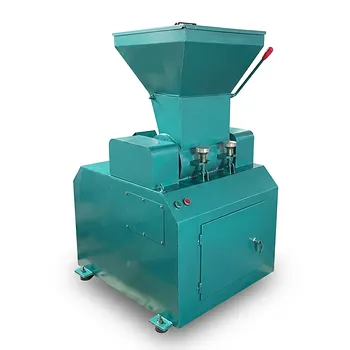
- Laboratory Double Roll Crusher for Medium Hardness Materials Coal Ore Sample Preparation
People Also Ask
- What is the function of a laboratory press in Cr-Ti alloy evaluation? Quantify Fracture Stress & Strength
- What is the function of a laboratory press in assessing the hydrophobic performance of modified vermiculite fillers?
- What is the core function of a laboratory press in the forming of ceramic filter element green bodies? Maximize Density.
- What is the function of a laboratory press in the preparation of ceramic feed rods? Master Density and Precision
- Why is vacuum sealing and flexible packaging necessary for Aluminum Titanate powders during CIP? Ensure Peak Density

Tech Team · PowderPreparation
Last updated on Jun 03, 2026
Related Products
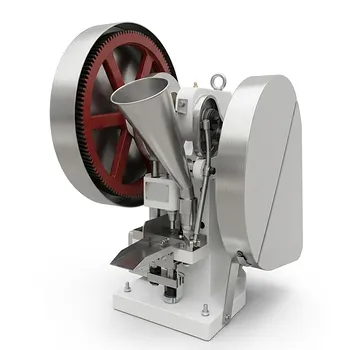
6-Ton Small Single-Punch Tablet Press — Laboratory Powder & Granule Tableting Equipment / Tablet Forming Machine
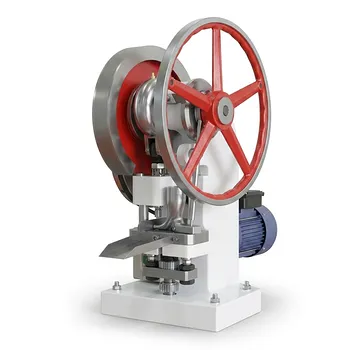
5 Ton Single Punch Tablet Press Laboratory Small Batch Production
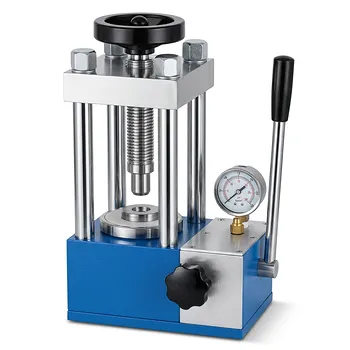
Manual Tablet Press with Dual Scale Pressure Gauge for Pharmaceutical Food Chemical Laboratory Sample Preparation
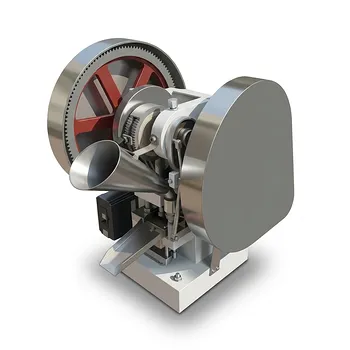
6 Ton Variable Frequency Single Punch Tablet Press
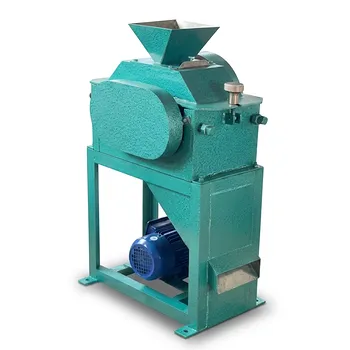
Laboratory Double Roll Crusher for Medium Hardness Materials Coal Ore Sample Preparation
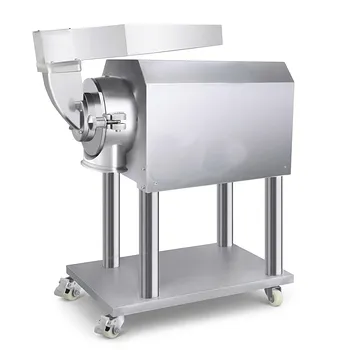
High Speed Small Laboratory Crusher for Dry Material Sample Preparation
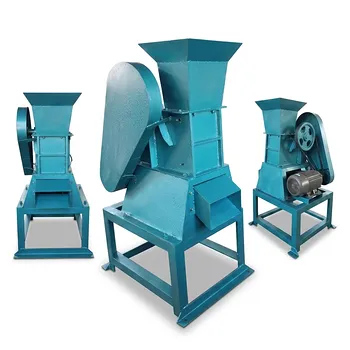
Custom Raised Height Laboratory Jaw Crusher for Precision Sample Preparation in Material Science
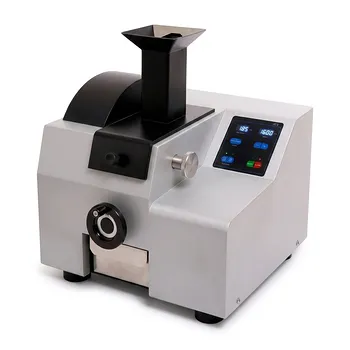
Laboratory Benchtop Jaw Crusher for Hard Brittle Materials Primary Size Reduction and Sample Preparation
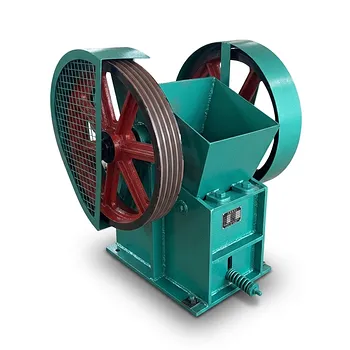
150x250mm Laboratory Jaw Crusher for Medium Hard Material Crushing and Sample Preparation
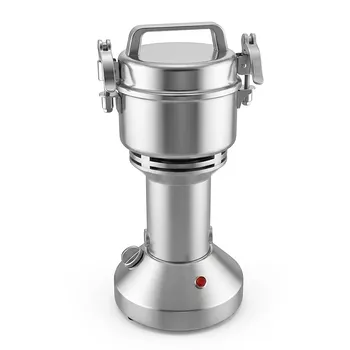
Small High Speed Upright Grinder for Laboratory Sample Preparation
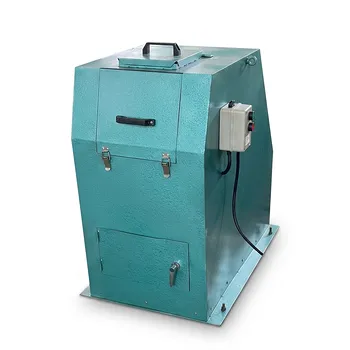
Environmentally Friendly Sealed Laboratory Jaw Crusher for Sample Preparation
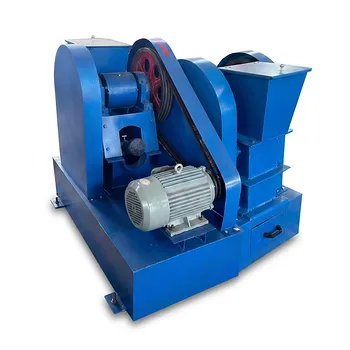
Horizontal Jaw Crusher Medium Hard Material Crushing Laboratory Sample Preparation Equipment
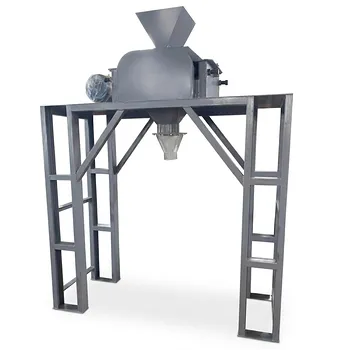
Heightened Customized Laboratory Double Roll Crusher for Coal Ore Rock Crushing
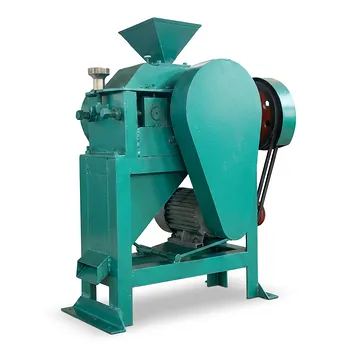
Laboratory Sealed Double Roll Crusher for Coal Ore Rock and Medium Hardness Materials Sample Preparation
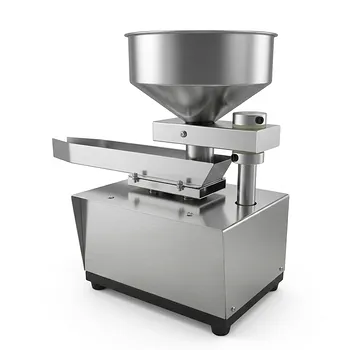
Automatic Vibrating Powder Feeder for Laboratory Material Processing Precision Vibratory Hopper Feeder for Granular and Powder Material Handling Industrial Grade Vibrating Tray Feeder for Consistent Material Sample Preparation
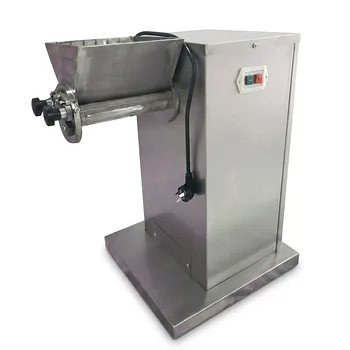
Small Laboratory Oscillating Granulator for Wet and Dry Granulation Processing
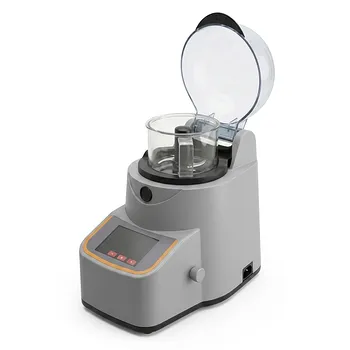
Industrial Knife Mill for Food and Biological Sample Preparation High Speed Laboratory Homogenizer
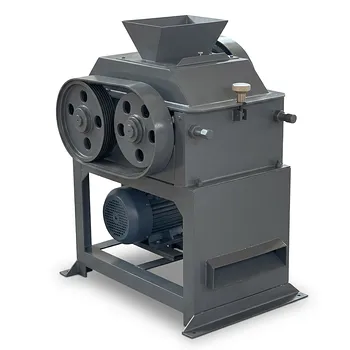
Sealed Laboratory Double Roll Crusher for Coal, Mineral, Ore Sample Preparation
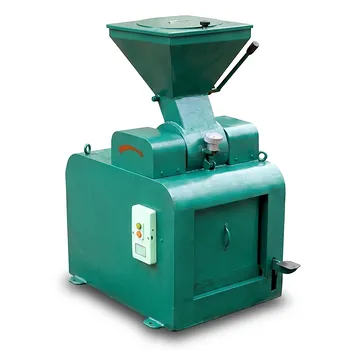
Laboratory Sealed Hammer Crushers for Coal Sample Preparation and Medium Strength Material Crushing