Why is high-energy powder mixing necessary for PCL/CZS? Optimize Nanoparticle Dispersion for 3D Printing Success
Updated 4 months ago
High-energy powder mixing is essential for PCL and CZS composites because it provides the mechanical force necessary to overcome the intense physical attraction between nanoparticles. Calcium Zirconium Silicate (CZS) nanoparticles have an average size of only 26.5 nm, making them highly susceptible to clumping due to van der Waals forces. Without high-intensity shear and impact forces, these agglomerates remain intact, leading to nozzle clogs during 3D printing and inconsistent mechanical strength in the final scaffold.
To achieve a high-performance composite, one must transition from simple blending to high-energy dispersion. This ensures that CZS nanoparticles function as a reinforcing phase rather than structural defects, directly dictating the success of subsequent 3D printing and the biological efficacy of the scaffold.
Overcoming the Nanoscale Agglomeration Barrier
The Challenge of Van der Waals Forces
At a particle size of 26.5 nm, CZS possesses a massive specific surface area, which significantly increases the energy state of the powder. This energy state naturally drives particles to "stick" together into large clusters via van der Waals forces.
Standard mixing equipment lacks the torque and velocity required to disrupt these molecular-level bonds. High-energy equipment, such as planetary ball mills, utilizes centrifugal and impact forces to physically pull these particles apart.
Ensuring 3D Printing Flow Consistency
For Polycaprolactone (PCL) composites intended for 3D printing, rheological consistency is paramount. If CZS particles are not uniformly dispersed, the molten composite will exhibit localized viscosity spikes where agglomerates are present.
These "micro-clumps" lead to nozzle blockages or uneven extrusion rates. Proper dispersion ensures a smooth, predictable flow, which is critical for maintaining the geometric accuracy of the 3D-printed architecture.
Structural and Mechanical Integrity
Preventing Microstructural Defects
Agglomerated particles act as stress concentrators rather than reinforcement. In a PCL matrix, an undispersed CZS clump creates a weak point where cracks can easily initiate and propagate.
High-energy mixing ensures that each nanoparticle is individually coated by the polymer matrix. This creates a homogeneous microstructure, reducing the risk of premature structural failure in the final biomedical scaffold.
Achieving Isotropic Material Properties
To ensure that a scaffold performs reliably in a biological environment, its mechanical and chemical properties must be isotropic (uniform in all directions).
High-precision mixers ensure that the bio-ceramic fillers are distributed evenly throughout the PCL. This uniformity guarantees that the stabilization mechanisms of the CZS—such as osteoconductivity—are present across the entire surface of the implant.
Process Optimization and Efficiency
Accelerating Production Timelines
Traditional low-energy grinding or manual mixing can take 24 hours or more and still fail to achieve true dispersion. High-energy equipment can often reduce this processing time to under one hour.
The intense mechanical action speeds up the coating of particle surfaces with organic binders or the polymer matrix. This efficiency not only saves time but also reduces the window for potential contamination or moisture absorption.
Enhancing Surface Reactivity
High-energy grinding increases the effective surface area of the CZS fillers available for interaction with the PCL. This improved interface leads to better load transfer between the soft polymer and the hard ceramic.
Furthermore, uniform dispersion ensures that the chemical properties of the CZS, such as its interaction with bodily fluids, occur at a predictable and controlled rate across the scaffold.
Understanding the Trade-offs
Heat Generation and Polymer Sensitivity
High-energy mixing generates significant thermal energy due to friction and impact. Since PCL has a relatively low melting point, excessive heat during mixing can cause the polymer to degrade or prematurely soften.
Potential for Media Contamination
When using ball mills or vibratory grinders, there is a risk of wear debris from the mixing media (balls or jars) entering the composite. This is particularly critical for medical-grade materials where purity is non-negotiable.
The Risk of Over-Processing
Applying too much energy for too long can lead to re-agglomeration or "cold welding" of particles. It is essential to calibrate the mixing duration and energy intensity to find the "sweet spot" where dispersion is maximized without damaging the PCL chains.
How to Apply This to Your Project
If your primary focus is 3D printing precision: Use high-precision powder mixers with vacuum defoaming to ensure the absence of air bubbles and clumps that could cause nozzle failures.
If your primary focus is maximum mechanical strength: Prioritize high-energy planetary ball milling to ensure each CZS nanoparticle is fully integrated into the PCL matrix to eliminate stress concentrators.
If your primary focus is rapid prototyping: Utilize high-speed vibratory grinders to significantly shorten the mixing cycle while maintaining a baseline level of dispersion.
Properly dispersed CZS nanoparticles are the key to unlocking the full structural and biological potential of PCL-based composite scaffolds.
Summary Table:
| Feature | Standard Mixing | High-Energy Mixing (e.g., Planetary Ball Mill) |
|---|---|---|
| Particle Dispersion | High agglomeration (van der Waals) | Consistent nanoscale de-agglomeration |
| 3D Printing Flow | Frequent nozzle clogs & spikes | Smooth, predictable extrusion |
| Mechanical Integrity | Structural defects & weak points | Homogeneous, isotropic material strength |
| Processing Time | 24+ hours (low efficiency) | Typically under 1 hour |
| Interface Quality | Poor polymer-ceramic bonding | Maximized surface area & load transfer |
Elevate Your Material Research with Advanced Powder Solutions
Achieving the perfect PCL/CZS composite requires more than just blending—it requires precision engineering. [Your Brand Name] provides complete laboratory sample preparation solutions for material science, specializing in high-performance powder processing and compaction equipment.
Whether you need to eliminate nanoparticle agglomeration using our planetary ball mills, jet mills, or rotor mills, or ensure structural integrity with our Cold/Warm Isostatic Presses (CIP/WIP) and vacuum hot presses, we have the expertise to optimize your workflow. Our extensive product line also includes:
- Crushers: Jaw and roll crushers for primary reduction.
- Grinders: Liquid nitrogen cryogenic grinders for heat-sensitive polymers like PCL.
- Sieve Shakers: Vibratory and air-jet shakers for precise particle size analysis.
- Mixers: High-speed powder and vacuum defoaming mixers for air-free composites.
Don't let poor dispersion compromise your 3D-printed scaffolds. Contact our experts today to find the ideal equipment for your laboratory and accelerate your path to discovery!
References
- Hosein Emadi, Saeid Lotfian. 3D-Printed Polycaprolactone-Based Containing Calcium Zirconium Silicate: Bioactive Scaffold for Accelerating Bone Regeneration. DOI: 10.3390/polym16101389
Mentioned Products
- High Energy Laboratory Planetary Ball Mill for Nano Grinding and Colloidal Mixing of Hard and Brittle Materials
- High Efficiency Vacuum Planetary Centrifugal Mixer and Defoaming Machine for Industrial Material Research and Precise Laboratory Powder Dispersion
- Multi Dimensional Universal Mixer for High Uniformity Powder Blending
- Vertical Production Planetary Ball Mill for High Throughput Powder Processing
- Small High-Speed Laboratory Grinder for Powder Processing
People Also Ask
- What role does a high-energy planetary ball mill play in processing quenched bioactive glass? Achieve Nano-Scale Precision
- What role does a high-energy planetary ball mill play in magnesium-based hydrogen storage alloy preparation?
- What is the primary function of a high-energy planetary ball mill in Ni2MnSn synthesis? Optimize Solid-State Alloying.
- What role does a planetary ball mill play in nano-mineral filler prep? Achieve Sub-100nm Precision & Performance
- What is the role of a high-energy planetary ball mill in Li2ZrO3 and LBS prep? Achieve Superior Electrolyte Density

Tech Team · PowderPreparation
Last updated on Jun 03, 2026
Related Products
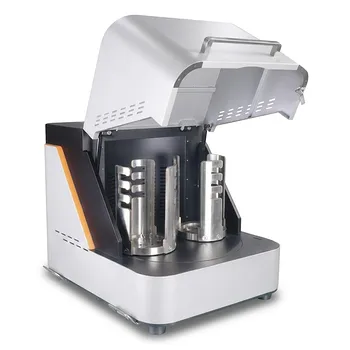
High Energy Laboratory Planetary Ball Mill for Nano Grinding and Colloidal Mixing of Hard and Brittle Materials
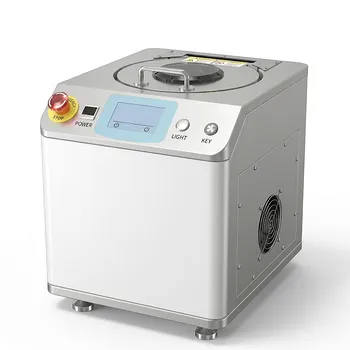
High Efficiency Vacuum Planetary Centrifugal Mixer and Defoaming Machine for Industrial Material Research and Precise Laboratory Powder Dispersion
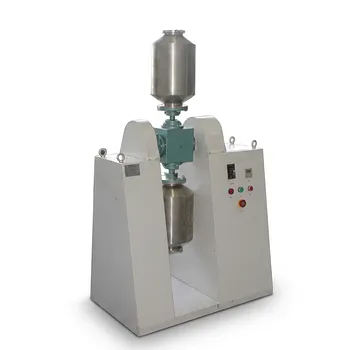
Multi Dimensional Universal Mixer for High Uniformity Powder Blending
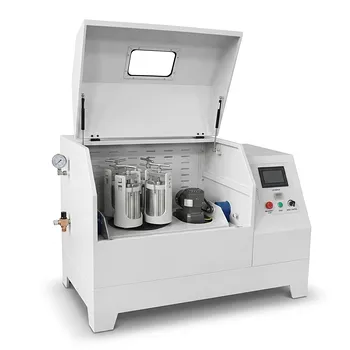
Vertical Production Planetary Ball Mill for High Throughput Powder Processing
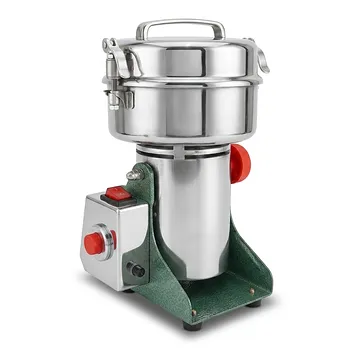
Small High-Speed Laboratory Grinder for Powder Processing
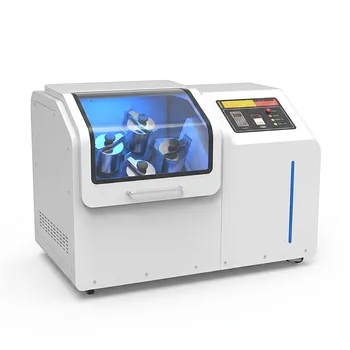
High Energy Omnidirectional Planetary Ball Mill 16L
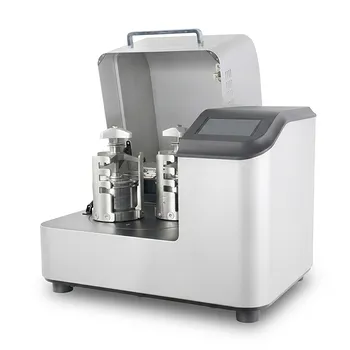
High Energy Planetary Ball Mill for Nano Scale Grinding and Mechanical Alloying
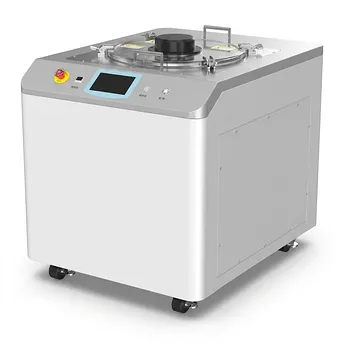
Industrial Planetary Centrifugal Vacuum Defoaming Mixer for High Viscosity Paste and Powder Homogenization
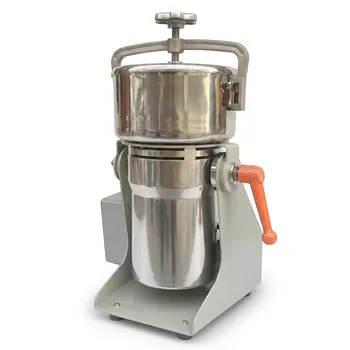
High Speed Laboratory Grinder Efficient Stainless Steel Powder Pulverizer Universal Material Science Mill for Sample Preparation
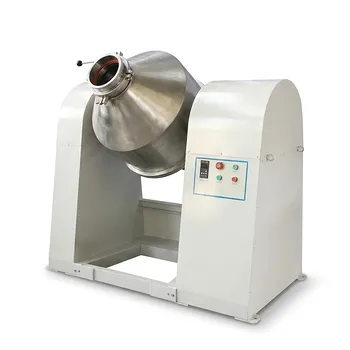
Industrial Double Cone Mixer for Powder Blending and Homogeneous Mixing
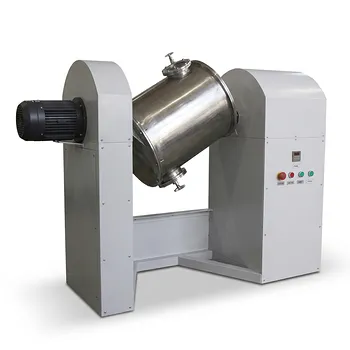
Inclined Mixer for Homogeneous Powder Blending and Grinding
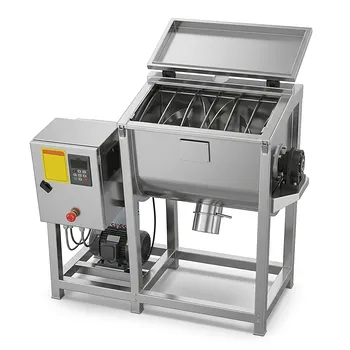
Horizontal Ribbon Mixer for Uniform Powder and Slurry Mixing
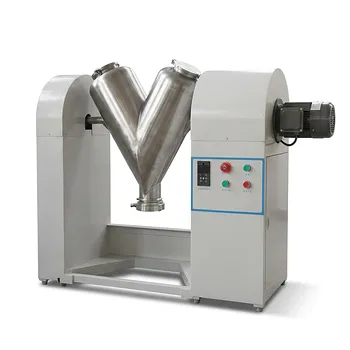
V-Type Powder Mixer for Uniform Blending of Dry Powders and Granules
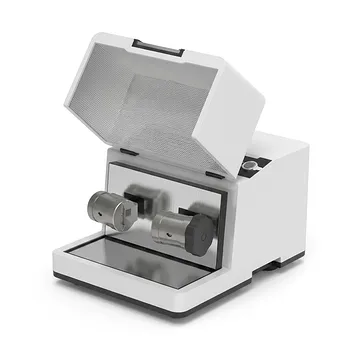
Heating Temperature Controlled High Energy Vibratory Ball Mill
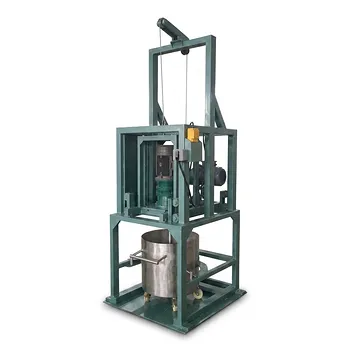
High-Speed Simple Disperser for Efficient Mixing, Dispersion, and Emulsification
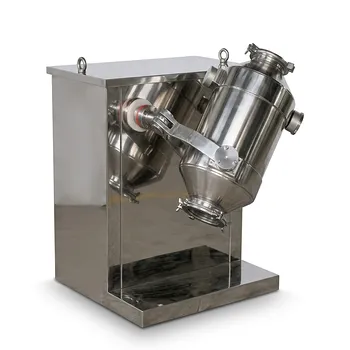
Three-Dimensional Motion Mixer for Laboratory Powder and Granule Blending
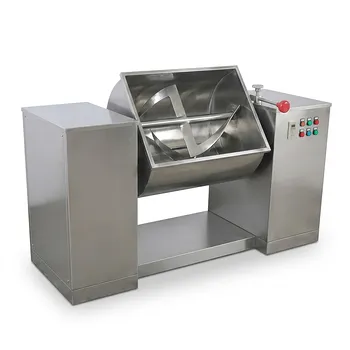
Horizontal Trough Mixer for Uniform Powder and Paste Blending
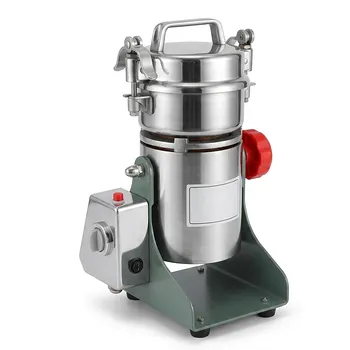
High Speed Swing Type Laboratory Pulverizer for Fine Powder Grinding and Sample Preparation
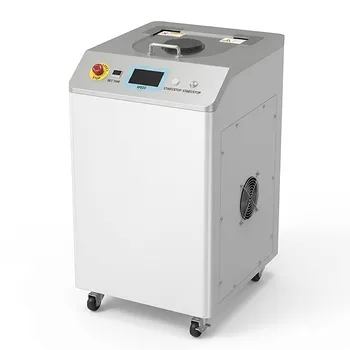
High Viscosity Planetary Centrifugal Vacuum Mixer for Material Defoaming and Uniform Mixing