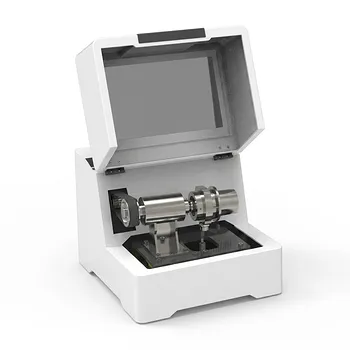
What is the primary function of a high-energy planetary ball mill for flash sintering? Achieve Nanoscale Homogeneity
Updated 5 months ago
The primary function of a high-energy planetary ball mill is to achieve extreme particle size refinement and atomic-level compositional homogeneity. This equipment utilizes intense impact and shear forces to reduce oxide powders to the nanometer scale while ensuring a perfectly uniform distribution of multiple components. This preparation is essential because it maximizes powder reactivity, providing the kinetic foundation required for the rapid phase transformations and solid-solution reactions that define the flash sintering process.
High-energy planetary ball milling transforms coarse raw oxides into highly reactive, nanometric precursors. By ensuring a uniform stoichiometric distribution and high surface area, the process enables the nearly instantaneous densification and phase stability required during the flash sintering window.
Mechanistic Principles of High-Energy Milling
Impact and Shear Forces
High-speed rotation within the mill generates powerful centrifugal forces that drive grinding media into the raw materials. The resulting high-frequency impact and mechanical shear are significantly more energetic than conventional milling, allowing for the breakdown of strong ionic bonds in oxide ceramics.
Micronization to the Nanoscale
The mill reduces coarse raw materials, such as Zirconium Oxide or Magnesium Oxide, down to sub-micron or nanometer scales. This process drastically increases the specific surface area of the powder, which is the primary physical driver for surface-diffusion-led sintering.
Atomic-Level Mixing
For complex materials like high-entropy oxides, the mill ensures a highly uniform stoichiometric distribution of components. By mixing transition metal oxides and rare earth oxides at the microscopic level, the equipment establishes the necessary conditions for single-phase solid-solution formation.
Role in Flash Sintering Dynamics
Increasing Sintering Activity
Flash sintering occurs over a matter of seconds, requiring powders with exceptionally high reaction activity. The mechanical energy stored in the refined, high-surface-area particles during milling allows for reduced reaction temperatures and faster densification.
Facilitating Rapid Phase Transformations
The uniform distribution of doping elements ensures that phase transitions occur simultaneously throughout the entire volume of the ceramic. This prevents localized inconsistencies in electrical performance, which is critical for devices like electrochemical sensors or photovoltaic components.
Optimizing Microstructural Uniformity
By providing a consistent particle size distribution, the mill ensures that the final sintered body has a homogeneous microstructure. This uniformity is vital for achieving the mechanical strength and functional consistency required in advanced oxide-carbide composites.
Understanding the Trade-offs
Media Wear and Contamination
The high energy levels required to refine hard oxides can lead to significant wear on the grinding jars and balls. This wear can introduce unintended impurities, such as Alumina or Zirconia from the milling media, into the ceramic powder.
Heat Generation and Agglomeration
Extended milling durations, often ranging from 4 to 6 hours, generate substantial heat within the milling chamber. If not managed properly, this heat can cause powder agglomeration or premature solid-state reactions, which may negatively impact the flowability and reactivity of the precursor.
Applying This to Your Material Preparation
Achieving success in flash sintering requires aligning your milling parameters with your specific material objectives.
- If your primary focus is rapid solid-solution formation: Utilize longer milling durations to ensure atomic-level distribution of all multi-component precursors before the sintering stage.
- If your primary focus is maximizing densification speed: Prioritize the highest rotation speeds to achieve the smallest possible nanometer-scale particle size and maximum surface energy.
- If your primary focus is high chemical purity: Use grinding media and jars composed of the same material as your primary oxide matrix to eliminate the risk of foreign contamination.
Properly executed high-energy milling ensures that your oxide powders possess the reactivity and homogeneity necessary to withstand and benefit from the extreme conditions of flash sintering.
Summary Table:
| Primary Function | Key Mechanism | Benefit for Flash Sintering |
|---|---|---|
| Micronization | High-frequency impact & shear | Increases surface area to drive rapid densification |
| Atomic Mixing | Stoichiometric distribution | Ensures uniform phase transformation and performance |
| Activation | Mechanical energy storage | Lowers reaction temperatures and boosts sintering activity |
Elevate Your Material Science Research with Precision Powder Solutions
Success in flash sintering starts with a perfect precursor. [Brand Name] provides complete laboratory sample preparation solutions tailored for advanced material science. We specialize in high-performance powder processing and compaction equipment designed to meet the rigorous demands of oxide ceramic research.
Our extensive product line includes:
- Advanced Milling: High-energy planetary ball mills, jet mills, cryogenic grinders, and rotor mills for achieving nanometer-scale refinement.
- Size Reduction & Sizing: Jaw/roll crushers and vibratory/air-jet sieve shakers for precise particle size control.
- Homogenization: Powder mixers and defoaming mixers to ensure stoichiometric consistency.
- Precision Compaction: A full spectrum of hydraulic presses, including Cold/Warm Isostatic Presses (CIP/WIP), XRF pellet presses, and Vacuum Hot Presses.
Ready to optimize your powder reactivity and microstructural uniformity? Contact our technical experts today to find the ideal equipment for your laboratory workflow!
References
- Jinling Liu, Yiguang Wang. Research Progress on the Flash Sintering Mechanism of Oxide Ceramics and Its Application. DOI: 10.15541/jim20210513
Mentioned Products
- High Energy Planetary Ball Mill for Nano Scale Grinding and Mechanical Alloying
- High Energy Laboratory Planetary Ball Mill for Nano Grinding and Colloidal Mixing of Hard and Brittle Materials
- High Energy Planetary Ball Mill for Nano Scale Grinding and Colloidal Mixing in Material Science Research
- High Energy Omnidirectional Planetary Ball Mill 16L
- High Energy Laboratory Planetary Ball Mill for Nano Grinding and Material Science Sample Preparation
People Also Ask
- Why is a high-energy planetary ball mill used for nano-milling As4Se3? Achieve Expert Structural Transformation
- What role do high-energy planetary ball mills play in FDM composite filament preparation? Optimize Material Performance
- What is the role of a high-energy planetary ball mill in the exfoliation of modified WSe2? Achieve Nano-Precision
- What is the function of a planetary ball mill in glass-ceramic sintering? Optimize Reactivity and Uniformity
- What is the role of a high-energy planetary ball mill in the preparation of high-performance nano-ceramics? Key Guide

Tech Team · PowderPreparation
Last updated on May 14, 2026
Related Products

High Energy Planetary Ball Mill for Nano Scale Grinding and Mechanical Alloying
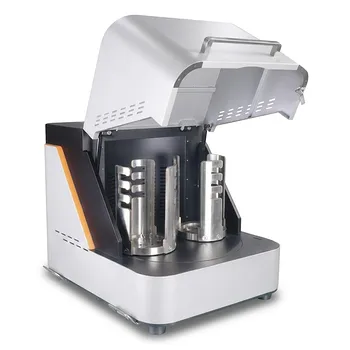
High Energy Laboratory Planetary Ball Mill for Nano Grinding and Colloidal Mixing of Hard and Brittle Materials
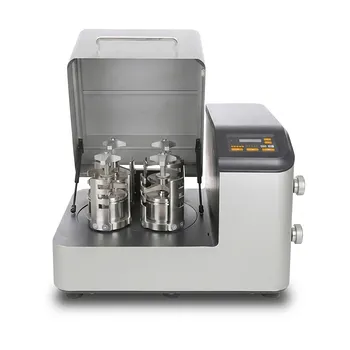
High Energy Planetary Ball Mill for Nano Scale Grinding and Colloidal Mixing in Material Science Research
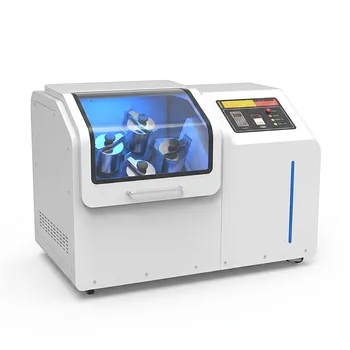
High Energy Omnidirectional Planetary Ball Mill 16L
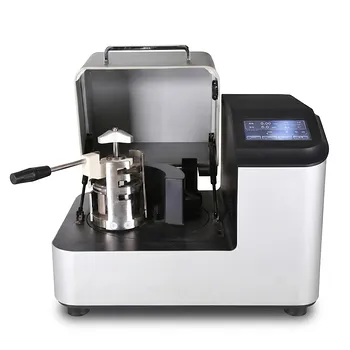
High Energy Laboratory Planetary Ball Mill for Nano Grinding and Material Science Sample Preparation
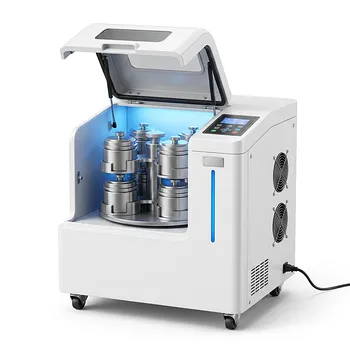
High Energy Omnidirectional Planetary Ball Mill 20L
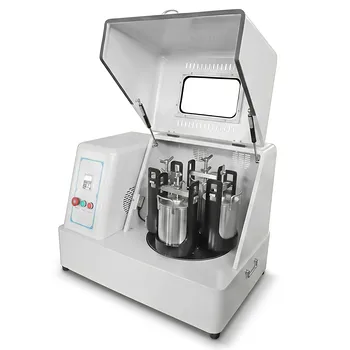
Vertical Square Planetary Ball Mill for Laboratory Sample Preparation and Nanoscale Grinding
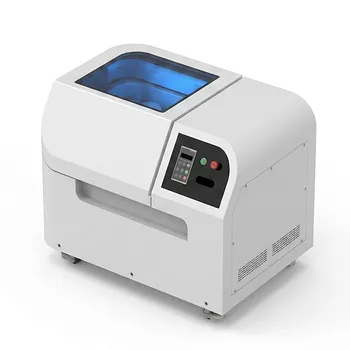
8L Planetary Ball Mill for Laboratory Grinding and Sample Preparation
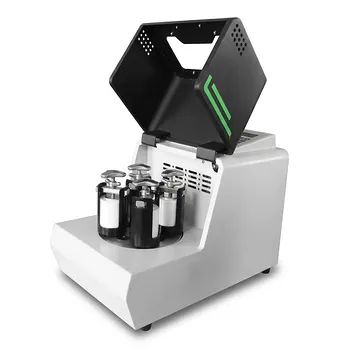
Miniature Planetary Ball Mill with Vacuum Grinding and High Efficiency for Laboratory Sample Preparation
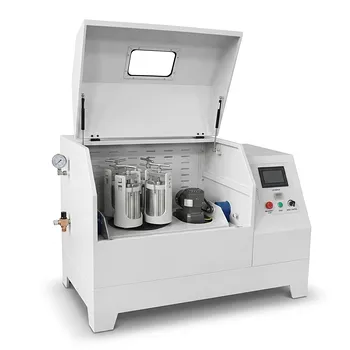
Vertical Production Planetary Ball Mill for High Throughput Powder Processing
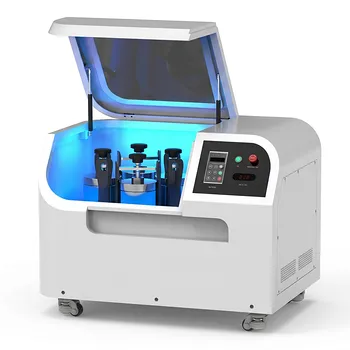
Planetary Ball Mill 12L
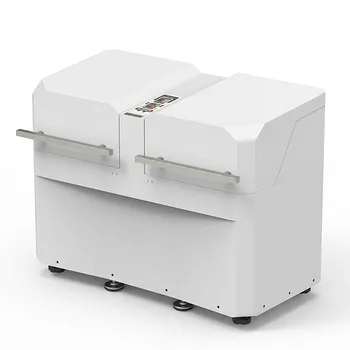
Dual Station Planetary Ball Mill 24L
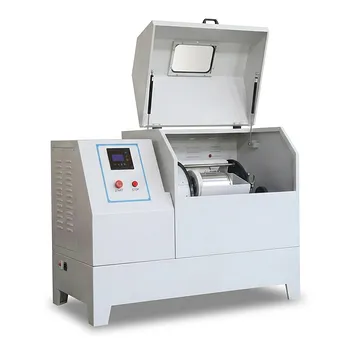
Heavy Duty Horizontal Planetary Ball Mill for Efficient Industrial Grinding and Sample Preparation
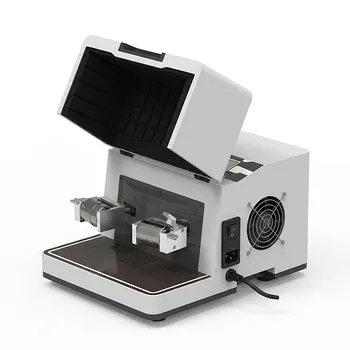
High Energy Hybrid Vibratory Ball Mill for Grinding Mixing and Cell Disruption
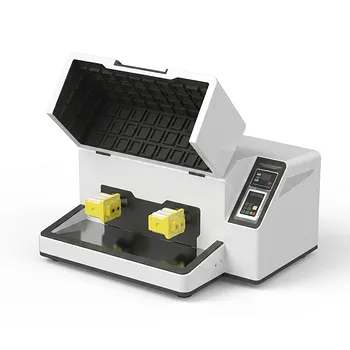
Multi-Platform Nanoscale High-Energy Vibratory Ball Mill
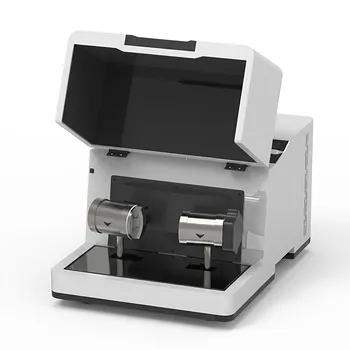
Ultra-Low Temperature Cryogenic High-Energy Vibratory Ball Mill
Nanoscale High-Energy Vibratory Ball Mill for Laboratory Sample Preparation, Mechanochemistry, and Mechanical Alloying

Nano High Energy Vibratory Ball Mill with Heating and Temperature Control
Vertical Semi Circular Planetary Ball Mill for Laboratory Precision Grinding