Why is centrifugal defoaming necessary for magnetic composite inks? Ensure Void-Free Extrusion for 3D Printing
Updated 3 months ago
Centrifugal defoaming is a critical processing step for magnetic composite inks because it eliminates microscopic air bubbles that cause filament breakage and extrusion irregularities during the printing process. Without this step, trapped air creates internal voids that compromise the geometric precision of magnetic voxels, the mechanical strength of the component, and the stability of its electromagnetic properties.
Centrifugal defoaming ensures that magnetic composite inks achieve the structural density required for high-precision 3D printing. By removing micro-bubbles introduced during both mixing and syringe loading, the process guarantees a continuous, void-free material flow essential for functional performance.
The Physical Necessity of Defoaming
The Introduction of Micro-bubbles during Mixing
During the formulation of magnetic composite inks, high-speed mixing and ultrasonic dispersion inevitably trap air within the high-viscosity matrix. These micro-bubbles are often too small to rise naturally to the surface and remain suspended due to the ink's resistance to flow.
Why Transfer Triggers New Aeration
The process of transferring ink into a printing syringe is a high-risk stage for re-introducing air. Manual loading or pressure-filling often traps pockets of air between the ink and the syringe wall, necessitating a second defoaming cycle to ensure the syringe volume is perfectly dense.
The Role of Centrifugal and Shear Forces
Industrial centrifugal mixers use a combination of revolution and rotation to generate intense force fields. This process drives heavier ink particles outward while forcing lighter air bubbles toward the surface, where they rupture and disappear, often aided by a vacuum environment.
Impact on Direct Ink Writing (DIW)
Preventing Filament Breakage
In Direct Ink Writing, the continuity of the extruded filament is paramount for structural integrity. Even a single micro-bubble can cause a "sputtering" effect or a complete break in the filament, leading to catastrophic failure in the printed geometry.
Maintaining Geometric and Voxel Precision
Magnetic components rely on the precise placement of "voxels" (3D pixels) to function. Air bubbles cause uneven extrusion volumes, which distort the intended shape and degrade the geometric accuracy required for magnetic soft active materials.
Ensuring Electromagnetic Stability
For functional metamaterials, internal voids act as defects that disrupt the continuity of the conductive network. Thorough defoaming ensures the final cured structure has the uniform density needed to maintain stable electromagnetic parameters and predictable mechanical behavior.
Understanding the Trade-offs
Heat Generation and Material Sensitivity
The intense friction generated during high-speed centrifugal cycles can lead to significant temperature increases. In some chemically sensitive magnetic inks, this heat may trigger premature curing or alter the viscosity of the polymer matrix if not carefully monitored.
Risk of Material Stratification
While centrifugal force removes air, excessive force or duration can cause sedimentation. If the magnetic fillers are significantly denser than the base resin, prolonged spinning may cause the particles to settle at the bottom, resulting in a non-homogeneous ink that prints inconsistently.
Applying Defoaming to Your Workflow
Optimizing Your Printing Preparation
Successful 3D printing of magnetic composites requires a balanced approach to ink degassing and loading.
- If your primary focus is structural strength: Prioritize high-vacuum centrifugal defoaming to eliminate internal pores that act as stress concentrators in the cured part.
- If your primary focus is magnetic precision: Perform a secondary "post-transfer" centrifugal spin once the ink is in the syringe to ensure the extrusion pressure remains constant.
- If your primary focus is heat-sensitive resins: Utilize shorter, pulsed defoaming cycles or chilled holders to prevent the ink from reaching its thermal activation point.
Mastering the defoaming process is the definitive bridge between a raw chemical mixture and a functional, high-performance magnetic device.
Summary Table:
| Printing Challenge | Impact of Air Bubbles | Benefit of Centrifugal Defoaming |
|---|---|---|
| Extrusion Flow | Filament breakage and "sputtering" | Continuous, stable material flow |
| Structural Integrity | Internal voids and stress points | Maximum density and mechanical strength |
| Functional Accuracy | Distorted voxels/geometric errors | Precise placement and uniform volume |
| Electromagnetic Stability | Disrupted conductive networks | Stable and predictable magnetic properties |
Elevate Your Material Precision with Professional Defoaming Solutions
Achieving the perfect, void-free consistency in magnetic composite inks is critical for high-performance functional materials. At our core, we provide complete laboratory sample preparation solutions for material science, specializing in state-of-the-art powder processing and compaction equipment.
Whether you are dealing with high-viscosity resins or sensitive magnetic fillers, our extensive product line—including centrifugal defoaming mixers, planetary ball mills, jet mills, and vacuum hot presses—is designed to eliminate microscopic defects and ensure material homogeneity. We help researchers and manufacturers optimize their Direct Ink Writing (DIW) workflows for superior results.
Ready to enhance your 3D printing success? Contact our technical team today to find the ideal equipment for your laboratory needs and ensure your materials meet the highest standards of excellence.
References
- Shuai Wu, Ruike Renee Zhao. Evolutionary Algorithm‐Guided Voxel‐Encoding Printing of Functional Hard‐Magnetic Soft Active Materials. DOI: 10.1002/aisy.202000060
Mentioned Products
- Industrial Planetary Centrifugal Vacuum Defoaming Mixer for High Viscosity Paste and Powder Homogenization
- Industrial Planetary Centrifugal Vacuum Defoaming Mixer for High Viscosity Paste and Advanced Material Science
- Dual Cup Vacuum Centrifugal Mixer Planetary Paste Defoaming Machine Industrial Material Processor
- High Viscosity Planetary Centrifugal Vacuum Mixer for Material Defoaming and Uniform Mixing
- High Efficiency Vacuum Planetary Centrifugal Mixer and Defoaming Machine for Industrial Material Research and Precise Laboratory Powder Dispersion
People Also Ask
- What are the advantages of planetary centrifugal mixers for LSM-CeO2 slurries? Superior Results
- Why is a planetary centrifugal defoaming mixer essential in battery slurry? Achieve High Homogeneity & Degassing
- What process advantages do planetary gravity mixers provide for r-GO/RuO2 electrodes? Achieve Superior Nanoscale Dispersion
- What is the function of industrial planetary centrifugal mixers in 3D printing inks? Achieve Perfect Homogenization
- What are the primary advantages of planetary centrifugal mixers? Master Bladeless Mixing & Vacuum Defoaming

Tech Team · PowderPreparation
Last updated on Jun 03, 2026
Related Products
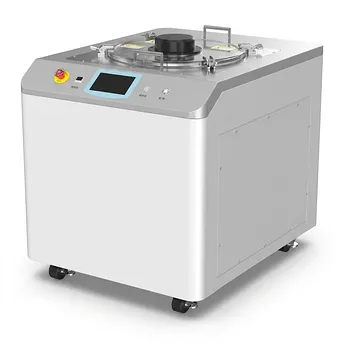
Industrial Planetary Centrifugal Vacuum Defoaming Mixer for High Viscosity Paste and Powder Homogenization
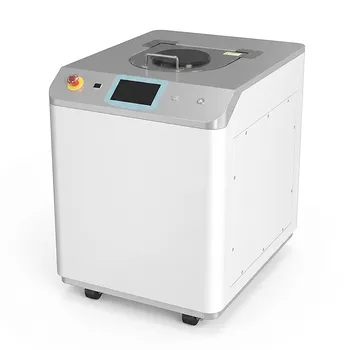
Industrial Planetary Centrifugal Vacuum Defoaming Mixer for High Viscosity Paste and Advanced Material Science
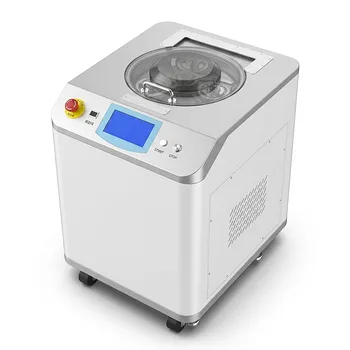
Dual Cup Vacuum Centrifugal Mixer Planetary Paste Defoaming Machine Industrial Material Processor
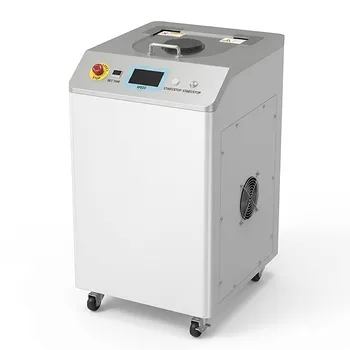
High Viscosity Planetary Centrifugal Vacuum Mixer for Material Defoaming and Uniform Mixing
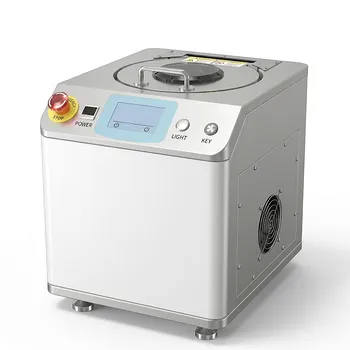
High Efficiency Vacuum Planetary Centrifugal Mixer and Defoaming Machine for Industrial Material Research and Precise Laboratory Powder Dispersion
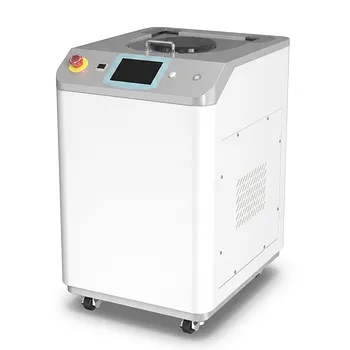
High Viscosity Planetary Centrifugal Mixing and Vacuum Defoaming Machine for Laboratory Material Preparation
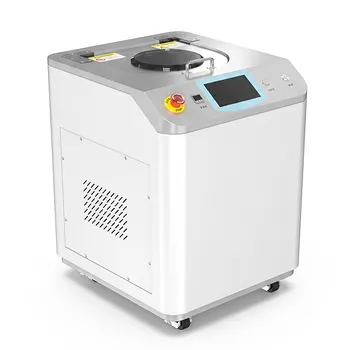
High Speed Vacuum Planetary Centrifugal Mixer and Defoamer for Industrial Paste Processing
非介入式材料均质机真空脱泡行星搅拌高粘度混合设备
Ultra Centrifugal Mill High Speed Laboratory Grinder for Fibrous and Brittle Sample Preparation
Ultra Centrifugal Mill for Rapid Laboratory Sample Preparation and Fine Powder Grinding
Inclined Mixer for Homogeneous Powder Blending and Grinding
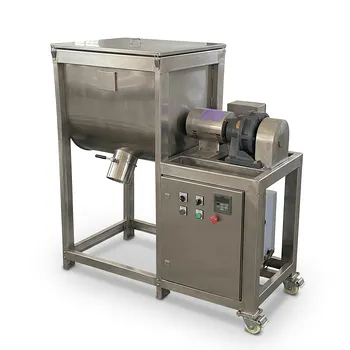
Horizontal Ribbon Mixer for Dry Powder and Slurry Blending
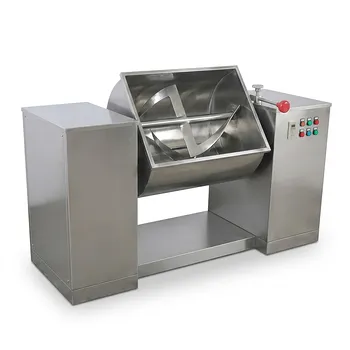
Horizontal Trough Mixer for Uniform Powder and Paste Blending
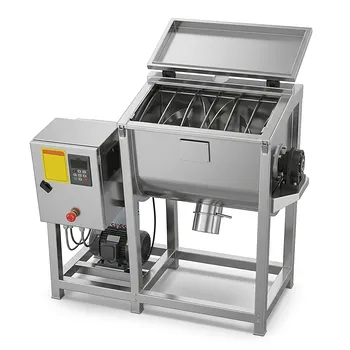
Horizontal Ribbon Mixer for Uniform Powder and Slurry Mixing
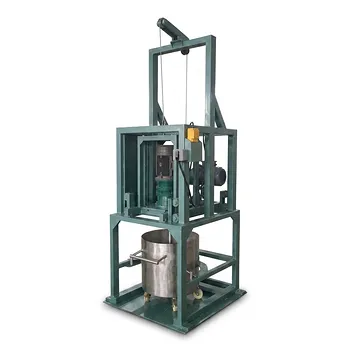
High-Speed Simple Disperser for Efficient Mixing, Dispersion, and Emulsification
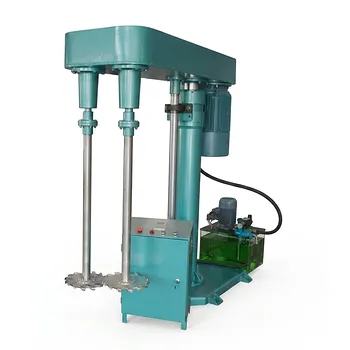
Hydraulic Double Shaft Disperser for High Viscosity Liquid Mixing and Dispersion
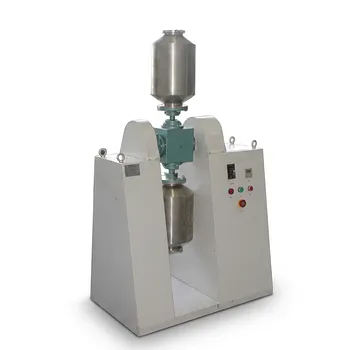
Multi Dimensional Universal Mixer for High Uniformity Powder Blending
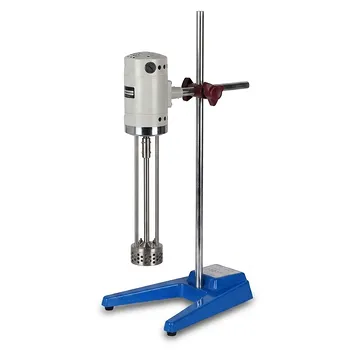
High Shear Laboratory Emulsifier for Mixing and Homogenization
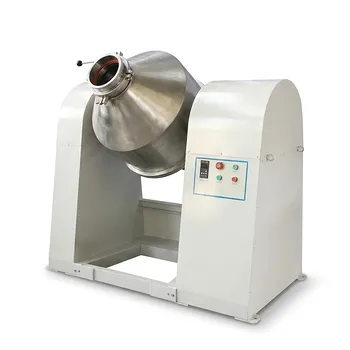
Industrial Double Cone Mixer for Powder Blending and Homogeneous Mixing