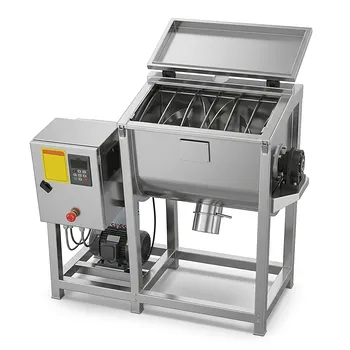
What are the primary advantages of planetary centrifugal mixers? Master Bladeless Mixing & Vacuum Defoaming
Updated 5 months ago
The primary advantages of planetary centrifugal mixers lie in their bladeless, non-contact design and simultaneous degassing capabilities. By utilizing synchronized revolution and rotation of the material container, these mixers generate intense centrifugal and shear forces that homogenize high-viscosity fluids without the physical interference or contamination risks associated with traditional impeller blades.
Core Takeaway: Planetary centrifugal mixers solve the "dead zone" and contamination issues of traditional stirring by fluidizing the entire material volume through container motion. This enables the rapid, uniform dispersion of high-filler materials while simultaneously removing microscopic air bubbles that compromise product integrity.
Advanced Mixing Dynamics Without Mechanical Contact
The Power of Revolution and Rotation
Unlike traditional mixers that drive a paddle through a stationary fluid, these systems move the entire container. The combined centrifugal force, Coriolis force, and pressure gradients create multi-scale vortex fields that fluidize even the most stubborn, high-viscosity materials.
Elimination of Mixing Dead Zones
Traditional impellers often suffer from "dead zones" near the container walls or at the center of the blade where material remains stagnant. Because the planetary motion acts on every molecule within the vessel, it ensures absolute homogenization regardless of the fluid's resistance to flow.
Reduced Processing Time
By applying high-intensity shear forces throughout the entire volume simultaneously, these mixers often achieve in minutes what takes hours for traditional stirring. This efficiency is particularly vital when working with high-concentration Hyaluronic Acid (HA) or dense electronic pastes.
Maintaining Material Purity and Integrity
Prevention of Cross-Contamination
Traditional metal or plastic impellers are subject to mechanical wear, which can shed microscopic particles into the batch. The bladeless design eliminates this risk, making it the gold standard for high-purity electronic adhesives and pharmaceutical coatings.
Handling Sensitive and High-Filler Systems
For systems with filler loading exceeding 80 vol%, traditional blades often seize or cause localized overheating. Planetary mixers effectively break down agglomerates of micron-scale fillers, such as aluminum nitride, without damaging the delicate structure of the base material.
Simplified Maintenance and Cleaning
Cleaning mechanical paddles is time-consuming and prone to human error, which can lead to batch-to-batch contamination. Because the material only touches the disposable or easy-to-clean container, the risk of cross-contamination is virtually eliminated.
Simultaneous Mixing and Defoaming
Rapid Removal of Microscopic Bubbles
High-viscosity fluids naturally trap air, which can cause structural defects in cured products. The high-pressure centrifugal environment—often combined with a vacuum—removes micron-sized bubbles during the mixing cycle itself.
Improving Product Performance
Eliminating micro-voids is critical for precision applications. In battery production, this increases the effective contact area at the electrode-electrolyte interface; in electronics, it significantly enhances thermal conductivity efficiency.
Preventing Air Re-entrainment
Traditional stirring often introduces new air into the mixture through the vortex created by the spinning blade. A planetary centrifugal vacuum mixer provides a sealed environment that ensures the material remains gas-free from start to finish.
Understanding the Trade-offs
Thermal Management Challenges
The intense kinetic energy used to mix high-viscosity fluids can generate significant internal friction heat. Because there is no internal cooling on a blade, users must carefully monitor cycle times to prevent the degradation of heat-sensitive materials.
Scaling and Volume Constraints
While highly effective for high-value, high-precision batches, planetary mixers often have lower volume capacities compared to industrial-scale stirred tanks. They are generally optimized for precision and quality rather than massive bulk throughput.
Making the Right Choice for Your Goal
When deciding between a planetary centrifugal mixer and a traditional impeller system, consider the specific requirements of your final product.
- If your primary focus is High Purity or Electronic Grade Materials: Choose a planetary centrifugal mixer to eliminate contamination from blade wear and ensure zero-void conductivity.
- If your primary focus is Processing High-Filler Composites: Utilize planetary motion to achieve uniform dispersion in systems with over 80% solids where traditional blades would stall.
- If your primary focus is Biologics or Shear-Sensitive Solutions: Leverage the non-contact design to minimize physical damage to delicate molecular structures while maintaining sterility.
- If your primary focus is High-Volume, Low-Cost Bulk Fluid: A traditional impeller mixer may remain the more cost-effective solution if air entrainment and minor contamination are not critical concerns.
By removing the physical barrier of the mixing blade, planetary centrifugal technology provides a cleaner, faster, and more consistent path to homogenizing the world's most challenging materials.
Summary Table:
| Feature | Planetary Centrifugal Mixer | Traditional Impeller Mixer |
|---|---|---|
| Mixing Mechanism | Bladeless (Revolution & Rotation) | Mechanical Paddle/Blade |
| Contamination Risk | Zero (Non-contact design) | High (Mechanical wear/shedding) |
| Air Removal | Simultaneous Vacuum Defoaming | Often introduces air/bubbles |
| Dead Zones | None (Entire volume fluidized) | Common (Near walls and shaft) |
| Cleaning | Minimal (Uses containers) | High (Requires blade scrubbing) |
| Material Integrity | Preserves delicate structures | High shear can damage fillers |
Elevate Your Material Research with Precision Mixing Solutions
At [Your Brand Name], we provide complete laboratory sample preparation solutions tailored for advanced material science. We specialize in high-performance powder processing and compaction equipment, ensuring your high-viscosity fluids and powders achieve absolute homogeneity and purity.
Our extensive product line includes:
- Mixing & Defoaming: Advanced planetary centrifugal mixers and vacuum defoaming mixers for air-free, high-filler dispersion.
- Milling & Grinding: High-energy planetary ball mills, jet mills, and liquid nitrogen cryogenic grinders.
- Compaction Technology: A full spectrum of hydraulic presses, including Cold/Warm Isostatic Presses (CIP/WIP), standard lab presses, and vacuum hot presses.
- Sizing & Preparation: Vibratory sieve shakers, jaw/roll crushers, and powder mixers.
Ready to eliminate mixing dead zones and contamination in your lab? Contact our technical experts today to discuss your application and discover how our specialized equipment can optimize your production workflow!
References
- Yoshiyuki Komoda, Naoto Ohmura. Estimation of mean shear rate in a vessel of a planetary centrifugal mixer based on the heat balance equation. DOI: 10.1016/j.cherd.2024.01.006
Mentioned Products
- High Viscosity Planetary Centrifugal Vacuum Mixer for Material Defoaming and Uniform Mixing
- High Efficiency Vacuum Planetary Centrifugal Mixer and Defoaming Machine for Industrial Material Research and Precise Laboratory Powder Dispersion
- Industrial Planetary Centrifugal Vacuum Defoaming Mixer for High Viscosity Paste and Powder Homogenization
- High Viscosity Planetary Centrifugal Mixing and Vacuum Defoaming Machine for Laboratory Material Preparation
- High Speed Vacuum Planetary Centrifugal Mixer and Defoamer for Industrial Paste Processing
People Also Ask
- What core functions does a planetary centrifugal mixer perform? Optimize Hard Carbon Anode Slurry & Degassing
- Why is a planetary centrifugal mixer recommended for geopolymer slurries? Achieve high-shear, air-free homogenization.
- Why is a planetary centrifugal mixer utilized for wood powder and HPMC? Achieve uniform dispersion & rapid defoaming.
- How does a planetary centrifugal mixer address key challenges in Tyr-CDs@EVA optical films? Ensure Optical Clarity.
- What is the role of a planetary centrifugal mixer in UHTC slurry preparation? Achieve Void-Free, High-Viscosity Mixing

Tech Team · PowderPreparation
Last updated on May 14, 2026
Related Products
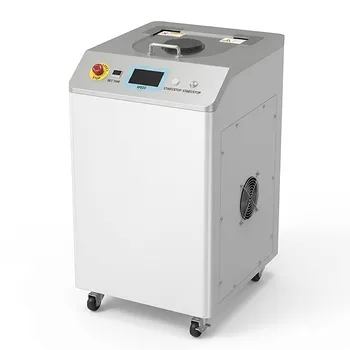
High Viscosity Planetary Centrifugal Vacuum Mixer for Material Defoaming and Uniform Mixing
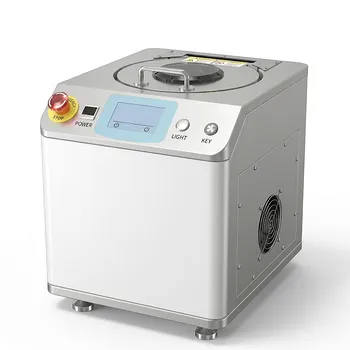
High Efficiency Vacuum Planetary Centrifugal Mixer and Defoaming Machine for Industrial Material Research and Precise Laboratory Powder Dispersion
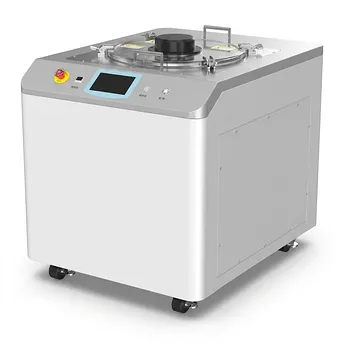
Industrial Planetary Centrifugal Vacuum Defoaming Mixer for High Viscosity Paste and Powder Homogenization
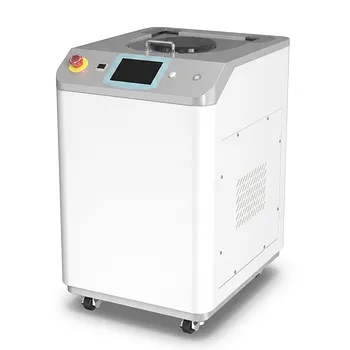
High Viscosity Planetary Centrifugal Mixing and Vacuum Defoaming Machine for Laboratory Material Preparation
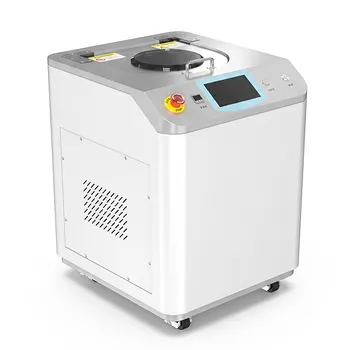
High Speed Vacuum Planetary Centrifugal Mixer and Defoamer for Industrial Paste Processing
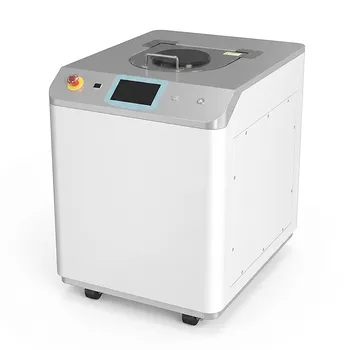
Industrial Planetary Centrifugal Vacuum Defoaming Mixer for High Viscosity Paste and Advanced Material Science
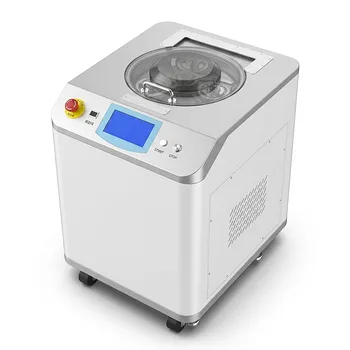
Dual Cup Vacuum Centrifugal Mixer Planetary Paste Defoaming Machine Industrial Material Processor
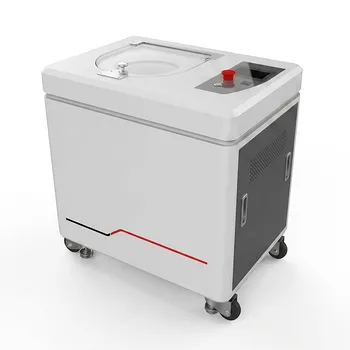
非介入式材料均质机真空脱泡行星搅拌高粘度混合设备
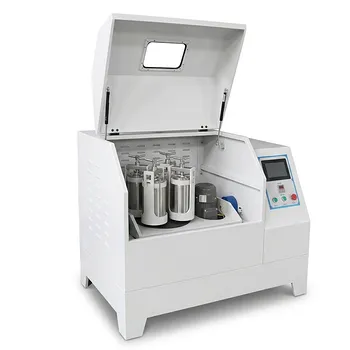
360° Rotating Omnidirectional Laboratory Planetary Ball Mill for Homogeneous Ultra-Fine Grinding and Mixing
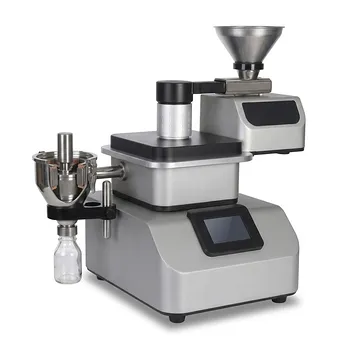
Ultra Centrifugal Mill for Rapid Laboratory Sample Preparation and Fine Powder Grinding
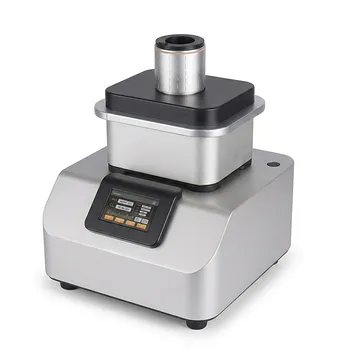
Ultra Centrifugal Mill High Speed Laboratory Grinder for Fibrous and Brittle Sample Preparation
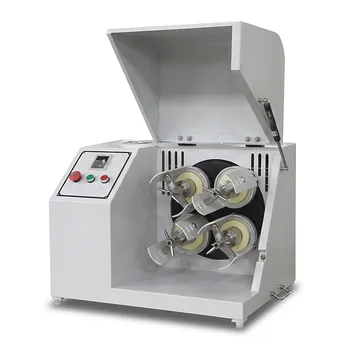
Horizontal Light Duty Planetary Ball Mill for Laboratory Sample Preparation
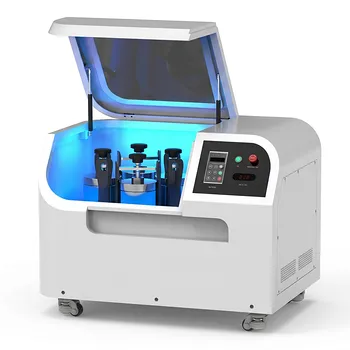
Planetary Ball Mill 12L
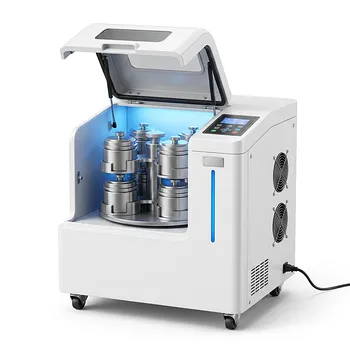
High Energy Omnidirectional Planetary Ball Mill 20L
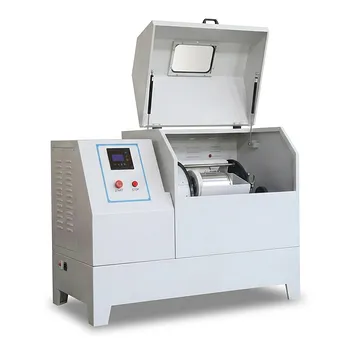
Heavy Duty Horizontal Planetary Ball Mill for Efficient Industrial Grinding and Sample Preparation
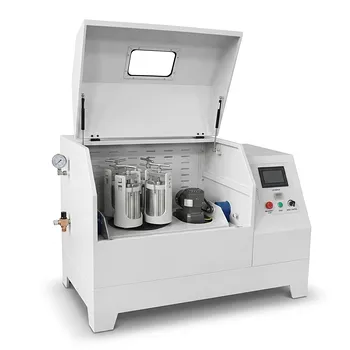
Vertical Production Planetary Ball Mill for High Throughput Powder Processing
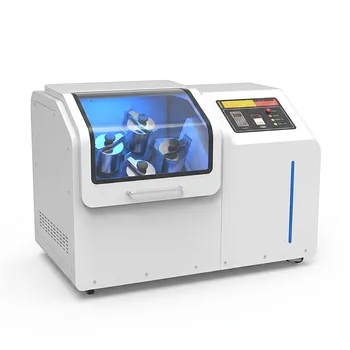
High Energy Omnidirectional Planetary Ball Mill 16L
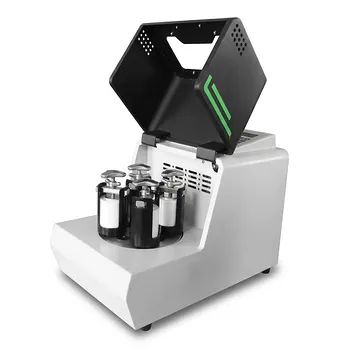
Miniature Planetary Ball Mill with Vacuum Grinding and High Efficiency for Laboratory Sample Preparation
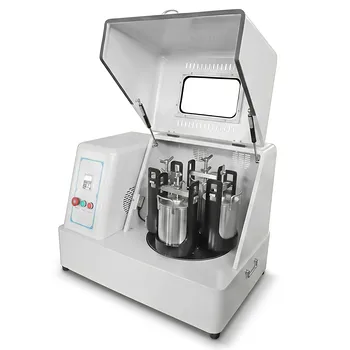
Vertical Square Planetary Ball Mill for Laboratory Sample Preparation and Nanoscale Grinding