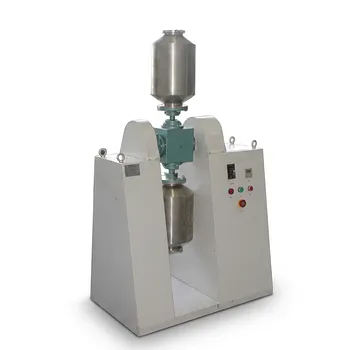
What is the function of industrial planetary centrifugal mixers in 3D printing inks? Achieve Perfect Homogenization
Updated 4 months ago
Industrial planetary centrifugal mixers are essential for achieving molecular-level homogenization and the complete removal of air bubbles in high-viscosity 3D printing inks. By utilizing simultaneous rotation and revolution, these machines generate powerful centrifugal and shear forces that disperse dense particles and additives uniformly throughout a matrix. This dual-action process ensures the ink maintains consistent rheological properties, which is critical for stable extrusion and defect-free final parts.
Industrial planetary centrifugal mixers solve the dual challenge of dispersing dissimilar materials and eliminating micro-bubbles in high-viscosity resins. This ensures that multi-material inks achieve the chemical homogeneity and physical structural integrity required for precise 3D printing.
Achieving Molecular-Level Homogeneity
Dispersion of High-Density Additives
Industrial planetary centrifugal mixers excel at incorporating high-density particles, such as barium sulfate, stainless steel, or thermoelectric powders, into viscous matrices. The simultaneous rotation and revolution movements create a high-energy environment that breaks down particle agglomerates. This results in a sub-micron level uniform dispersion that is nearly impossible to achieve with manual or blade-based mixing.
Managing High-Viscosity Components
These mixers are specifically designed to handle "thick" materials like silicone elastomers, PDMS prepolymers, and ceramic suspensions. The composite shear forces allow for the rapid integration of catalysts, thixotropic agents, and photoinitiators into the base resin. This capability is vital for creating compositional gradients and ensuring the ink behaves predictably during the printing process.
The Critical Role of De-foaming
Eliminating Extrusion Interruptions
One of the primary functions of these mixers is the effective removal of micro-bubbles that are naturally introduced during the loading of raw materials. In processes like Direct Ink Writing (DIW), even a single air pocket can cause a "line break" or a "spit" during extrusion. Removing these bubbles ensures the continuity of printed filaments and prevents structural failures in the finished object.
Improving Final Part Density
Air bubbles trapped in the ink act as internal defects that can compromise the mechanical strength and density of a part, especially after sintering. By performing a thorough de-foaming cycle, the mixer ensures that the walls of porous structures remain solid and that optical path propagation is not hindered in light-based printing methods.
Maintaining Material Purity and Integrity
The Benefits of Non-Contact Mixing
Unlike traditional mixers, planetary centrifugal systems operate without stirring blades. This "non-contact" method eliminates the risk of cross-contamination from previous batches and prevents the introduction of wear-particles from the mixing tool itself.
Preserving Precise Chemical Ratios
Because the mixing occurs in a sealed container without external paddles, there is no material loss due to "dead zones" or residue sticking to a blade. This ensures that precise chemical ratios—especially for catalysts and photoinitiators—are maintained from the laboratory scale to industrial production.
Understanding the Trade-offs
High Energy and Heat Generation
The high-speed rotation required to mix viscous inks generates significant kinetic energy, which can manifest as heat. If the mixing duration is too long, the temperature rise may trigger premature curing in thermoset resins or degrade sensitive photoinitiators.
Material Loading and Batch Limits
Planetary mixers are typically limited by the weight and volume capacity of their containers to maintain the necessary centrifugal balance. For very high-volume industrial production, this may require a "batch" approach rather than a continuous flow process, which can impact throughput if not managed correctly.
How to Apply This to Your Project
When selecting a mixing protocol for multi-material 3D printing, your choice should be driven by the specific properties of your additives and your printing method.
- If your primary focus is Functional Composites: Prioritize mixers that emphasize high-shear forces to ensure heavy particles (like stainless steel or ceramics) do not settle or clump.
- If your primary focus is Optical Clarity or SLA: Select a mixer with a strong vacuum or high-speed de-foaming cycle to eliminate every micro-bubble that could scatter light.
- If your primary focus is Direct Ink Writing (DIW): Ensure the mixing process is optimized for rheological stability to prevent flow fluctuations during long print jobs.
By mastering the balance of rotation and revolution, you can produce highly sophisticated inks that serve as the foundation for reliable, high-performance 3D printed components.
Summary Table:
| Key Function | Main Benefit | Target Applications |
|---|---|---|
| Molecular Homogenization | Sub-micron level particle dispersion | Metal, ceramic, and thermoelectric powders |
| Vacuum De-foaming | Eliminates micro-bubbles and extrusion breaks | Silicone elastomers, PDMS, and DIW inks |
| Non-Contact Mixing | Zero cross-contamination or material loss | High-purity catalysts and photoinitiators |
| High-Shear Dispersion | Breaks down dense particle agglomerates | High-viscosity resins and ceramic suspensions |
Elevate Your Material Preparation with Precision Engineering
Ready to optimize your 3D printing ink performance? Achieving the perfect balance of homogeneity and air-free extrusion is critical for material science breakthroughs.
We provide complete laboratory sample preparation solutions, specializing in advanced powder processing and compaction equipment. Our extensive range includes:
- Advanced Mixing: Industrial planetary centrifugal mixers and defoaming mixers for seamless ink preparation.
- Milling & Grinding: Planetary ball mills, jet mills, and liquid nitrogen cryogenic grinders for sub-micron particle sizing.
- Sizing & Analysis: Sieve shakers (vibratory/air-jet) and a full suite of test sieves.
- Compaction Excellence: A full spectrum of hydraulic presses, including Cold/Warm Isostatic Presses (CIP/WIP), vacuum hot presses, and XRF pellet presses.
Whether you are developing functional composites or high-clarity optical resins, our tools are designed to ensure consistency from the lab to production. Contact us today to find the right solution for your lab!
References
- Jason Ortega, Thomas S. Wilson. Active Mixing of Disparate Inks for Multimaterial 3D Printing. DOI: 10.1002/admt.201800717
Mentioned Products
- Industrial Planetary Centrifugal Vacuum Defoaming Mixer for High Viscosity Paste and Powder Homogenization
- Industrial Planetary Centrifugal Vacuum Defoaming Mixer for High Viscosity Paste and Advanced Material Science
- High Efficiency Vacuum Planetary Centrifugal Mixer and Defoaming Machine for Industrial Material Research and Precise Laboratory Powder Dispersion
- High Speed Vacuum Planetary Centrifugal Mixer and Defoamer for Industrial Paste Processing
- Dual Cup Vacuum Centrifugal Mixer Planetary Paste Defoaming Machine Industrial Material Processor
People Also Ask
- What are the advantages of planetary centrifugal mixers for LSM-CeO2 slurries? Superior Results
- Why is a planetary centrifugal defoaming mixer essential in battery slurry? Achieve High Homogeneity & Degassing
- What process advantages do planetary gravity mixers provide for r-GO/RuO2 electrodes? Achieve Superior Nanoscale Dispersion
- What are the primary advantages of planetary centrifugal mixers? Master Bladeless Mixing & Vacuum Defoaming
- How does the tilt angle of the container influence fluid flow within a planetary centrifugal mixer? Master 3D Convection

Tech Team · PowderPreparation
Last updated on May 14, 2026
Related Products
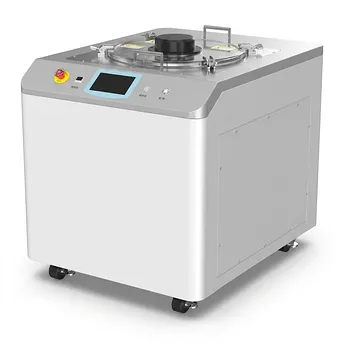
Industrial Planetary Centrifugal Vacuum Defoaming Mixer for High Viscosity Paste and Powder Homogenization
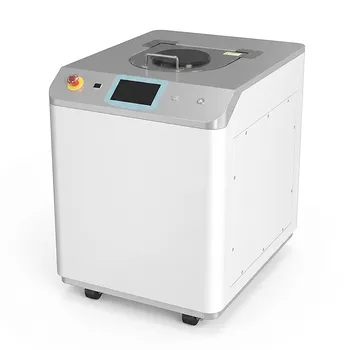
Industrial Planetary Centrifugal Vacuum Defoaming Mixer for High Viscosity Paste and Advanced Material Science
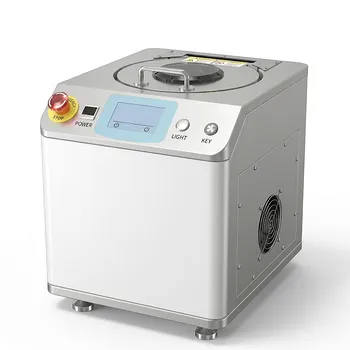
High Efficiency Vacuum Planetary Centrifugal Mixer and Defoaming Machine for Industrial Material Research and Precise Laboratory Powder Dispersion
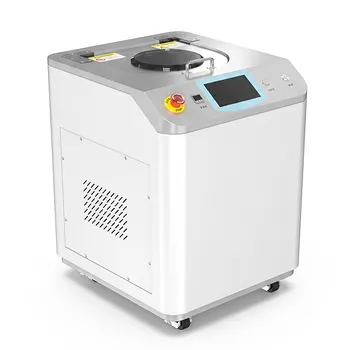
High Speed Vacuum Planetary Centrifugal Mixer and Defoamer for Industrial Paste Processing
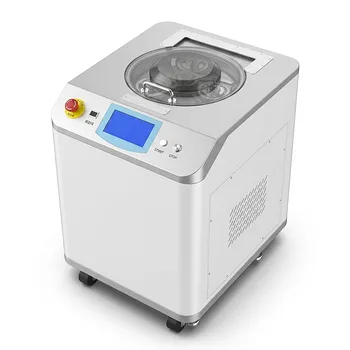
Dual Cup Vacuum Centrifugal Mixer Planetary Paste Defoaming Machine Industrial Material Processor
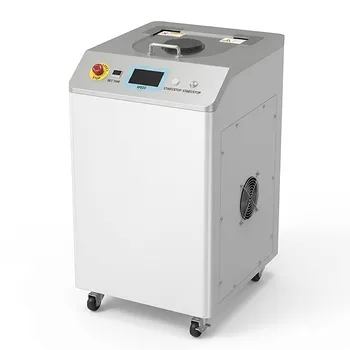
High Viscosity Planetary Centrifugal Vacuum Mixer for Material Defoaming and Uniform Mixing
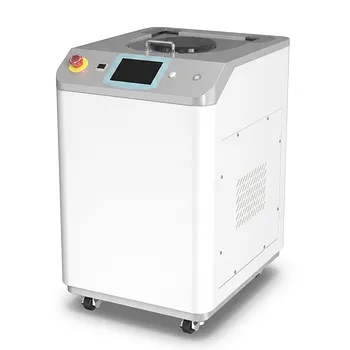
High Viscosity Planetary Centrifugal Mixing and Vacuum Defoaming Machine for Laboratory Material Preparation
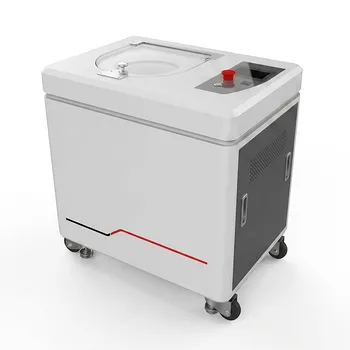
非介入式材料均质机真空脱泡行星搅拌高粘度混合设备

Vertical Production Planetary Ball Mill for High Throughput Powder Processing

Heavy Duty Horizontal Planetary Ball Mill for Efficient Industrial Grinding and Sample Preparation

360° Rotating Omnidirectional Laboratory Planetary Ball Mill for Homogeneous Ultra-Fine Grinding and Mixing
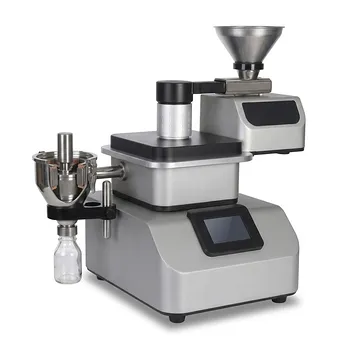
Ultra Centrifugal Mill for Rapid Laboratory Sample Preparation and Fine Powder Grinding
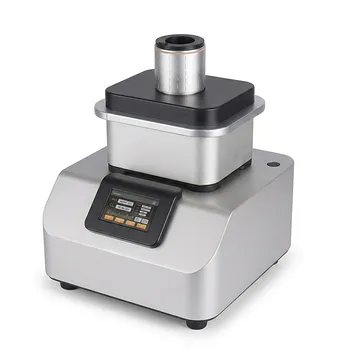
Ultra Centrifugal Mill High Speed Laboratory Grinder for Fibrous and Brittle Sample Preparation
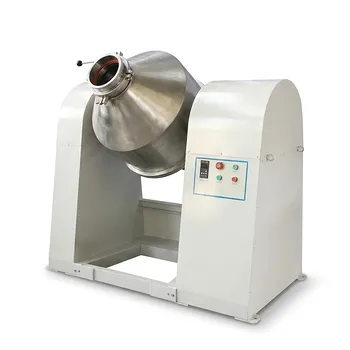
Industrial Double Cone Mixer for Powder Blending and Homogeneous Mixing
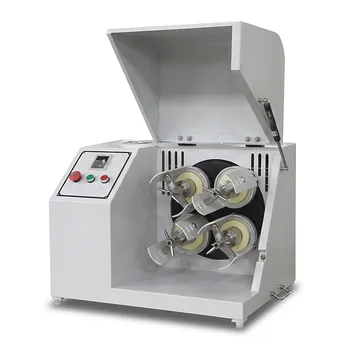
Horizontal Light Duty Planetary Ball Mill for Laboratory Sample Preparation

High Energy Omnidirectional Planetary Ball Mill 20L
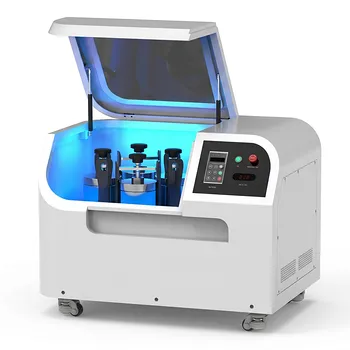
Planetary Ball Mill 12L

High Energy Omnidirectional Planetary Ball Mill 16L

Miniature Planetary Ball Mill with Vacuum Grinding and High Efficiency for Laboratory Sample Preparation