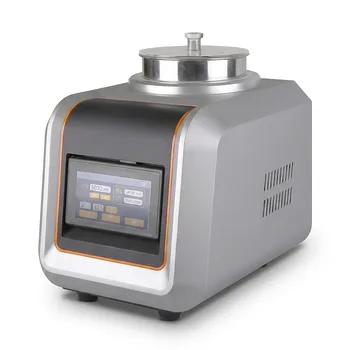
Why is an automated vibratory sieve shaker essential for asphalt mixture proportion design? Optimize Pavement Quality
Updated 4 months ago
The foundation of a durable asphalt pavement begins with the precise classification of its mineral components. An automated vibratory sieve shaker is essential because it provides the standardized, repeatable mechanical energy required to accurately determine aggregate gradation. This data is the prerequisite for creating an interlocking skeleton that controls air voids, ensures structural load-bearing capacity, and guarantees long-term pavement impermeability.
The automated vibratory sieve shaker transforms aggregate analysis from a subjective manual task into a precise, standardized engineering process. By ensuring exact particle size distribution, it enables designers to optimize the mixture's density and skeleton structure, which are the primary drivers of road longevity and performance.
Achieving the Ideal Interlocking Skeleton
Optimizing Particle Size Distribution
The device allows technicians to obtain precise particle size distribution curves by passing aggregates through standard mesh sizes. This ensures that coarse and fine aggregates are classified with high accuracy, which is the first step in any proportion design.
Controlling the Air Void Ratio
A primary goal of asphalt design is maintaining an ideal air void ratio between 3% and 5%. The vibratory sieve shaker provides the data necessary to adjust the mix so that smaller particles effectively fill the gaps between larger stones without over-densifying the structure.
Enhancing Structural Load-Bearing Capacity
Properly graded aggregates create a densely interlocked mineral skeleton that significantly improves the mixture’s internal friction. This skeletal strength is fundamental to the road's ability to support heavy traffic loads without deforming or rutting over time.
Precision and Standardization in the Laboratory
Eliminating Manual Sieving Errors
Manual sieving is prone to human error and inconsistent energy application, leading to "blinding" or incomplete separation. Automated shakers provide standardized mechanical vibration, ensuring that aggregate particles are fully and thoroughly separated across every sieve layer.
Calculating Critical Design Parameters
Reliable data from an automated shaker is mandatory for calculating technical ratios like the Coarse Aggregate (CA) ratio and the Fine Aggregate Coarse (FAc) fraction. These metrics are vital for predicting how the mixture will behave under real-world environmental stressors.
Supporting Specialized Mixture Designs
For projects requiring high-performance drainage, such as porous asphalt (ACW14), the shaker ensures the gradation meets strict engineering specifications. This allows for the creation of interconnected void structures that facilitate water runoff and prevent hydroplaning.
Understanding the Trade-offs and Limitations
Maintenance and Wear Calibration
While automated, these machines require regular calibration and maintenance to ensure the vibration frequency remains within specification. Over time, mechanical wear can lead to inconsistent energy distribution, which may skew the gradation results and lead to design failures.
The Limitation of Particle Shape
Sieve shakers classify particles based on their smallest cross-section, but they cannot account for particle shape or angularity. An aggregate might pass the sieve test but still fail in the field if the particles are too flaky or elongated to interlock properly.
Risk of Material Degradation
Excessively long vibration cycles can cause particle degradation, where softer aggregates break down into smaller pieces during the test itself. Technicians must balance the need for thorough separation with the risk of artificially altering the sample's gradation through mechanical stress.
Making the Right Choice for Your Project
The use of an automated vibratory sieve shaker should be tailored to the specific performance requirements of your pavement project.
- If your primary focus is heavy-duty pavement durability: Use the shaker to strictly monitor the 3-5% air void ratio to ensure maximum impermeability and resistance to wear.
- If your primary focus is high-speed road safety and drainage: Prioritize the shaker’s precision in achieving open-graded curves (like ACW14) to guarantee interconnected voids for water management.
- If your primary focus is research and material analysis: Use the standardized vibration to calculate specific surface areas, which helps in analyzing asphalt film thickness and chemical bonding.
By integrating automated sieving into your workflow, you ensure that every design decision is backed by accurate, repeatable data rather than manual estimation.
Summary Table:
| Key Feature | Technical Impact on Asphalt Design | Primary Benefit |
|---|---|---|
| Precise Gradation | Accurate particle size distribution curves | Optimal interlocking skeleton structure |
| Air Void Control | Maintains ideal 3%–5% air void ratio | High impermeability and load capacity |
| Standardized Vibration | Eliminates manual sieving inconsistencies | Repeatable, engineering-grade data |
| Skeletal Optimization | Improves internal friction of minerals | Resistance to rutting and deformation |
Elevate Your Asphalt Research with Precision Engineering
At [Your Brand Name], we understand that the longevity of infrastructure depends on the accuracy of your laboratory data. Providing complete laboratory sample preparation solutions for material science, we specialize in high-performance powder processing and compaction equipment designed to meet the rigorous standards of asphalt and aggregate testing.
Our extensive product lines include:
- Sieve Shakers: Advanced vibratory and air-jet models with a wide range of test sieves and meshes for precise classification.
- Crushers & Mills: Jaw/roll crushers and planetary ball, jet, or disc mills for material reduction.
- Hydraulic Presses: A full spectrum including Cold/Warm Isostatic Presses (CIP/WIP), standard lab presses, and vacuum hot presses for advanced material compaction.
- Mixing Solutions: Specialized powder and defoaming mixers to ensure sample homogeneity.
Whether you are designing heavy-duty pavement or high-safety porous asphalt, our equipment provides the standardized mechanical energy required for reliable results. Contact our experts today to discuss how our solutions can enhance your lab's efficiency and ensure your materials meet every engineering specification.
References
- Reshma Ravikumar, Mrs. Archana M. An Experimental Investigation on Influence of Mixing and Compaction Temperature on Air Voids in Bituminous Mix. DOI: 10.22214/ijraset.2023.55091
Mentioned Products
- Vibratory Sieve Shaker Electromagnetic 3D Motion Powder Particle Size Analyzer for Dry and Wet Sieving
- Small Laboratory Vibratory Sieve Shaker for Powder Gradation and Particle Size Analysis
- Laboratory Dry and Wet Three Dimensional Vibratory Sieve Shaker for Particle Analysis
- Heavy Duty Dry Three Dimensional Vibratory Sieve Shaker for Particle Separation
- Stainless Steel Laboratory Vibratory Test Sieve Shaker
People Also Ask
- How does a vibratory sieve shaker contribute to optimizing the performance of activated carbon? Enhance Adsorption Precision
- Why is a laboratory vibratory sieve shaker necessary for processing magnesium-based borate precursor powders? Boost Activity
- Why use a vibratory sieve shaker to verify coarse aggregate grading in rubberized concrete? Ensure Structural Integrity
- What function do vibratory sieve shakers and standard test sieves serve in the preparation of adsorbents? Key Guide
- What role does a vibratory sieve shaker play in the particle size analysis of ground corn products? Enhance QC Precision

Tech Team · PowderPreparation
Last updated on Jun 03, 2026
Related Products
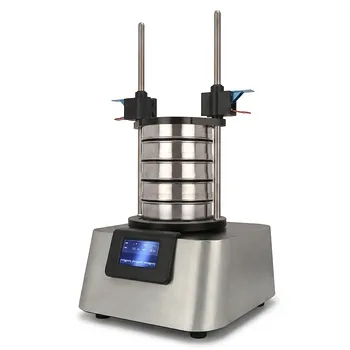
Vibratory Sieve Shaker Electromagnetic 3D Motion Powder Particle Size Analyzer for Dry and Wet Sieving
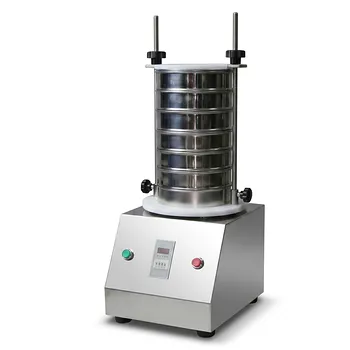
Small Laboratory Vibratory Sieve Shaker for Powder Gradation and Particle Size Analysis
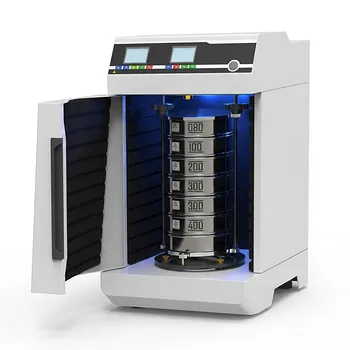
Laboratory Dry and Wet Three Dimensional Vibratory Sieve Shaker for Particle Analysis
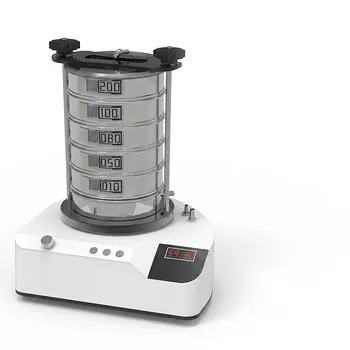
Heavy Duty Dry Three Dimensional Vibratory Sieve Shaker for Particle Separation
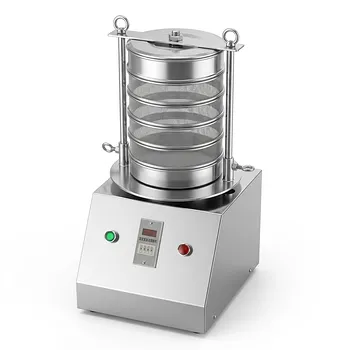
Stainless Steel Laboratory Vibratory Test Sieve Shaker
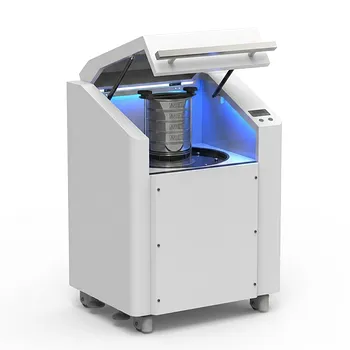
High Frequency Cabinet Type Three-Dimensional Rotary Vibrating Sieve Shaker for Dry Sieving and Particle Classification
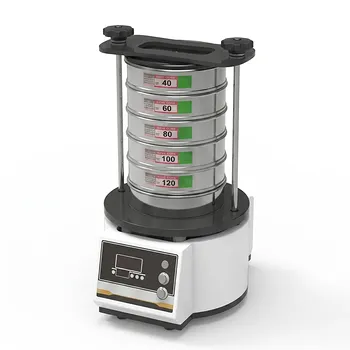
Dry Three Dimensional Vibratory Sieve Shaker
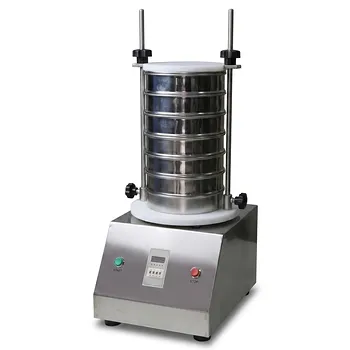
Laboratory Vibratory Test Sieve Shaker for Precision Particle Size Analysis and Powder Grading
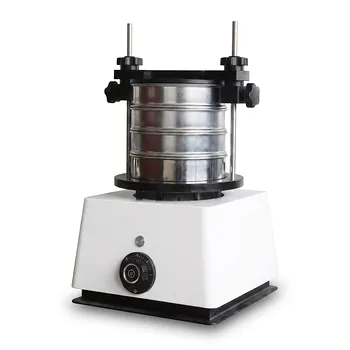
Small Laboratory Vibrating Sieve Shaker for Precise Particle Size Analysis
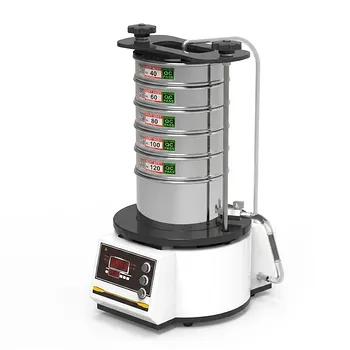
High Frequency Wet Three-Dimensional Vibrating Sieve Shaker for Dry and Wet Particle Size Analysis
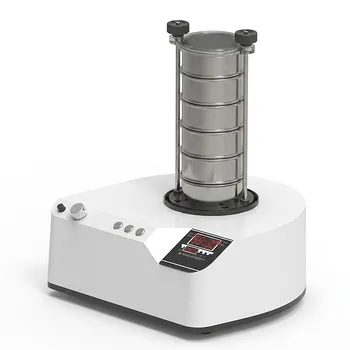
三维电磁微量振动筛分仪
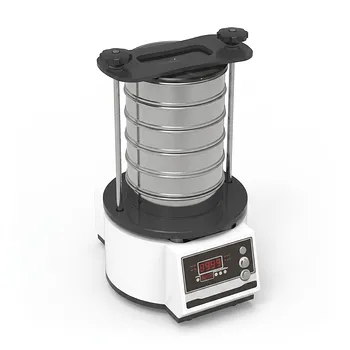
Tapping Oscillating Sieve Shaker for Dry and Wet Particle Size Analysis
Automatic Vibrating Powder Feeder for Laboratory Material Processing Precision Vibratory Hopper Feeder for Granular and Powder Material Handling Industrial Grade Vibrating Tray Feeder for Consistent Material Sample Preparation
Stainless Steel Rotary Vibrating Sieve High Precision Circular Vibratory Separator Industrial Powder Grading Machine Multi Layer Sifting Equipment
Three Dimensional Rotary Vibrating Sieve
Small Vibrating Ultrafine Grinder for Traditional Chinese Medicine
Vibratory Superfine Grinder for Ultra Fine Laboratory Powder Milling
Vibratory Disc Mill for Rapid Fine Grinding and High Throughput Sample Preparation of Hard and Brittle Materials