How do vibratory sieve shakers and test sieves aid aggregate prep? Optimize grading for superior concrete strength.
Updated 4 months ago
Vibratory sieve shakers and standard test sieves are the primary instruments used to achieve precise particle size distribution (PSD) in construction aggregates. By applying mechanical power to a vertical stack of calibrated sieves, these systems categorize raw river sand and crushed stone into specific diameter fractions. This mechanical classification ensures that aggregates meet rigorous engineering standards, which is a prerequisite for optimizing the density, strength, and durability of hardened concrete.
Core Takeaway: The combination of vibratory shakers and standard sieves transforms raw geological materials into engineered aggregates by providing precise grading control. This process is fundamental to reducing the void ratio in mixtures, ensuring the structural integrity and longevity of concrete and mortar.
Achieving Precise Grading and Engineering Compliance
Standardized Control of Particle Size
The primary role of a vibratory sieve shaker is to drive material through standard test sieves with specific apertures, such as 5 mm and 20 mm. This process ensures that the grading of sand and stone remains consistent with project specifications. Without this standardized control, the variability in raw materials would lead to unpredictable performance in structural applications.
Reducing the Void Ratio
Proper grading, achieved through mechanical sieving, is designed to reduce the void ratio between aggregate particles. By ensuring a diverse range of particle sizes, smaller grains (like fine sand) can fill the gaps between larger stones. This optimization increases the packing density of the aggregate mix, which is critical for creating high-performance concrete.
Calculating the Fineness Modulus
Vibratory shakers facilitate the calculation of the fineness modulus, a numerical index used to determine the coarseness or fineness of an aggregate. By separating samples into fractions ranging from No. 4 to No. 200 mesh, engineers can confirm if the material meets the proportioning requirements for specific concrete grades.
Enhancing Material Performance and Durability
Optimizing Concrete Density and Strength
When the aggregate grading is precisely controlled, the resulting concrete is more dense and less porous. This increased density directly improves the mechanical properties of the material after it hardens. It also enhances durability by making the concrete more resistant to environmental stressors and moisture penetration.
Ensuring Mortar Workability
In the preparation of river sand, shakers classify material into fine (0.053mm to 0.212mm), medium, and coarse categories. This classification allows researchers to evaluate how different distributions impact the workability and packing density of mortar. Proper classification ensures the mortar is easy to apply while maintaining its required strength.
Preventing Particle Size Segregation
Vibratory screening prevents particle size segregation, which occurs when different sized grains separate during handling. By maintaining a uniform distribution throughout the preparation phase, the equipment ensures that the final sample is representative of the entire batch. This is vital for obtaining accurate mineralogical data and consistent physical arrangements.
Facilitating Advanced Scientific Analysis
Quantitative Evaluation Metrics
The use of standard aperture sieves allows for the calculation of the coefficient of uniformity (Cu) and the coefficient of curvature (Cc). These parameters provide a quantitative evaluation of the aggregate's grading quality. These metrics are essential for meeting technical standards and minimizing overall porosity in the final medium.
Mineral Dissociation and Separation
In mining and ore processing, vibratory shakers evaluate the monomer dissociation degree of minerals at various diameters. This allows for the optimization of gravity and magnetic separation equipment. By understanding the mineral content in specific fractions, such as 0.5 x 0.212 mm, operators can fine-tune their processing parameters for maximum yield.
Research and Experimental Repeatability
For specialized applications like fluid flow experiments or micro-CT scanning, precise sieving ensures the uniformity of the porous medium. By strictly controlling grain sizes, such as 500 μm coarse sand, researchers can ensure the repeatability of their experiments. This precision is necessary for accurately modeling permeability and contact morphology.
Understanding the Trade-offs and Limitations
Sieve Blinding and Clogging
One of the primary challenges in vibratory sieving is sieve blinding, where near-sized particles become wedged in the mesh openings. This effectively reduces the open area of the sieve and leads to inaccurate grading results. Periodic cleaning and the use of de-blinding aids (like balls or sliders) are often required to maintain accuracy.
Mechanical Wear and Calibration
Standard test sieves are precision instruments that degrade over time due to the abrasive nature of crushed stone. Regular wear can enlarge the mesh apertures, leading to "oversized" material passing through. Frequent calibration and inspection are necessary to ensure the sieves still comply with ISO or ASTM standards.
Sample Size and Processing Time
While vibratory shakers are highly accurate, they are limited by the volume of material they can process at once. Overloading a sieve stack can lead to "matting," where a thick layer of material prevents smaller particles from reaching the mesh. This necessitates a balance between thoroughness and throughput in industrial preparation.
Applying These Tools to Your Project
Recommendations Based on Goals
- If your primary focus is Structural Concrete: Utilize sieves to reduce the void ratio and calculate the fineness modulus to ensure the aggregate meets high-performance density requirements.
- If your primary focus is Geological Research: Prioritize the prevention of particle segregation and the calculation of Cu and Cc to ensure experimental repeatability and representative sampling.
- If your primary focus is Mineral Processing: Focus on evaluating the monomer dissociation degree within narrow size fractions to optimize your magnetic or gravity separation equipment.
The integration of vibratory shakers and standard sieves is the definitive method for transforming raw aggregates into high-quality, standardized engineering materials.
Summary Table:
| Application Area | Key Contribution | Performance Metric |
|---|---|---|
| Structural Concrete | Reduces void ratio & increases packing density | Fineness Modulus (FM) |
| Mortar Preparation | Classifies sand into fine/medium/coarse | Workability & Porosity |
| Geological Research | Prevents segregation for representative sampling | Cu & Cc Coefficients |
| Mineral Processing | Evaluates monomer dissociation degree | Separation Yield % |
| Quality Control | Ensures compliance with ISO/ASTM standards | Aperture Calibration |
Elevate Your Material Analysis with Precision Equipment
Achieving the perfect particle size distribution is the cornerstone of high-performance material science. At [Company Name], we provide complete laboratory sample preparation solutions tailored for researchers and engineers.
Whether you are optimizing the packing density of crushed stone or analyzing mineral dissociation, our extensive equipment line ensures accuracy and repeatability. Our catalog includes:
- Sieving & Mixing: Vibratory and air-jet sieve shakers, test sieves, powder mixers, and defoaming mixers.
- Size Reduction: Jaw/roll crushers, liquid nitrogen cryogenic grinders, and advanced mills (planetary ball, jet, sand, disc, and rotor).
- Compaction Solutions: A full spectrum of hydraulic presses, including Cold/Warm Isostatic Presses (CIP/WIP), XRF pellet presses, and vacuum hot presses.
Don't let sieve blinding or inconsistent grading compromise your results. Let our experts help you select the right tools for your specific workflow.
Contact Us Today to Request a Quote
References
- Universiti Tun Hussein Onn Malaysia, 86400 Parit Raja, Johor, MALAYSIA. Preliminary Experimental Work on Concrete-Fly Ash Compressive Strength Blended with Seawater as Mixing Water. DOI: 10.30880/ijie.2023.15.06.013
Mentioned Products
- Vibratory Sieve Shaker Electromagnetic 3D Motion Powder Particle Size Analyzer for Dry and Wet Sieving
- Laboratory Dry and Wet Three Dimensional Vibratory Sieve Shaker for Particle Analysis
- Stainless Steel Laboratory Vibratory Test Sieve Shaker
- Heavy Duty Dry Three Dimensional Vibratory Sieve Shaker for Particle Separation
- Dry Three Dimensional Vibratory Sieve Shaker
People Also Ask
- How does a vibratory sieve shaker contribute to optimizing the performance of activated carbon? Enhance Adsorption Precision
- Why is a laboratory vibratory sieve shaker necessary for processing magnesium-based borate precursor powders? Boost Activity
- Why use a vibratory sieve shaker to verify coarse aggregate grading in rubberized concrete? Ensure Structural Integrity
- What function do vibratory sieve shakers and standard test sieves serve in the preparation of adsorbents? Key Guide
- What role does a vibratory sieve shaker play in the particle size analysis of ground corn products? Enhance QC Precision

Tech Team · PowderPreparation
Last updated on Jun 03, 2026
Related Products
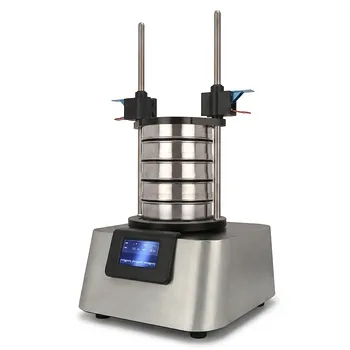
Vibratory Sieve Shaker Electromagnetic 3D Motion Powder Particle Size Analyzer for Dry and Wet Sieving
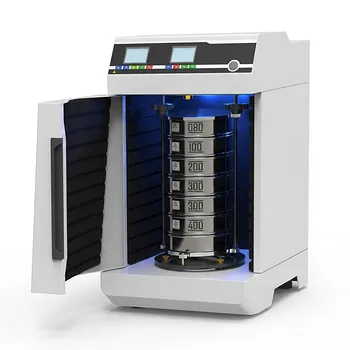
Laboratory Dry and Wet Three Dimensional Vibratory Sieve Shaker for Particle Analysis
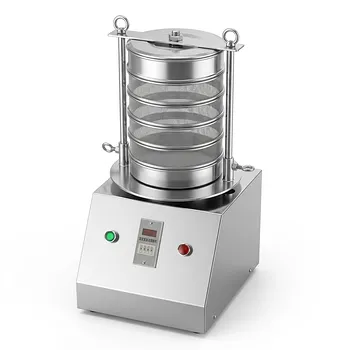
Stainless Steel Laboratory Vibratory Test Sieve Shaker
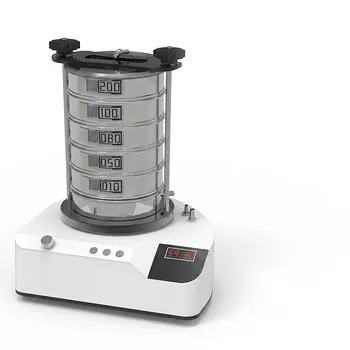
Heavy Duty Dry Three Dimensional Vibratory Sieve Shaker for Particle Separation
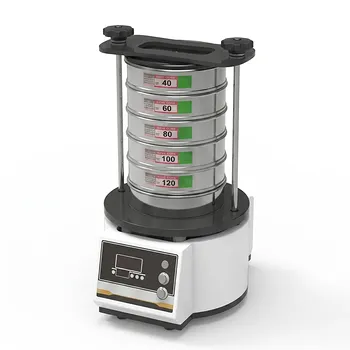
Dry Three Dimensional Vibratory Sieve Shaker
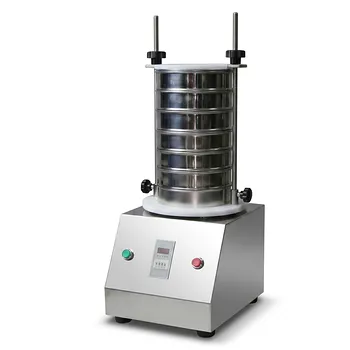
Small Laboratory Vibratory Sieve Shaker for Powder Gradation and Particle Size Analysis
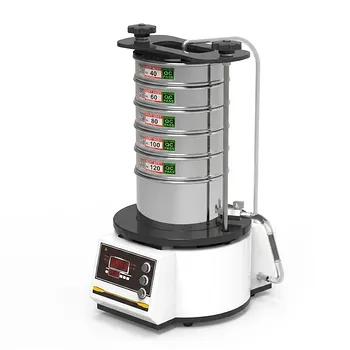
High Frequency Wet Three-Dimensional Vibrating Sieve Shaker for Dry and Wet Particle Size Analysis
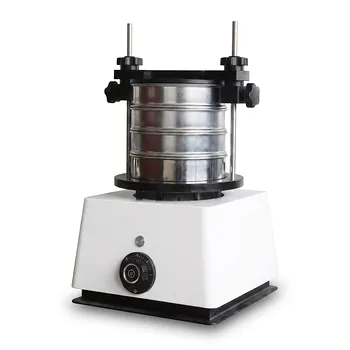
Small Laboratory Vibrating Sieve Shaker for Precise Particle Size Analysis
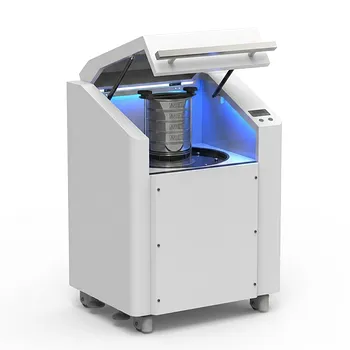
High Frequency Cabinet Type Three-Dimensional Rotary Vibrating Sieve Shaker for Dry Sieving and Particle Classification
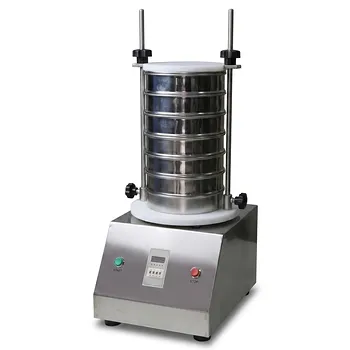
Laboratory Vibratory Test Sieve Shaker for Precision Particle Size Analysis and Powder Grading
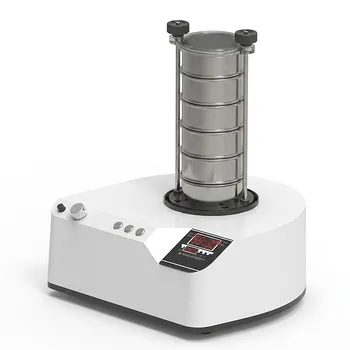
三维电磁微量振动筛分仪
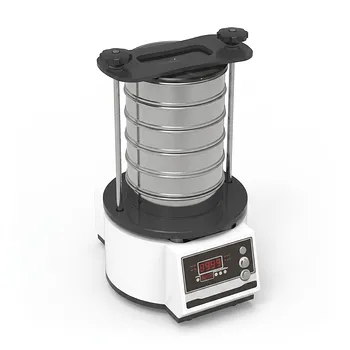
Tapping Oscillating Sieve Shaker for Dry and Wet Particle Size Analysis
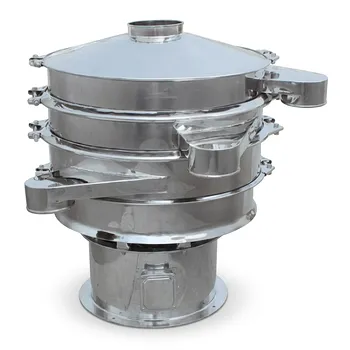
Stainless Steel Rotary Vibrating Sieve High Precision Circular Vibratory Separator Industrial Powder Grading Machine Multi Layer Sifting Equipment
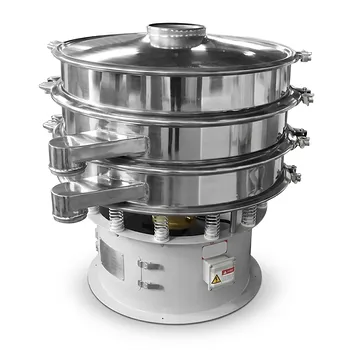
Three Dimensional Rotary Vibrating Sieve
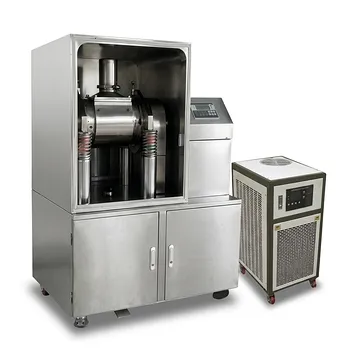
Small Vibrating Ultrafine Grinder for Traditional Chinese Medicine
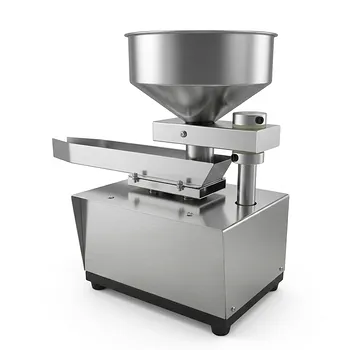
Automatic Vibrating Powder Feeder for Laboratory Material Processing Precision Vibratory Hopper Feeder for Granular and Powder Material Handling Industrial Grade Vibrating Tray Feeder for Consistent Material Sample Preparation
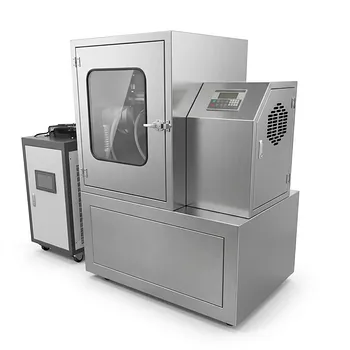
Vibratory Superfine Grinder for Ultra Fine Laboratory Powder Milling
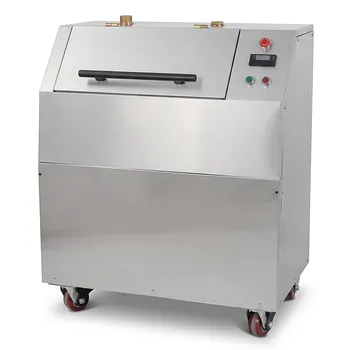
Vibratory Disc Mill for Rapid Fine Grinding and High Throughput Sample Preparation of Hard and Brittle Materials