Why is an argon protective atmosphere required when using a Planetary Ball Mill? Protect Purity in Nuclear Zirconia.
Updated 3 months ago
An argon protective atmosphere is essential because high-energy milling creates extremely reactive surfaces and significant localized heat. This inert environment prevents nuclear-grade zirconia and its critical dopants—such as cerium and neodymium—from reacting with oxygen or moisture in the air. By isolating the materials, argon ensures the final ceramic maintains its precise chemical stoichiometry and the high purity required for nuclear applications.
The primary role of an argon atmosphere in planetary ball milling is to provide an oxygen-free, dry environment that halts the oxidative degradation of highly active powders. This protection is vital for maintaining the designed chemical composition and phase stability of the material, which directly dictates the performance of the final sintered body.
The Mechanics of Energy and Reactivity
High-Energy Impacts and Surface Activation
During the milling process, the planetary ball mill subjects the zirconia powder to intense mechanical collisions. These impacts break down particles and create a massive number of fresh, active surfaces with high surface energy. Without an inert gas like argon, these new surfaces would instantly bond with atmospheric oxygen or moisture.
Thermal Energy Generation
The friction and collisions within the milling jar generate significant thermal energy. This localized heat acts as a catalyst, accelerating chemical reactions that wouldn't normally occur at room temperature. An argon atmosphere ensures that this heat does not lead to unintended oxidation of the refined powders.
Preservation of Nanostructure
As the powder reaches the nano-scale, its chemical activity increases exponentially due to the high surface-to-volume ratio. Argon acts as a literal shield, allowing the powder to reach the desired microstructural integrity without being contaminated by environmental impurities.
Protecting Chemical Integrity and Phase Stability
Maintaining Precise Stoichiometry
Nuclear-grade ceramics rely on exact ratios of zirconia and dopants like cerium (Ce) and neodymium (Nd). If these dopants oxidize prematurely during milling, the chemical stoichiometry of the mixture is ruined. Argon ensures these reactive elements remain in their intended state for the subsequent sintering process.
Ensuring Phase Stability
Unintended moisture absorption or oxidation can cause unwanted phase transformations in zirconia (such as 3Y-TZP). By maintaining a dry, inert environment, argon prevents the degradation of the powder's mechanical and tribological properties. This is critical for ensuring the final material can withstand the harsh conditions of a nuclear environment.
Preventing Oxide Inclusions
In mechanical alloying, the goal is often to create a homogenous solid solution. If oxygen is present, alumina or other oxide inclusions can form, which act as defects in the final sintered material. Using high-purity argon keeps the metallic surfaces "fresh," allowing for the proper in-situ formation of high-quality compounds.
Understanding the Trade-offs
Equipment Sealing Requirements
To maintain an argon atmosphere, milling jars must be perfectly sealed and capable of holding a vacuum or positive pressure. Any leak can introduce oxygen, rendering the protective gas ineffective and potentially ruining a long-duration milling run.
Gas Purity and Cost
The effectiveness of the protection is limited by the purity of the argon used. While high-purity argon is an additional operational cost, using lower-grade gas may introduce trace moisture, which can be just as damaging to nuclear-grade zirconia as atmospheric air.
Trapped Gas Risks
In some cases, small amounts of the inert gas can become trapped within the powder particles during the "cold welding" phase of mechanical alloying. If not managed during the degassing or sintering stages, this can lead to residual porosity in the final bulk material.
How to Apply This to Your Project
Making the Right Choice for Your Goal
- If your primary focus is nuclear-grade purity: You must use high-purity (99.99%+) argon and verify the integrity of your milling jar seals before every run.
- If your primary focus is phase stability in 3Y-TZP: Ensure the argon environment is strictly maintained to prevent moisture-induced degradation during long-duration milling.
- If your primary focus is reactive dopant integration: Introduce the argon after a vacuum purge to ensure all residual oxygen is removed from the jar's dead space.
- If your primary focus is cost-sensitive R&D: Consider using a high-quality nitrogen atmosphere only if your specific material system is non-reactive with nitrogen at high temperatures.
The use of an argon atmosphere is a non-negotiable safeguard that transforms high-energy milling from a process of degradation into a precise tool for advanced material synthesis.
Summary Table:
| Key Factor | Role of Argon Atmosphere | Impact on Zirconia Quality |
|---|---|---|
| Surface Activation | Prevents oxidation of newly exposed high-energy surfaces | Maintains high chemical purity |
| Thermal Energy | Inhibits reactions catalyzed by localized milling heat | Prevents unintended oxide formation |
| Stoichiometry | Protects dopants (Ce, Nd) from atmospheric O2/H2O | Ensures precise material composition |
| Phase Stability | Blocks moisture-induced degradation (e.g., 3Y-TZP) | Enhances mechanical properties |
Elevate Your Material Research with Expert Sample Preparation
Achieve unmatched precision in nuclear-grade material synthesis with [Brand Name]. We provide complete laboratory sample preparation solutions tailored for material science, specializing in high-performance powder processing and compaction equipment.
Whether you need Planetary Ball Mills for mechanical alloying under inert atmospheres or Vacuum Hot Presses and Isostatic Presses (CIP/WIP) for advanced sintering, our extensive product line—including crushers, cryogenic grinders, and XRF pellet presses—is designed to ensure your powders maintain perfect stoichiometry and purity.
Ready to optimize your lab's efficiency? Contact our technical experts today to discover how our specialized equipment can enhance your research and production workflows.
References
- Marcin Brykała, Marcin Chmielewski. Microstructural characterization and thermal analysis of sintered Ce/Nd doped zirconia ceramics for nuclear applications. DOI: 10.1007/s10973-025-14503-2
Mentioned Products
- Vertical Production Planetary Ball Mill for High Throughput Powder Processing
- Vertical Square Planetary Ball Mill for Laboratory Sample Preparation and Nanoscale Grinding
- 8L Planetary Ball Mill for Laboratory Grinding and Sample Preparation
- Planetary Ball Mill 12L
- Vertical Semi Circular Planetary Ball Mill for Laboratory Precision Grinding
People Also Ask
- What is the function of a high-performance planetary ball mill in AMZ laminates? Master Ceramic Homogenization.
- What is the role of a planetary ball mill in Al–Si3N4 nanocomposite prep? Achieve Uniform Homogenization
- What is the function of a planetary ball mill in lanthanum hexaaluminate synthesis? Master Micron-Level Homogenization
- What role does a planetary ball mill play in the synthesis of Er-doped PMN-PT ceramics? Enhancing Homogeneity & Purity
- What are the advantages of using a planetary ball mill for the fine grinding of barium silicate glass powder? Peak Results

Tech Team · PowderPreparation
Last updated on Jun 03, 2026
Related Products

Vertical Production Planetary Ball Mill for High Throughput Powder Processing

Vertical Square Planetary Ball Mill for Laboratory Sample Preparation and Nanoscale Grinding
8L Planetary Ball Mill for Laboratory Grinding and Sample Preparation
Planetary Ball Mill 12L
Vertical Semi Circular Planetary Ball Mill for Laboratory Precision Grinding

High Energy Planetary Ball Mill for Nano Scale Grinding and Mechanical Alloying
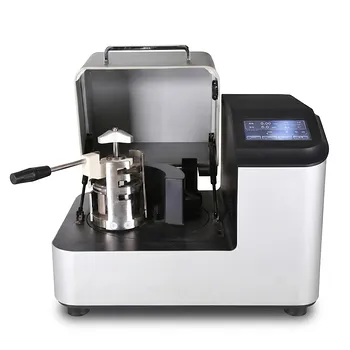
High Energy Laboratory Planetary Ball Mill for Nano Grinding and Material Science Sample Preparation

Heavy Duty Horizontal Planetary Ball Mill for Efficient Industrial Grinding and Sample Preparation
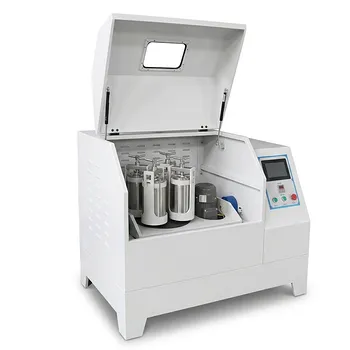
360° Rotating Omnidirectional Laboratory Planetary Ball Mill for Homogeneous Ultra-Fine Grinding and Mixing
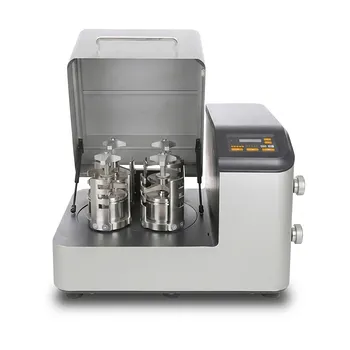
High Energy Planetary Ball Mill for Nano Scale Grinding and Colloidal Mixing in Material Science Research

High Energy Omnidirectional Planetary Ball Mill 16L
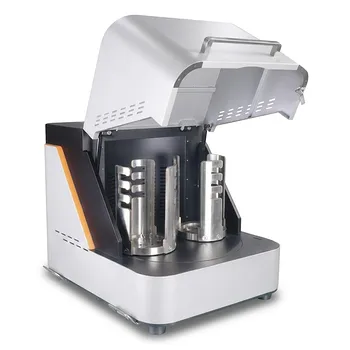
High Energy Laboratory Planetary Ball Mill for Nano Grinding and Colloidal Mixing of Hard and Brittle Materials

Miniature Planetary Ball Mill with Vacuum Grinding and High Efficiency for Laboratory Sample Preparation
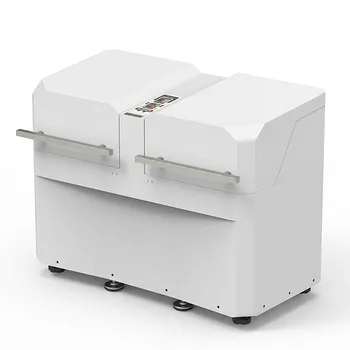
Dual Station Planetary Ball Mill 24L
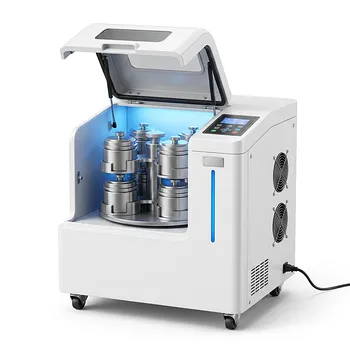
High Energy Omnidirectional Planetary Ball Mill 20L
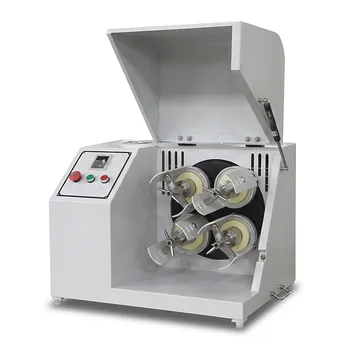
Horizontal Light Duty Planetary Ball Mill for Laboratory Sample Preparation
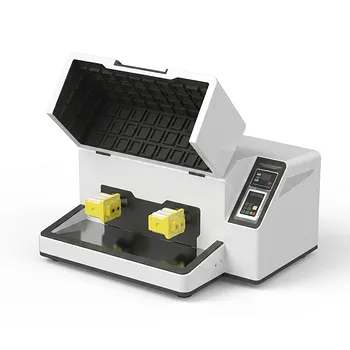
Multi-Platform Nanoscale High-Energy Vibratory Ball Mill
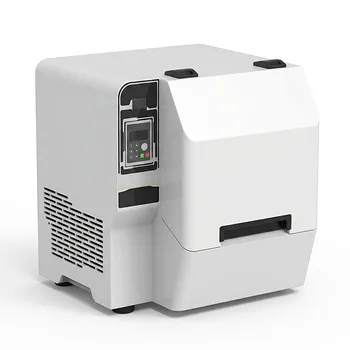
Nano High Energy Vibratory Ball Mill for Laboratory Sample Preparation
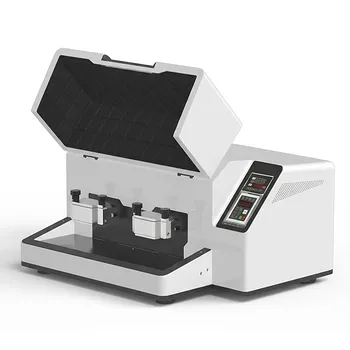
Nanoscale High-Energy Vibratory Ball Mill for Laboratory Sample Preparation, Mechanochemistry, and Mechanical Alloying