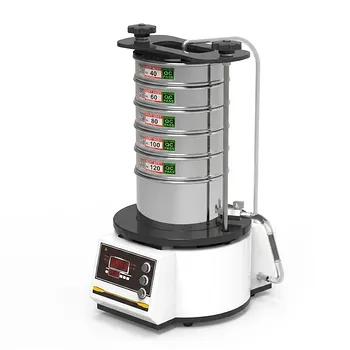
Why is an air-jet sieve shaker essential for the classification of prepared polypropylene powders? Ensure Precision
Updated 4 months ago
The air-jet sieve shaker is the critical tool for polypropylene classification because it utilizes aerodynamic dispersion to neutralize the electrostatic forces and agglomeration inherent in fine polymer powders.
Unlike traditional vibratory methods, air-jet sieving employs a high-velocity rotating airflow to fluidize particles and pull them through the mesh via negative pressure. This ensures that cohesive polypropylene fractions are accurately separated into precise diameter ranges, which is essential for consistent degradation kinetics and high-quality industrial processing.
Core Takeaway: For fine polypropylene powders, traditional sieving fails due to particle "clumping" and mesh clogging. The air-jet sieve shaker is essential because it uses controlled airflow to break these bonds, providing the high-precision particle size distribution (PSD) required for accurate scientific study and dense material manufacturing.
Overcoming the Physical Limitations of Polypropylene
Neutralizing Electrostatic Adsorption
Polypropylene particles, especially when micronized, are highly prone to electrostatic charging. This causes fine particles to cling to one another or to the sieve mesh itself, rendering standard mechanical shaking ineffective.
The air-jet sieve shaker addresses this by using airflow as a powerful dispersion force. The constant movement of air helps mitigate electrostatic buildup, allowing individual particles to remain separated during the sieving process.
Eliminating Particle Agglomeration
Fine powders often form "agglomerates," which are clusters of particles that act as a single, larger unit. If these clusters are not broken apart, the resulting data on particle size will be fundamentally flawed.
The high-energy airflow from the shaker's rotating nozzle subjects these clusters to enough force to deagglomerate them. This ensures that the sieve measures the actual size of the individual particles rather than the size of the temporary clusters.
The Mechanics of Aerodynamic Precision
Fluidization via Rotating Nozzles
At the heart of the system is a rotating slit nozzle located beneath the sieve mesh. This nozzle injects a controlled stream of air that lifts and fluidizes the powder, keeping it in a suspended state above the screen.
This dynamic suspension ensures that every particle has multiple opportunities to pass through the mesh openings. By keeping the powder in motion, the system prevents "blinding," where fine particles lodge in the pores and block the sieve.
Negative Pressure and Efficient Passage
While the air jet disperses the powder, a vacuum system creates negative pressure beneath the sieve. This pressure differential actively pulls the "undersize" particles through the mesh and into a collection canister.
This combination of upward dispersion and downward suction allows for the rapid classification of powders into narrow distribution components. This is vital for creating standardized samples, such as fractions smaller than 125 microns, used in quantitative studies.
Impact on Research and Manufacturing
Precision in Degradation Kinetics
For researchers studying degradation kinetics, the surface-area-to-volume ratio of a powder is a primary variable. If the particle size distribution is inaccurate, the kinetic data will be irreproducible.
The air-jet sieve provides the standardized samples necessary for these studies. By ensuring particles are separated into specific diameter ranges (e.g., 125 to 200 microns), scientists can isolate the effects of size on chemical reactions.
Optimizing Loading Density and Uniformity
In manufacturing processes like Spark Plasma Sintering (SPS), an ideal particle size distribution is required for close packing. This increases the loading density and ensures the final sintered product has uniform density and minimal porosity.
Accurate classification allows manufacturers to remove oversized particles (e.g., those larger than 100 μm) that would otherwise create structural weaknesses. This level of control is only possible when the sieving method can handle the cohesive nature of the raw powder.
Understanding the Trade-offs
Mechanical Stress vs. Efficiency
While vibratory sievers are simpler and can handle larger volumes of coarse material, they subject particles to significant mechanical stress. For fragile materials, this can cause particles to fracture, leading to a "false" increase in fine fractions.
The air-jet method is generally gentler because it relies on aerodynamics; however, it is typically limited to one sieve at a time. This makes it a high-precision tool for quality control and research rather than a bulk-tonnage separation method.
Cost and Complexity
Air-jet sieve shakers require a vacuum source and precise pressure calibration to function correctly. This makes them more expensive and complex to operate than basic vibratory trays. However, for powders smaller than 100 micrometers, the increased accuracy usually justifies the higher investment.
Applying This to Your Project
Making the Right Choice for Your Goal
- If your primary focus is quantitative research: Utilize the air-jet sieve to produce narrow, standardized fractions to ensure your kinetic data is scientifically valid.
- If your primary focus is industrial sintering or molding: Focus on using air-jet classification to remove oversized particles and optimize the loading density of your powder beds.
- If your primary focus is processing fragile polymers: Prioritize the air-jet method to reduce mechanical impact and prevent the unintended breakage of delicate particle structures.
By leveraging the aerodynamic principles of the air-jet sieve, you transform polypropylene powder from a difficult-to-manage bulk material into a precision-engineered feedstock.
Summary Table:
| Feature | Air-Jet Sieving Advantage | Research & Industrial Impact |
|---|---|---|
| Particle Dispersion | Neutralizes electrostatic forces and breaks agglomerates. | Ensures accurate particle size distribution (PSD) for cohesive powders. |
| Flow Mechanism | Rotating nozzle fluidizes powder; negative pressure pulls fines. | Prevents mesh blinding and increases classification speed. |
| Sample Integrity | Gentle aerodynamic force reduces mechanical impact. | Prevents unintended particle breakage in fragile polymers. |
| Data Accuracy | Isolates narrow diameter fractions (e.g., <125 µm). | Provides reproducible data for degradation kinetics and sintering. |
Optimize Your Powder Processing with Precision Engineering
Achieving consistent results in material science requires more than just standard equipment—it requires specialized solutions tailored to your material's physical properties. At [Your Brand Name], we provide complete laboratory sample preparation solutions designed to overcome challenges like electrostatic charging and particle agglomeration.
Our extensive product line includes:
- Powder Processing: Advanced air-jet sieve shakers, vibratory sievers, and a comprehensive range of mills (planetary ball, jet, and cryogenic grinders).
- Compaction & Pressing: A full spectrum of hydraulic presses, including Cold/Warm Isostatic Presses (CIP/WIP), vacuum hot presses, and XRF pellet presses.
- Mixing & Preparation: High-efficiency powder mixers and vacuum defoaming mixers.
Whether you are refining polypropylene powders for kinetic studies or optimizing loading density for Spark Plasma Sintering (SPS), our expert team is ready to help you select the right configuration for your application.
Ready to elevate your lab's performance? Contact us today to discuss your project requirements!
References
- Nora Meides, Peter Strohriegl. Quantifying the fragmentation of polypropylene upon exposure to accelerated weathering. DOI: 10.1186/s43591-022-00042-2
Mentioned Products
- Laboratory Air Jet Sieving Machine for Fine Powder Particle Size Analysis and Deagglomeration
- Benchtop Micro Air Jet Mill for Ultrafine Grinding of High Value Powders
- Small Laboratory Vibratory Sieve Shaker for Powder Gradation and Particle Size Analysis
- High Speed Air Induced Ultrafine Pulverizer Laboratory Superfine Powder Mill for Pharmaceutical and Material Science Sample Preparation
- Laboratory Vibratory Test Sieve Shaker for Precision Particle Size Analysis and Powder Grading
People Also Ask
- What role do laboratory test sieves play in the nanocrystallization process of iron powder? Ensure Uniform Refinement
- What is the function of a laboratory test sieve in the river sediment sample preparation process? Ensure Precise Data
- What is the purpose of using 0.038 mm sieves in magnetite grinding? Quantify Kinetics and Boost Grinding Efficiency
- How do laboratory test sieves contribute to the analysis of soil texture composition? Optimize Particle Grading Accuracy
- Why is a 0.08mm standard sieve required for testing the fineness of cement? Optimize Recycled Pervious Concrete Quality

Tech Team · PowderPreparation
Last updated on Jun 03, 2026
Related Products
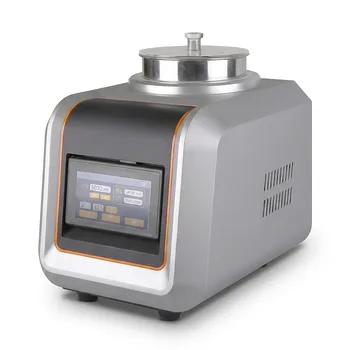
Laboratory Air Jet Sieving Machine for Fine Powder Particle Size Analysis and Deagglomeration
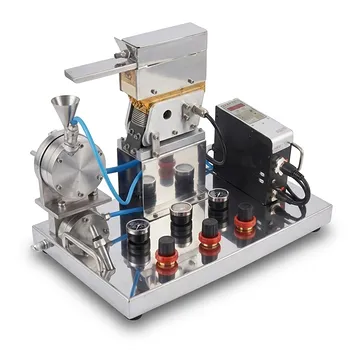
Benchtop Micro Air Jet Mill for Ultrafine Grinding of High Value Powders
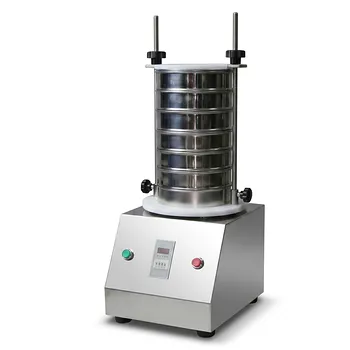
Small Laboratory Vibratory Sieve Shaker for Powder Gradation and Particle Size Analysis
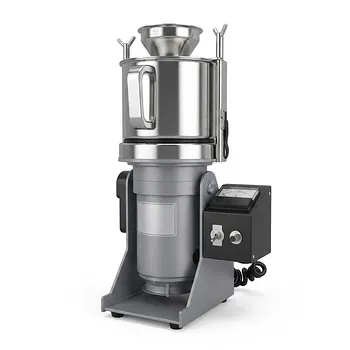
High Speed Air Induced Ultrafine Pulverizer Laboratory Superfine Powder Mill for Pharmaceutical and Material Science Sample Preparation
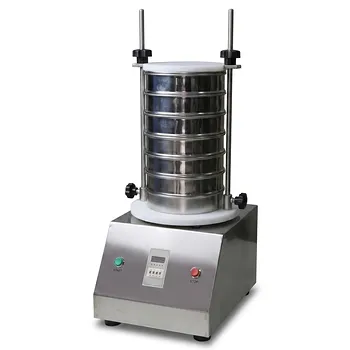
Laboratory Vibratory Test Sieve Shaker for Precision Particle Size Analysis and Powder Grading
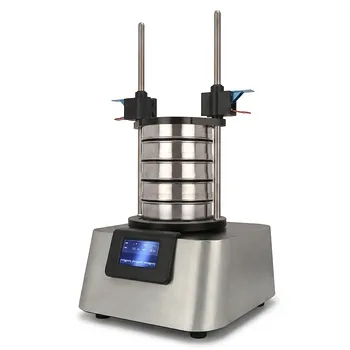
Vibratory Sieve Shaker Electromagnetic 3D Motion Powder Particle Size Analyzer for Dry and Wet Sieving
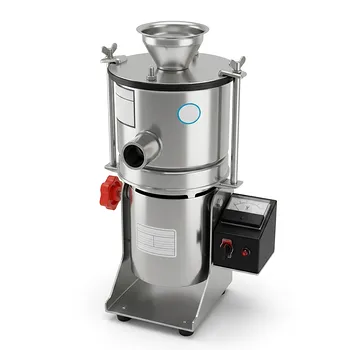
Air Guided Ultrafine Pulverizer High Speed Laboratory Powder Grinder for Chemical and Material Processing
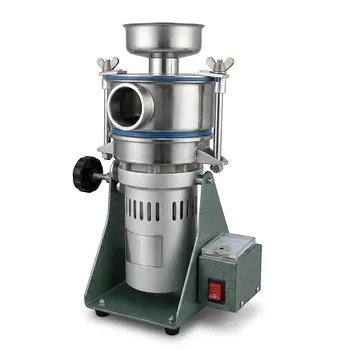
Small Airflow Ultra-Fine Grinder for Laboratory Sample Preparation
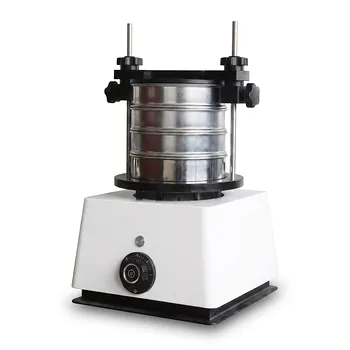
Small Laboratory Vibrating Sieve Shaker for Precise Particle Size Analysis
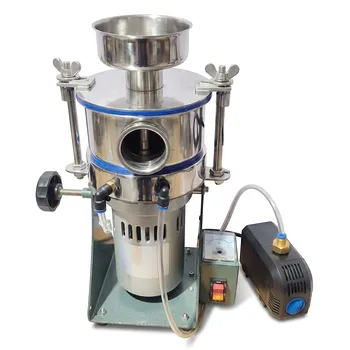
Water Cooled Airflow Ultra Fine Grinder for Low Temperature Material Processing
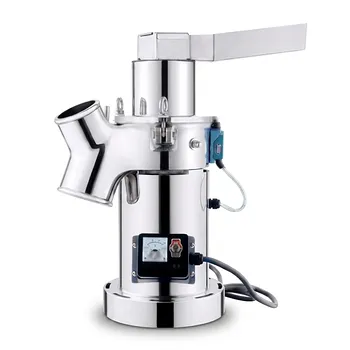
Airflow Ultrafine Pulverizer for Laboratory Ultra-fine Grinding
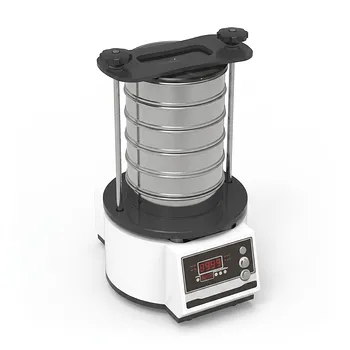
Tapping Oscillating Sieve Shaker for Dry and Wet Particle Size Analysis
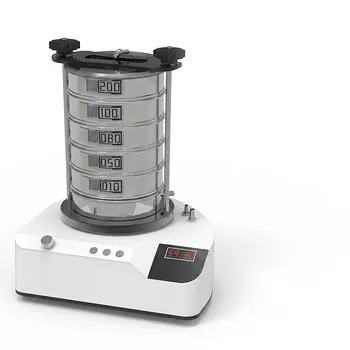
Heavy Duty Dry Three Dimensional Vibratory Sieve Shaker for Particle Separation
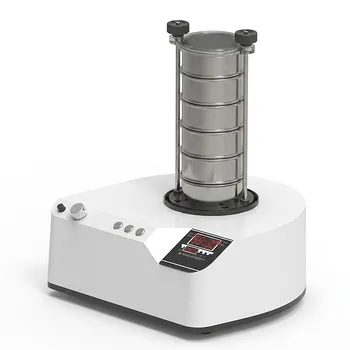
三维电磁微量振动筛分仪
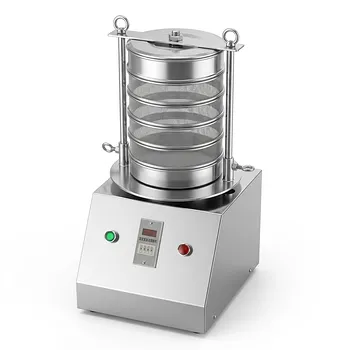
Stainless Steel Laboratory Vibratory Test Sieve Shaker
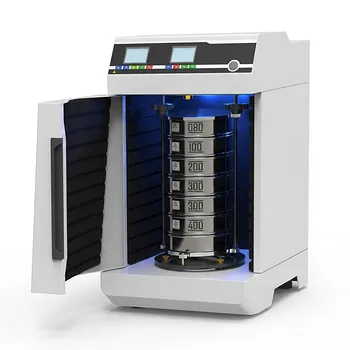
Laboratory Dry and Wet Three Dimensional Vibratory Sieve Shaker for Particle Analysis
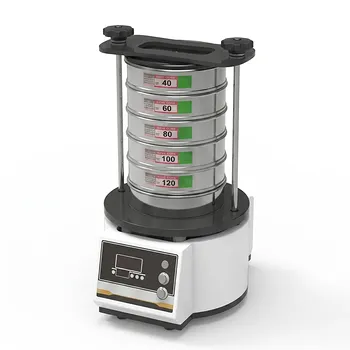
Dry Three Dimensional Vibratory Sieve Shaker
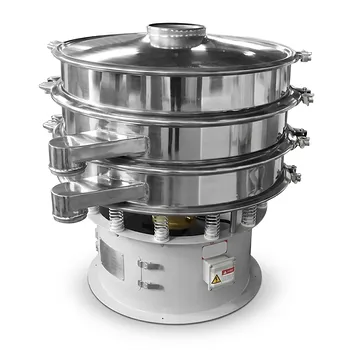
Three Dimensional Rotary Vibrating Sieve
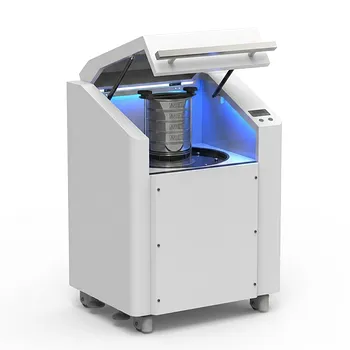
High Frequency Cabinet Type Three-Dimensional Rotary Vibrating Sieve Shaker for Dry Sieving and Particle Classification