Why is a vibratory sieve shaker used when processing wheat straw biomass for adsorption studies? Ensure Research Accuracy
Updated 5 months ago
Standardizing particle size is the primary reason for using a vibratory sieve shaker in wheat straw biomass processing for adsorption studies. By isolating particles within a specific range, such as 250 µm, researchers ensure that all biomass samples exhibit uniform mass transfer properties and surface area characteristics.
Core Takeaway: A vibratory sieve shaker eliminates experimental bias by providing a highly uniform grain size, which is essential for ensuring the repeatability of adsorption kinetics and the accuracy of mass transfer data.
Optimizing Adsorption Through Particle Uniformity
Eliminating Surface Area Bias
Adsorption is a surface-dependent phenomenon; therefore, variations in particle size directly alter the available surface area for solute binding. By using a vibratory sieve shaker, researchers standardize the physical dimensions of the wheat straw, ensuring that performance comparisons between different batches or materials are scientifically valid.
Ensuring Kinetic Repeatability
The rate at which an adsorbent captures a pollutant—known as adsorption kinetics—is sensitive to the distance a solute must travel within the material. Uniform particles provide a consistent diffusion path, which minimizes "noisy" data and ensures that kinetic experiments can be accurately replicated across multiple trials.
Maintaining Mass Transfer Efficiency
Inconsistent particle sizes create unpredictable resistance to flow and molecular movement. Precise classification with standard test sieves ensures consistent mass transfer efficiency, preventing oversized particles from slowing down the reaction or undersized "dust" from causing premature saturation.
The Role of Mechanical Precision in Biomass Analysis
Precise Grain Size Classification
Unlike manual shaking, a vibratory sieve shaker utilizes controlled mechanical oscillations to move pulverized wheat straw through a stack of standardized mesh screens. This process effectively removes excessive dust and oversized coarse fibers that could otherwise skew the results of an adsorption study.
Determining Particle Size Distribution
The device allows technicians to assess the powder uniformity of the ground biomass by weighing the residue left on each sieve level. This data is critical for characterizing the raw material and understanding how the grinding process has affected the physical structure of the straw.
Improving Experimental Accuracy
By eliminating diffusion path differences caused by uneven particle distribution, the shaker guarantees the reliability of adsorption evaluations. This technical rigor is what allows researchers to transition from small-scale laboratory experiments to industrial-scale applications with confidence.
Understanding the Trade-offs
The Risk of Sieve Blinding
One common pitfall when processing fibrous materials like wheat straw is sieve blinding, where particles become lodged in the mesh apertures. This can lead to inaccurate grading and requires careful maintenance or the use of sieve cleaning aids (like plastic balls) to ensure the accuracy of the separation.
Sample Loss and Over-Processing
Extended vibration times can lead to particle attrition, where the biomass particles rub against each other and break down into smaller fragments than intended. This can result in a sample that is finer than the target mesh size, potentially leading to overestimations of adsorption capacity due to increased surface area.
How to Apply This to Your Research
Making the Right Choice for Your Goal
To achieve the most reliable results in your biomass study, align your sieving strategy with your specific experimental objectives:
- If your primary focus is Adsorption Kinetics: Use a narrow mesh range (e.g., 250–300 µm) to ensure uniform diffusion paths and highly repeatable rate constants.
- If your primary focus is Material Characterization: Utilize a full stack of multi-layer sieves to determine the complete particle size distribution and assess the efficiency of your milling process.
- If your primary focus is Industrial Scalability: Use a larger vibratory shaker to process bulk quantities, focusing on removing "fines" (dust) that could cause pressure drops in large-scale filtration columns.
Selecting the correct sieving parameters is the foundational step in transforming raw wheat straw into a scientifically rigorous adsorbent.
Summary Table:
| Key Objective | Research Impact | Technical Mechanism |
|---|---|---|
| Particle Uniformity | Eliminates surface area bias and experimental noise | Precise classification via standard test sieves |
| Kinetic Repeatability | Ensures consistent diffusion paths for solutes | Mechanical oscillations for uniform grain size |
| Mass Transfer | Prevents flow resistance and premature saturation | Removal of fines (dust) and oversized fibers |
| Characterization | Provides data on powder uniformity and milling efficiency | Multi-layer sieve stacking and residue analysis |
Elevate Your Material Science Research with Precision Preparation
Achieving repeatable adsorption data starts with uncompromising sample uniformity. At KINTEK, we provide complete laboratory sample preparation solutions tailored for material science, specializing in advanced powder processing and compaction equipment.
From processing raw biomass with our jaw/roll crushers and planetary ball mills to achieving the perfect particle distribution with our vibratory and air-jet sieve shakers, we ensure your research is built on a foundation of accuracy. Our expertise extends to the final stages of sample preparation with a full spectrum of hydraulic presses, including Cold/Warm Isostatic Presses (CIP/WIP), hot presses, and XRF pellet presses.
Don’t let inconsistent particle sizes skew your results. Leverage our specialized equipment to optimize your mass transfer efficiency and kinetic repeatability.
Ready to upgrade your lab’s capabilities? Contact our technical experts today to find the ideal solution for your specific research goals!
References
- Sheetal Kumari, Manoj Chandra Garg. Introducing machine learning model to response surface methodology for biosorption of methylene blue dye using Triticum aestivum biomass. DOI: 10.1038/s41598-023-35645-z
Mentioned Products
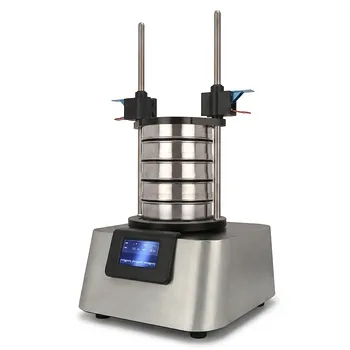
- Vibratory Sieve Shaker Electromagnetic 3D Motion Powder Particle Size Analyzer for Dry and Wet Sieving
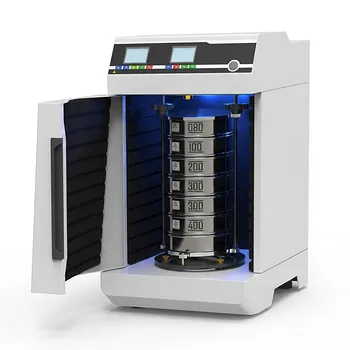
- Laboratory Dry and Wet Three Dimensional Vibratory Sieve Shaker for Particle Analysis
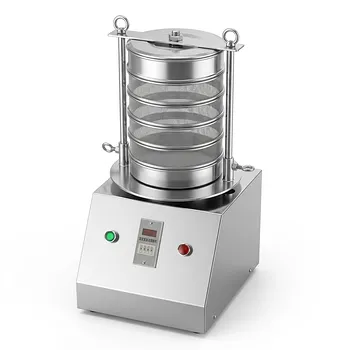
- Stainless Steel Laboratory Vibratory Test Sieve Shaker
- Heavy Duty Dry Three Dimensional Vibratory Sieve Shaker for Particle Separation
- Dry Three Dimensional Vibratory Sieve Shaker
People Also Ask
- How does a vibratory sieve shaker contribute to optimizing the performance of activated carbon? Enhance Adsorption Precision
- Why is a laboratory vibratory sieve shaker necessary for processing magnesium-based borate precursor powders? Boost Activity
- Why use a vibratory sieve shaker to verify coarse aggregate grading in rubberized concrete? Ensure Structural Integrity
- What function do vibratory sieve shakers and standard test sieves serve in the preparation of adsorbents? Key Guide
- What role does a vibratory sieve shaker play in the particle size analysis of ground corn products? Enhance QC Precision

Tech Team · PowderPreparation
Last updated on May 14, 2026
Related Products
Vibratory Sieve Shaker Electromagnetic 3D Motion Powder Particle Size Analyzer for Dry and Wet Sieving
Laboratory Dry and Wet Three Dimensional Vibratory Sieve Shaker for Particle Analysis
Stainless Steel Laboratory Vibratory Test Sieve Shaker
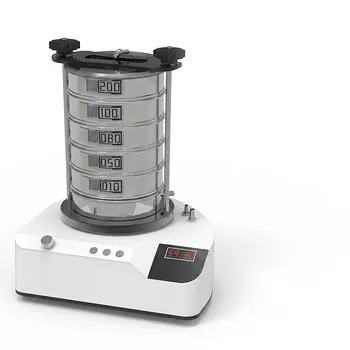
Heavy Duty Dry Three Dimensional Vibratory Sieve Shaker for Particle Separation
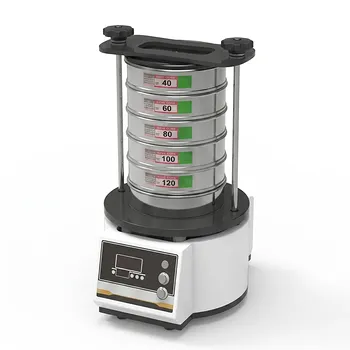
Dry Three Dimensional Vibratory Sieve Shaker
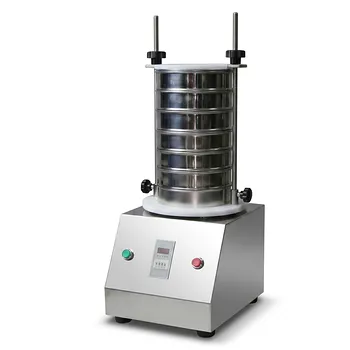
Small Laboratory Vibratory Sieve Shaker for Powder Gradation and Particle Size Analysis
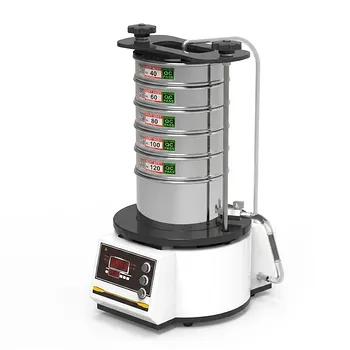
High Frequency Wet Three-Dimensional Vibrating Sieve Shaker for Dry and Wet Particle Size Analysis
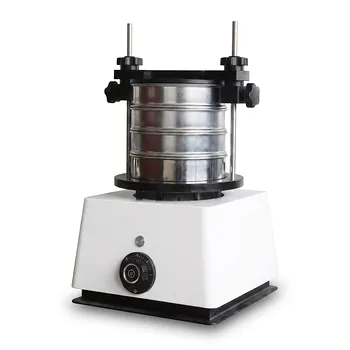
Small Laboratory Vibrating Sieve Shaker for Precise Particle Size Analysis
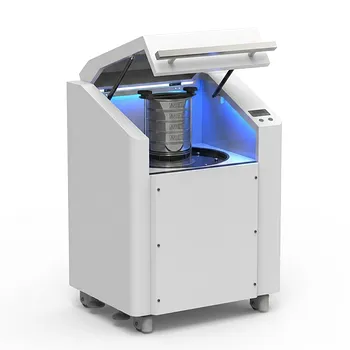
High Frequency Cabinet Type Three-Dimensional Rotary Vibrating Sieve Shaker for Dry Sieving and Particle Classification
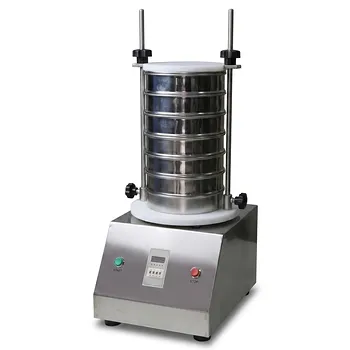
Laboratory Vibratory Test Sieve Shaker for Precision Particle Size Analysis and Powder Grading
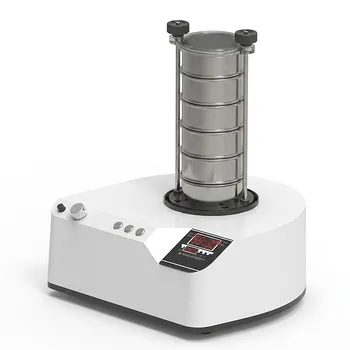
三维电磁微量振动筛分仪
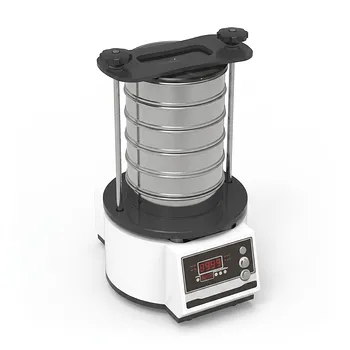
Tapping Oscillating Sieve Shaker for Dry and Wet Particle Size Analysis
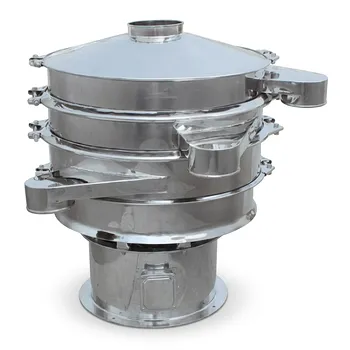
Stainless Steel Rotary Vibrating Sieve High Precision Circular Vibratory Separator Industrial Powder Grading Machine Multi Layer Sifting Equipment
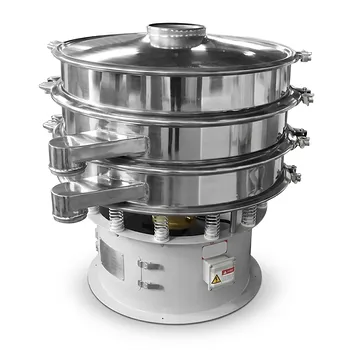
Three Dimensional Rotary Vibrating Sieve
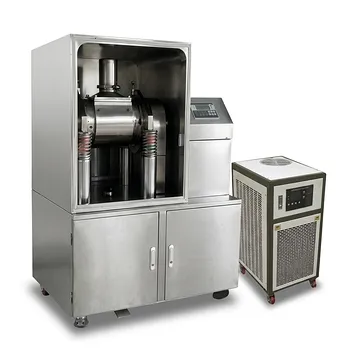
Small Vibrating Ultrafine Grinder for Traditional Chinese Medicine

Automatic Vibrating Powder Feeder for Laboratory Material Processing Precision Vibratory Hopper Feeder for Granular and Powder Material Handling Industrial Grade Vibrating Tray Feeder for Consistent Material Sample Preparation
Vibratory Superfine Grinder for Ultra Fine Laboratory Powder Milling
Vibratory Disc Mill for Rapid Fine Grinding and High Throughput Sample Preparation of Hard and Brittle Materials